
Venturing through the Golden State, whether you’re cruising down the Pacific Coast Highway, navigating the bustling streets of Los Angeles, or exploring the vibrant culture of San Francisco, presents an unparalleled travel experience. However, an often-overlooked aspect of preparing for a California adventure is understanding the local driving laws, particularly those pertaining to cell phone use. Distracted driving is a serious concern, and California has some of the strictest laws in the nation to combat it. For travelers and locals alike, being aware of these regulations isn’t just about safety; it’s about avoiding hefty fines and potential disruptions to your journey. A cell phone ticket can quickly transform a carefree road trip into a costly inconvenience, making it essential to know exactly what the law dictates and what financial repercussions you might face.
Understanding California’s Distracted Driving Laws
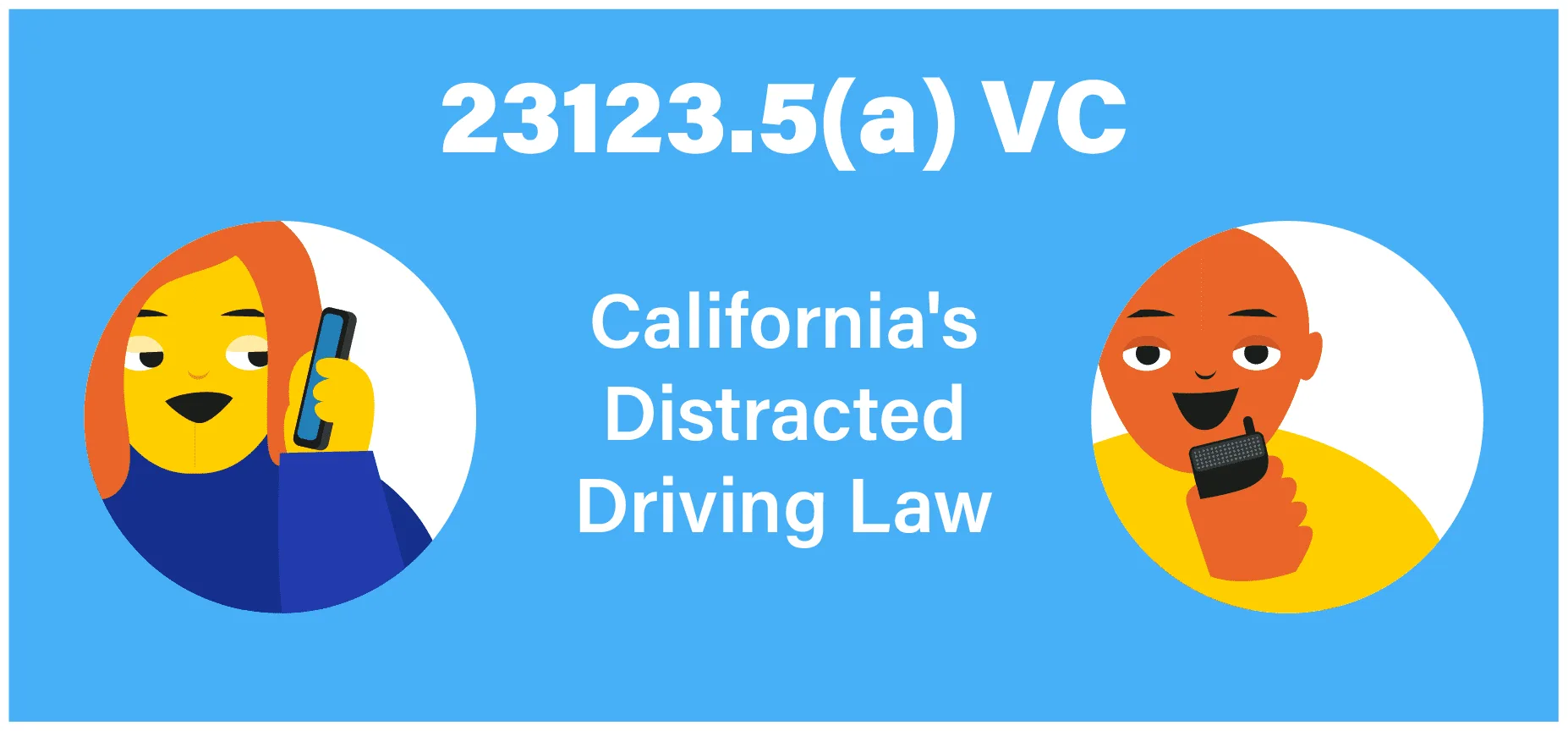
California’s approach to distracted driving is clear and uncompromising: prioritize safety by minimizing any activity that takes a driver’s attention away from the road. The state’s primary laws regarding cell phone use while driving are found in the California Vehicle Code, specifically sections 23123.5 and 23123.6. These statutes aim to prevent accidents caused by drivers who are more focused on their devices than their surroundings. For visitors renting a car or driving their own vehicle through the state, these laws apply universally, from the scenic routes near Yosemite National Park to the urban sprawl of San Diego.
The Hands-Free Mandate
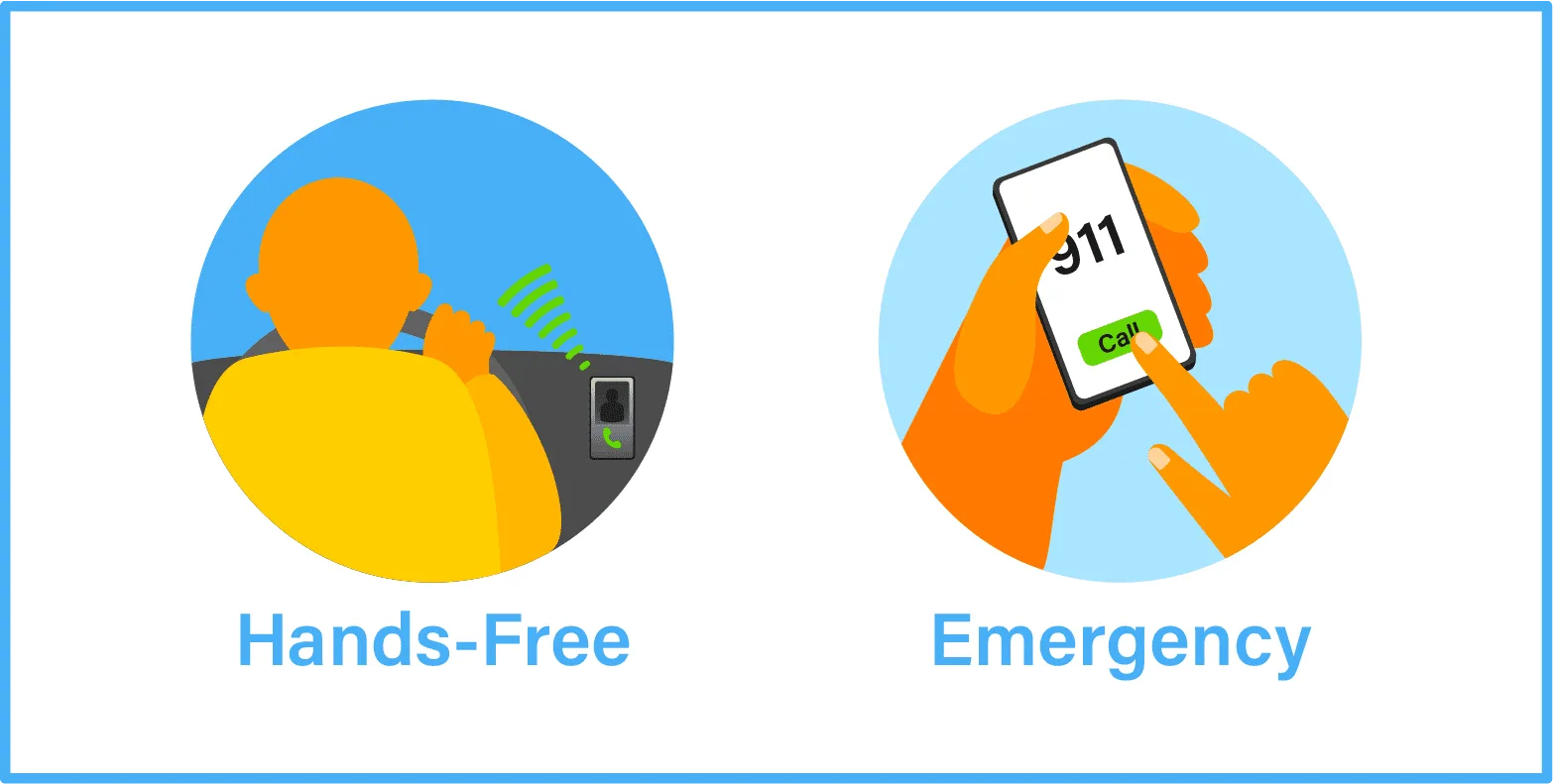
The cornerstone of California’s cell phone law, effective since January 1, 2017, is the “hands-free” mandate. This means that drivers are prohibited from holding a wireless telephone or an electronic wireless communications device while operating a motor vehicle. This prohibition extends beyond simply talking; it includes texting, emailing, using navigation apps, playing games, or interacting with social media. The only exception for device use while driving is if the device is mounted on the vehicle’s dashboard, windshield, or center console, and only allows for a single swipe or tap to activate or deactivate a function. Even then, interaction should be minimal and safe.
For drivers under the age of 18, the rules are even stricter: they are absolutely prohibited from using a wireless telephone or any electronic wireless communications device, even in a hands-free manner. This zero-tolerance policy for young drivers underscores California’s commitment to fostering safe driving habits from the outset. Understanding these nuances is critical for any traveler, as ignorance of the law is not considered a valid defense. Equipping your rental car with a proper mount or ensuring your vehicle’s infotainment system supports hands-free operation is a smart proactive step.
Exceptions to the Rule
While the laws are stringent, there are specific circumstances under which drivers may legally use their cell phones. These exceptions are primarily for emergency situations where immediate communication is vital. For instance, a driver may use a cell phone to contact law enforcement, a medical provider, the fire department, or any other emergency service agency in an emergency situation. This is a common-sense exception designed to ensure public safety. Additionally, drivers are permitted to use a handheld device when operating a vehicle on private property, as the public roadway rules do not apply there. Another minor exception is for designated emergency personnel (e.g., paramedics, firefighters) while performing their official duties. Beyond these limited scenarios, any holding or physical manipulation of a cell phone or electronic device while driving on public roads in California constitutes a violation and can lead to a ticket.
Penalties and Fines: What to Expect
The financial implications of a cell phone ticket in California can be surprisingly substantial, far exceeding the initial base fine listed on the citation. For travelers, this can be an unexpected and unwelcome expense that impacts travel budgets significantly. It’s crucial to understand that the amount printed on a traffic ticket is merely the base fine; numerous additional fees, assessments, and surcharges are tacked on, inflating the total cost considerably.
First Offense Costs
For a first offense, the base fine for violating California’s hands-free law is $20. This might seem negligible, but it’s important to recognize that this is just the starting point. Once court fees, state and local assessments, and various surcharges are added, the total amount typically skyrockets. Many drivers report paying anywhere from $150 to $250 for a first-time cell phone ticket. These added costs are mandated by state law and are used to fund various public services, making them unavoidable components of the total penalty. The actual amount can vary slightly depending on the specific county and court where the citation is issued, but travelers should budget for a minimum of $200 should they receive a ticket.
Subsequent Violations
The penalties become significantly steeper for subsequent offenses. If you receive a second or any subsequent cell phone ticket within 36 months of a prior conviction, the base fine increases. A second offense carries a base fine of $50. Again, this is before all the additional fees and surcharges are applied. Consequently, the total cost for a second or third ticket can easily reach $300 or more, potentially even pushing towards $500 depending on the specific circumstances and judicial district. The escalating fines serve as a strong deterrent, emphasizing the state’s zero-tolerance stance on repeated distracted driving behavior. For a long-term visitor or someone frequently driving through California, accumulating these tickets can become a serious financial burden.
Additional Financial Burdens
Beyond the direct fines and fees, there are other potential financial impacts. If you opt to contest the ticket in court and lose, you might be responsible for court costs. Moreover, while cell phone violations generally do not result in a moving violation point on your Department of Motor Vehicles (DMV) record for a first offense, subsequent offenses do carry a point. This can have long-term implications for your driving record, particularly if you are a California resident or frequently drive in the state. For travelers with out-of-state licenses, a point on their California DMV record might also be reported to their home state’s DMV, potentially affecting their driving record there as well.
The Impact on Your Driving Record and Insurance
Understanding the immediate financial cost of a cell phone ticket is only one part of the equation; the long-term impact on your driving record and automobile insurance premiums can be equally, if not more, significant, especially for repeat offenders or California residents. Travelers should also be aware that even if the point doesn’t transfer to their home state’s license, the conviction itself might, influencing future insurance rates.
Point System and DMV Record
For a first offense of using a handheld cell phone while driving, California Vehicle Code 23123.5 generally does not add a point to your driving record. This is a distinction from other moving violations, such as speeding, which typically incur points immediately. However, this leniency only extends to the first violation. Any subsequent conviction for a cell phone violation within a 36-month period will result in one point being added to your DMV record. Accumulating points on your driving record has serious consequences. Too many points within a certain timeframe (e.g., 4 points in 12 months, 6 points in 24 months, or 8 points in 36 months) can lead to your driver’s license being suspended or revoked by the California DMV. While a single point from a cell phone ticket might not immediately trigger a suspension, it contributes to the overall total, pushing you closer to that threshold. For travelers from other states or countries, it’s prudent to check how a California conviction might be reported to their home licensing authority.
Insurance Premium Hikes
Perhaps one of the most significant long-term costs associated with a cell phone ticket, particularly a second or subsequent offense that adds a point to your record, is the potential increase in your automobile insurance premiums. Insurance companies often view driving violations, especially those related to distracted driving, as indicators of higher risk. When a point is added to your DMV record, your insurance provider will likely be notified upon policy renewal. This can lead to a substantial hike in your monthly or annual premiums, potentially costing you hundreds, if not thousands, of dollars over several years. Even a first offense, which typically doesn’t add a point, could be considered by some insurance carriers as a factor in assessing risk, depending on their specific policies. For those who frequently travel to California or reside there, understanding this financial ripple effect is critical for budgeting and maintaining affordable insurance coverage.
Safe Driving Practices for California Travelers
To fully enjoy your trip through California and avoid the financial and administrative headaches of a cell phone ticket, adopting safe driving practices is paramount. Integrating these habits into your driving routine not only keeps you compliant with state law but, more importantly, enhances your safety and the safety of everyone on the road. From the bustling freeways of Sacramento to the quiet coastal roads, vigilance is key.
Utilize Hands-Free Technology
The most effective way to comply with California’s cell phone law is to fully embrace hands-free technology. Most modern vehicles, including rental cars, come equipped with Bluetooth connectivity, Apple CarPlay, or Android Auto systems that allow for seamless voice commands and integrated navigation. If your vehicle doesn’t have these features, invest in a dashboard or windshield mount for your phone and a Bluetooth earpiece or speaker. This setup allows you to make calls, receive directions, and even respond to texts using voice commands, keeping your hands on the wheel and your eyes on the road. Remember, even with hands-free technology, excessive interaction can still be distracting. Keep conversations brief and non-engaging when navigating complex traffic situations.
Pull Over When Necessary
Despite the convenience of hands-free devices, there will be times when you need to perform more intricate tasks on your phone, such as adjusting a detailed route, sending a lengthy message, or searching for specific information. In these instances, the safest and only legal course of action is to pull over to a safe location. This could be a designated rest stop, a parking lot, or any area off the main flow of traffic where you can safely stop and attend to your device without distraction. Resist the urge to quickly glance or tap while at a red light or in slow-moving traffic; law enforcement officers are vigilant and will ticket drivers for such actions. Planning your stops strategically, perhaps alongside scenic overlooks or charming small towns, can turn necessary breaks into enjoyable parts of your journey.
Educate Yourself Before You Go
Before embarking on your California adventure, take a few moments to familiarize yourself with the state’s specific driving laws. The California DMV website is an excellent resource for detailed and up-to-date information on traffic regulations, including those concerning distracted driving. Knowing the rules beforehand empowers you to make informed decisions and avoid unintentional violations. Share this information with any fellow travelers who might be sharing driving duties. By taking these proactive steps, you ensure that your focus remains on the breathtaking landscapes and unique experiences that California has to offer, rather than on the potential costs of a preventable traffic ticket.
LifeOutOfTheBox is a participant in the Amazon Services LLC Associates Program, an affiliate advertising program designed to provide a means for sites to earn advertising fees by advertising and linking to Amazon.com. Amazon, the Amazon logo, AmazonSupply, and the AmazonSupply logo are trademarks of Amazon.com, Inc. or its affiliates. As an Amazon Associate we earn affiliate commissions from qualifying purchases.