
The question of how much gold was discovered during the California Gold Rush is central to understanding one of the most transformative periods in American history, irrevocably shaping the physical and cultural landscapes of California. This immense discovery created new cities, spurred technological innovation, and attracted hundreds of thousands of fortune-seekers, turning remote wilderness into vibrant economic centers. The gold itself, measured in both its raw weight and its staggering economic value, serves as the primary landmark of an era defined by ambition, hardship, and unprecedented prosperity. While exact figures remain elusive due to the chaotic nature of the rush, historical estimates paint a vivid picture of the wealth unearthed from the state’s fertile lands.
The Genesis of Fortune: Sutter’s Mill and the Initial Spark
The tale of the California Gold Rush begins on January 24, 1848, with a chance discovery that would forever alter the course of the American West. James W. Marshall, a carpenter hired by John Sutter to construct a sawmill, found glittering flakes in the tailrace of Sutter’s Mill near Coloma, along the American River. This unassuming location, nestled in the foothills of the Sierra Nevada, became the epicenter of a global phenomenon.
Before Marshall’s find, California was a sparsely populated frontier, recently ceded to the United States at the conclusion of the Mexican-American War. Its small settlements, such as Monterey and New Helvetia (present-day Sacramento), existed largely independently. The news of gold spread slowly at first, but by late 1848, with definitive confirmation from government officials and a widely circulated report by President James K. Polk, the trickle of prospectors became a flood. The location of Marshall’s original discovery is now preserved as Marshall Gold Discovery State Historic Park, a landmark that allows visitors to walk the grounds where the rush began and understand the immediate impact of that first glint of gold. This site stands as a powerful testament to how a single event can ignite a massive historical movement, drawing a line from the simple act of building a mill to the profound transformation of a continent.
Rivers of Riches: Early Placer Mining and its Astounding Yield
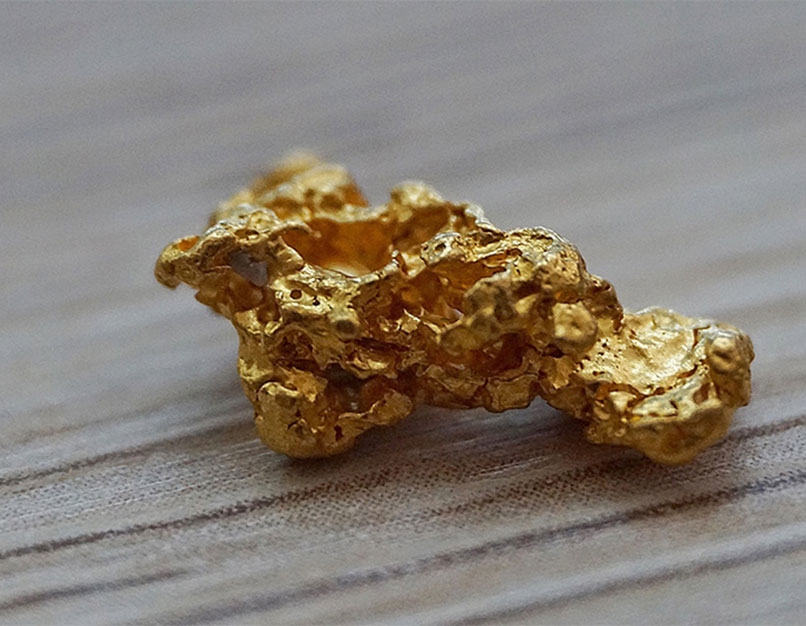
The initial phase of the California Gold Rush, from 1848 to roughly 1852, was dominated by placer mining. This method involved extracting gold from riverbeds and alluvial deposits, where gold flakes and nuggets had been eroded from their original lode sources and carried downstream. Early prospectors, or “forty-niners” as they came to be known, used rudimentary tools such as pans, rockers, and sluice boxes to separate the heavy gold from lighter sediments. The rivers flowing from the Sierra Nevada were incredibly rich, turning waterways like the American River, Yuba River, and Bear River into legendary arteries of wealth.
During these peak years of placer mining, the accessible gold was abundant, and individual fortunes could be made relatively quickly. Estimates suggest that in 1848 alone, prospectors extracted approximately $10 million worth of gold (at $16 per troy ounce), a figure that skyrocketed to around $40 million in 1849 and peaked at an astonishing $81 million in 1852. While these figures represent the market value at the time, converting them to modern-day purchasing power reveals the true magnitude of the wealth generated. In terms of raw quantity, this translates to hundreds of thousands of troy ounces annually in the early years, with the cumulative total from this period reaching well over a million ounces.
The Mother Lode region, a 120-mile-long gold-bearing belt on the western slope of the Sierra Nevada, was particularly productive. Towns like Columbia, Sonora, and Jackson sprang up almost overnight, their existence entirely dependent on the gold pulled from the earth and rivers. These boomtowns, many of which are now preserved as state historic parks, such as Columbia State Historic Park, serve as enduring landmarks of this initial, highly lucrative phase. They offer a tangible connection to the past, demonstrating the sheer volume of gold that must have passed through the hands of countless miners, shaping the very infrastructure of these settlements. The incredible yield from placer mining not only enriched individuals but also laid the economic groundwork for California’s rapid development and statehood.
Deep Earth, Deeper Pockets: The Shift to Lode Mining
As the easily accessible placer gold began to dwindle after 1852, the nature of mining in California underwent a significant transformation. Miners turned their attention to the gold embedded in quartz veins within the hard rock of the Sierra Nevada — a process known as lode mining or hard-rock mining. This method was far more complex, requiring substantial capital, advanced machinery, and organized labor, effectively signaling the end of the individual prospector’s heyday.

Hydraulic mining also emerged as a powerful, albeit environmentally destructive, method. It involved directing high-pressure streams of water at gold-bearing hillsides to wash away tons of gravel and expose the gold. While incredibly efficient, it caused massive erosion, silted rivers, and led to severe flooding in agricultural valleys, eventually resulting in its restriction in the late 1800s.
Lode mining, however, persisted and became the backbone of the industry for decades. Deep shafts were dug, tunnels extended, and stamp mills were erected to crush quartz ore, releasing the embedded gold. This shift gave rise to more permanent mining towns and districts, such as Nevada City and Grass Valley, which became centers of advanced mining technology. The famous Empire Mine in Grass Valley, one of California’s oldest and richest hard-rock mines, operated for over a century, producing millions of ounces of gold.
This transition from individual enterprise to industrial operation dramatically increased the total gold yield from the state over the long term. While the peak annual production of the placer era was higher, the sustained efforts of lode and hydraulic mining continued to extract immense quantities of gold for decades after the initial rush subsided. The infrastructure developed for these operations—the elaborate tunnels, massive stamp mills, and extensive hydraulic systems—are themselves historical landmarks, showcasing the engineering prowess and persistent drive to extract gold from the very fabric of the landscape. They tell a story of technological evolution and a prolonged commitment to mining that extended far beyond the romanticized image of the lone prospector.
Quantifying the Golden Harvest: Total Estimates and Lasting Impact
Estimating the total amount of gold discovered during the California Gold Rush is inherently challenging due to incomplete records, the informal nature of early mining, and the sheer volume of gold extracted. However, historical economists and geologists have made various estimates, all pointing to truly colossal figures.
Most historians agree that between 1848 and 1855, the most intense period of the rush, approximately $300 million to $400 million worth of gold was extracted. At the historical price of about $16 per troy ounce, this translates to an astonishing 18.75 million to 25 million troy ounces of gold. To put this into perspective, even using the lowest end of that estimate (18.75 million ounces) and valuing it at today’s prices (e.g., $2,000 per ounce), the total value would exceed $37.5 billion. Some broader estimates, extending the period of significant gold extraction well into the late 19th century and early 20th century due to sustained lode mining, place the total cumulative discovery at an even higher figure, potentially reaching $2 billion in historical value, or well over 100 million troy ounces in total.
This massive influx of gold had an unparalleled impact. It funded the growth of San Francisco from a sleepy village into a bustling metropolis and transformed Sacramento into a major commercial and political center. The wealth generated from California’s mines significantly bolstered the United States economy, helped finance the Union during the Civil War, and stimulated westward expansion. The vast quantities of gold extracted not only redefined personal wealth but also laid the economic and infrastructural foundation for the entire state, creating a legacy that continues to influence California today. The very landscape, with its scarred hillsides and abandoned mine shafts, stands as a testament to this immense historical harvest.

Legacy in the Landscape: Gold Rush Landmarks Today
The physical evidence of the vast gold discoveries during the California Gold Rush is etched into the landscape and preserved in numerous historical landmarks across the state. These sites offer invaluable insights into the scale of extraction, the methods employed, and the lives of those who sought their fortunes.
- Marshall Gold Discovery State Historic Park in Coloma: This park commemorates the site of James W. Marshall’s initial gold find. Visitors can see a replica of Sutter’s Mill, learn about placer mining techniques, and explore historical buildings from the early days of the rush. It is a direct link to the very beginning of the gold rush and the source of its legendary wealth.
- Columbia State Historic Park: Known as the “Gem of the Southern Mines,” Columbia is a remarkably preserved Gold Rush town where visitors can experience what life was like in the 1850s. Its brick buildings, including saloons, hotels, and general stores, showcase the prosperity that gold brought to these booming communities and the infrastructure built around its extraction.
- Empire Mine State Historic Park in Grass Valley: This park provides a stark contrast to the placer mining sites, demonstrating the monumental scale of hard-rock mining. Visitors can tour the mine owner’s estate, see the entrance to one of California’s oldest and richest gold mines, and understand the industrial processes that continued to extract gold for over a century. The sheer depth and breadth of the mine workings speak volumes about the quantities of gold sought from below the surface.
- Malakoff Diggins State Historic Park: This unique park preserves the largest hydraulic mining site in California. The “Diggins” vividly illustrate the immense environmental impact of hydraulic mining, showcasing huge canyons and barren landscapes created by high-pressure water cannons that washed away entire hillsides in pursuit of gold. It stands as a powerful, if stark, reminder of the methods used to extract massive amounts of gold once placer deposits were exhausted.
These landmarks, along with countless smaller historical markers, museums, and ghost towns scattered throughout the Mother Lode region, collectively serve as a grand, sprawling testament to the millions of ounces of gold that were discovered. They allow us to grasp not just the numbers, but the human endeavor, the technological evolution, and the enduring environmental and economic legacy of the California Gold Rush on the landscape itself. The gold discovered wasn’t merely a commodity; it was the catalyst that shaped a state and left an indelible mark on its geography, its history, and its identity.
LifeOutOfTheBox is a participant in the Amazon Services LLC Associates Program, an affiliate advertising program designed to provide a means for sites to earn advertising fees by advertising and linking to Amazon.com. Amazon, the Amazon logo, AmazonSupply, and the AmazonSupply logo are trademarks of Amazon.com, Inc. or its affiliates. As an Amazon Associate we earn affiliate commissions from qualifying purchases.