
Embarking on a hunting expedition in California is an activity that draws countless enthusiasts seeking to engage with the state’s diverse wildlife and breathtaking natural landscapes. From the rugged mountains to the sprawling valleys, California offers a unique blend of hunting opportunities. However, before setting foot in the wilderness with rifle or bow, understanding the financial and regulatory landscape of hunting licenses is paramount. This guide provides an insightful look into the costs, requirements, and broader implications of securing a hunting license in the Golden State, framed within the context of responsible tourism and outdoor activities.
Understanding California’s Hunting License Framework
The cost of a hunting license in California is not a single, fixed fee but rather a tiered structure that accounts for residency, age, and the specific types of game one intends to pursue. This framework is designed to manage wildlife populations, fund conservation efforts, and ensure fair access for both residents and visitors. Navigating these categories is the first step in planning your hunting tourism experience in California.
Resident vs. Non-Resident Fees
A significant differentiator in license pricing is residency status. California residents typically enjoy substantially lower fees compared to non-residents. This distinction reflects the state’s policy to offer more affordable access to its natural resources for those who contribute to the state’s tax base and economy year-round. For 2024, a resident annual hunting license is approximately $61.84. This foundational license allows an individual to hunt small game, such as rabbits, squirrels, and certain birds, within designated seasons and zones.
For non-residents, the annual hunting license fee is considerably higher, often exceeding $200, at approximately $216.09 for 2024. This higher fee acknowledges that non-residents may be utilizing state resources without the same continuous economic contribution as residents. Despite the elevated cost, many non-residents find the unique hunting opportunities in California, particularly for species like Tule Elk, Black Bear, and various waterfowl, to be a worthwhile investment. It’s crucial for any aspiring hunter visiting California to accurately determine their residency status according to the California Department of Fish and Wildlife (CDFW) regulations to avoid legal complications. Generally, residency is established by living in California for six consecutive months immediately prior to applying for a license and intending to reside permanently.
Junior and Senior Discounts
California encourages youth participation in hunting through discounted junior licenses. For those under 18 years of age, a junior hunting license is significantly more affordable, typically around $15.58 for 2024. This initiative aims to foster a new generation of ethical hunters and conservationists, providing an accessible entry point to outdoor activities. Juniors must also adhere to specific regulations, including supervision requirements by a licensed adult.
While there isn’t a direct “senior discount” for the general hunting license, older residents (typically those 65 years and older) may be eligible for a reduced-fee “Reduced-Fee Sport Fishing License” if they also hunt, provided they meet income requirements. However, for a standard hunting license, seniors pay the regular resident fee unless other specific criteria are met for different license types. It’s always advisable to check the most current regulations on the CDFW website or contact them directly for precise eligibility requirements and up-to-date pricing.
Beyond the Basic License: Essential Tags and Validations
The general hunting license serves as the foundation, but to hunt specific species or engage in certain types of hunting, additional tags, validations, and stamps are almost always required. These supplementary purchases further contribute to wildlife management and enforcement, ensuring sustainable hunting tourism.
Big Game Tags (Deer, Bear, Pig)
Hunting big game species in California necessitates specific tags. These tags are issued in limited quantities, often through a lottery system for highly sought-after species or zones, reflecting the CDFW’s commitment to maintaining healthy populations.
- Deer Tags: California offers various deer tag options, categorized by hunting zone and weapon type (archery, general season). The cost for a resident deer tag can range from approximately $38.90 to $43.90, while a non-resident deer tag is significantly higher, around $313.39 for 2024. Hunters often apply for these tags through a preference point system, increasing their chances in future draws.
- Bear Tags: A separate tag is required for hunting black bears. The resident bear tag is typically around $50.08, and the non-resident tag is approximately $388.92 for 2024. California has a cap on the number of bears that can be harvested statewide each season, emphasizing careful management of this population.
- Wild Pig Tags: Wild pigs are not native to California and are considered an invasive species in many areas. As such, tags for wild pigs are available year-round and are relatively less restrictive than deer or bear tags. A resident wild pig tag costs approximately $27.53, with a non-resident tag at $82.65 for 2024. Hunters may purchase multiple pig tags during the season.
Upland Game Bird and Waterfowl Validations
For bird hunters, additional validations are necessary:
- Upland Game Bird Validation: To hunt upland game birds such as pheasant, quail, and dove, hunters must purchase an Upland Game Bird Validation, which costs around $10.81 for both residents and non-residents for 2024. This validation is added to the basic hunting license.
- Federal Duck Stamp and California Duck Validation: Waterfowl hunters have dual requirements. They must purchase a Federal Duck Stamp, which is a national requirement, and a California Duck Validation. The federal stamp typically costs around $25 and can be purchased from post offices or licensed agents, while the California Duck Validation is approximately $29.41 for 2024. Both are essential for hunting ducks, geese, and other migratory waterfowl in California.
Additional Permits and Stamps
Depending on the specific hunting activity or location, other permits may be required. For instance, special permits might be needed for hunting on certain wildlife areas, refuges, or private lands enrolled in specific programs. It’s imperative for hunters to research the specific regulations for their intended hunting zone and species to ensure full compliance. This often involves checking the CDFW website or the current hunting regulations booklet.
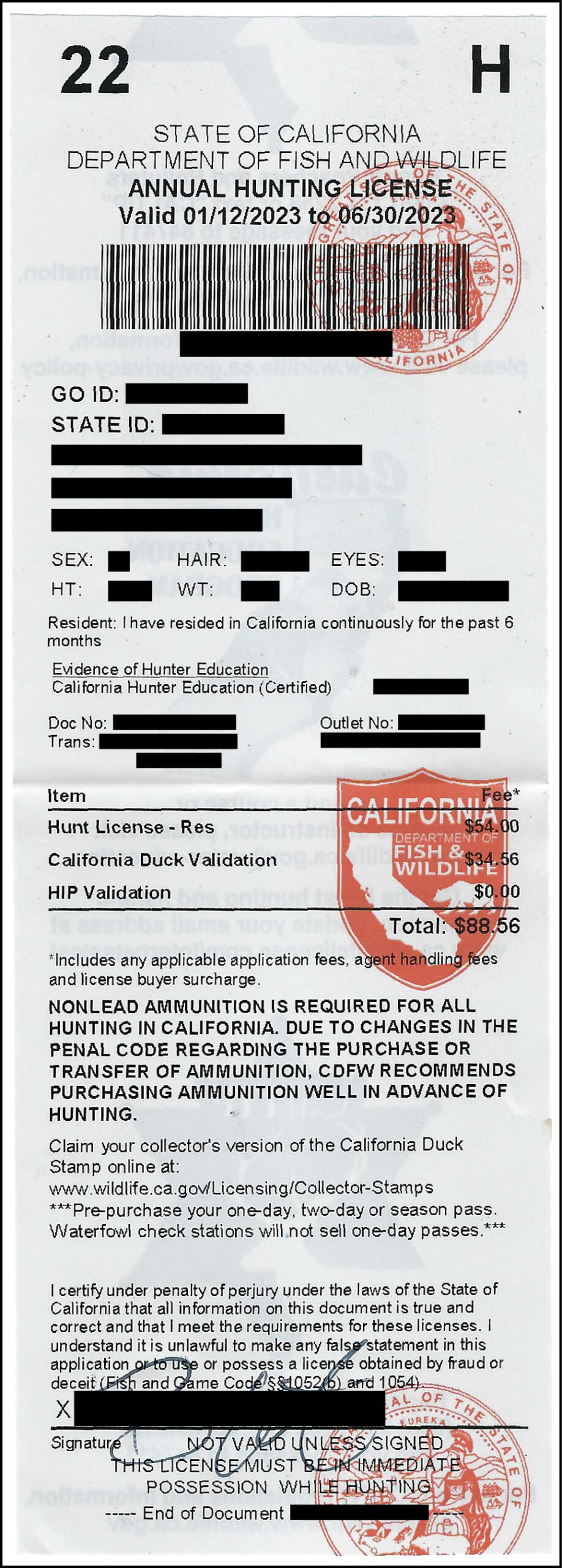
The Hunter Education Requirement: A Prerequisite for California Tourism
Before purchasing a hunting license in California, nearly all first-time hunters must complete a certified hunter education course. This requirement is not just a bureaucratic hurdle; it’s a critical component of promoting safety, ethical hunting practices, and responsible outdoor tourism.
Course Options and Certification
The CDFW-approved hunter education course covers essential topics such as firearm safety, hunting ethics, wildlife identification, conservation principles, and regulations. Courses are typically offered in two main formats:
- Traditional Classroom Courses: These in-person courses involve several hours of instruction, often spread over a weekend, culminating in a written exam and sometimes a practical firearm handling component. They provide direct interaction with experienced instructors and a comprehensive learning environment.
- Online Courses with a Field Day: This hybrid option allows students to complete the didactic portion of the course online at their own pace. Upon completion of the online module, participants must then attend a mandatory “field day” session. The field day typically lasts 4-6 hours and focuses on practical skills, firearm handling, and a review of the material, ending with a final exam. This option offers flexibility, making it convenient for those traveling to California for hunting.
Upon successful completion of either course type, participants receive a Hunter Education Certificate, which is required to purchase a hunting license. The cost for these courses varies, generally ranging from $15 to $50, depending on the provider and format.
Exemptions for Experienced Hunters
There are limited exemptions to the hunter education requirement. Individuals who have previously held a hunting license issued in California or another state, province, or country do not need to retake the course, provided they can furnish proof of that prior license. This exemption acknowledges the experience and knowledge gained by already licensed hunters, ensuring that the requirement primarily targets those new to the sport. It’s crucial to have clear documentation of any prior license when applying.
Where and How to Purchase Your California Hunting License
Once hunter education is completed (if required) and you understand the specific tags and validations needed, purchasing your license is a straightforward process. California offers several convenient avenues for acquisition.
Online Purchases Through CDFW
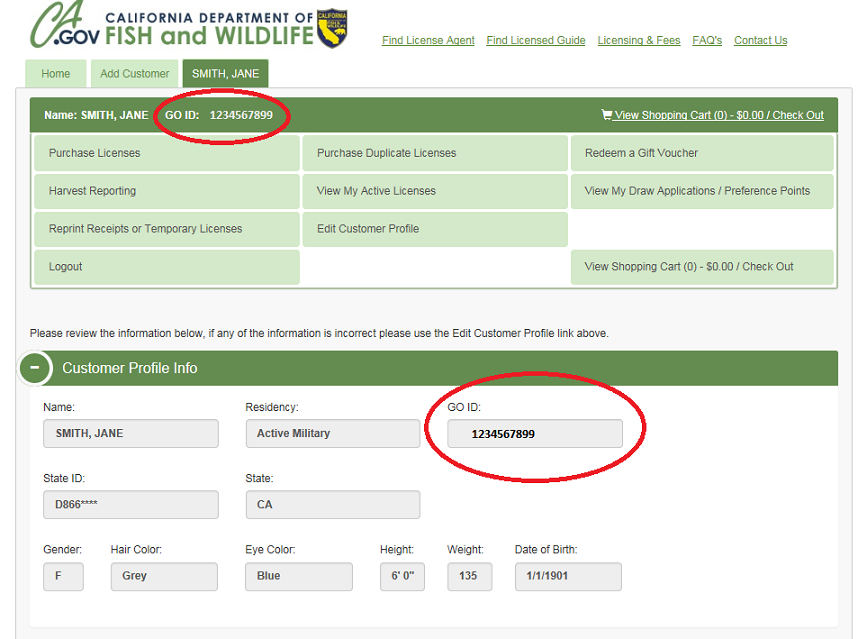
The most popular and convenient method is purchasing licenses and tags directly through the CDFW’s online license sales service. This portal allows hunters to buy their annual license, various tags, and validations from the comfort of their home or while planning their trip. You will need a valid California GO ID (a unique identification number assigned by the CDFW) to make purchases. For first-time buyers, or those needing to prove hunter education, the online system will guide them through the necessary steps. This method is particularly useful for non-resident hunters who can complete their purchases before arriving in California.
Authorized License Agents and Department Offices
For those who prefer in-person transactions or need immediate assistance, licenses and tags can also be purchased at numerous authorized license agents throughout the state. These agents typically include sporting goods stores, bait and tackle shops, and some department stores. They are equipped to process license applications, print licenses, and issue tags. This option can be beneficial for getting local advice on hunting areas or specific regulations. Additionally, CDFW regional offices also sell licenses and tags, offering direct access to department staff for complex inquiries or specific permits. When purchasing in person, remember to bring identification and, if applicable, your Hunter Education Certificate or proof of a prior hunting license.
The Broader Impact: Conservation Through Licensing
The costs associated with hunting licenses, tags, and validations in California are more than just fees; they are direct investments in the state’s natural heritage and the future of its wildlife. Understanding this broader impact enriches the hunting tourism experience, aligning individual activity with collective conservation efforts.
Funding Wildlife Management
A significant portion of the revenue generated from license sales goes directly into funding the CDFW’s extensive wildlife management programs. These programs include habitat restoration and protection, scientific research on animal populations, disease monitoring, law enforcement against poaching, and public education initiatives. By purchasing a license, hunters contribute directly to the health and sustainability of the very resources they enjoy. This user-pay, public-benefit model is a cornerstone of wildlife conservation in North America, ensuring that hunting remains a sustainable activity for generations to come.
Sustainable Tourism and Ethical Hunting Practices
For individuals engaging in hunting as a form of tourism, adhering to licensing requirements and regulations is a fundamental aspect of responsible and ethical practice. The fees and rules are designed to ensure that hunting activities contribute positively to the ecosystem, rather than detracting from it. By securing the proper licenses and following all regulations, hunters help maintain balanced wildlife populations, preserve natural habitats, and ensure that the opportunity to experience [California](https://lifeoutofthebox.com/california]’s incredible outdoors remains available. This commitment to sustainable tourism not only benefits the environment but also enhances the reputation of hunters as responsible stewards of natural resources.
In conclusion, while the financial investment in a California hunting license can vary widely based on individual circumstances and hunting aspirations, each dollar spent contributes to a larger, vital mission: the conservation and responsible management of California’s diverse and invaluable wildlife. Planning ahead, understanding the requirements, and budgeting for the necessary licenses and tags will ensure a compliant, enjoyable, and impactful hunting experience in one of America’s most ecologically rich states.
LifeOutOfTheBox is a participant in the Amazon Services LLC Associates Program, an affiliate advertising program designed to provide a means for sites to earn advertising fees by advertising and linking to Amazon.com. Amazon, the Amazon logo, AmazonSupply, and the AmazonSupply logo are trademarks of Amazon.com, Inc. or its affiliates. As an Amazon Associate we earn affiliate commissions from qualifying purchases.