
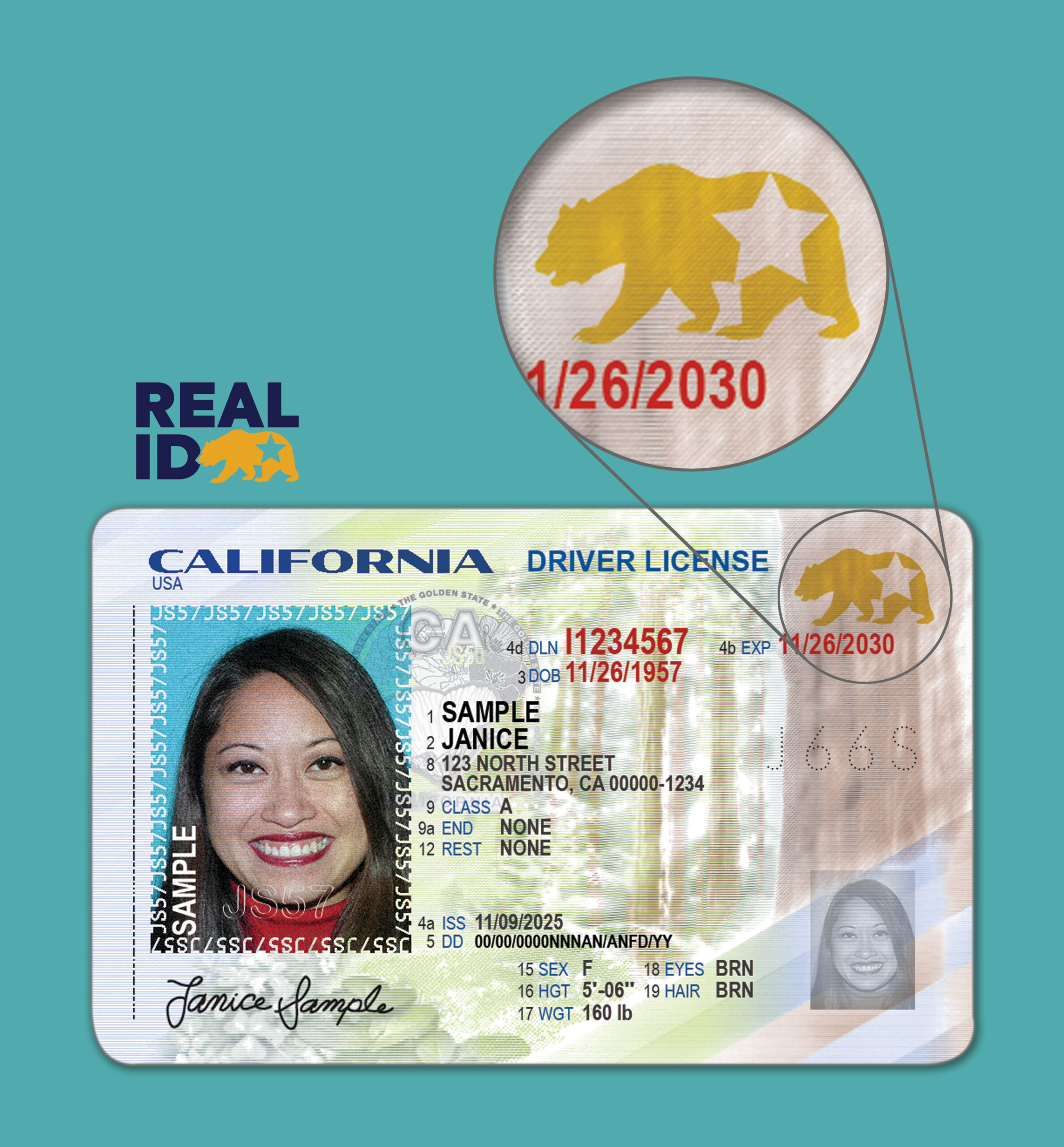
Moving to, or establishing a long-term residence in, California often brings with it a host of practical considerations that shape one’s lifestyle. Among the most fundamental for many is securing a California driver’s license. Beyond merely being a legal requirement for operating a vehicle, it’s an essential component of daily life, impacting everything from commuting to work to exploring the state’s vast landscapes and navigating its diverse communities. Understanding the associated costs and the broader implications for your financial planning and lifestyle integration is crucial for new residents and those re-establishing their lives in the Golden State.
Understanding the Initial Costs
The price of obtaining a California driver’s license is a primary concern for anyone embarking on this process. While the fee itself might seem straightforward, it’s part of a larger financial picture that new residents must consider. These initial fees are standardized by the California Department of Motor Vehicles (DMV) and are subject to change, so always check the official DMV website for the most current figures.
Standard Application Fees
For a typical Class C non-commercial driver’s license, which most individuals will apply for, there is a set application fee. This fee generally covers the cost of processing your application, taking the knowledge test, and, if applicable, the behind-the-wheel driving test. As of recent periods, this fee hovers around $40-$50. It’s important to note that this fee is typically non-refundable and must be paid when you submit your application. This means if you fail any part of the testing process, you might incur additional fees for subsequent attempts, although usually, the initial application fee allows for a few retests within a specific timeframe without an entirely new application fee.
Beyond the Base Fee: What Else to Consider?
While the application fee is the most obvious cost, there are other potential expenses that can subtly impact your overall budget and lifestyle.
- Driving Permit: If you are a new driver or don’t hold an existing license from another state or country that waives the permit requirement, you will first need to obtain a provisional instruction permit. The permit itself usually doesn’t have a separate fee beyond the initial application fee, but it requires a knowledge test.
- Driving School: For many new drivers, especially younger ones or those unfamiliar with California driving laws, enrolling in a licensed driving school is either mandatory (for minors) or highly recommended. The cost of driving lessons can range widely, from a few hundred dollars to over a thousand, depending on the package, instructor, and number of hours. This is a significant lifestyle investment, ensuring safety and competence on California’s diverse roadways, from bustling cities like Los Angeles to the scenic routes of Highway 1.
- Retesting Fees: While the initial application fee usually covers a few attempts at the knowledge and driving tests, exceeding those attempts or letting your application expire will necessitate paying a new application fee. This can add unexpected costs and delays to your lifestyle plans, particularly if you’re on a tight schedule to start driving for work or personal mobility.
- Vehicle Rental for Driving Test: If you don’t own a car or cannot borrow one, you’ll need a roadworthy vehicle for your behind-the-wheel driving test. Some driving schools offer vehicle rental for the test, which comes at an additional cost.
The Application Process: A Lifestyle Perspective
Obtaining a California driver’s license is more than just a financial transaction; it’s a multi-step process that demands time, preparation, and careful planning. For individuals integrating into California life, understanding this journey is vital for managing personal schedules and reducing stress.
Required Documentation and Proof of Residency
The DMV requires a comprehensive set of documents to prove your identity, legal presence, residency in California, and social security number. This typically includes a valid passport or birth certificate, utility bills, rental agreements, and official mail addressed to you at a California address. Gathering these documents can be time-consuming, and missing even one can result in multiple trips to the DMV, disrupting your daily routine and work-life balance. For new residents, establishing proof of residency is often one of the first lifestyle hurdles to overcome.
Preparing for the Knowledge and Driving Tests
Success on the knowledge test requires diligent study of the California Driver Handbook. This can involve setting aside dedicated time for reading and practicing sample tests. For the behind-the-wheel driving test, practice is paramount. This means spending hours driving with a licensed adult, familiarizing yourself with California traffic laws, road signs, and common driving scenarios in your local area, whether that’s the busy streets of San Francisco or the suburban roads of Orange County. This preparation time needs to be factored into your personal and professional schedule.
Time Investment and Convenience Factors
The entire process, from submitting your application to receiving your physical license, can take weeks or even months. Scheduling DMV appointments, especially for driving tests, often requires booking far in advance. Waiting times at walk-in DMV offices can be substantial. For busy professionals or those managing family responsibilities, this time investment can be a significant lifestyle challenge. Utilizing online appointment scheduling and completing as much paperwork as possible beforehand are critical strategies for efficiency.
Renewal and Other Associated Expenses
Obtaining your initial license is just one step. Throughout your time as a California resident, there will be ongoing costs and processes associated with maintaining your driving privileges.

Keeping Your License Current
A standard California driver’s license is typically valid for five years. Before its expiration, you’ll need to renew it. The renewal fee is comparable to the initial application fee, usually in the same $40-$50 range. Many renewals can now be completed online, which is a significant convenience and lifestyle benefit, saving a trip to the DMV. However, some renewals may require an in-person visit, especially if a new photograph is needed or if there are specific legal requirements. Missing the renewal deadline can lead to complications and potential penalties, impacting your ability to drive and potentially your insurance rates.
Replacements, Changes, and Reinstatements
Life changes often necessitate updates to your driver’s license.
- Lost or Stolen License: Replacing a lost or stolen license incurs a fee, typically around $30-$35. This is an unexpected cost that, while not exorbitant, can add up if it happens repeatedly.
- Address or Name Change: While updating your address or name on your license may not always require a fee, obtaining a new physical card reflecting these changes usually does, at a similar cost to a replacement.
- Reinstatement Fees: Should your license be suspended or revoked for various reasons (e.g., traffic violations, DUIs), reinstating it involves not only resolving the underlying issues but often paying substantial reinstatement fees that can run into hundreds of dollars. This is a significant financial and lifestyle burden that highlights the importance of responsible driving.
Special Licenses and Endorsements
For those whose lifestyle or profession demands more than a standard Class C license, additional fees and processes apply.
- Motorcycle Endorsement: Adding a motorcycle endorsement to your existing license or obtaining a standalone motorcycle license involves its own tests and an additional fee, often similar to the standard application fee.
- Commercial Driver’s License (CDL): Obtaining a CDL is a considerably more expensive and rigorous process, with higher application fees, often over $100, and requiring specialized training and testing. This is a business and lifestyle decision for professional drivers.
Financial Planning for California Living
Integrating the cost of a California driver’s license into your broader financial and lifestyle planning is essential for a smooth transition and sustainable living in the state.
Budgeting for Transportation in California
Beyond the license itself, owning and operating a vehicle in California comes with significant costs.
- Vehicle Registration: Annual registration fees vary based on vehicle value and other factors but can range from hundreds of dollars per year.
- Auto Insurance: California has some of the highest auto insurance rates in the nation, reflecting factors like population density, traffic congestion, and repair costs. This is a major recurring expense that profoundly impacts your monthly budget and lifestyle choices.
- Fuel Costs: California consistently has some of the highest gasoline prices in the United States.
- Maintenance and Parking: Regular vehicle maintenance and, particularly in urban areas like San Diego or San Jose, parking fees can add up quickly.
These transportation costs collectively represent a significant portion of a California resident’s budget, making the initial driver’s license cost seem small in comparison but serving as the gateway to these larger expenses.
Long-term Implications for Residents and Newcomers
For newcomers, understanding these costs upfront allows for better financial preparation. For long-term residents, factoring in renewal fees and potential retesting or replacement costs is part of routine financial management. A driver’s license is not just a piece of plastic; it’s a critical tool for independence, employment, and social engagement in California. Its cost and the associated expenses are intrinsic to the lifestyle of virtually every driving resident.
Navigating the DMV Experience
While the financial aspect is tangible, the process of dealing with the DMV can often be the most challenging part of obtaining or renewing a license. Streamlining this experience is crucial for maintaining a balanced lifestyle.
Tips for Efficiency and Stress Reduction
- Make an Appointment: Always schedule appointments online for in-person services whenever possible. This significantly reduces waiting times compared to walk-ins.
- Arrive Prepared: Double-check that you have all required documents before your visit. Incomplete documentation is the leading cause of wasted trips.
- Study the Handbook: Thoroughly review the California Driver Handbook. Knowing the rules not only helps you pass tests but makes you a safer driver, impacting your daily commute and safety.
- Practice Driving: If taking the driving test, practice consistently and familiarize yourself with potential test routes in your area.
Online Resources and Appointments
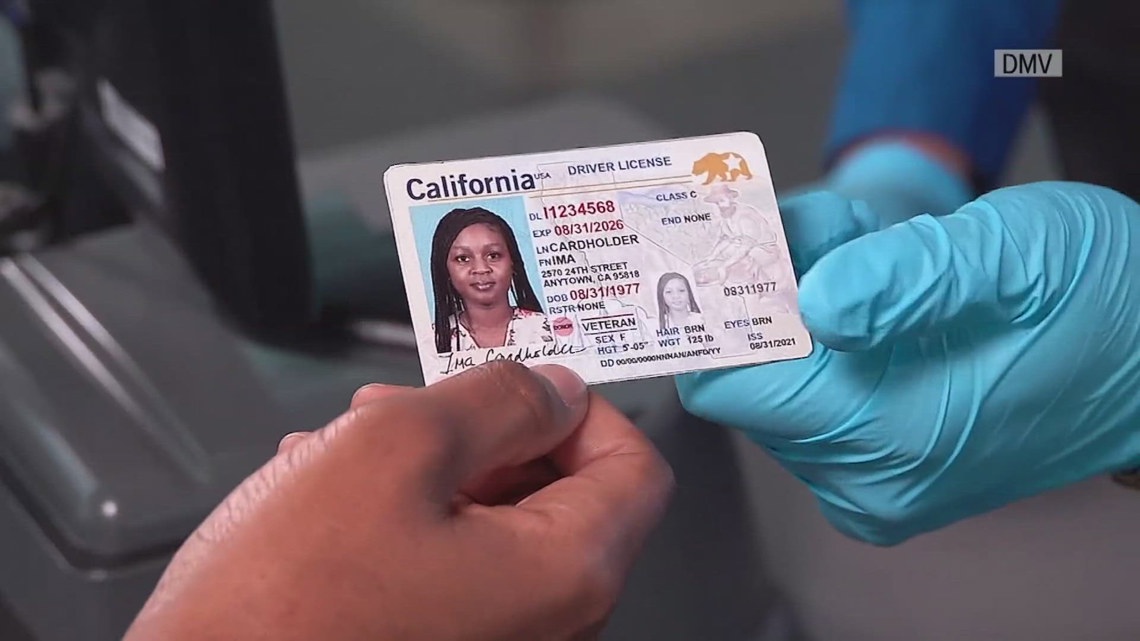
The California DMV website is an invaluable resource. Many transactions, such as renewals, address changes, and even knowledge test practice, can be completed online, saving significant time and effort. Leveraging these digital tools is key to minimizing disruption to your lifestyle and making the licensing process as efficient as possible. By understanding the costs, preparing for the process, and utilizing available resources, navigating the path to a California driver’s license can be a manageable part of establishing your life in this dynamic state.
LifeOutOfTheBox is a participant in the Amazon Services LLC Associates Program, an affiliate advertising program designed to provide a means for sites to earn advertising fees by advertising and linking to Amazon.com. Amazon, the Amazon logo, AmazonSupply, and the AmazonSupply logo are trademarks of Amazon.com, Inc. or its affiliates. As an Amazon Associate we earn affiliate commissions from qualifying purchases.