
Understanding Capital Gains in the Golden State’s Lifestyle
For anyone considering investment or property ownership within the vibrant landscape of California, understanding capital gains tax is a critical component of financial planning and lifestyle management. Capital gains refer to the profit you make from selling an asset that has increased in value. This could be anything from stocks and bonds to real estate, art, or even a successful business. In a state renowned for its dynamic economy, innovative industries, and high-value real estate markets, the implications of these taxes are particularly significant for residents and investors alike.
California’s unique position, characterized by robust economic activity and desirable living conditions, often translates into appreciating asset values. This makes the state an attractive location for investment, but it also means that the potential tax burden on profits can be substantial. The overall tax structure here is complex, involving both federal and state considerations, making it essential for individuals to navigate these waters with informed strategies. Whether you’re a burgeoning entrepreneur in San Francisco, a real estate mogul in Beverly Hills, or simply an individual managing their personal investment portfolio, grasping the nuances of capital gains tax is fundamental to optimizing your financial lifestyle.
Federal Capital Gains Tax Rates: Impacting Your Investment Lifestyle
Before delving into California’s specific rules, it’s crucial to first understand the federal capital gains tax framework, as it applies uniformly across the United States. The federal government distinguishes between two primary types of capital gains: short-term and long-term. This distinction is based on how long you’ve held the asset before selling it, and it significantly impacts the tax rate applied.
Short-Term vs. Long-Term Gains
- Short-Term Capital Gains: These are profits from assets held for one year or less. These gains are taxed at your ordinary income tax rates, which can range from 10% to 37% as of current federal tax law. For individuals involved in active trading or short-term property flipping, these higher rates can dramatically affect profitability and necessitate careful planning to maintain a desired financial lifestyle.
- Long-Term Capital Gains: These are profits from assets held for more than one year. The tax rates for long-term capital gains are generally more favorable, typically 0%, 15%, or 20%, depending on your taxable income. This preferential treatment encourages long-term investment and wealth building, aligning with a lifestyle focused on sustained financial growth rather than rapid, speculative gains.
Income Brackets and Tax Rates
The specific federal long-term capital gains tax rate you pay depends directly on your taxable income. For instance, lower-income brackets might qualify for a 0% rate on long-term gains, offering a significant advantage for those managing their wealth in a more conservative financial lifestyle. Middle-income earners typically fall into the 15% bracket, while high-income individuals and couples face the 20% rate. Understanding where your income places you within these brackets is fundamental for projecting your tax liability and making informed investment decisions.
Net Investment Income Tax (NIIT)
Beyond the standard federal capital gains rates, certain high-income individuals may also be subject to the Net Investment Income Tax (NIIT). This is a 3.8% tax on net investment income (which includes capital gains) for individuals with modified adjusted gross income (MAGI) above certain thresholds (e.g., $200,000 for single filers or $250,000 for married filing jointly). This additional tax layer is particularly relevant for affluent individuals and families in California whose lifestyle often includes substantial investment portfolios, adding another dimension to their tax planning considerations.
California’s Specific Capital Gains Tax Landscape
This is where California truly differentiates itself. Unlike the federal government, the State of California does not have a separate, lower tax rate for long-term capital gains.
Capital Gains Taxed as Ordinary Income
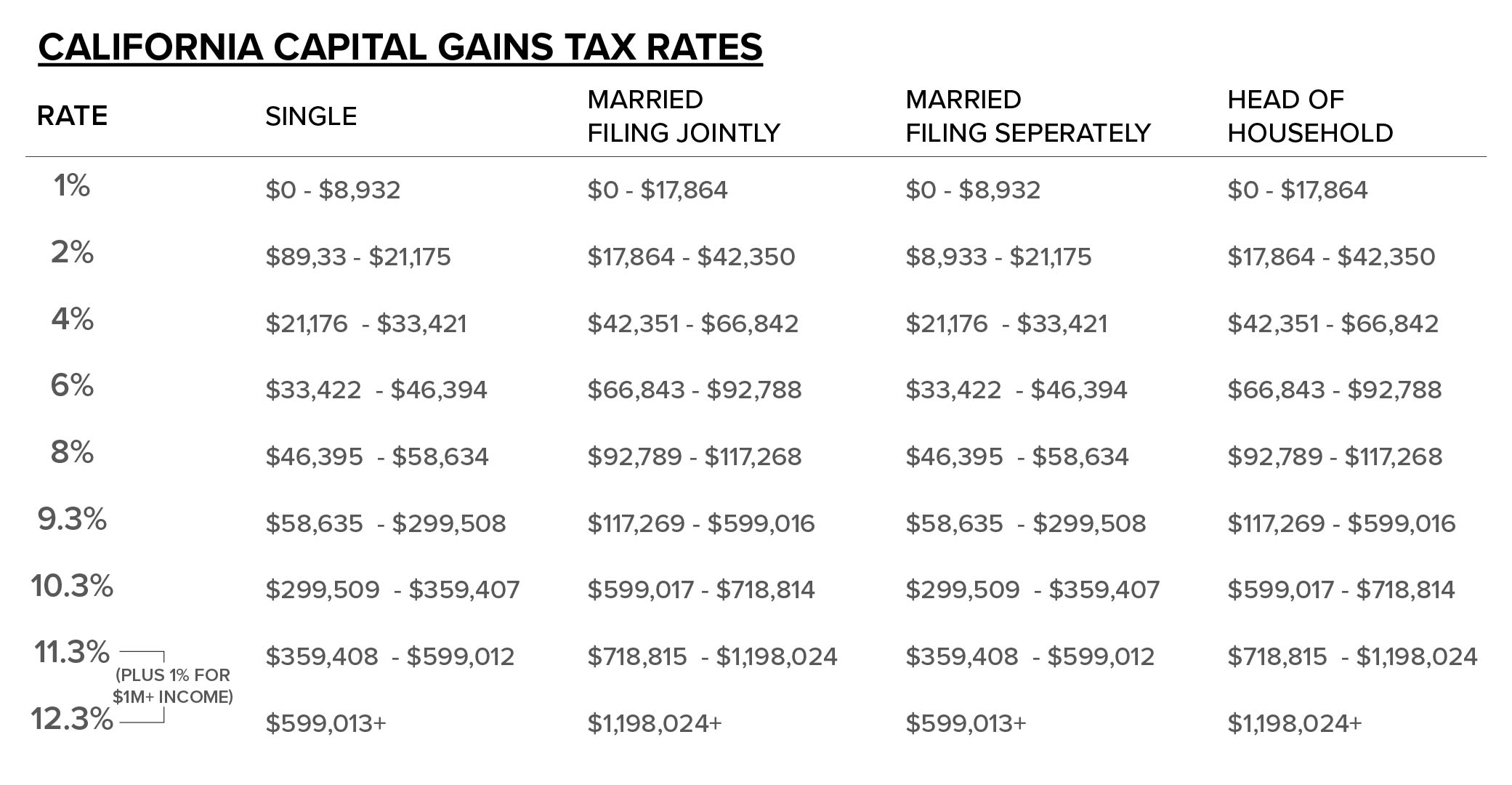
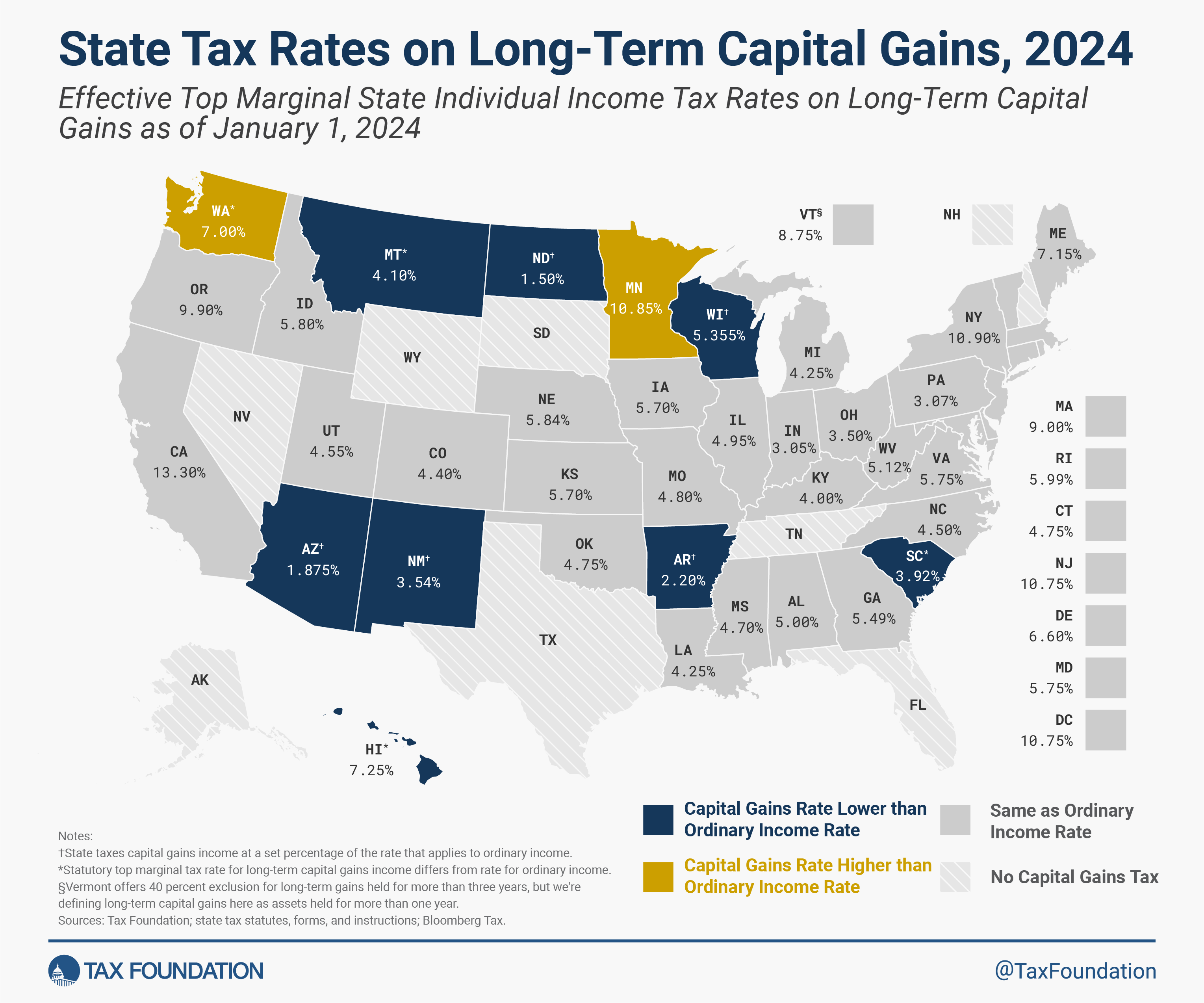
In California, both short-term and long-term capital gains are treated as ordinary income and are subject to the state’s regular income tax rates. This is a crucial distinction that often surprises newcomers or those unfamiliar with California’s tax code. The implication is that any profit you realize from selling an appreciated asset will be added to your other income (like wages, salaries, or business profits) and taxed according to the state’s progressive income tax brackets.
Marginal Tax Brackets in California
California has one of the highest state income tax rates in the United States, with marginal rates reaching up to 13.3% for the highest earners. When you combine this top state rate with the federal rate (which could be up to 20% for long-term gains plus the 3.8% NIIT for high earners), the total effective capital gains tax rate in California can be significant, potentially exceeding 37% for the wealthiest residents. This reality profoundly influences investment strategies, property ownership decisions in places like Malibu or Lake Tahoe, and the overall financial lifestyle planning for those residing in or investing in the state. For instance, selling a vacation home in Palm Springs after years of appreciation could incur a substantial tax liability.
Examples of California Lifestyle Investments Subject to Capital Gains
Virtually any asset that appreciates in value and is sold for a profit will be subject to these rules. Common examples relevant to a California lifestyle include:
- Real Estate: Selling a primary residence (beyond the federal exclusion), a second home, a rental property in Los Angeles, or raw land.
- Stocks, Bonds, and Mutual Funds: Profits from your investment portfolio.
- Collectibles: Art, antiques, rare coins, or classic cars often appreciated by connoisseurs enjoying a luxury lifestyle.
- Business Interests: Selling an ownership stake in a Silicon Valley startup or any other private business.
Strategies for Managing Capital Gains within a California Lifestyle
Given California’s tax structure, proactive planning is not just advisable—it’s essential. Several strategies can help mitigate the impact of capital gains taxes, allowing individuals to retain more of their investment returns and support their desired lifestyle.
Primary Residence Exclusion
One of the most significant tax breaks available to homeowners is the primary residence exclusion, particularly relevant in California’s high-value real estate market. Under Section 121 of the federal tax code, you can exclude up to $250,000 of capital gain from the sale of your primary home ($500,000 if married filing jointly). To qualify, you must have owned and lived in the home as your main residence for at least two out of the five years preceding the sale. This exclusion can drastically reduce the tax burden for many California homeowners who benefit from substantial appreciation over time, preserving wealth for other lifestyle pursuits or future housing.
Tax-Loss Harvesting
A common strategy for investors is tax-loss harvesting. This involves selling investments at a loss to offset capital gains. If your capital losses exceed your capital gains, you can deduct up to $3,000 of the remaining loss against your ordinary income each year, carrying forward any additional losses to future years. This is a valuable tool for managing annual tax liabilities and optimizing an investment-focused lifestyle.
Long-Term Holding Strategy
While California doesn’t offer a lower state tax rate for long-term gains, holding assets for over a year still qualifies you for the more favorable federal long-term capital gains rates (0%, 15%, or 20%). For individuals prioritizing long-term wealth accumulation, this strategy aligns with a patient and disciplined investment lifestyle, allowing assets to compound over time while benefiting from lower federal tax rates.
Opportunity Zones
The federal Opportunity Zone program offers tax incentives for investments in designated economically distressed communities. Investors can defer, and in some cases, reduce or eliminate capital gains taxes by reinvesting those gains into Qualified Opportunity Funds (QOFs) that invest in these zones. While the program is federal, many California communities, including parts of Los Angeles, Oakland, and San Diego, are designated Opportunity Zones. This presents a unique avenue for investors seeking to defer taxes while contributing to community revitalization, a socially conscious investment lifestyle.
1031 Exchanges (Like-Kind Exchanges)
For real estate investors, a 1031 exchange (also known as a like-kind exchange) is an invaluable tool for deferring capital gains taxes. It allows investors to swap one investment property for another of a “like kind,” postponing the tax bill until the replacement property is eventually sold. This strategy is frequently employed by those building a real estate portfolio, enabling them to continually reinvest profits without immediate tax implications, fostering a lifestyle of continuous property acquisition and growth. Strict rules apply, including specific timelines for identifying and closing on replacement properties, making professional guidance indispensable.
Important Considerations for California Residents and Investors
Navigating capital gains tax in California requires a comprehensive understanding of both federal and state regulations. The high state income tax rates mean that every dollar of capital gain can have a significant impact on your overall financial well-being.
Professional Advice is Key
Given the complexities, consulting with a qualified financial advisor, tax professional, or accountant specializing in California tax law is highly recommended. They can provide personalized advice tailored to your unique financial situation and lifestyle goals, helping you optimize your investment strategies and minimize your tax burden.
Impact on Retirement Planning
Capital gains can significantly impact your retirement savings and planning. Understanding how selling appreciated assets, whether individual stocks or a business, will affect your taxable income in retirement years is crucial. Strategic timing of asset sales can help manage your tax bracket in different phases of your life, supporting a comfortable post-work lifestyle.
Relocation Considerations
For those considering a move to or from California, the state’s tax residency rules are complex and can have substantial implications for capital gains on assets held while a California resident. Even after moving out of state, California may still claim a right to tax gains on assets derived from sources within the state. This highlights the importance of expert advice when major lifestyle changes involving residency are contemplated.

Understanding Basis
Always maintain meticulous records of your asset’s cost basis, which includes the original purchase price plus any capital improvements. A higher basis results in a lower taxable gain. Accurately tracking your basis is fundamental to correctly calculating your capital gains and avoiding overpayment of taxes.
Ultimately, while California’s approach to capital gains taxation might seem daunting due to its higher rates, a proactive and informed approach, coupled with strategic planning, can help individuals effectively manage their tax liabilities and continue to thrive in their desired California lifestyle.
LifeOutOfTheBox is a participant in the Amazon Services LLC Associates Program, an affiliate advertising program designed to provide a means for sites to earn advertising fees by advertising and linking to Amazon.com. Amazon, the Amazon logo, AmazonSupply, and the AmazonSupply logo are trademarks of Amazon.com, Inc. or its affiliates. As an Amazon Associate we earn affiliate commissions from qualifying purchases.