
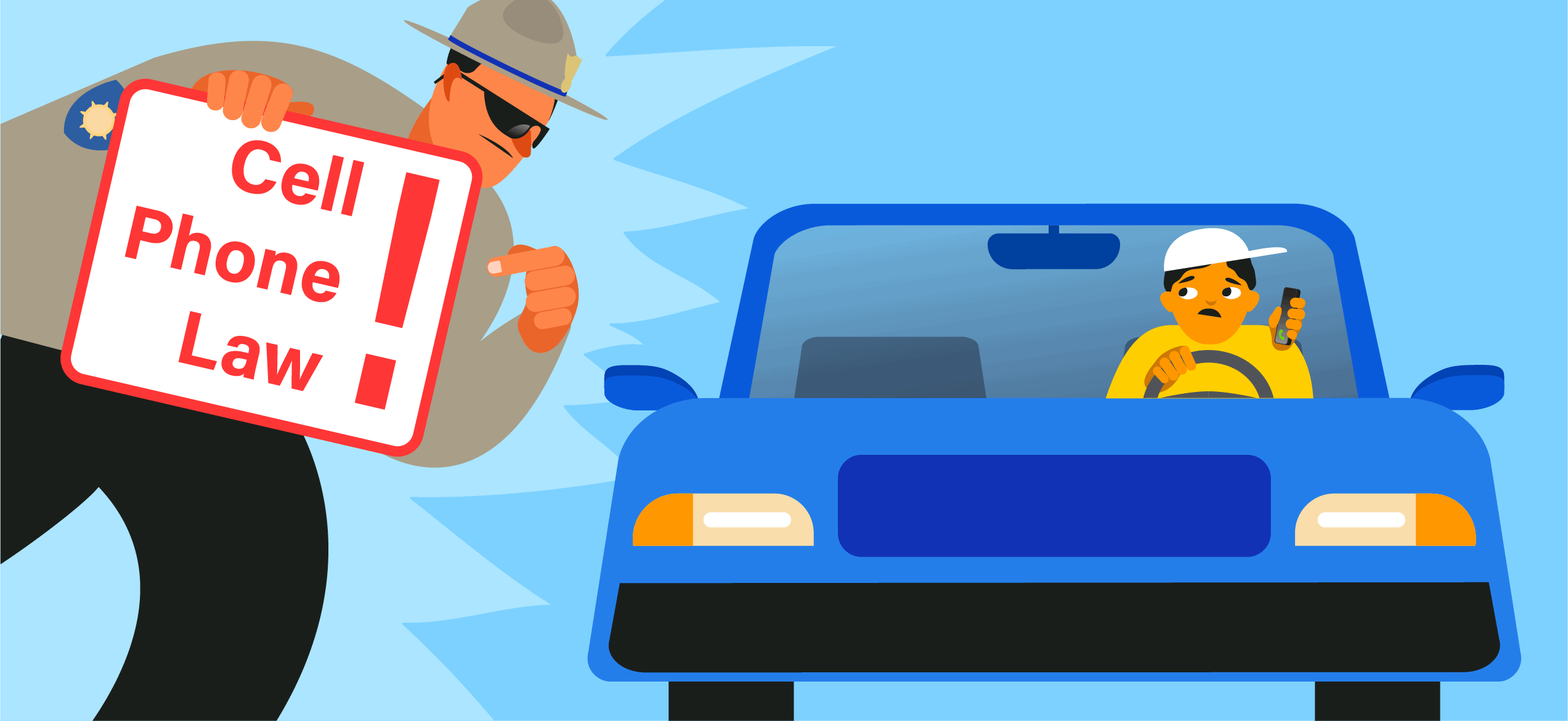
Venturing through the scenic routes and vibrant cities of California offers an unparalleled travel experience, from the rugged beauty of the Pacific Coast Highway to the bustling energy of Los Angeles and the iconic landmarks of San Francisco. However, for those planning to drive themselves through the Golden State, understanding local traffic laws, particularly those pertaining to cell phone use, is paramount. A momentary lapse in judgment can quickly transform into a costly “ticket for cell phone” that significantly impacts your travel budget and overall enjoyment. This guide delves into the specifics of California’s cell phone laws, the financial implications of a violation, and essential tips for ensuring a smooth, compliant, and safe journey.
Navigating California’s Roads: Understanding Cell Phone Laws for Travelers
California has been at the forefront of implementing stringent laws aimed at reducing distracted driving, recognizing the severe risks posed by cell phone use behind the wheel. These regulations are designed to protect not only the driver but also passengers, pedestrians, and other motorists, ensuring that everyone can enjoy the state’s roads safely. For travelers unfamiliar with these specific rules, a quick refresher can save considerable hassle and expense.
The primary statutes governing cell phone use while driving in California are found in the California Vehicle Code (CVC). There are two key laws to be aware of:
The Handheld Device Ban (CVC 23123.5)
Since 2009, it has been illegal to drive a motor vehicle while holding and operating a cell phone or any other wireless communication device. This means you cannot hold your phone to make a call, text, check directions, or even adjust music. The intent is to keep both hands on the wheel and your focus entirely on the road. This law applies to all drivers, regardless of age. For instance, if you’re cruising down a scenic highway near San Diego and decide to snap a quick photo with your phone, even at a red light, you could be cited. The definition of “holding and operating” is broad, encompassing virtually any interaction that requires you to physically hold the device.
The Texting While Driving Ban (CVC 23123)
While largely covered by the handheld ban, this specific law further emphasizes the prohibition against reading, writing, or sending text-based communications while driving. This includes text messages, instant messages, emails, and any other similar form of electronic communication. The dangers of texting are well-documented; it significantly diverts a driver’s attention, making them far more likely to be involved in a collision. Even a quick glance at a notification can be enough to miss a critical road hazard.
Special Rules for Young Drivers
For drivers under the age of 18, California has an even stricter “hands-free” law (CVC 23124). Minors are prohibited from using a wireless telephone or an electronic wireless communication device to speak or text while driving, even if it is hands-free. This means no Bluetooth devices, no integrated car systems for phone calls – absolutely no phone interaction while operating a vehicle for young drivers. While many travelers will be over 18, it’s a crucial point for families traveling with new drivers or those renting vehicles for younger family members.
These laws reflect California’s commitment to road safety. Ignorance of the law is not a defense, especially for visitors. Therefore, understanding and adhering to these regulations is not just about avoiding fines, but about contributing to a safer environment for everyone on the road, whether you’re navigating the bustling streets of Sacramento or the winding paths near Yosemite National Park.
The Financial Impact: Breaking Down Cell Phone Ticket Costs
The cost of a cell phone ticket in California is not as straightforward as a simple base fine. It quickly escalates due to various fees, assessments, and potential long-term consequences, making it a significant unplanned expense for any traveler. Understanding this tiered cost structure is crucial for appreciating the true financial ramifications.
Base Fine vs. Total Cost
The base fine for a cell phone violation in California is relatively low, typically starting at $20 for a first offense and $50 for subsequent offenses. However, this base fine is just the tip of the iceberg. What most people don’t realize is that state and county surcharges, court fees, penalty assessments, and other administrative costs are added on top, inflating the total payable amount significantly.
For a first offense, the total cost, including all these add-ons, usually ranges from $150 to $250. This can vary slightly depending on the specific county where the citation is issued. For instance, a ticket received in San Jose, the heart of Silicon Valley, might have slightly different local assessments than one issued in a more rural part of the state.
Subsequent Offenses
The penalties increase for subsequent violations within an 18-month period. While the base fine for a second or third offense rises to $50, the total cost, with all the additional fees, can easily exceed $300 to $400. These escalating costs are a clear deterrent, emphasizing the state’s zero-tolerance policy towards repeat offenders.
Other Potential Costs and Impacts
Beyond the immediate fine, there are other financial and logistical implications that can arise from a cell phone ticket:
- Traffic School: In some cases, and for a first offense, you might be eligible to attend traffic school. Successfully completing traffic school can prevent the point from appearing on your driving record. However, traffic school itself incurs an additional fee, typically ranging from $20 to $70, on top of the original ticket cost. Moreover, it requires time, which can be a valuable commodity for travelers.
- Insurance Premium Hikes: While a cell phone ticket is a “point” violation on your driving record in California (it typically carries one point), it generally does not directly impact insurance premiums for out-of-state drivers in the same way it might for California residents. However, if your home state’s Department of Motor Vehicles (DMV) receives notification of the violation, it could potentially affect your insurance rates upon renewal, depending on your policy and state’s regulations. This is a less common but still possible outcome.
- Time and Stress: Dealing with a traffic ticket while on vacation can be incredibly stressful. It might involve court appearances (if you choose to contest it), online payment processes, or communication with the local court system, all of which can eat into precious travel time and enjoyment. Imagine having to interrupt your visit to Disneyland or a drive across the Golden Gate Bridge to handle a legal matter.
The cumulative cost of a cell phone ticket, when factoring in the base fine, assessments, potential traffic school, and the intangible cost of stress and lost time, can easily become one of the most expensive souvenirs from your California trip.
Avoiding the Fine: Essential Tips for Drivers in the Golden State
Preventing a cell phone ticket in California is entirely achievable with a few simple precautions and adherence to the state’s clear regulations. For travelers, adopting these habits ensures a smooth, worry-free journey and allows you to focus on the beauty and excitement of your destination.
Embrace Hands-Free Technology
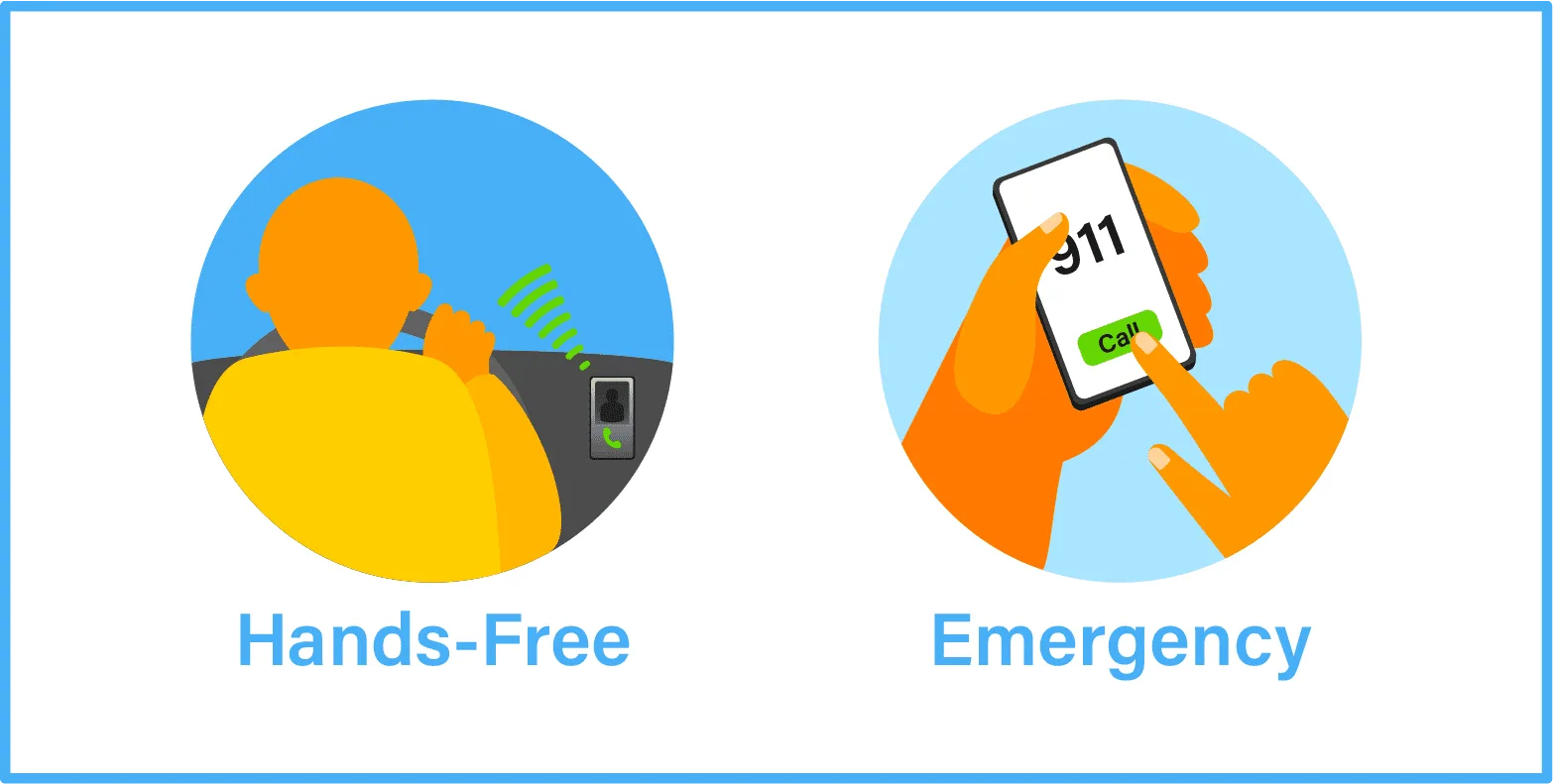
California law permits the use of wireless communication devices if they are operated in a hands-free manner. This is the cornerstone of safe and legal phone use while driving.
- Bluetooth Devices: Connect your phone to your vehicle’s Bluetooth system or use a standalone Bluetooth earpiece. This allows you to make and receive calls, and often stream audio, without ever touching your phone.
- Integrated Car Systems: Modern rental cars often come equipped with advanced infotainment systems like Apple CarPlay or Android Auto. These systems integrate your phone’s functions (navigation, calls, messages, music) directly into the car’s display and controls, allowing for voice commands and steering wheel button interactions.
- Mount Your Phone: If your vehicle lacks integrated Bluetooth or advanced car systems, use a dashboard or windshield mount for your phone. This keeps the phone visible for navigation but prevents you from holding it. Ensure the mount doesn’t obstruct your view of the road.
Remember, even with hands-free technology, the law still requires you to use a single tap or swipe to activate or deactivate a function. Engaging in extensive manipulation or scrolling on your device, even if mounted, could still be interpreted as distracted driving and lead to a citation.
Specific Prohibitions to Keep in Mind
To avoid any ambiguity, be mindful of what is explicitly forbidden:
- Holding Your Phone: This is the most common violation. Do not hold your phone for any reason while driving, whether to make a call, text, check social media, or even look at the time.
- Texting/Typing: Absolutely no reading, writing, or sending text-based messages while the vehicle is in motion, or even stopped at a light.
- Watching Videos or Browsing: Engaging with video content or browsing the internet on your phone while driving is highly illegal and incredibly dangerous.
When It’s Permissible (with caution)
There are limited exceptions to California’s cell phone laws:
- Emergency Calls: You are permitted to use a handheld device to make an emergency call to law enforcement, a medical provider, the fire department, or other emergency services.
- Roadside Assistance: Similar to emergency calls, contacting roadside assistance for a breakdown is generally permissible.
- Private Property: The laws primarily apply to public roadways. While driving on private property (e.g., a large parking lot), the rules might not strictly apply, but it’s always safest to avoid distractions.
- Pulled Over Safely: If you need to make a non-emergency call or perform an action on your phone, pull over to a safe location off the roadway. This includes parking lots or designated rest stops.
Utilizing Navigation Apps Safely
Navigation apps are indispensable for travelers exploring California’s vast landscape. To use them legally and safely:
- Set Destination Before Driving: Always input your destination and start your navigation before you begin driving.
- Voice Commands: Rely on voice commands as much as possible to interact with your navigation system or phone.
- Mounted Device: Ensure your phone is securely mounted in a location that doesn’t obstruct your view, allowing for quick, single-tap glances if necessary.
By proactively adopting these practices, you can fully enjoy the freedom of exploring California by car without the looming worry of an unexpected and costly cell phone ticket.
Beyond the Ticket: The Broader Implications for Your Trip
While the monetary cost of a cell phone ticket is a tangible concern, the implications extend far beyond the immediate fine, potentially affecting the overall quality and enjoyment of your California travel experience. Recognizing these broader impacts underscores why vigilance behind the wheel is so crucial for visitors.
Impact on Travel Budget
An unexpected expense of $150 to $400 for a cell phone ticket can significantly strain a meticulously planned travel budget. This money could have been allocated to enriching experiences, such as an extra night in a boutique hotel, a gourmet meal in Napa Valley, tickets to a theme park, or even fuel for further exploration. Instead, it becomes a non-negotiable payment, diverting funds from activities that create positive memories. For budget-conscious travelers, such a fine can force difficult choices, potentially cutting short other planned excursions or necessitating compromises elsewhere in the trip.
Time Lost Dealing with Citations
Time is a precious commodity, especially when traveling. Dealing with a traffic citation invariably consumes valuable time that could otherwise be spent sightseeing, relaxing, or engaging in local culture. Whether it’s the time taken by the initial traffic stop, researching how to pay the fine, or potentially attending traffic school or a court hearing (if you contest the ticket), these administrative burdens eat into your vacation days. For international travelers, the complexities can be even greater, involving currency conversions, navigating foreign legal systems, and potential delays in processing payments from abroad. This interruption can disrupt itineraries, cause stress, and detract from the leisure aspect of your trip.
Safety Concerns and Accident Risk
The fundamental reason for California’s strict cell phone laws is safety. Distracted driving is a leading cause of accidents. Engaging with your phone, even for a moment, significantly impairs your reaction time, situational awareness, and ability to process critical road information. For travelers, who may be navigating unfamiliar roads, complex intersections, or heavy traffic in cities like San Francisco, the risk of an accident is heightened. Beyond the legal and financial penalties, the most severe consequence of distracted driving is the potential for injury, property damage, or even fatality. A ruined vehicle, medical emergencies, or legal liabilities can transform a dream vacation into a nightmare, with far-reaching consequences that dwarf any traffic fine.
Maintaining a Positive Travel Experience
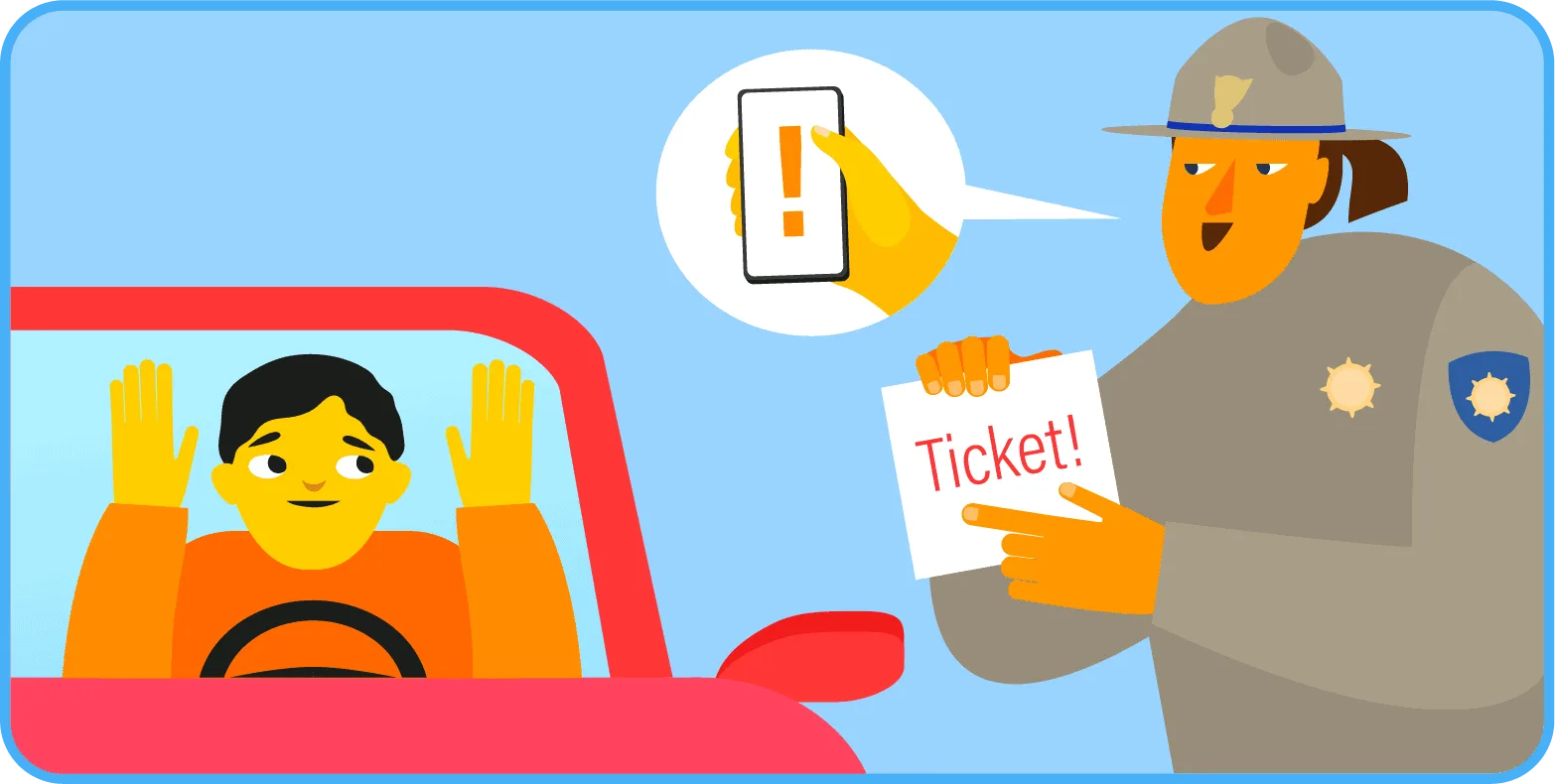
Ultimately, travel is about creating positive memories, discovering new places, and enjoying a change of scenery. A cell phone ticket, or worse, an accident due to distracted driving, can cast a long shadow over your entire trip. The stress, financial burden, and potential for harm can undermine the joy and relaxation that travel is meant to provide. By simply committing to hands-free cell phone use, travelers can significantly reduce these risks, ensuring that their focus remains on the breathtaking landscapes, vibrant cities, and unique experiences that make California such a beloved destination. Prioritizing safe driving is an investment in a truly memorable and positive journey.
LifeOutOfTheBox is a participant in the Amazon Services LLC Associates Program, an affiliate advertising program designed to provide a means for sites to earn advertising fees by advertising and linking to Amazon.com. Amazon, the Amazon logo, AmazonSupply, and the AmazonSupply logo are trademarks of Amazon.com, Inc. or its affiliates. As an Amazon Associate we earn affiliate commissions from qualifying purchases.