
Understanding property tax in California is crucial for anyone considering making the Golden State their long-term home, investing in real estate, or even purchasing a vacation property. Far from a simple calculation, California’s property tax system is unique, largely shaped by historical legislation that has significant implications for budgeting, financial planning, and overall lifestyle choices. For prospective homeowners, seasoned investors, or those simply exploring the cost of living, grasping these nuances is essential to navigating one of the nation’s most dynamic housing markets.
Understanding California’s Unique Property Tax Landscape
The foundation of California’s property tax system is unlike most other states, primarily due to the landmark legislation of Proposition 13 passed in 1978. This proposition fundamentally altered how property values are assessed and how taxes are calculated, providing a level of predictability and stability to homeowners but also creating a complex system that can be challenging to understand at first glance.
Proposition 13: The Foundation
Proposition 13 established two key limitations:
- Tax Rate Cap: The basic property tax rate is capped at 1% of the property’s assessed value. This means that, unlike in many other states where rates can fluctuate significantly, California homeowners benefit from a relatively stable base rate.
- Assessed Value Growth Limit: The assessed value of a property can only increase by a maximum of 2% per year, regardless of how much the market value might appreciate. This cap remains in effect until the property changes ownership. Upon a change of ownership, the property is reassessed to its current market value, which then becomes the new base year value for future calculations. This provision has profoundly impacted housing affordability and mobility, often encouraging homeowners to stay in their properties longer.
Base Year Value and Annual Adjustments
When you purchase a property in California, its sale price generally becomes its “base year value.” This value then serves as the starting point for all subsequent property tax calculations. Each year, the assessed value can increase by the lesser of 2% or the annual change in the California Consumer Price Index (CPI). This annual adjustment mechanism provides a predictable, albeit slow, increase in property tax liability for long-term homeowners, making budgeting somewhat easier over time. However, this also means that two identical homes on the same street could have vastly different property tax bills if one has been owned for decades and the other was recently purchased.
Supplemental Assessments
Another unique aspect of California property tax is the concept of supplemental assessments. When a property changes ownership or new construction is completed, it triggers a reassessment to current market value. If this event occurs mid-year, the new assessed value will differ from the old one, leading to a supplemental tax bill or refund. This supplemental assessment covers the difference between the old and new assessed values for the remaining portion of the fiscal year, ensuring that taxes are collected based on the new valuation from the date of the event. It’s an often-overlooked cost that new buyers should factor into their initial budgets.
Calculating Your Property Tax Bill
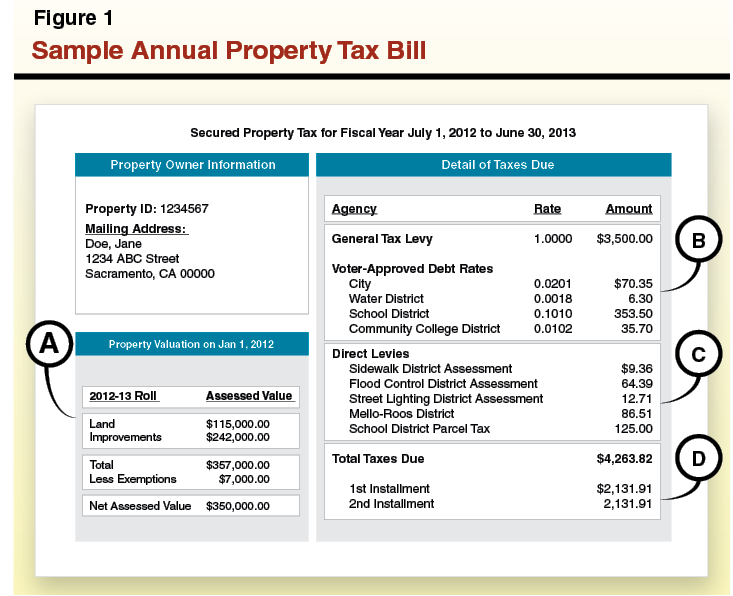
While Proposition 13 provides a fundamental framework, the actual property tax bill in California comprises several components beyond the base 1% rate. Understanding these additions is crucial for an accurate financial projection, especially when evaluating different regions for lifestyle choices.
The 1% Base Rate
The core of your property tax calculation is the 1% base rate applied to your property’s assessed value. So, if your home is assessed at $700,000, the base property tax would be $7,000 annually. This portion typically goes to the county general fund and is distributed to local services like schools, fire departments, and other essential public services. This predictable component provides a baseline for financial planning, making it a key factor for those considering long-term residency.
Local Bond Indebtedness and Special Assessments
In addition to the base rate, homeowners will see various local bond indebtedness and special assessments on their tax bills. These are voter-approved levies for specific public projects or services, such as school construction, park improvements, or local infrastructure upgrades. These rates are typically expressed as a percentage of the assessed value or a flat fee per parcel, and they vary significantly by county, city, and even specific neighborhood. While individually small, these can collectively add another 0.25% to 0.5% (or more) to the effective property tax rate, pushing the total rate well above the base 1%. For instance, a property in San Francisco or Los Angeles might have several such levies, reflecting the community’s investment in public amenities.
Impact of Mello-Roos Districts
A significant factor that can dramatically increase property taxes in certain areas is the presence of Mello-Roos Districts. These are special tax districts formed by local governments to finance public improvements and services in new or developing areas. Unlike general bond indebtedness, Mello-Roos taxes are generally not capped by Proposition 13 and can add substantial amounts to a property owner’s annual bill, often hundreds or even thousands of dollars. They are typically found in newer communities, where they fund everything from schools and parks to roads and sewers. While they enable the development of desirable new neighborhoods, they represent an ongoing, often higher, financial commitment for homeowners. Buyers exploring homes in newer communities, particularly in areas like the Inland Empire or parts of the Central Valley, must diligently check for these assessments, as they can significantly impact affordability and lifestyle budgets.
Property Tax Across California Regions: A Lifestyle Impact
The diverse geography and economy of California mean that property tax implications vary widely depending on where one chooses to live or invest. This regional disparity plays a crucial role in lifestyle decisions, influencing everything from housing budgets to retirement planning.
High-Value Markets
In high-value markets such as the Bay Area, Los Angeles, and San Diego, while the nominal property tax rate might be similar to other regions, the sheer magnitude of property values means the tax bill will be significantly higher. For example, a modest home in San Francisco or Silicon Valley could easily command an assessed value exceeding $1 million, resulting in annual property taxes upwards of $12,000 to $15,000 (including local assessments). This high cost of ownership is a major consideration for professionals, families, and retirees, often dictating how much house they can afford and where they choose to settle, impacting their overall lifestyle. The allure of these regions for career opportunities or cultural experiences must be balanced against the substantial cost of living, including property taxes.
More Affordable Regions
Conversely, regions like the Central Valley, parts of the Inland Empire, and northern California (outside the immediate Bay Area) offer more affordable property values. A home assessed at $400,000 in Sacramento or Fresno might incur an annual property tax bill of around $4,800 to $6,000. This reduced financial burden allows for a different lifestyle, potentially freeing up income for other expenses, savings, or leisure activities. These areas often appeal to first-time homebuyers, families seeking more space, or individuals looking for a lower cost of living while still enjoying access to California’s amenities, albeit with potentially longer commutes to major employment hubs.
Vacation Home Considerations
For those dreaming of a vacation home in popular destinations like Palm Springs, Lake Tahoe, or coastal towns, property taxes add a significant layer to the cost of ownership. While these properties are often purchased for leisure and lifestyle enhancement, they are still subject to the same tax rules. The base year value will reset upon purchase, and the total tax bill will include the 1% base rate plus local assessments. In resort areas, these local assessments can be higher due to specific funding needs for tourism infrastructure or public services. Understanding these recurring costs is vital for budgeting, especially if the property is not generating rental income to offset expenses. A property in Lake Tahoe with an assessed value of $800,000 could incur annual taxes of $9,600 or more, a substantial sum to factor into a vacation budget.
Exemptions and Relief Programs
While California’s property taxes can be high, several exemptions and relief programs are available that can help reduce the tax burden for eligible homeowners, making certain lifestyles more financially viable.
Homeowners’ Exemption
The most common relief program is the Homeowners’ Exemption. If you own and occupy your home as your principal place of residence on January 1st, you may qualify for an exemption of $7,000 from the dwelling’s assessed value. While this may seem modest, it can result in an annual savings of approximately $70 to $100 on your property tax bill. It’s not a huge reduction, but it’s a consistent saving that every eligible homeowner should claim, directly contributing to monthly budget relief.
Other Potential Exemptions
California also offers other exemptions for specific groups, such as disabled veterans or their unmarried surviving spouses, which can provide significant relief. These exemptions vary in amount and eligibility criteria but are designed to support those who have served or are facing particular challenges. For those considering retirement in California with a veteran background, exploring these benefits can be a crucial part of financial planning.
Senior and Disability Property Tax Postponement
A less common but valuable program is the Property Tax Postponement Program, which allows eligible homeowners who are seniors (age 62 or older), blind, or have a disability to postpone payment of property taxes on their principal residence. The state pays the taxes on their behalf, and a lien is placed on the property. The deferred taxes, plus interest, become due when the homeowner moves, sells the property, transfers title, or dies. This program is particularly beneficial for seniors living on fixed incomes who wish to remain in their homes but are struggling with rising property tax burdens, offering a crucial lifestyle support mechanism.
Strategic Planning for California Homeownership
Navigating California’s property tax system requires strategic financial planning, whether you are a first-time buyer, a seasoned investor, or someone planning for retirement. Understanding the long-term implications is key to sustainable homeownership and achieving desired lifestyle goals.
Budgeting for Property Taxes
When purchasing a home, property taxes are often rolled into the monthly mortgage payment (escrow). However, it’s essential to understand the separate components of this payment. Beyond the principal and interest, property taxes represent a significant ongoing expense. Prospective buyers should always factor in an estimated 1.1% to 1.5% (or higher, depending on local assessments and Mello-Roos) of the purchase price annually for property taxes, especially for newly purchased homes. This allows for a realistic assessment of monthly housing costs and helps avoid financial surprises, ensuring the desired lifestyle remains affordable.
Understanding Tax Implications for Investors
For real estate investors, California’s property tax system presents both challenges and opportunities. While the low 2% annual increase cap on assessed value benefits long-term holders, the reset of the base year value upon sale can make frequent turnover less appealing due to the substantial increase in tax liability for subsequent buyers. This encourages a buy-and-hold strategy, aligning with a lifestyle of building long-term wealth. Investors must also account for the potential impact of Proposition 19 on inherited or transferred properties, as it has significantly altered the previous rules regarding intergenerational transfers.

The Long-Term View: Prop 19 and Inheritance
Proposition 19, passed in 2020, brought significant changes to Proposition 13 rules, particularly concerning property transfers and inheritance. Previously, parents could transfer their primary residence and other properties to their children without triggering a reassessment. Prop 19 largely eliminated this “parent-child exclusion” for inherited properties that are not used as the child’s primary residence. Even for primary residences, the exclusion is limited, and the assessed value can still increase.
This change profoundly impacts estate planning and the intergenerational transfer of wealth and property. Families planning to pass down vacation homes or investment properties in California must now carefully consider the property tax implications, as the new owner may face a substantially higher tax bill. Understanding Prop 19 is crucial for preserving family wealth and ensuring that inherited properties remain financially viable for future generations, directly influencing long-term lifestyle planning. For seniors considering downsizing or moving, Prop 19 also offers expanded portability benefits, allowing them to transfer their existing Proposition 13 assessed value to a new home anywhere in the state, offering greater flexibility for retirement lifestyles.
LifeOutOfTheBox is a participant in the Amazon Services LLC Associates Program, an affiliate advertising program designed to provide a means for sites to earn advertising fees by advertising and linking to Amazon.com. Amazon, the Amazon logo, AmazonSupply, and the AmazonSupply logo are trademarks of Amazon.com, Inc. or its affiliates. As an Amazon Associate we earn affiliate commissions from qualifying purchases.