
Texas, a state synonymous with big dreams and even bigger gambles, presents a unique landscape for sports betting enthusiasts. While the Lone Star State has a robust culture of sporting passion, the legal framework surrounding sports wagering has historically been complex. Understanding the nuances of how to sports bet in Texas requires a deep dive into the current legal status, available avenues for participation, and strategies for engaging with the sport betting world responsibly and effectively. This guide aims to illuminate the path for those looking to place bets within Texas, focusing on the available and emerging opportunities.
The Current Landscape of Sports Betting in Texas
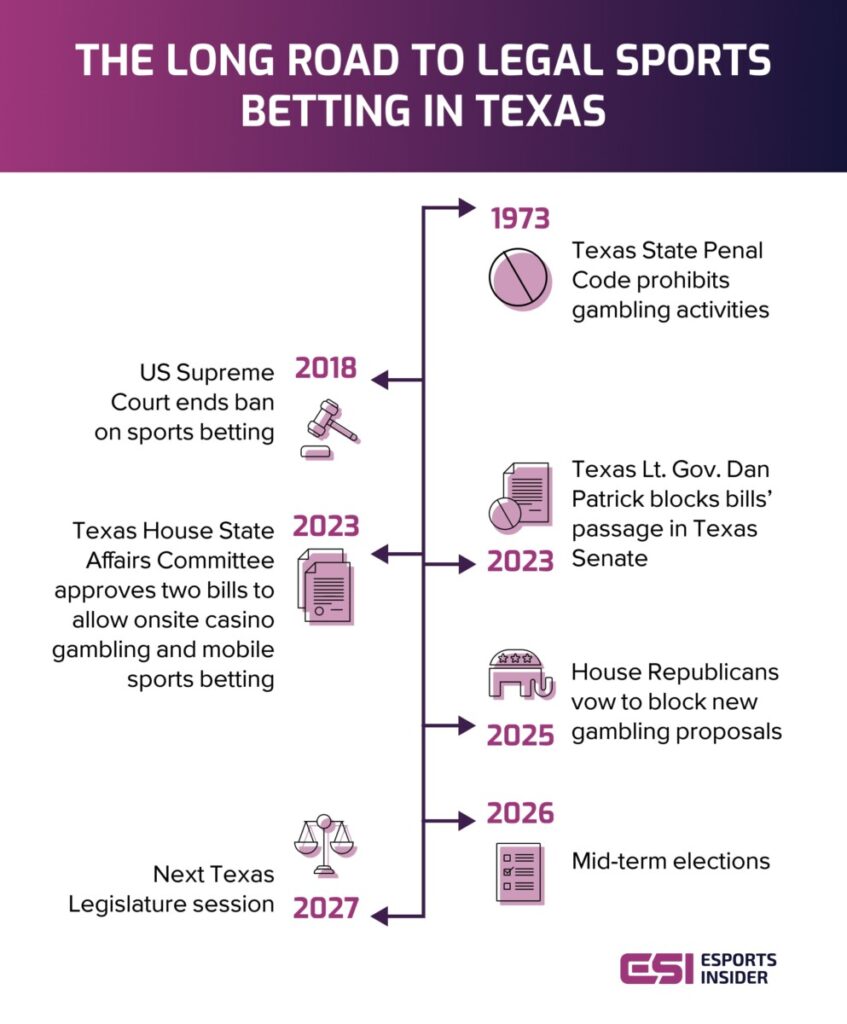
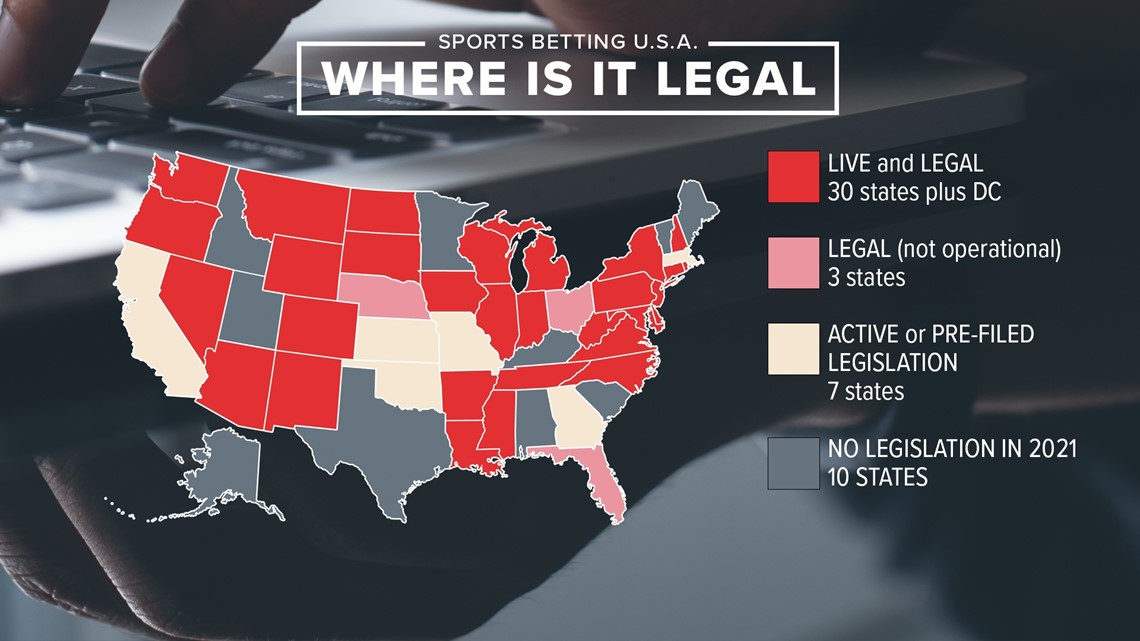
Texas has long been a holdout in the national movement towards legalized sports betting. Unlike many other states that have embraced sports wagering following the Supreme Court’s 2018 decision to overturn the Professional and Amateur Sports Protection Act (PASPA), Texas has maintained a more conservative stance. This has led to a fascinating dichotomy: immense public interest in sports and a thriving ecosystem of sports bars and fan engagement, juxtaposed with significant legal restrictions on traditional sports betting.
Legal Standing and Potential for Change
As of now, traditional retail and online sports betting, as seen in states like Nevada or New Jersey, is not legal in Texas. The state constitution would need to be amended to allow for such activities, a process that requires significant legislative action and voter approval.
However, there is a palpable momentum building for change. Advocacy groups, industry stakeholders, and a vocal segment of the public have been actively pushing for legalization. Discussions in the Texas Legislature have become more frequent and more serious, with various proposals put forth that aim to bring regulated sports betting to the state. These proposals often involve creating a framework for licensed sportsbooks, potentially including both brick-and-mortar locations associated with professional sports teams and mobile betting platforms.
The key hurdles remain legislative consensus and voter ratification. The political climate in Texas is diverse, and opinions on gambling vary widely. Therefore, the journey to full-scale legalized sports betting is likely to be a gradual one, requiring sustained effort and strategic negotiation.
Offshore Betting and Social Casinos
In the absence of a regulated in-state market, many Texans interested in sports betting have turned to offshore online sportsbooks. These platforms operate outside of U.S. jurisdiction, accepting wagers from individuals in states where sports betting is not legalized. While these sites offer a wide range of betting options and often attractive bonuses, they also come with inherent risks. Users are not protected by Texas state laws or regulatory bodies, meaning recourse in case of disputes or issues with payouts can be challenging. It is crucial for individuals to exercise extreme caution and conduct thorough research if they choose to engage with offshore betting sites, understanding the potential legal gray areas and the lack of consumer protections.
Another avenue that has seen increased attention is the rise of social casinos and sweepstakes-style gaming platforms. These operate under different legal frameworks, often utilizing virtual currency or prize entries rather than direct cash wagers. While not the same as traditional sports betting, some of these platforms offer sports-themed games or the ability to win prizes that can be redeemed for cash or gift cards, providing a limited form of engagement with sports wagering concepts without directly violating current Texas laws.
Navigating the Betting Experience in Texas
For those in Texas looking to engage with sports betting, understanding the available options and best practices is paramount. While the regulated market is still in development, informed participation can still be achieved through careful consideration of existing avenues and preparation for future opportunities.
Understanding Betting Markets and Odds
Regardless of where bets are placed, a fundamental understanding of betting markets and odds is essential. Sports betting encompasses a vast array of options, from predicting the winner of a game (moneyline bets) to handicapping point spreads, over/under totals, and more complex prop bets.
- Moneyline: This is the simplest form of betting, where you wager on which team or individual will win the event outright. Odds are presented with a plus (+) or minus (-) sign. A minus sign indicates the favorite, and the number shows how much you must bet to win $100. A plus sign indicates the underdog, and the number shows how much you would win if you bet $100.
- Point Spread: This bet aims to equalize the chances between two unevenly matched teams. A favorite “lays” a certain number of points, while the underdog “gets” those points. If you bet on the favorite, they must win by more than the spread. If you bet on the underdog, they can win outright or lose by fewer points than the spread.
- Totals (Over/Under): This bet focuses on the combined score of both teams in a game. Sportsbooks set a total number, and bettors can wager whether the actual combined score will be over or under that number.
- Prop Bets (Proposition Bets): These are wagers on specific events or statistics within a game, often unrelated to the final outcome. Examples include betting on which player will score the first touchdown, the number of strikeouts a pitcher will record, or the outcome of a coin toss.
Familiarizing yourself with how odds are presented (American, fractional, or decimal) and understanding the implied probability of each outcome is crucial for making informed betting decisions.
Responsible Gambling Practices
The allure of sports betting can be strong, and it is vital to approach it with a commitment to responsible gambling. This means setting clear limits and adhering to them.
- Budgeting: Determine a specific amount of money you are willing to spend on sports betting and stick to it. Never bet money that you cannot afford to lose.
- Time Management: Set limits on the amount of time spent on betting activities.
- Emotional Control: Avoid betting when feeling stressed, upset, or under the influence of alcohol. Bets should be based on reasoned analysis, not emotional impulses.
- Research and Knowledge: Base your bets on thorough research of teams, players, statistics, and game conditions. Avoid chasing losses by placing impulsive bets.
- Know When to Stop: Recognize the signs of problem gambling. If betting is negatively impacting your finances, relationships, or overall well-being, it’s time to seek help. Resources like the National Council on Problem Gambling offer support and guidance.
Preparing for the Future of Texas Sports Betting
As Texas moves closer to potentially legalizing sports betting, proactive preparation can provide a significant advantage for enthusiasts. Understanding the likely structures and engaging with the process can set individuals up for a smoother transition into a regulated environment.
Staying Informed on Legislative Developments
The most critical aspect of preparing for legal sports betting in Texas is staying informed about legislative progress. This involves following news from the Texas Legislature, tracking proposed bills related to sports wagering, and understanding the debates and committees involved. News outlets, legislative tracking websites, and advocacy group communications are valuable resources for keeping up-to-date.
Understanding Potential Betting Platforms
Once legalized, sports betting in Texas is likely to involve both retail and online components. Retail sportsbooks could be integrated into professional sports stadiums, such as those for the Dallas Cowboys or the Houston Astros, or be standalone venues. Online betting will likely be accessible via mobile apps and websites. It’s wise to anticipate the types of platforms that will emerge and research the reputations and offerings of potential licensed operators.
Exploring Pari-Mutuel Wagering
While not sports betting in the traditional sense, Texas does have a legal framework for pari-mutuel wagering on horse racing. Facilities like the Sam Houston Race Park offer opportunities to bet on races. This provides a legal avenue for wagering within the state, albeit on a specific type of sport. Understanding pari-mutuel betting can offer insights into the mechanics of pool betting and odds calculation, which can be transferable to other forms of sports wagering.

Educational Resources and Strategy Development
In anticipation of a regulated market, now is an excellent time to deepen your understanding of sports betting strategies. This includes learning about different betting systems, bankroll management techniques, and how to analyze statistical data to make more informed predictions. Numerous online resources, books, and forums are dedicated to sports betting education. Engaging with these resources can help refine your approach and enhance your enjoyment of sports betting when it becomes fully legal in Texas.
The journey of sports betting in Texas is one of evolution. While current options may be limited compared to other states, the landscape is dynamic. By staying informed, practicing responsible gambling, and preparing for the anticipated changes, Texans can position themselves to participate confidently and wisely in the burgeoning world of sports wagering.
LifeOutOfTheBox is a participant in the Amazon Services LLC Associates Program, an affiliate advertising program designed to provide a means for sites to earn advertising fees by advertising and linking to Amazon.com. Amazon, the Amazon logo, AmazonSupply, and the AmazonSupply logo are trademarks of Amazon.com, Inc. or its affiliates. As an Amazon Associate we earn affiliate commissions from qualifying purchases.