
The dream of a private swimming pool in California is a quintessential aspect of the state’s celebrated lifestyle. From the sun-drenched suburbs of Los Angeles to the scenic hillsides of San Diego, a backyard oasis offers not just recreation but also a significant enhancement to one’s property and daily living. Understanding the financial commitment involved is the crucial first step for anyone considering this desirable home improvement. Building a pool in California can range widely in cost, typically from $35,000 for a basic setup to well over $100,000 for a customized, luxury experience, with various factors influencing the final price tag.

The Allure of a Private Oasis in the Golden State
The appeal of owning a pool in California goes far beyond mere aesthetics; it is deeply intertwined with the region’s climate and cultural values. The ability to cool off on a hot summer day, host vibrant gatherings, or simply unwind by the water’s edge embodies a particular way of life that many aspire to.
Climate and Lifestyle Drivers
California’s Mediterranean climate, characterized by warm, dry summers and mild winters across much of the state, creates an ideal environment for pool ownership. Residents in areas like the Central Valley or Southern California frequently experience temperatures well into the 90s Fahrenheit, making a private pool a practical necessity for comfort and leisure. Beyond temperature regulation, a pool serves as a central hub for social activities, family fun, and personal wellness. It promotes an active lifestyle, offering a convenient way to exercise, relax, and entertain without leaving the comfort of home. This integration into daily life elevates a pool from a mere amenity to an integral part of the California dream.
Property Value Enhancement
A well-designed and properly maintained pool can significantly increase a property’s market value, particularly in desirable California real estate markets. While the exact return on investment can vary, a pool is often seen as a premium feature that appeals to a broad segment of homebuyers, especially families and those seeking a resort-like home environment. In regions where outdoor living is highly valued, such as Orange County or Palm Springs, a pool can make a property stand out, command a higher asking price, and expedite the sale process. It transforms a backyard into a luxurious extension of the living space, contributing to the overall desirability and prestige of a home.
Decoding Pool Construction Costs
The cost of building a pool in California is a complex equation influenced by numerous variables. Understanding these factors is key to setting a realistic budget and managing expectations.
Basic Pool Types and Their Price Points
The initial choice of pool type forms the bedrock of your budget.
- Fiberglass Pools: These come as a pre-formed shell, which is then delivered and installed. They are generally the quickest to install and have a smooth, non-porous surface that is resistant to algae, leading to lower chemical usage and easier maintenance. In California, a fiberglass pool can cost anywhere from $35,000 to $65,000 for the pool shell and installation, not including decking or extensive landscaping.
- Vinyl Liner Pools: These pools are constructed with a customizable frame (steel, aluminum, or polymer) and then fitted with a heavy-duty vinyl liner. They offer more flexibility in shape and size than fiberglass and are typically more affordable than gunite. Expect costs in California to range from $40,000 to $70,000. While the initial cost is lower, liners typically need replacement every 8-12 years, adding to long-term expenses.
- Gunite/Concrete Pools: These are the most popular and customizable option, offering limitless possibilities for shape, size, and features. Concrete pools are built by spraying a concrete mixture (gunite or shotcrete) over a steel rebar framework, then finishing with plaster, tile, or pebble aggregate. This customizability comes at a higher price point, typically ranging from $50,000 to $100,000+ in California for a standard size, easily reaching $150,000 to $200,000+ for complex designs with extensive features.
Key Factors Influencing Expense
Beyond the basic pool type, several critical factors can significantly sway the total expenditure:
- Size and Depth: Larger pools require more materials, excavation, and water, directly increasing costs. Deeper pools also add to excavation and structural requirements.
- Shape and Design Complexity: Simple rectangular pools are more economical. Intricate shapes, vanishing edges (infinity pools), tanning ledges, or multi-level designs demand more sophisticated engineering and labor, driving up the price.
- Site Accessibility: If your backyard is difficult for heavy machinery to access, manual labor or specialized equipment may be needed, increasing excavation and material delivery costs. Sloped lots also often require extensive retaining walls and extra structural work.
- Soil Conditions: Rocky soil or high water tables can necessitate additional excavation techniques, drainage systems, or specialized foundations, adding unforeseen expenses.
- Decking and Paving: The material chosen for the pool deck (concrete, pavers, natural stone, wood) and its square footage will contribute substantially. Concrete is the most economical, while natural stone like travertine can be significantly more expensive.
- Water Features: Cascading waterfalls, fountains, sheer descents, or deck jets add to the visual appeal and soundscape but also to the cost.
- Lighting: Underwater LED lighting, perimeter lighting, and landscape lighting around the pool area enhance evening ambiance but are optional upgrades.
- Heating Systems: While California boasts ample sunshine, a heating system (solar, natural gas, electric heat pump) extends your swimming season and comfort, adding several thousands of dollars upfront and ongoing energy costs.
- Automation: Smart pool systems that control filtration, heating, lighting, and water features via a smartphone app offer convenience but are a premium feature.
Navigating Permits, Regulations, and Site Prep
Building a pool in California is not merely a construction project; it’s a process deeply embedded in local zoning laws, safety regulations, and environmental considerations. Ignoring these can lead to costly delays or fines.
Local Ordinances and Safety Standards
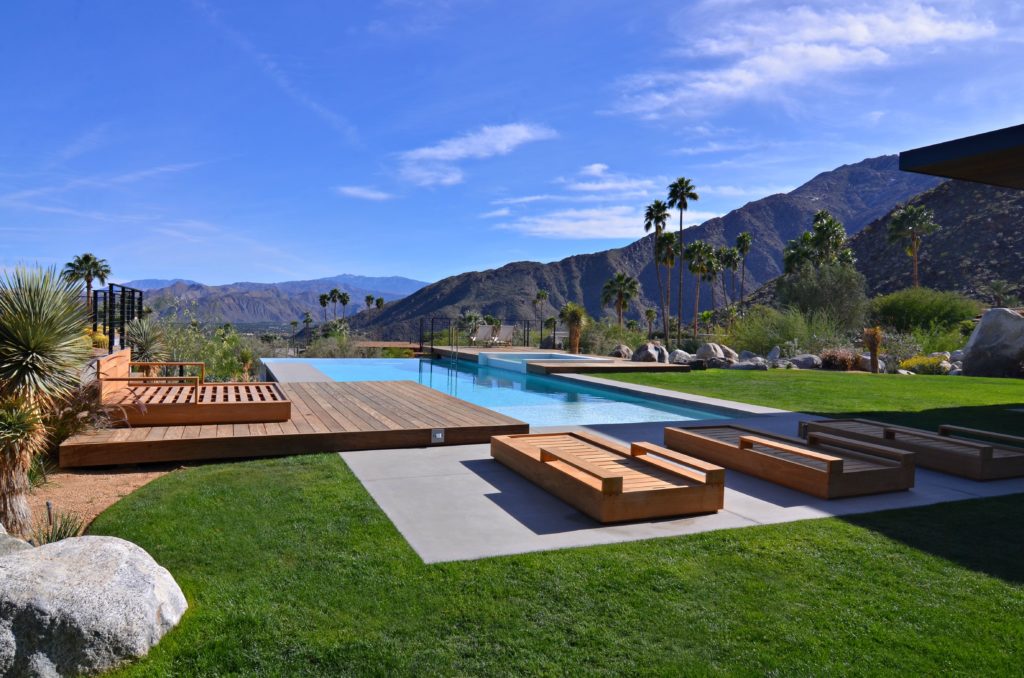
Every city and county in California, from San Francisco down to the Mexican border, has specific building codes and permit requirements for pool construction. These typically include structural integrity, electrical wiring, plumbing, and critical safety measures. Mandatory safety features often include fencing (with specific height and self-latching gate requirements), alarms on doors and windows leading to the pool area, and pool covers. Some jurisdictions may also require safety covers, child-resistant barriers, or even a secondary safety measure. It is imperative to work with a licensed contractor familiar with the local codes in your specific area, be it Sacramento or Riverside, to ensure compliance and avoid issues during inspections. Permit fees themselves can range from a few hundred to several thousand dollars depending on the scope of the project and the municipality.
Excavation and Landscaping Considerations
Site preparation is a foundational element of pool construction and can introduce significant costs.
- Excavation: This is the process of digging the pool hole. The type of soil (rocky, sandy, clay), the presence of existing utilities (gas lines, sewer pipes, electrical conduits), and the slope of your yard will all impact the complexity and cost of excavation. Rocky terrain, prevalent in many California hillsides, requires specialized equipment and can inflate costs considerably. Hauling away excavated soil is another expense often overlooked in initial estimates.
- Grading and Drainage: Proper grading around the pool area is essential to ensure water drains away from your home and the pool itself, preventing erosion and structural damage. Implementing effective drainage solutions, especially in areas prone to heavy rainfall or with challenging topography, is a critical component of site prep.
- Landscaping: While not strictly part of the pool build, the surrounding landscape contributes significantly to the final aesthetic and functionality. This includes installing complementary planting, hardscaping (patios, walkways), and irrigation systems. Many homeowners opt to integrate their pool seamlessly into a larger outdoor living space, which can encompass outdoor kitchens, fire pits, and shaded lounge areas, all adding to the overall project budget.
The Art of Personalization: Features and Finishes
Beyond the basic structure, the true luxury and functionality of a California pool often come from its personalized features and high-quality finishes. These elements elevate a simple swimming hole into a bespoke aquatic retreat.
Advanced Filtration and Heating Systems
Modern pool systems offer remarkable efficiency and convenience.
- Filtration: While standard sand filters are common, options like cartridge filters or DE (diatomaceous earth) filters offer superior water clarity. Variable-speed pumps, though a higher upfront cost, can drastically reduce energy consumption for filtration, a significant consideration in California where energy prices can be high. Saltwater chlorination systems, which convert salt into chlorine, offer a gentler water feel and less direct chemical handling, appealing to many homeowners.
- Heating: Extending the swimming season is often a priority. Solar heating systems leverage California’s abundant sunshine, offering an eco-friendly and often cost-effective long-term solution, though they require significant roof space or a dedicated solar array. Natural gas heaters provide quick, on-demand heating but can be expensive to operate. Electric heat pumps are an efficient alternative that extracts heat from the air, making them suitable for moderate temperature increases. The choice depends on climate, budget, and environmental priorities.
Aesthetics and California Living
The finishes and decorative elements are where personal style truly shines, integrating the pool into the quintessential California outdoor living experience.
- Interior Finishes: Plaster is the most common and economical interior finish, available in various colors. Pebble aggregate finishes offer superior durability and a more natural, textured look, often seen in high-end pools. All-tile finishes are the most luxurious and expensive, providing exceptional durability and stunning visual appeal.
- Coping: This is the material that caps the edge of the pool structure, creating a finished look. Options range from poured concrete and brick to natural stone (travertine, flagstone) and pre-cast concrete.
- Water Features: Beyond simple jets, elaborate waterfalls, sheer descent features, laminar flow jets, and splash pads can transform the pool area into a dynamic visual and auditory experience.
- Lighting: Submerged LED lights, fiber optic lighting, and landscape lighting around the pool perimeter create a magical ambiance for evening swims and entertaining. Color-changing LED lights are popular for setting different moods.
- Automation and Smart Features: Integrating the pool’s operations (heating, filtration, lighting, water features) with a smart home system allows for seamless control via a smartphone or tablet, enhancing convenience and adding a touch of modern luxury.
Long-Term Investment: Maintenance and Operation
Building a pool is a significant upfront investment, but it also necessitates ongoing financial commitment for its upkeep and operation. Understanding these long-term costs is crucial for sustainable enjoyment of your California oasis.
Ongoing Costs to Consider
A pool requires regular maintenance to remain clean, safe, and functional.
- Chemicals: Maintaining proper water chemistry is paramount. This involves regular testing and adding chlorine, pH adjusters, alkalinity boosters, and other chemicals to prevent algae growth and ensure swimmer comfort. Monthly chemical costs can range from $50 to $150, depending on pool size, usage, and system type.
- Cleaning: Even with a good filtration system, pools require regular cleaning. This includes skimming debris, brushing walls and floors, and vacuuming. Many homeowners opt for professional weekly or bi-weekly pool service, which can cost between $100 and $250 per month in California. Robotic pool cleaners are a popular automated solution, with an initial investment but reduced manual effort.
- Utilities: The energy consumed by the pump, heater, and lighting can be substantial. In California, electricity rates can be high. A variable-speed pump can significantly reduce electricity costs compared to a single-speed pump. Heating costs will vary widely based on the system (gas, electric heat pump, solar), desired water temperature, and usage frequency. Water evaporation, especially in warmer climates, also necessitates regular refilling, adding to utility bills.
- Repairs and Maintenance: Over time, components like pumps, filters, heaters, and automatic cleaners will require repair or replacement. Liners in vinyl pools will need replacement every decade or so, and concrete pools may need replastering after 10-15 years, a significant expense.
- Insurance: Your homeowner’s insurance policy will likely increase to cover the added liability associated with a swimming pool.
Maximizing Your California Pool Experience
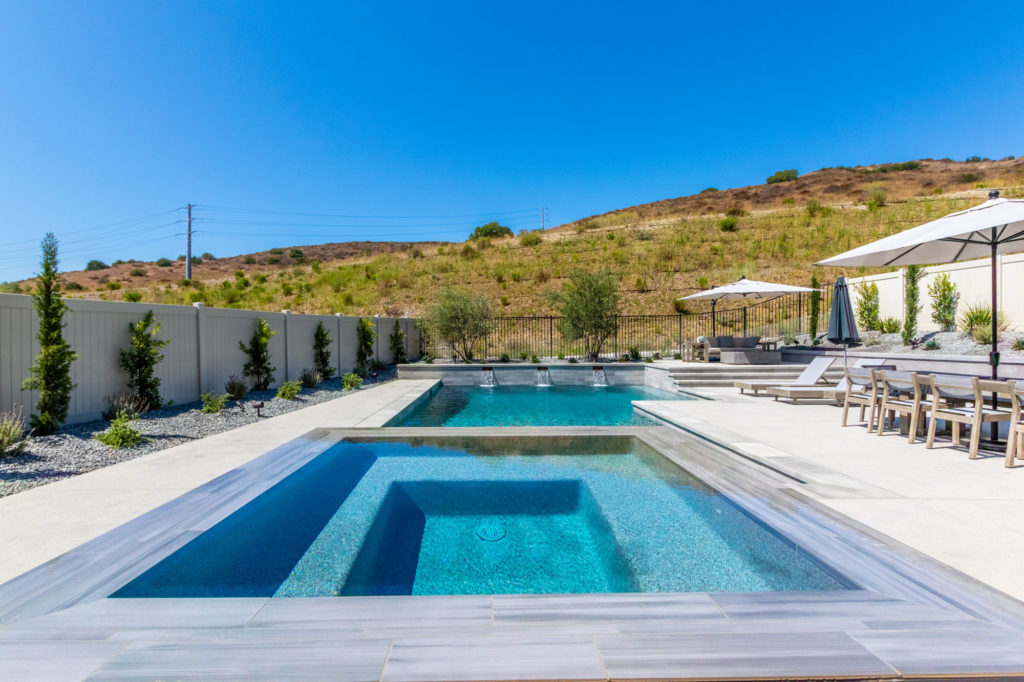
Despite the costs, a well-planned and properly maintained pool offers unparalleled enjoyment and a significant enhancement to the California lifestyle. To maximize your investment:
- Choose a Reputable Contractor: Research and select a licensed, experienced pool builder with a strong track record and good references. This prevents costly errors and ensures quality construction.
- Prioritize Energy Efficiency: Invest in energy-efficient equipment from the outset, such as variable-speed pumps, efficient heaters, and LED lighting. These upfront costs pay dividends in lower operating expenses.
- Regular Maintenance: Adhere to a strict maintenance schedule, whether DIY or through a professional service. This prevents minor issues from escalating into expensive repairs and prolongs the life of your pool.
- Strategic Landscaping: Integrate landscaping that complements the pool, provides shade, and offers privacy. drought-tolerant California native plants can reduce water usage for the surrounding area.
- Consider Automation: Smart pool systems can optimize chemical usage, filtration cycles, and heating schedules, leading to greater efficiency and convenience, ultimately enhancing the pool ownership experience.
Building a pool in California is a substantial undertaking, but for many, the benefits of having a private aquatic retreat in their own backyard far outweigh the investment. By understanding the various cost components, navigating regulations, and planning for long-term maintenance, homeowners can transform their property into a luxurious haven that truly embodies the Golden State’s coveted outdoor lifestyle.
LifeOutOfTheBox is a participant in the Amazon Services LLC Associates Program, an affiliate advertising program designed to provide a means for sites to earn advertising fees by advertising and linking to Amazon.com. Amazon, the Amazon logo, AmazonSupply, and the AmazonSupply logo are trademarks of Amazon.com, Inc. or its affiliates. As an Amazon Associate we earn affiliate commissions from qualifying purchases.