
Embarking on a personal journey often involves significant life changes, and for many, altering one’s name represents a profound step in redefining identity or aligning with a new chapter. In the vibrant and diverse landscape of California, understanding the financial implications and procedural nuances of a name change is crucial for a smooth transition. This isn’t merely a legal formality; it’s a lifestyle choice that impacts how you navigate personal, social, and professional spheres.
Navigating a Personal Transformation: Why Change Your Name?
A name change is more than just a bureaucratic process; it’s a decision often rooted in deeply personal motivations. From reclaiming heritage to simplifying identity, the reasons are as varied as the individuals themselves.

Common Motivations for a Name Change
The motivations behind changing a name are incredibly diverse, reflecting personal growth, major life events, or a desire for a fresh start. For individuals seeking a new beginning, perhaps after a divorce where reverting to a maiden name is desired, or even adopting a entirely new surname to shed associations with a past relationship, the act of a name change can be incredibly empowering. Similarly, in blended families, children might adopt a stepfather’s surname to foster a sense of unity and belonging, or adults may choose to hyphenate names to honor both familial lines. Beyond familial reasons, some choose to correct misspellings or typographical errors that have plagued them throughout their lives, causing perpetual administrative headaches.
Gender identity and expression are increasingly prevalent drivers for name changes. Transgender or gender non-conforming individuals often seek to change their legal name to align with their affirmed gender identity, a crucial step in living authentically and being recognized for who they truly are. Furthermore, some individuals choose to change their name simply because they dislike their given name or find it difficult to pronounce or spell, opting for a name that resonates more with their personality and aspirations. Artistic and professional individuals might also adopt a distinctive stage name or professional moniker that better suits their career identity, distinguishing their personal and professional personas. This broad spectrum of motivations underscores that a name change is often a deeply personal and transformative lifestyle decision.
The Emotional and Practical Impact
The act of changing one’s name carries significant emotional weight, often symbolizing a break from the past, an embrace of a new identity, or a step towards greater authenticity. Emotionally, it can be liberating, empowering, and affirming, allowing individuals to live more fully in alignment with who they perceive themselves to be. It can boost self-esteem and confidence, fostering a stronger sense of self.
Practically, however, a name change initiates a cascade of administrative tasks. Every document, record, and affiliation where your name is recorded will need updating. This includes government-issued identification such as driver’s licenses, passports, and Social Security Administration records. Financial institutions, utilities, employers, educational institutions, and healthcare providers all need to be notified. While initially daunting, approaching this task systematically can alleviate stress. The impact extends to your digital footprint as well; social media profiles, email addresses, and online accounts will likely require adjustments to reflect your new name. This comprehensive overhaul of personal identifiers is a practical lifestyle adjustment that follows the legal process, ensuring your new identity is consistently recognized across all facets of your life.
Deconstructing the Costs: What You’ll Pay in California
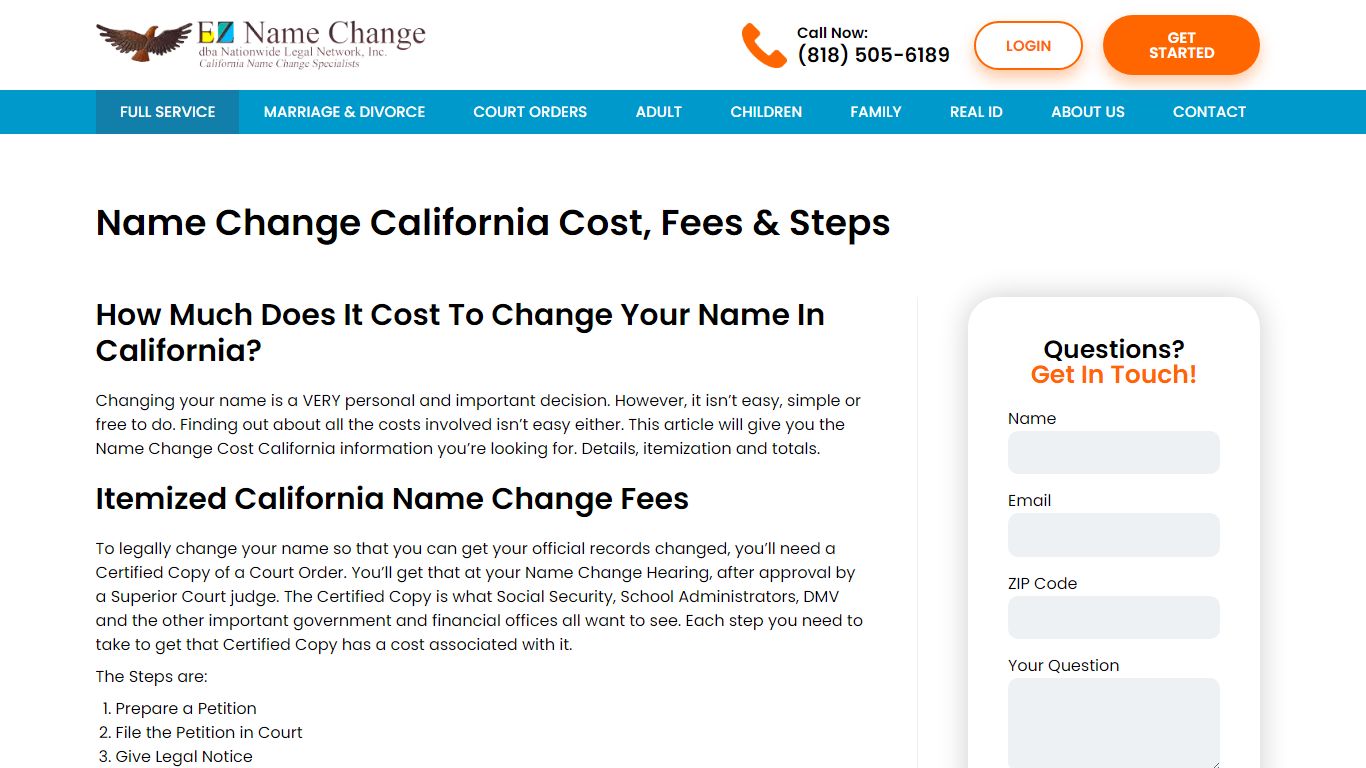
Understanding the financial aspects of changing your name in California is paramount. The primary costs revolve around court filing fees, but several other expenses can accumulate depending on your specific situation and chosen process. Budgeting for these various components is an essential part of the lifestyle planning involved in a name change.
Court Filing Fees: The Primary Expense
The most significant and unavoidable cost when changing your name in California through the superior court system is the filing fee for the “Petition for Change of Name.” As of the current filing year, these fees typically range from approximately $435 to $450. However, it’s crucial to verify the exact amount with the specific Superior Court in the county where you reside, as these fees can be subject to minor adjustments and vary slightly by county. For instance, the fee in Los Angeles County might differ marginally from that in San Francisco County.
It’s also important to note that if you are simultaneously petitioning for a name change for more than one person (e.g., a parent changing their name and their minor children’s names), separate filing fees might apply per person or per petition, depending on local court rules. For individuals with limited financial resources, California courts offer a fee waiver program. If your income falls below a certain threshold or you receive public benefits, you can apply for a fee waiver, potentially reducing or eliminating the filing costs. This option is a crucial consideration for ensuring that financial constraints do not impede a necessary or desired lifestyle change.
Additional Administrative Costs
Beyond the initial court filing fee, there are several other administrative costs that can arise during the name change process. One of the most common and often mandatory expenses is the cost of publishing the “Order to Show Cause for Change of Name” in a local newspaper of general circulation. California law generally requires that public notice be given of a pending name change to allow anyone with a valid objection to come forward. The cost of this publication varies significantly depending on the newspaper, its circulation, and the county. You can typically expect to pay anywhere from $200 to $500 for this requirement. Some newspapers offer special rates for legal notices, so it’s advisable to shop around and get quotes from approved publications in your county.
Other potential administrative costs could include notary fees if any of your documents require notarization, although many court clerks can provide this service for free or a nominal fee. You might also incur costs for making copies of documents, postage for mailing applications or notices, and obtaining certified copies of the final “Order Changing Name.” While each of these might seem minor individually, they can collectively add up, so it’s wise to allocate a small buffer in your budget for these miscellaneous administrative necessities.
Potential Professional Fees
While it is entirely possible to navigate the name change process in California independently, some individuals opt to hire legal counsel or utilize a document preparation service. This choice often depends on the complexity of their situation, their comfort level with legal paperwork, and their budget.
- Legal Counsel: If your name change involves complex issues, such as objections from another party, a criminal record, or specific concerns related to immigration status, consulting with an attorney is highly recommended. Legal fees can vary widely based on the attorney’s experience, location, and the complexity of your case. Attorneys typically charge hourly rates ranging from $150 to $500 or more, or they might offer flat fees for routine name change services, which could range from $1,000 to $3,000 or more. While this is a significant expense, the peace of mind and expert guidance can be invaluable for those facing intricate circumstances.
- Document Preparation Services: For individuals who prefer not to handle the paperwork themselves but do not require full legal representation, document preparation services (sometimes called “legal document assistants” or “LDAs”) can be a cost-effective alternative. These services can help you accurately complete and file the necessary court forms. Their fees are generally much lower than those of attorneys, typically ranging from $200 to $700, depending on the services included. It’s important to remember that LDAs cannot provide legal advice, only assist with form completion.
Choosing whether to incur professional fees is a personal lifestyle decision based on your individual needs and resources. For straightforward name changes, self-filing is often a viable and most cost-effective option.
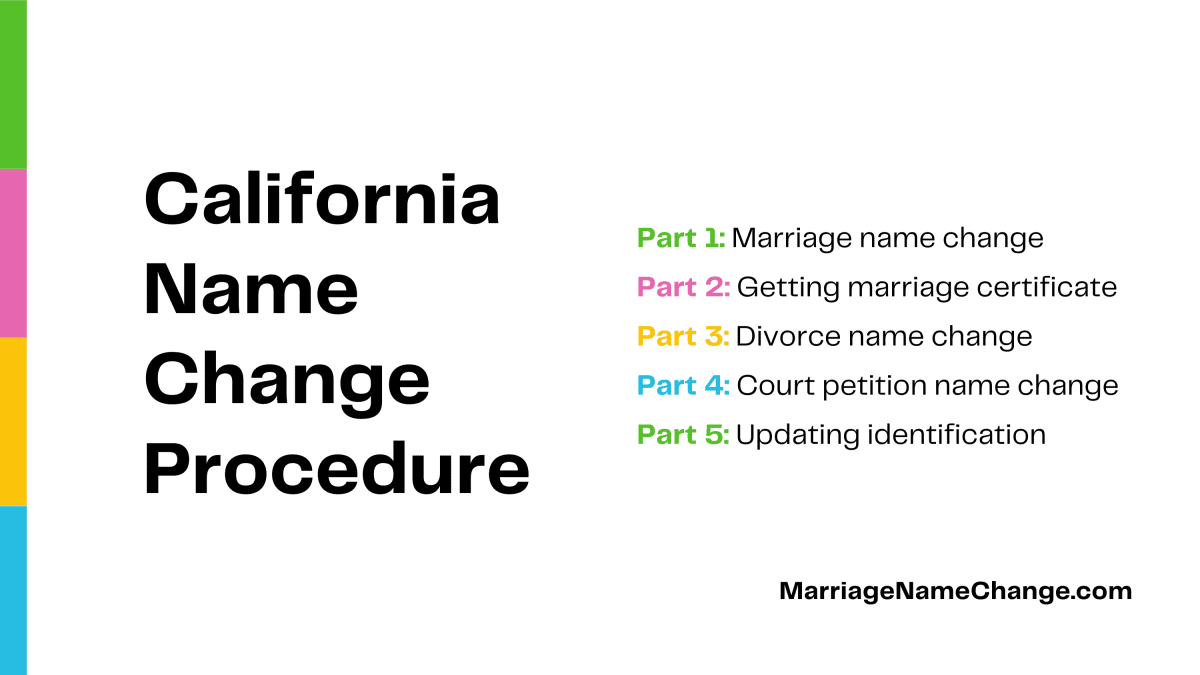
The Procedural Journey: A Step-by-Step Lifestyle Guide
Changing your name in California involves a structured legal process. Understanding each stage can help you approach this significant lifestyle change with confidence and efficiency.
Initial Petitions and Paperwork
The journey begins with completing and filing several forms with the Superior Court in your county of residence. The primary document is the “Petition for Change of Name” (Form NC-100). This form requires you to state your current legal name, your proposed new name, and the reason for the change. You’ll also need to complete the “Order to Show Cause for Change of Name” (Form NC-120), which is the document that gets published in the newspaper. Depending on your situation, additional forms may be necessary, such as those for a minor’s name change or a request for a fee waiver (Form FW-001).
Accuracy and completeness are paramount at this stage. Any errors or omissions can lead to delays or the rejection of your petition. Once these forms are meticulously filled out, they are submitted to the clerk’s office at the Superior Court. Upon filing, you will pay the required filing fee, or submit your fee waiver request. The court will then assign a case number and stamp your documents, officially beginning your legal name change process. The court clerk will also provide you with a hearing date, typically several weeks or months in the future.
The Importance of Publication
Following the filing of your petition, California law mandates that you publish the “Order to Show Cause for Change of Name” in a newspaper of general circulation. This notice must be published once a week for four consecutive weeks prior to your scheduled court hearing. The purpose of this publication is to inform the public of your intention to change your name, providing an opportunity for anyone with a valid legal reason to object to your name change to come forward.
You must select an approved newspaper in your county for this publication. The court clerk’s office usually provides a list of approved newspapers. Once the publication period is complete, the newspaper will provide you with an “Affidavit of Publication” or “Proof of Publication,” which is a crucial document that you must file with the court before your hearing date. Failure to publish or to file the proof of publication will result in your petition being denied or postponed, highlighting this as a critical step in the procedural journey.
Court Hearing and Final Order
On your scheduled court hearing date, you will appear before a judge. In most straightforward name change cases where no objections have been filed, the hearing is usually brief and can often be a mere formality. The judge will typically review your petition, the proof of publication, and confirm that all legal requirements have been met. If everything is in order, the judge will sign the “Order Changing Name” (Form NC-130).
This signed order is your official legal document confirming your name change. It is imperative to obtain several certified copies of this order from the court clerk. While certified copies incur a small fee per copy (typically around $40), they are invaluable for updating your records with various government agencies and institutions. This final order marks the culmination of the legal process and the official beginning of your life with your new name.
Beyond the Courtroom: Updating Your New Identity
Receiving your “Order Changing Name” is a significant milestone, but the process doesn’t end there. The lifestyle integration of your new name requires diligent updating across all official records and personal documents.
Social Security and Driver’s License
Among the first and most critical updates you’ll need to make are with the Social Security Administration (SSA) and the Department of Motor Vehicles (DMV). To update your Social Security record, you’ll need to complete Form SS-5, “Application for a Social Security Card,” and present your certified “Order Changing Name” along with proof of identity and citizenship (original or certified copies). The SSA will issue a new Social Security card with your updated name. This step is foundational, as your Social Security record links to many other official databases.
Once your Social Security record is updated, you should proceed to the California Department of Motor Vehicles (DMV) to update your driver’s license or state ID card. You’ll typically need to bring your old ID, your new Social Security card, and the certified “Order Changing Name.” There will be a fee for a new driver’s license. Having these primary identification documents updated ensures that your new name is recognized for driving, age verification, and general identification purposes.
Financial and Professional Records
With your primary government IDs updated, you can then focus on financial and professional records. Notify your bank, credit card companies, and other financial institutions of your name change. You’ll generally need to present a certified copy of your “Order Changing Name” along with your updated photo ID. This ensures continuity in your financial life and prevents issues with transactions or credit reporting.
For professional records, inform your employer, update your professional licenses or certifications, and revise any business-related documents. This is particularly important for professionals who rely on their credentials. If you have a U.S. Passport Agency, you will also need to apply for a new passport, submitting your certified name change order and other required documents. Updating these records systematically is key to a seamless transition and integration of your new name into your daily lifestyle.
The Broader Lifestyle Adjustments
Beyond the official documents, remember to update a multitude of other aspects of your life. This includes utility bills, insurance policies (health, auto, home), voter registration, subscriptions, loyalty programs, and any memberships (gyms, clubs, associations). Your educational institutions will need to be notified if you wish for your diplomas or transcripts to reflect your new name. Your will and other estate planning documents should also be reviewed and updated to reflect your new legal name, ensuring your wishes remain legally binding.
The process of changing your name in California, while seemingly complex, is a manageable series of steps when approached with diligence and organization. Understanding the costs and the procedural journey empowers you to make this significant lifestyle choice with confidence, fully embracing your transformed identity.
LifeOutOfTheBox is a participant in the Amazon Services LLC Associates Program, an affiliate advertising program designed to provide a means for sites to earn advertising fees by advertising and linking to Amazon.com. Amazon, the Amazon logo, AmazonSupply, and the AmazonSupply logo are trademarks of Amazon.com, Inc. or its affiliates. As an Amazon Associate we earn affiliate commissions from qualifying purchases.