
Navigating the complexities of divorce is a significant life event, fundamentally reshaping one’s personal and financial landscape. For those in California, understanding the financial implications of dissolving a marriage is paramount to planning for a new chapter and maintaining a desired lifestyle. Beyond the emotional toll, the monetary costs associated with filing for divorce can vary widely, impacting everything from daily budgeting to future aspirations like luxury travel or family trips. This comprehensive guide breaks down the expenses involved, offering insights into how these costs influence the strategic decisions that shape your post-divorce lifestyle.

Understanding the Base Filing Fees
The initial step in any divorce proceeding in California involves a mandatory filing fee. This fee is non-negotiable and covers the administrative costs of initiating a case within the Superior Court of California. As of recent updates, the filing fee for a petition for dissolution of marriage (divorce) typically stands at around $435 to $450. This amount is usually consistent across all counties in the state, although it’s always wise to check the specific court’s website for the most current figures.
This fee must be paid by the petitioner, the spouse who initiates the divorce process. If the respondent (the other spouse) files a response to the petition, they will also be required to pay a similar fee. For many, this initial outlay represents the first tangible financial commitment to an often lengthy and intricate process. It’s a foundational expense that needs to be factored into the overall financial strategy for transitioning to a new lifestyle.
County-Specific Variations and Fee Waivers
While the base filing fee is largely uniform statewide, minor administrative differences can sometimes be found when consulting the individual Superior Court websites for counties such as Los Angeles County, San Diego County, or Orange County. These variations are usually negligible but underscore the importance of local verification.
For individuals facing financial hardship, California offers the option to apply for a fee waiver. If approved, this waiver can exempt petitioners from paying court fees, including the initial filing fee and other subsequent charges like motion fees. Eligibility for a fee waiver is typically based on income and public benefit status. Successfully securing a fee waiver can significantly alleviate the immediate financial burden, allowing individuals to retain more of their personal resources, which could, for instance, be channeled towards essential living expenses or even setting aside a small fund for future experiences, such as a budget travel getaway to decompress after the proceedings. This option is a critical component of ensuring access to justice, regardless of economic standing, and helps maintain a semblance of financial stability during a tumultuous period.
Beyond Filing Fees: Attorney Costs and Professional Services
While court filing fees are relatively fixed, the most substantial and variable expense in a California divorce often comes from legal representation and other professional services. The decision to hire an attorney, and the extent of their involvement, dramatically impacts the overall cost, directly influencing one’s future financial capacity and lifestyle choices.
Contested vs. Uncontested Divorces
The primary determinant of legal costs is whether the divorce is contested or uncontested.
- Uncontested Divorce: In an uncontested divorce, both spouses agree on all key issues, including asset division, spousal support, child custody, and child support. This scenario typically involves less legal work, as attorneys primarily draft and review agreements, file paperwork, and ensure all legal requirements are met. Costs for an uncontested divorce can range from a few thousand dollars (for document preparation services) to $5,000-$10,000 if each party retains an attorney for review and limited representation. An amicable, uncontested process allows for better financial preservation, potentially freeing up funds for future lifestyle adjustments, whether that means investing in a new home or planning a rejuvenating travel experience.
- Contested Divorce: A contested divorce arises when spouses cannot agree on one or more significant issues. This often necessitates extensive negotiations, discovery (exchanging financial documents), depositions, and potentially court hearings or a full trial. Attorney fees in contested divorces can escalate rapidly, easily reaching tens of thousands of dollars, and in complex cases, well over $100,000. Attorneys typically charge hourly rates, ranging from $250 to $750 per hour or more, depending on their experience, reputation, and geographic location (e.g., higher rates in Los Angeles County compared to more rural areas). The financial strain of a heavily contested divorce can severely impact one’s long-term lifestyle, potentially delaying goals like retirement, significant investments, or even more modest aspirations like frequent family trips.
The choice between pursuing an uncontested or contested divorce isn’t just a legal one; it’s a profound lifestyle decision. Opting for cooperation and compromise can safeguard financial resources, offering greater flexibility and less stress as individuals rebuild their lives and plan for future experiences.
Mediation and Alternative Dispute Resolution
To mitigate the high costs and adversarial nature of contested litigation, many couples turn to mediation or other alternative dispute resolution (ADR) methods.
- Mediation: A neutral third-party mediator helps spouses communicate and negotiate agreements on all divorce-related issues. Mediators typically charge hourly rates similar to attorneys, but the overall cost is often significantly lower because the couple shares one professional rather than each retaining their own lawyer for prolonged battles. A successful mediation can keep total costs within a $5,000 to $15,000 range, sometimes even less for simpler cases. This collaborative approach not only saves money but also fosters better communication, which is crucial for co-parenting and maintaining a civil relationship post-divorce, positively impacting the broader family lifestyle.
- Collaborative Divorce: This process involves both parties and their attorneys agreeing to resolve issues outside of court. If an agreement cannot be reached, both attorneys must withdraw, forcing the couple to hire new lawyers for litigation. This incentive structure encourages settlement. While typically more expensive than mediation, it’s generally less costly than full litigation.

These ADR options are lifestyle-conscious choices. They aim to reduce financial drain, emotional stress, and the time commitment associated with divorce, allowing individuals to more quickly transition into a stable and fulfilling post-divorce lifestyle.
Specialist Fees
Beyond attorneys and mediators, a divorce case may require other professional services, incurring additional costs:
- Forensic Accountants: Essential in cases involving complex financial assets, business valuations, hidden assets, or high net worth, forensic accountants can cost thousands or even tens of thousands of dollars, depending on the complexity of the financial investigation.
- Child Custody Evaluators: In contentious child custody disputes, a court may order a child custody evaluation (also known as a 730 evaluation in California). These evaluations are comprehensive and expensive, often costing $5,000 to $15,000 or more, paid for by one or both parties.
- Appraisers: Real estate, personal property, or business appraisers may be needed to determine fair market value for asset division.
- Vocational Experts: Sometimes used to assess a spouse’s earning capacity for spousal support calculations.
- Process Servers: If the initial divorce petition cannot be served directly, a process server may be hired, costing $75-$200 per attempt.
Each additional professional adds to the overall expense, directly drawing from the financial resources that would otherwise support an individual’s desired lifestyle, including future investments, hobbies, or travel. The need for such specialists often indicates a highly complex or contentious divorce, magnifying the financial impact.
The Broader Financial Impact on Lifestyle
Understanding the direct costs of divorce is only part of the equation. The financial outcome of a divorce profoundly redefines an individual’s economic reality and, consequently, their lifestyle. From the division of assets and debts to the establishment of support payments, every financial decision made during the divorce impacts one’s future capacity for spending, saving, and investing.
Reallocating Funds for Future Travel and Experiences
For many, divorce necessitates a re-evaluation of discretionary spending. Funds once pooled for joint family vacations or luxury travel might now need to be reallocated. A budget-conscious divorce allows for greater financial flexibility post-separation. For example, by opting for mediation instead of litigation, a couple might save $20,000. This saving could be invested in a child’s education, put towards a down payment on a new home, or even fund several years of memorable budget travel experiences that help in healing and personal growth.
Conversely, a high-cost, contentious divorce can deplete savings, force the sale of assets, and create significant debt, severely limiting lifestyle options for years to come. The dream of a comfortable retirement, owning a vacation property, or embarking on an adventurous world tour might be deferred or even canceled entirely. Therefore, minimizing divorce costs isn’t just about saving money; it’s about protecting one’s future lifestyle aspirations.
Planning for a New Financial Chapter
Divorce presents an opportunity to establish a new financial plan tailored to an individual’s independent lifestyle. This includes budgeting for new housing arrangements, potentially reduced income, single-parent expenses, and new financial goals. The cost of filing for divorce is merely the gate fee; the ongoing financial management post-divorce is where a sustainable lifestyle is built. Individuals must consider:
- Housing Costs: Whether buying a new home, renting, or adjusting to a mortgage on a sole income.
- Daily Living Expenses: Utilities, groceries, transportation, and personal care.
- Insurance: Health, auto, and life insurance, often more expensive for single individuals.
- Retirement Planning: Adjusting savings strategies to account for a different financial trajectory.
- Emergency Funds: Establishing a robust safety net for unexpected expenses.
Proper financial planning during and after divorce is crucial for maintaining stability and achieving new lifestyle goals. Consulting with a financial advisor during this period can provide invaluable guidance, helping individuals make informed decisions that secure their future well-being.
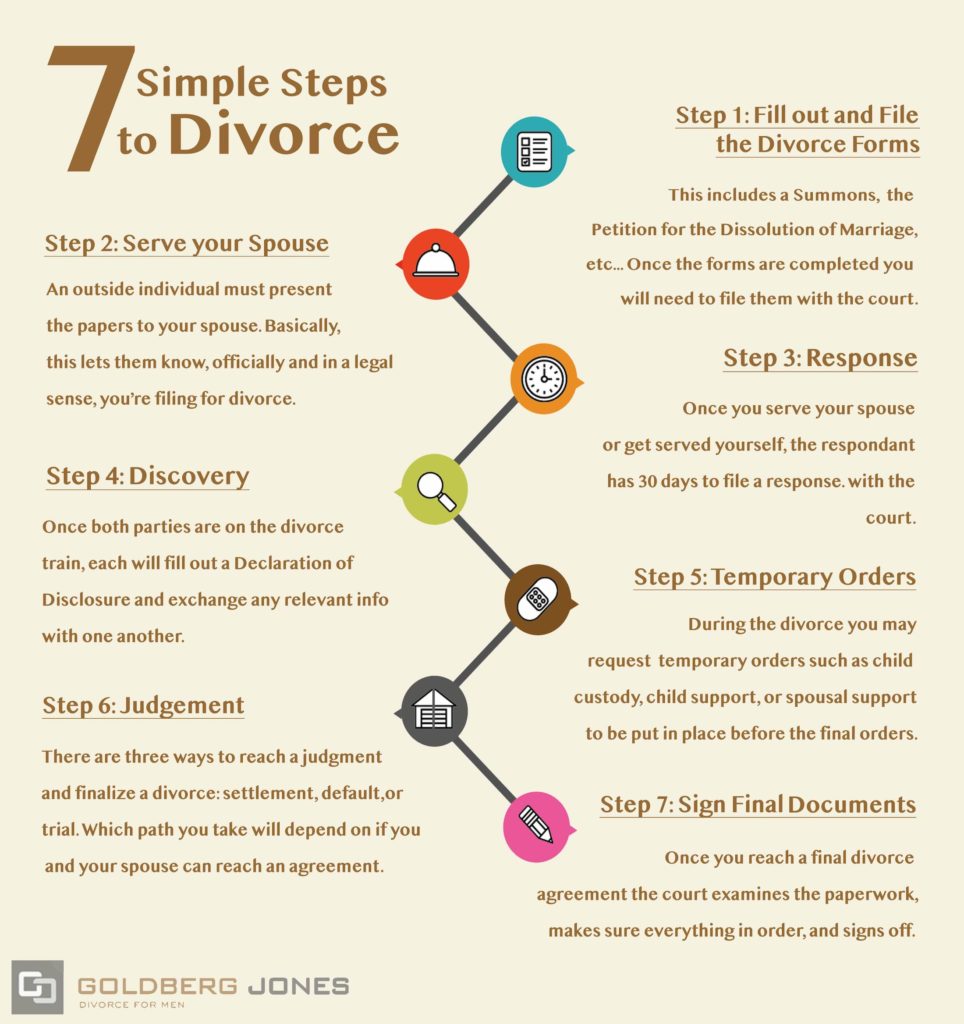
Navigating the Process for Financial Stability
While the prospect of divorce costs can be daunting, several strategies can help manage expenses and promote financial stability:
- Seek an Uncontested Divorce: If possible, strive for mutual agreement on all issues. This is the most cost-effective approach.
- Utilize Mediation: Engage a mediator to resolve disputes amicably and efficiently.
- Self-Representation (Pro Per): For straightforward cases, individuals can file paperwork themselves. The Judicial Council of California provides forms and instructions, and county courts often have a Family Law Facilitator who can offer free assistance with paperwork. While saving attorney fees, this requires significant time and effort and is not advisable for complex cases.
- Limited Scope Representation: Hire an attorney for specific tasks, such as reviewing documents or representing you in a single court appearance, rather than for the entire case.
- Prioritize and Compromise: Identify what truly matters and be willing to compromise on less critical issues to avoid prolonged legal battles.
The financial journey through divorce is intrinsically linked to one’s lifestyle. By understanding the costs involved and strategically managing the process, individuals in California can navigate this challenging period, minimize financial strain, and emerge with a clearer path toward their desired future lifestyle, whether that involves pursuing new passions, exploring destinations, or simply enjoying financial peace of mind.
LifeOutOfTheBox is a participant in the Amazon Services LLC Associates Program, an affiliate advertising program designed to provide a means for sites to earn advertising fees by advertising and linking to Amazon.com. Amazon, the Amazon logo, AmazonSupply, and the AmazonSupply logo are trademarks of Amazon.com, Inc. or its affiliates. As an Amazon Associate we earn affiliate commissions from qualifying purchases.