
Embarking on a journey through the Golden State often necessitates the freedom of personal transportation. California, with its sprawling cities, breathtaking coastlines, majestic national parks, and diverse landscapes, is tailor-made for road trips. However, understanding the true cost of renting a car can be a labyrinthine task, involving a multitude of variables beyond the advertised daily rate. This guide deciphers the financial aspects of car rental in California, equipping travelers with the knowledge to budget effectively and secure the best deals for their adventure.
Decoding Car Rental Costs in California: An Overview
The base price for renting a car in California can fluctuate wildly, influenced by everything from the season to the specific vehicle chosen. Average daily rates provide a starting point, but savvy travelers recognize these are just the tip of the iceberg.
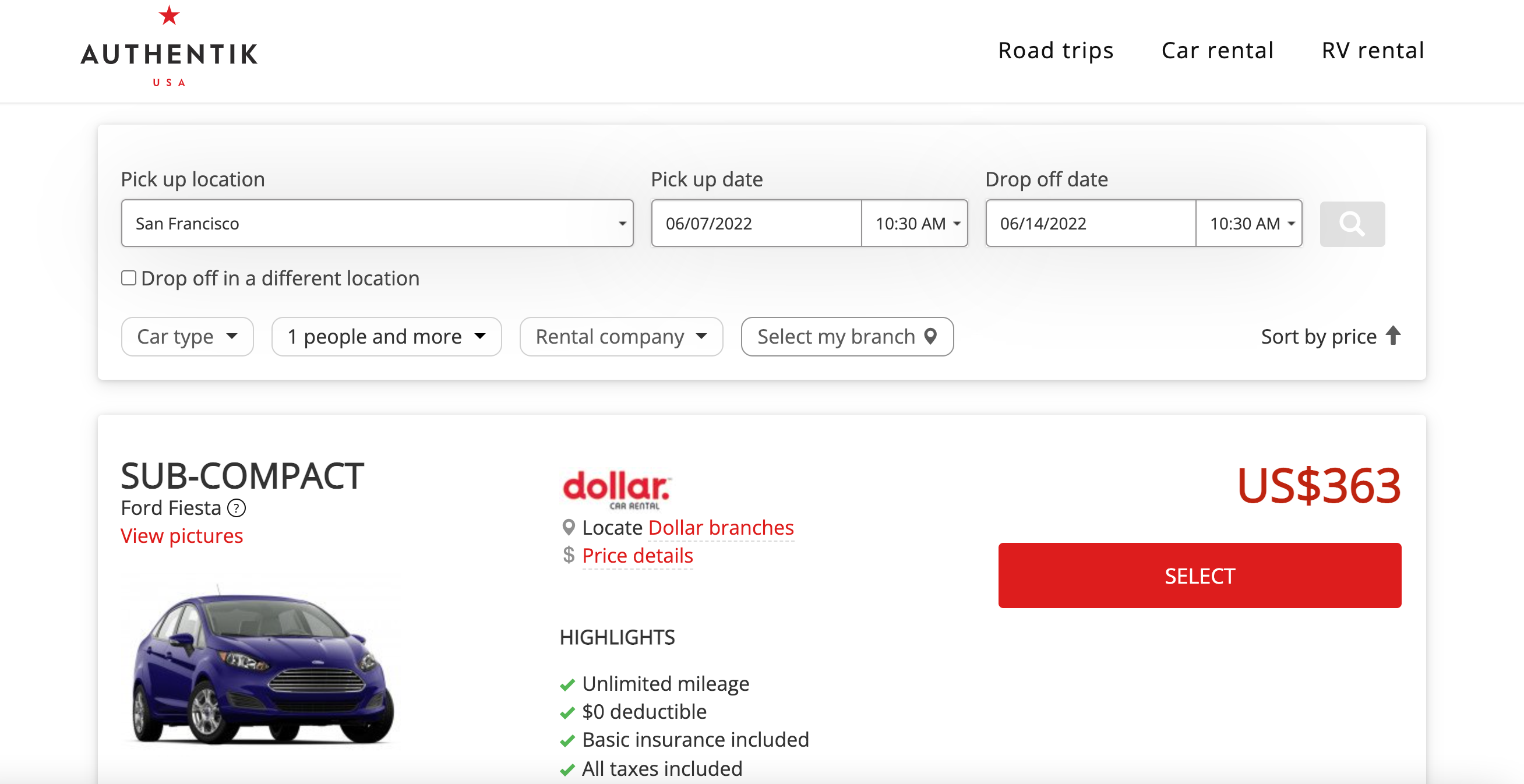
Average Daily Rates Across Vehicle Classes
Generally, you can expect to pay anywhere from $30 to $100+ per day for a standard rental car in California, excluding taxes and fees.
- Economy/Compact Cars: These are typically the most budget-friendly options, ranging from $30–$50 per day. Ideal for solo travelers or couples with minimal luggage, they offer excellent fuel efficiency for city driving and shorter distances. Examples include a Nissan Versa or a Hyundai Elantra.
- Mid-size/Standard Sedans: Offering a good balance of comfort, space, and fuel economy, these vehicles usually fall between $40–$70 per day. They are popular choices for small families or those desiring a bit more room. Think a Toyota Camry or Honda Accord.
- SUVs (Standard/Full-size): For families, groups, or those venturing into areas like Yosemite National Park or the Sierra Nevada, an SUV provides ample space and often all-wheel drive capabilities. Prices typically range from $60–$120+ per day, varying by size and luxury level.
- Luxury Cars/Convertibles: To fully embrace the California dream, luxury sedans or convertibles (especially in Southern California) can be rented for $100–$300+ per day. These come with premium features and a memorable driving experience.
- Minivans/Passenger Vans: For larger groups or extended family trips, minivans (e.g., Chrysler Pacifica) and 12- or 15-passenger vans are available, generally costing $80–$150+ per day.
Regional Price Variations: Los Angeles vs. San Francisco vs. San Diego
The specific city where you pick up your rental can significantly impact the cost. Major metropolitan areas like Los Angeles, San Francisco, and San Diego tend to have higher demand and, consequently, higher prices compared to smaller cities or off-airport locations.
- Los Angeles: As a global travel hub, Los Angeles (especially LAX) often sees high demand. Prices can be elevated, particularly during peak seasons.
- San Francisco: Similar to Los Angeles, San Francisco (SFO) commands premium rates, partly due to its constrained urban environment and strong tourism.
- San Diego: While popular, San Diego might offer slightly more competitive rates than its northern counterparts, especially outside of major holidays.
- Smaller Cities/Rural Areas: Renting from locations like Sacramento, Oakland, or non-airport branches can sometimes yield lower prices due to reduced demand and fewer associated airport surcharges.
Key Factors Shaping Your Rental Price Tag
Beyond the base daily rate, several dynamic factors influence the final cost of your California car rental. Understanding these can help you strategize your booking.
The Impact of Booking Timing and Seasonality
- Advance Booking: Booking your rental car well in advance (weeks or even months ahead) almost always results in lower prices. Demand-based pricing means that as vehicles become scarcer closer to the rental date, prices tend to rise sharply.
- Seasonality: California experiences peak tourism seasons that drive up car rental costs. Summer (June-August), major holidays (e.g., Thanksgiving, Christmas, New Year’s), and spring break are typically the most expensive times to rent. Conversely, shoulder seasons (spring and fall, excluding holidays) or the quieter winter months often present better deals.
Rental Duration: Short-Term vs. Long-Term Savings
Often, the daily rate decreases the longer you rent the car. A weekly rental, for example, might have a lower per-day cost than two separate three-day rentals. Rental companies incentivize longer durations to ensure their fleet is utilized efficiently. Always compare weekly rates, even if you only need the car for five or six days; sometimes, renting for the full week is cheaper.
Vehicle Type and Demand
While we’ve covered average rates by class, specific vehicle models within a class can also vary. Furthermore, the availability of certain vehicle types can impact pricing. During busy seasons, smaller, more fuel-efficient cars might be snatched up quickly, leaving only pricier, larger options. If you need a specific type of car (e.g., a convertible), book very early.
Pick-up and Drop-off Locations (Airport vs. Off-Airport)
Renting directly from an airport location like LAX or SFO is convenient but almost always more expensive. Airports levy various taxes, concession fees, and surcharges on rental car companies, which are then passed on to the consumer. These can add 10-20% or more to your total bill. Consider taking a shuttle or ride-share service to an off-airport rental branch nearby to save money, particularly if your accommodation is not directly adjacent to the airport. However, weigh the convenience against potential savings, especially after a long flight.
Essential Add-Ons and Hidden Fees to Anticipate
The sticker price for a rental car is rarely the final price. A host of mandatory taxes, optional add-ons, and potential surcharges can significantly inflate your total.
Understanding Car Rental Insurance Options
This is often the most confusing and costly add-on.
- Loss Damage Waiver (LDW) or Collision Damage Waiver (CDW): This waives your financial responsibility for damage or theft of the rental car. Rental companies push this hard, and it can cost $15-$30+ per day.
- Liability Insurance: Your personal auto insurance policy might extend to rental cars, or your credit card might offer secondary coverage. Always check with your personal auto insurer and credit card company before you travel. Many premium travel credit cards offer primary CDW/LDW coverage, potentially saving you hundreds. If you decline the rental company’s insurance, be sure you understand your existing coverage.
- Personal Accident Insurance (PAI) and Personal Effects Coverage (PEC): These cover medical expenses for injuries or theft of personal items. Your health insurance and homeowner’s/renter’s insurance might already provide adequate coverage.
Taxes, Surcharges, and Environmental Fees
California rental cars are subject to various taxes, state surcharges, and often an “environmental access fee.” These are non-negotiable and are calculated based on the rental duration and location. Always review the detailed breakdown before confirming your reservation.

Age Restrictions and Young Driver Surcharges
Most rental companies require drivers to be at least 21 years old. Drivers under 25 are almost universally subject to a “young driver surcharge,” which can range from $20 to $35 per day. This fee can add substantially to the overall cost, so factor it in if applicable. Some companies have partnerships or loyalty programs that waive this fee for certain members (e.g., AAA or USAA).
Additional Drivers, GPS, and Child Seats
- Additional Drivers: Most companies charge a daily fee (e.g., $10-$15) for each additional authorized driver, though spouses or domestic partners are sometimes exempt.
- GPS/Navigation Systems: While convenient, these can cost $10-$15 per day. Your smartphone’s navigation (e.g., Google Maps, Apple Maps) is usually a free and effective alternative.
- Child Seats: Essential for families, but renting them from the agency can be pricey, around $10-$15 per day per seat. If traveling with young children, consider bringing your own child seat, as most airlines allow them to be checked for free.
Fuel Policies: Full-to-Full vs. Pre-paid
Understand the fuel policy to avoid unexpected charges.
- Full-to-Full: You pick up the car with a full tank and return it full. This is generally the most economical option, allowing you to refuel at a local gas station at competitive prices.
- Pre-paid Fuel: You pay for a full tank upfront at the rental company’s rate, and return the car empty or nearly empty. This is convenient but often more expensive per gallon than local gas stations. It only makes financial sense if you genuinely plan to return the car empty.
- Fuel Service Charge: If you return the car with less fuel than required, the rental company will fill it up and charge you a hefty service fee, plus a significantly inflated per-gallon rate.
Smart Strategies to Secure the Best Deal
With an understanding of the cost components, you can employ various strategies to minimize your California car rental expenses.
Comparing Rental Companies and Booking Platforms
Always shop around. Prices can vary significantly between major companies like Hertz, Enterprise, Avis, Budget, Thrifty, and Alamo, as well as smaller local agencies. Utilize online comparison websites such as Kayak, Expedia, Priceline, or RentalCars.com to get a broad overview. Be sure to check the rental company’s direct website as well, as they sometimes offer exclusive deals. Read reviews for any lesser-known companies.
Leveraging Discounts and Loyalty Programs
- Membership Discounts: Members of organizations like AAA, AARP, or Costco often qualify for significant discounts. Always inquire or enter your membership codes during the booking process.
- Corporate Rates: If you travel for business, check if your employer has corporate rental car codes that you can use for personal travel (check company policy first).
- Loyalty Programs: If you frequently rent from a particular company, joining their loyalty program can yield benefits like free upgrades, expedited service, and sometimes even discounted rates or waived fees.
- Coupon Codes: Search online for coupon codes before booking. Many rental companies frequently offer promotional codes.
Considering Alternative Transportation Options
For purely urban itineraries, especially in cities with robust public transport like San Francisco or parts of Los Angeles, a rental car might be unnecessary. Ride-sharing services (Uber, Lyft), taxis, buses, and trains can be more cost-effective. Only rent a car for the days you specifically need it for excursions outside the city centers or for a dedicated road trip.
The Benefit of Bundling (Flight + Hotel + Car)
Sometimes, booking your flight, hotel, and rental car together through a travel package website can result in considerable savings. These bundles often come with deeply discounted car rental rates as an incentive. Explore this option if your itinerary allows for it.
Navigating Your California Road Trip: Practical Tips
Once you’ve secured your rental, a few final considerations will ensure a smooth and budget-friendly California road trip.
Planning Your Route and Mileage
California is vast. Plan your route to optimize fuel consumption and avoid unnecessary detours. Most rentals come with unlimited mileage within the state, but always confirm this, especially if you plan on covering extensive distances. If you’re doing a one-way rental, be aware that these often incur a substantial “drop-off” fee, which can range from $50 to several hundred dollars depending on the distance between pick-up and drop-off locations.
Understanding California Driving Laws and Toll Roads
Familiarize yourself with California’s driving laws, including speed limits, lane etiquette, and distracted driving regulations. Be particularly aware of toll roads, especially around San Francisco (Golden Gate Bridge) and parts of Orange County. Many California tolls are electronic-only, meaning there are no cash booths. Rental companies often offer “toll pass” programs, which are convenient but come with daily fees and administrative charges, typically making them more expensive than managing tolls yourself (e.g., using a personal FasTrak transponder if you have one, or paying online post-passage).

Vehicle Inspection and Documentation
Before driving off, thoroughly inspect the rental car for any existing damage (scratches, dents, cracks) and ensure they are documented by the rental agent. Take photos or videos as proof. This prevents you from being charged for pre-existing damage upon return. Keep all rental agreements, insurance documents, and contact numbers handy throughout your trip.
By diligently researching, comparing options, and understanding the myriad of costs involved, you can effectively manage your car rental budget and enjoy the unparalleled freedom a set of wheels provides for exploring the diverse wonders of California.
LifeOutOfTheBox is a participant in the Amazon Services LLC Associates Program, an affiliate advertising program designed to provide a means for sites to earn advertising fees by advertising and linking to Amazon.com. Amazon, the Amazon logo, AmazonSupply, and the AmazonSupply logo are trademarks of Amazon.com, Inc. or its affiliates. As an Amazon Associate we earn affiliate commissions from qualifying purchases.