
California stands as a pioneering state in cannabis legalization, offering a unique experience for visitors and residents alike. For tourists planning a trip to the Golden State, understanding the nuances of its cannabis laws is paramount to enjoying a hassle-free and enriching experience. This guide provides comprehensive insights into how much cannabis is legal, where it can be purchased and consumed, and essential tips for responsible tourism, ensuring your visit respects local regulations and enhances your understanding of California’s progressive stance.
Understanding California’s Cannabis Laws for Tourists
California’s journey toward cannabis legalization began with medical use in 1996 and fully embraced recreational use with the Adult Use of Marijuana Act (Proposition 64) in 2016. This landmark legislation created a regulated market for adults 21 and older, making it a significant aspect of the state’s local culture and a frequent query for travelers. For tourists, navigating these laws requires clarity on both recreational and, to a lesser extent, medical cannabis provisions.
Recreational Use for Adults
For any adult aged 21 or older, whether a resident or a tourist, recreational cannabis is legal in California. This means you can legally possess, transport, and consume certain quantities of cannabis products. The primary goal of Proposition 64 was to establish a safe, regulated market, replacing the illicit trade with licensed dispensaries that offer a wide array of tested and quality-controlled products. Tourists can walk into any licensed dispensary with a valid government-issued ID (such as a passport or driver’s license) proving they are 21 or older and make a purchase. This accessibility makes understanding the specific limits and rules even more critical for visitors eager to explore this facet of California’s lifestyle.
Medical Cannabis for Visitors
While California has a robust medical cannabis program, it primarily caters to state residents with a qualifying medical condition and a physician’s recommendation. Tourists with out-of-state medical marijuana cards will find that these are generally not recognized for the specific benefits afforded to California residents (like higher possession limits or tax exemptions). However, this is rarely an impediment for visitors, as the recreational market offers legal access to cannabis for anyone 21 and over. If a tourist genuinely requires medical cannabis for a specific condition and wishes to explore California’s medical program, they would typically need to obtain a recommendation from a California-licensed physician, which can be a more involved process than simply using the recreational market. For the vast majority of tourists, relying on the adult-use provisions is the most straightforward approach.
Possession and Purchase Limits
Understanding the precise quantities of cannabis you can legally possess and purchase is fundamental for any visitor to California. These limits are set to ensure personal use while preventing commercial distribution without proper licensing. Adhering to these regulations is crucial to avoid legal issues during your stay.
Personal Possession
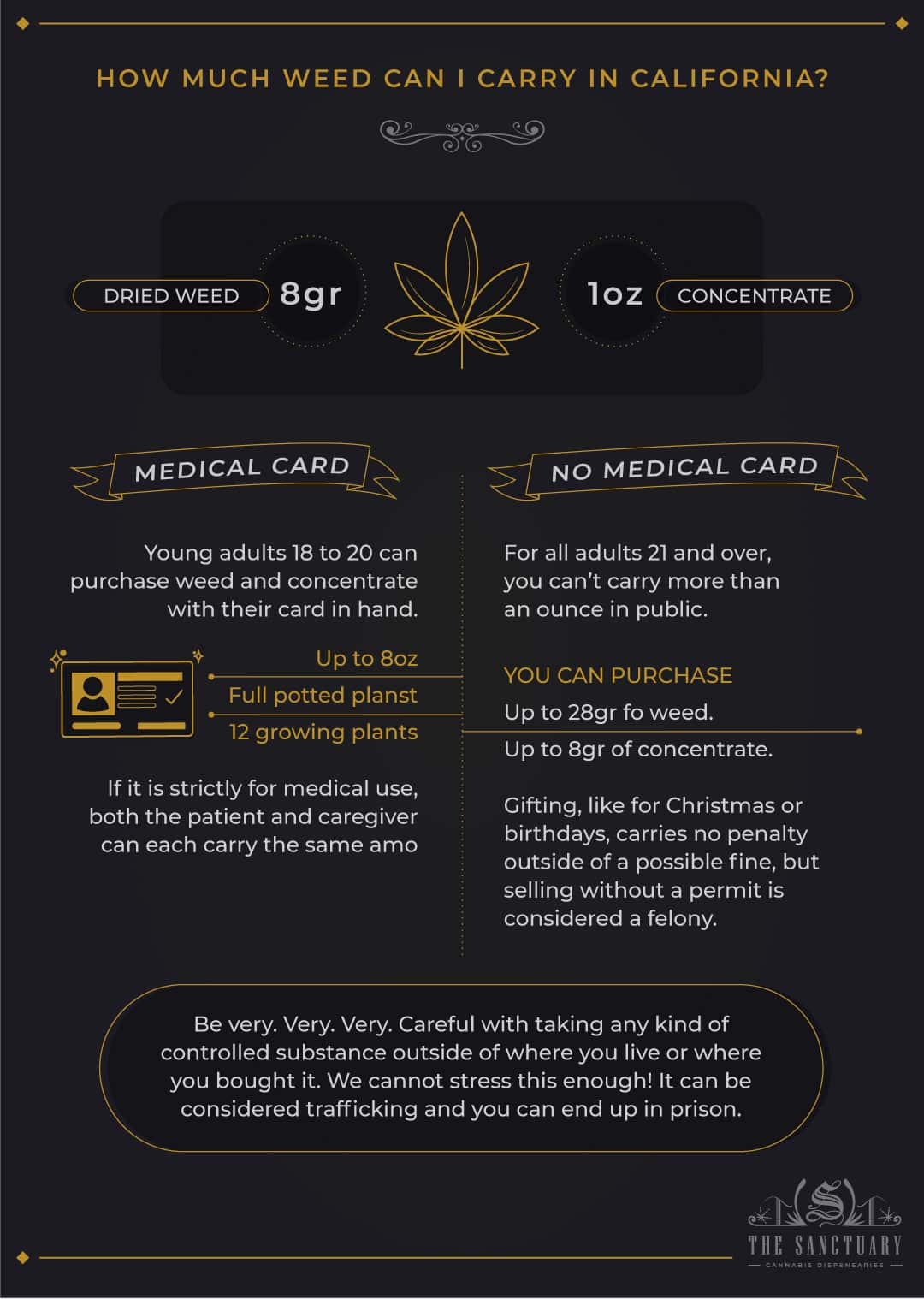
Adults aged 21 and over in California are legally permitted to possess:
- 28.5 grams (one ounce) of non-concentrated cannabis: This typically refers to dried flower, which is the most common form of cannabis.
- 8 grams of concentrated cannabis: This includes products like vape cartridges, waxes, oils, and edibles. Edibles, despite their form, are measured by the amount of THC concentration they contain, with a typical single edible serving often capped at 10mg THC and packages usually not exceeding 100mg THC total per package. It’s important to differentiate between the weight of the edible product itself and the concentrated cannabis (THC) within it.
- Six live cannabis plants: While this allowance is primarily for residents who wish to cultivate their own cannabis at home, it’s part of the comprehensive possession limits defined by Proposition 64. For tourists, this specific limit is less relevant unless they are staying in a private residence where cultivation is permitted by the owner.
These limits apply to your person, in your vehicle, or within your temporary accommodation. Exceeding these limits can lead to civil penalties, fines, or even more severe legal consequences depending on the amount.
Cultivation at Home
As mentioned, adults 21 and over can cultivate up to six living cannabis plants per residence. This provision allows individuals to grow their own supply for personal use. For tourists, however, the ability to cultivate is generally not applicable, as it requires a stable residence and typically permission from a property owner. Attempting to cultivate in a hotel room or short-term rental without explicit permission would violate property rules and potentially local ordinances. The focus for visitors should remain on understanding possession and purchase limits from licensed establishments rather than home cultivation.
Purchasing from Licensed Dispensaries
All legal cannabis purchases in [California](https://lifeoutofthebox.com/california] must be made from licensed dispensaries. These establishments operate under strict state regulations, ensuring product safety, quality, and accurate labeling.
- Finding a Dispensary: Licensed dispensaries are typically clearly marked and can be found in many cities across California, including major tourist hubs like Los Angeles, San Francisco, and San Diego. You can usually locate them via online search engines or cannabis-specific apps that list licensed retailers.
- ID Requirement: Always carry a valid, government-issued photo ID that verifies you are 21 years of age or older. Dispensaries are legally required to check IDs for every transaction.
- Purchase Limits: The same possession limits detailed above (28.5 grams of flower, 8 grams of concentrate) also apply to daily purchase limits. This means you cannot buy more than these amounts in a single day, even if you visit multiple dispensaries.
- Cash Transactions: While some dispensaries may accept debit cards, many operate on a cash-only basis due to federal banking regulations. It’s wise to carry cash or be prepared to use an on-site ATM, which may incur fees.
- Product Variety: Licensed dispensaries offer a wide range of products, including flower, edibles, vape pens, tinctures, topicals, and concentrates. All products are tested for pesticides, heavy metals, and potency, and must be sold in child-resistant packaging.
Where You Can and Cannot Consume
The legality of cannabis possession does not equate to unrestricted consumption anywhere. California has specific rules about where cannabis can and cannot be consumed, particularly in public spaces. These regulations are crucial for tourists to understand to ensure responsible and lawful enjoyment.
Public vs. Private Consumption
The golden rule for cannabis consumption in California is: no public consumption. This means you cannot smoke, vape, or consume edibles in public places such as:
- Parks and beaches
- Restaurants, bars, and cafes
- Sidewalks and streets
- Anywhere tobacco smoking is prohibited (e.g., within 1,000 feet of a school or daycare center while children are present)
- Federal lands, including national parks (e.g., Yosemite National Park, Joshua Tree National Park) and national forests, where federal law still applies, making cannabis entirely illegal.
Consumption is generally permitted on private property, provided the property owner allows it. This is where clarity for tourists becomes essential.
Rules for Rental Properties and Hotels
If you are staying in a hotel, motel, or short-term rental (like an Airbnb or VRBO), you must abide by their specific rules regarding cannabis use.
- Hotels: The vast majority of hotels in California prohibit smoking of any kind, including cannabis, in their rooms and common areas. Some hotels may permit vaping, but it’s crucial to check with the hotel management beforehand. Breaking these rules can lead to significant cleaning fees or even eviction.
- Rental Properties: For Airbnb, VRBO, or other private rentals, the cannabis policy is at the discretion of the property owner. Always review the listing details or contact the host directly to understand their rules regarding cannabis consumption on their property. Some hosts may explicitly allow it, while others may strictly prohibit it.
- Designated Consumption Lounges: A growing number of cities in California are beginning to license and permit dedicated cannabis consumption lounges. These establishments are specifically designed for on-site cannabis use and offer a legal and social environment for consumption. While still relatively few, they represent a legal avenue for tourists to consume cannabis outside of private residences. Always look for licensed consumption lounges if you wish to consume in a social setting.
Driving Under the Influence
Just like alcohol, driving under the influence of cannabis is illegal and severely punished in California. Law enforcement is trained to recognize impaired driving, and penalties for a DUI involving cannabis can include heavy fines, license suspension, and even jail time.
- Open Container Laws: It is illegal to drive or ride in a vehicle with an open container of cannabis or cannabis products, similar to alcohol. Any cannabis product must be in a sealed container or stored in the trunk of the vehicle, out of reach of the driver and passengers.
- Impairment: Even if you are within legal possession limits, consuming cannabis and then driving is illegal if it impairs your ability to operate a vehicle safely. Always designate a sober driver or use ride-sharing services if you plan to consume cannabis.
Transporting Cannabis
While intra-state transport of legal amounts of cannabis is permissible, there are strict rules, especially concerning crossing state lines or air travel, which are critical for tourists to understand.
Inter-state vs. Intra-state Travel
- Intra-state Travel (Within California): You can legally transport up to the personal possession limits (28.5 grams of flower, 8 grams of concentrate) within California. When driving, cannabis should be kept in a sealed container and out of reach of the driver and passengers (e.g., in the trunk). If traveling by public transport, it should be discreetly stored within your personal belongings.
- Inter-state Travel (Crossing State Lines): This is absolutely prohibited. Despite cannabis being legal in California and potentially in an adjacent state, it remains illegal under federal law. Crossing state lines with cannabis, even between two legal states, is a federal offense and can lead to severe penalties. Do not attempt to take cannabis out of California.
Flying with Cannabis
Similarly, flying with cannabis, even within [California](https://lifeoutofthebox.com/california] (e.g., from Los Angeles International Airport to San Francisco International Airport), is fraught with federal complications. While TSA’s primary concern is security threats, if they discover cannabis, they are required to refer the matter to local law enforcement. Since airports operate under federal jurisdiction, carrying cannabis through an airport, even if within state limits, is technically a violation of federal law. The safest advice for tourists is to avoid bringing cannabis to the airport or on any flight. Consume responsibly before your departure and purchase again upon arrival if traveling within the state.
Essential Tips for Responsible Tourism
For a smooth and enjoyable cannabis experience in [California](https://lifeoutofthebox.com/california], keep these essential tips in mind:
Age Restrictions
Always remember that legal cannabis use is strictly for adults aged 21 and over. Do not attempt to purchase or consume cannabis if you are underage, and never provide cannabis to minors. Dispensaries rigorously check IDs, and any attempt to circumvent age restrictions can lead to legal consequences for both the individual and the dispensary.
Understanding Product Potency
Cannabis products, especially edibles and concentrates, can vary significantly in potency. For tourists who may be infrequent users or new to cannabis, it’s crucial to “start low and go slow.”
- Edibles: Edibles can take anywhere from 30 minutes to two hours to take effect, and their effects can last for several hours. A standard dose for a novice is often 2.5mg to 5mg of THC. Do not consume more until you fully understand how a smaller dose affects you. Overconsumption of edibles is a common mistake that can lead to an uncomfortable experience.
- Flower and Vapes: While effects are more immediate, understanding the THC percentage of flower or concentrate is important. Begin with small amounts and wait to assess the effects before consuming more.
- Reading Labels: Licensed products will have clear labels indicating THC and CBD content. Always read these labels carefully.
Respecting Local Regulations
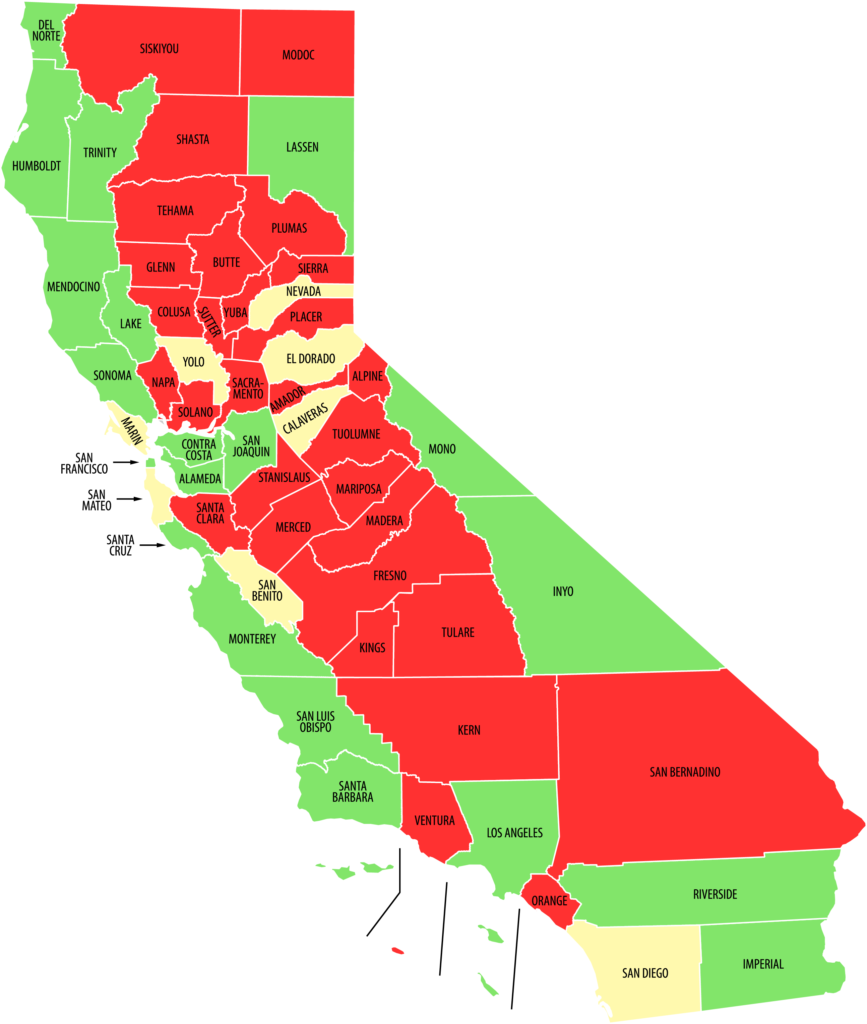
While [California](https://lifeoutofthebox.com/california] is progressive on cannabis, individual cities and counties may have their own specific ordinances that are stricter than state law. For example, some municipalities may have tighter restrictions on the number of dispensaries or public consumption rules. Always be mindful of local signage and guidelines. Most importantly, avoid consuming cannabis in public, near schools, or on federal property. Be respectful of others, particularly those who may not wish to be exposed to cannabis smoke or vapor.
By understanding and adhering to these guidelines, tourists can responsibly and legally engage with California’s cannabis culture, ensuring a positive and memorable visit to the Golden State.
LifeOutOfTheBox is a participant in the Amazon Services LLC Associates Program, an affiliate advertising program designed to provide a means for sites to earn advertising fees by advertising and linking to Amazon.com. Amazon, the Amazon logo, AmazonSupply, and the AmazonSupply logo are trademarks of Amazon.com, Inc. or its affiliates. As an Amazon Associate we earn affiliate commissions from qualifying purchases.