
Navigating California‘s Roads: Understanding Traffic Violations for Visitors and Residents
Exploring the vast landscapes and vibrant cities of California by car is an iconic experience, offering unparalleled freedom to discover everything from the bustling streets of Los Angeles to the serene beauty of Yosemite National Park. However, whether you’re a long-term resident, a new transplant, or a visitor enjoying a scenic drive, understanding the state’s traffic laws and the implications of violations is crucial. A simple speeding ticket or a forgotten stop can lead to points on your driving record, impacting everything from insurance premiums to the ability to rent a car during future visits. For many, traffic school offers a viable pathway to mitigate these consequences, but its availability isn’t limitless. Knowing the rules around attending traffic school is essential for anyone operating a vehicle in the Golden State.
The Importance of a Clean Driving Record
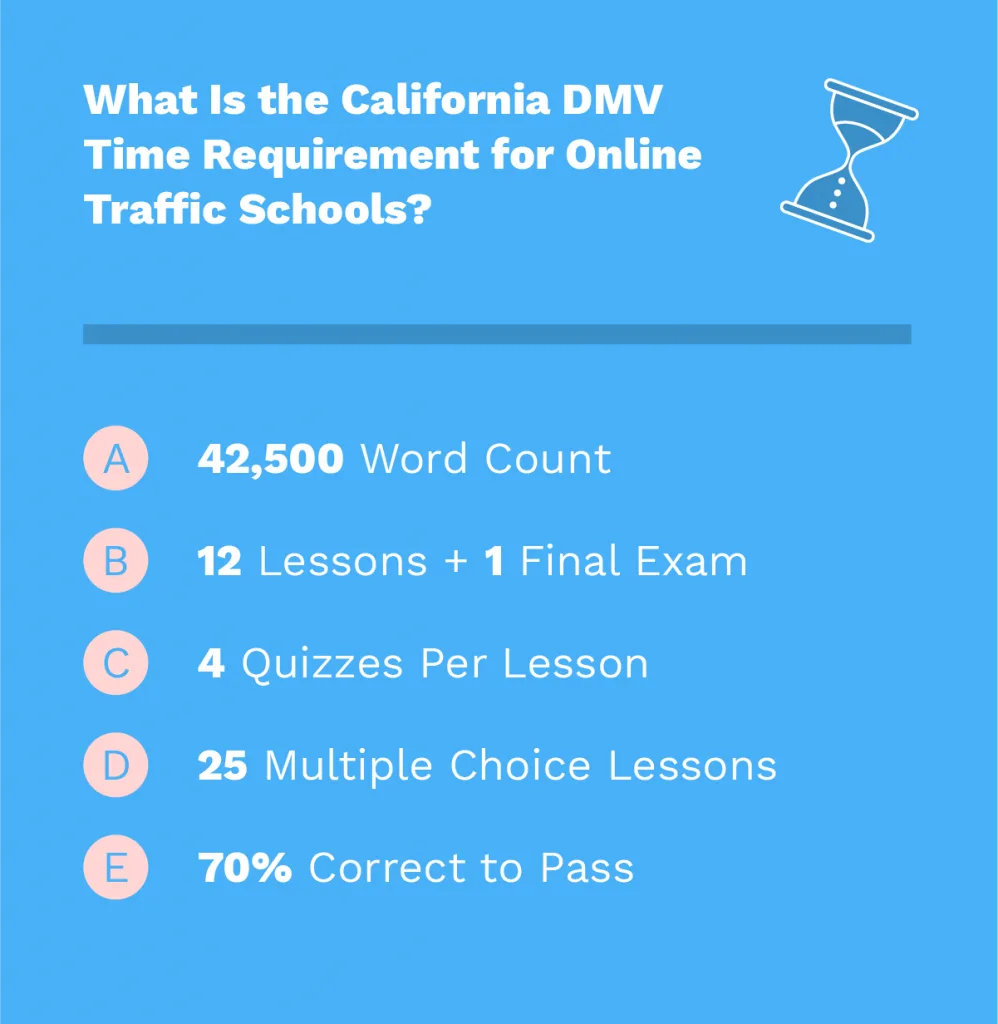
A clean driving record in California is more than just a badge of honor; it’s a practical necessity. Each moving violation typically results in one or more “points” being added to your driving record by the California Department of Motor Vehicles (DMV). Accumulating too many points within a specific timeframe (e.g., four points in 12 months, six in 24 months, or eight in 36 months) can lead to a negligent operator suspension, meaning your driver’s license could be suspended or revoked. Beyond the immediate legal repercussions, points significantly increase auto insurance premiums, sometimes for several years. For tourists, an out-of-state ticket can still impact their driving record in their home state, depending on interstate agreements. Understanding how to keep these points off your record is paramount to a stress-free driving experience in California.
Common Misconceptions About California Driving Laws
Many drivers, especially those new to California, harbor misconceptions about the state’s traffic regulations. For instance, some believe that out-of-state drivers are exempt from points on their record for minor infractions, which is generally not true. The DMV system is quite robust, and most moving violations, regardless of where the driver is licensed, are reported. Another common misunderstanding relates to the availability of traffic school itself. While it’s a popular option for point dismissal, it’s not a perpetually available solution. There are strict eligibility requirements and frequency limitations that govern when a driver can enroll and successfully use traffic school to avoid points. Clarifying these rules is the core of smart driving in California.
Traffic School Eligibility: The Golden Rule in the Golden State
The primary question for many drivers facing a minor traffic infraction in California is: “Can I go to traffic school?” The answer largely depends on several factors, with the most critical being the frequency of your prior traffic school attendance. California law is quite clear on this: you are generally allowed to attend traffic school to mask a point-generating violation once every 18 months. This “18-month rule” is a cornerstone of the state’s traffic enforcement system, designed to give drivers a chance to keep their record clean without making traffic school a routine solution for repeated offenses.
One Violation, One Opportunity Every 18 Months
The “18-month rule” means that if you successfully complete traffic school for a specific eligible traffic violation, you cannot attend traffic school again for another moving violation until 18 months have passed from the date of your prior violation. Not the date you completed traffic school, but the date the original ticket was issued. This distinction is crucial for planning and understanding eligibility. For example, if you received a ticket on January 1, 2023, and completed traffic school for it, you wouldn’t be eligible to attend traffic school for another ticket received before July 1, 2024. This period resets from the date of the new violation once the 18 months have passed.
Key Eligibility Criteria for Traffic Violators
Beyond the 18-month rule, several other criteria determine whether you can attend traffic school in California:
- Valid Driver’s License: You must possess a valid driver’s license.
- Eligible Offense: The violation must be an “abstractable” moving violation that would result in a point on your DMV record.
- Not a Commercial Driver: Generally, commercial drivers who received a ticket in a commercial vehicle are not eligible for traffic school. Some exceptions apply if they were driving a non-commercial vehicle at the time of the infraction.
- No Mandatory Court Appearance: The violation should not require a mandatory court appearance. More serious offenses, such as reckless driving or driving under the influence (DUI), automatically disqualify you.
- No Alcohol or Drug-Related Offenses: Violations involving alcohol or drugs are strictly ineligible for traffic school.
- Court Approval: Ultimately, attending traffic school is at the discretion of the court. While many eligible drivers are granted this option, the court always has the final say.
What Kind of Violations Qualify?
Most minor moving violations qualify for traffic school, provided the other eligibility criteria are met. These commonly include:
- Speeding tickets (within a certain threshold).
- Running a stop sign or red light.
- Unsafe lane changes.
- Failure to yield.
- Minor equipment violations (though these sometimes don’t carry points, making traffic school unnecessary).
Violations that typically do not qualify include:
- Serious misdemeanors or felonies (e.g., DUI, reckless driving).
- Violations that occurred in a commercial vehicle by a commercial driver.
- Tickets with a mandatory court appearance.
- Parking tickets (as they do not add points to your driving record).
- Fix-it tickets (these are typically resolved by demonstrating repair).
The Benefits of Opting for Traffic School
When eligible, choosing to attend traffic school offers significant advantages that extend beyond just resolving a single ticket. It’s a proactive step towards maintaining a clean driving history and mitigating potential financial burdens.
Keeping Points Off Your Driving Record
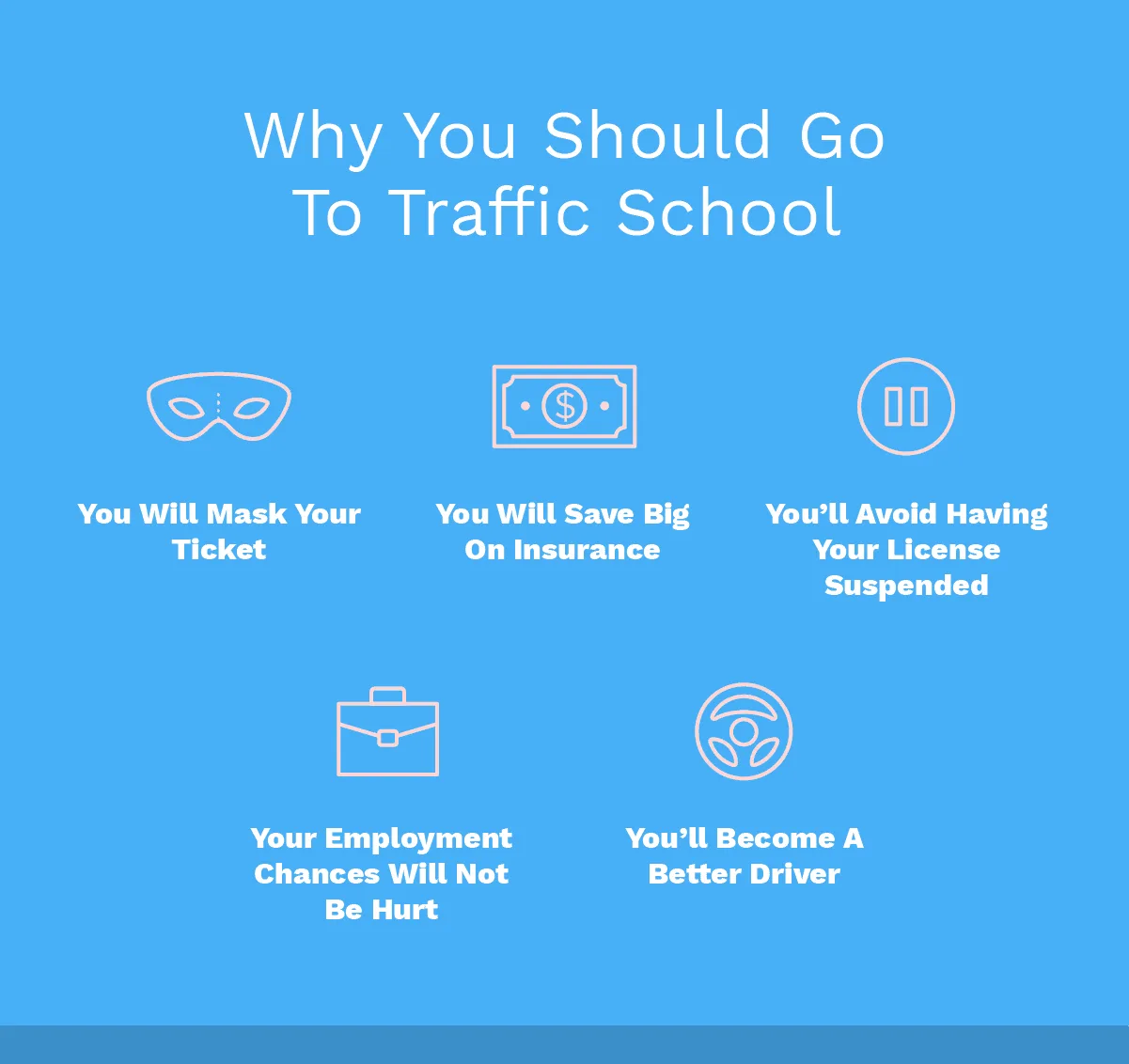
The most immediate and significant benefit of completing traffic school is preventing points from being added to your California DMV record. When you successfully complete an approved traffic school program, the court reports your completion to the DMV. The violation then becomes “confidential,” meaning it will not appear on your public driving record and, crucially, will not be reported to your insurance company. This circumvents the detrimental impact of points, which can lead to higher insurance rates and the risk of license suspension.
Potential Impact on Insurance Premiums
Insurance companies regularly review driving records to assess risk and determine policy premiums. A moving violation that adds points to your record almost invariably results in an increase in your auto insurance rates. These increases can last for several years, making the initial cost of the ticket seem minimal in comparison to the long-term financial drain. By attending traffic school and preventing points, you effectively shield your insurance rates from this common penalty, potentially saving hundreds or even thousands of dollars over time. This financial benefit alone often makes the investment in traffic school well worthwhile.
Educational Value for Safer Driving
Beyond the administrative and financial benefits, traffic school provides a valuable educational opportunity. These courses, whether online or in-person, are designed to refresh your knowledge of traffic laws, promote defensive driving techniques, and emphasize safe driving practices. For both seasoned drivers and those new to California’s unique road conditions, this can be an insightful experience. It serves as a reminder of the responsibilities that come with driving and can contribute to safer roads for everyone, reducing the likelihood of future infractions.
Step-by-Step: Enrolling in California Traffic School
If you find yourself eligible for traffic school in California, the process is relatively straightforward, though it requires attention to detail and adherence to deadlines.
Receiving Your Citation and Initial Actions
Once you receive a traffic citation, the first step is to carefully read the ticket and understand your options. The citation will typically provide information about the fine amount, the due date for payment or appearance, and sometimes, an indication of traffic school eligibility. Many courts also send a courtesy notice via mail that details your options, including instructions for attending traffic school. It is crucial to respond to your ticket before the court date listed, either by paying the fine, requesting traffic school, or appearing in court. Failing to act can lead to additional fines, a “failure to appear” charge, and potentially a suspended driver’s license.
Finding an Approved Traffic School
California requires that you attend a traffic school approved by the DMV. There are numerous options available, including online courses, in-person classes, and home-study programs. Online traffic schools have become particularly popular due to their convenience and flexibility, allowing you to complete the course at your own pace from anywhere with an internet connection. The California DMV website provides a list of approved traffic schools. When choosing a school, ensure it’s on this official list to guarantee your completion will be accepted by the court.
Completing the Course and Certification
Most traffic school courses take approximately 6-8 hours to complete. Online courses often allow you to log in and out, completing sections as your schedule permits. The course material covers various topics, including California traffic laws, defensive driving, and the consequences of unsafe driving. Upon successful completion, which usually involves passing a final exam, the traffic school will issue a certificate of completion. In most cases, the school will electronically submit your completion certificate directly to the court and the DMV on your behalf. However, it’s always wise to retain a copy for your records and confirm with the court that your completion has been successfully processed. You will still be responsible for paying the original traffic fine, along with a separate traffic school administrative fee, to the court.
Beyond the 18-Month Rule: When Traffic School Isn’t an Option
While traffic school is a valuable recourse for many minor violations, it’s not a universal solution. Understanding when it’s not an option is as important as knowing when it is, particularly for maintaining legal compliance and personal safety on California’s roads.
Serious Violations and Mandatory Court Appearances
For more severe traffic offenses, traffic school is simply not an option. Violations such as reckless driving, hit-and-run, street racing, or driving at excessively high speeds often come with mandatory court appearances. These infractions carry more significant penalties, including higher fines, longer license suspensions, and even jail time, and are designed to address dangerous driving behaviors that pose a substantial risk to public safety. In these scenarios, legal representation is highly recommended, as the consequences extend far beyond a simple point on a driving record.
Repeat Offenses and Consequences
Even for minor infractions, if you’ve already attended traffic school within the last 18 months, you will not be eligible for it again. In such cases, the point for the new violation will be added to your driving record. Accumulating multiple points within short periods can quickly lead to your driver’s license being labeled as “negligent operator” status by the DMV. This can result in a DMV hearing, probation, or even a suspension of your driving privileges. Understanding the 18-month cycle and striving for consistent safe driving is the best defense against repeat offenses and their escalating consequences.
Driving Under the Influence (DUI) and Other Major Infractions
Driving Under the Influence (DUI) is treated with extreme seriousness in California, as are other major infractions like driving with a suspended license or committing a felony with a vehicle. These offenses carry severe penalties that can include lengthy license suspensions, mandatory ignition interlock devices, extensive DUI education programs, significant fines, and even incarceration. Traffic school is never an option for these types of violations, which fall under a different category of legal proceedings and consequences. The state’s strict stance on these offenses underscores the importance of responsible driving and avoiding impaired driving at all costs, ensuring the safety of all who share California’s roads.
LifeOutOfTheBox is a participant in the Amazon Services LLC Associates Program, an affiliate advertising program designed to provide a means for sites to earn advertising fees by advertising and linking to Amazon.com. Amazon, the Amazon logo, AmazonSupply, and the AmazonSupply logo are trademarks of Amazon.com, Inc. or its affiliates. As an Amazon Associate we earn affiliate commissions from qualifying purchases.