
California, often romanticized as the land of eternal sunshine, actually boasts a far more nuanced and diverse climate than many travelers anticipate. While prolonged periods of sun are certainly a hallmark, understanding the frequency and distribution of rainfall across the Golden State is crucial for planning an optimal travel experience. Dispelling the myth of perpetual clear skies, this guide delves into California’s rainfall patterns, offering essential insights for visitors preparing to explore its vast landscapes.
Unpacking California’s Diverse Climates: More Than Just Sunshine
California’s immense geographical span, stretching over 800 miles from north to south and encompassing towering mountain ranges, arid deserts, and extensive coastlines, results in a mosaic of microclimates. This diversity dictates where, when, and how much rain falls, defying a simple, statewide average.
The Mediterranean Climate Myth and Reality
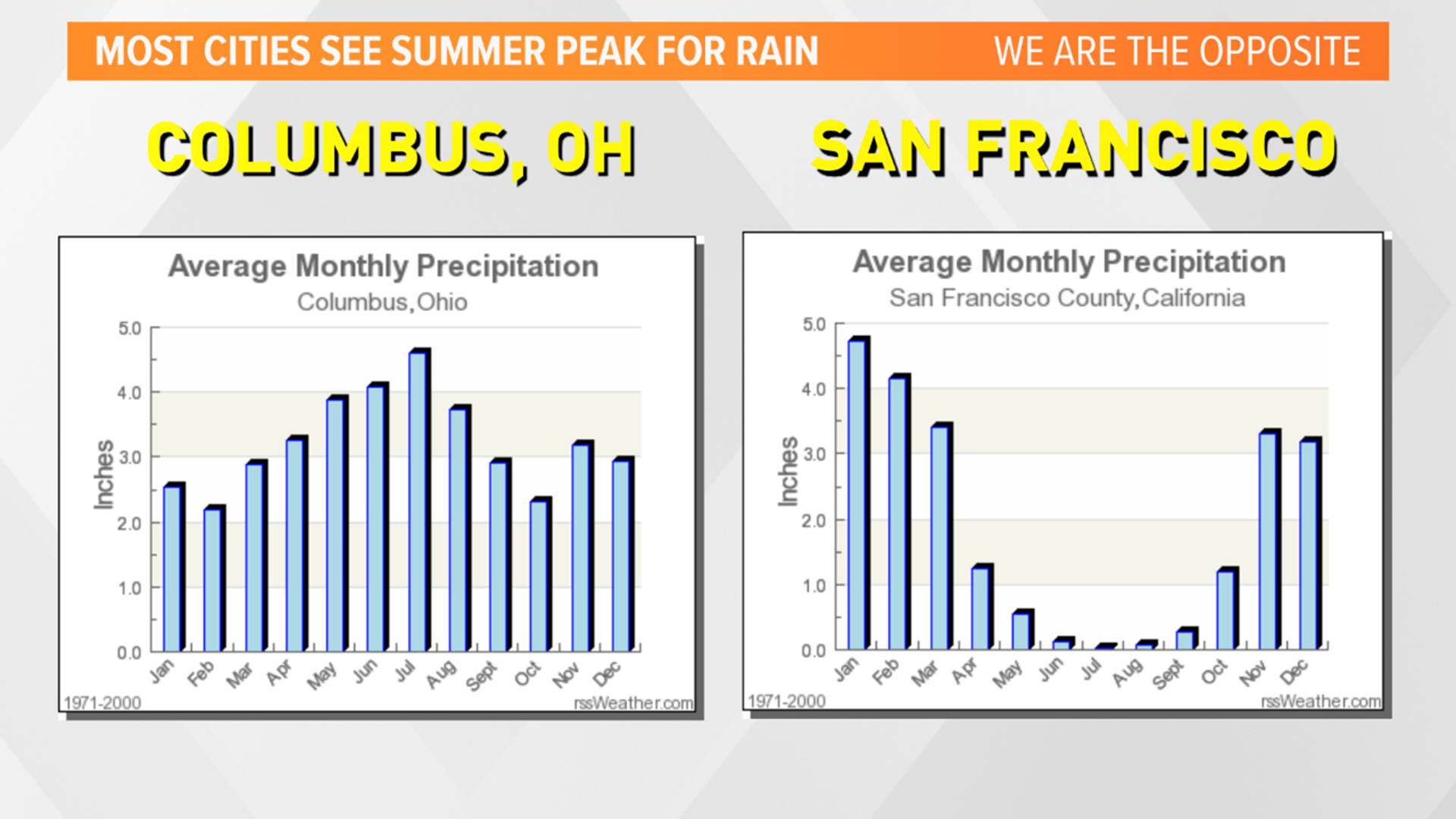
Much of California, particularly its popular coastal and central regions, operates under a Mediterranean climate. This classification is key: it means wet winters and dry summers. Unlike many parts of the United States where precipitation is distributed throughout the year, California experiences a distinct seasonal pattern. For travelers, this translates to predictable dry spells during peak summer months and the highest likelihood of rain during the cooler winter. However, even within this broad category, significant variations exist. For instance, San Francisco might experience foggy, damp summers, while Los Angeles basks in consistently clear skies.
Key Climate Zones and Their Rainfall Patterns
Understanding California’s primary climate zones is fundamental to anticipating rainfall:
- Coastal Regions: From San Diego to the Redwood Coast, these areas experience mild, wet winters and dry, often foggy summers. Rainfall generally increases as you move north along the coast, with Eureka receiving significantly more annual precipitation than San Diego.
- Inland Valleys (e.g., Central Valley): Hot, dry summers and cool, foggy, wet winters characterize these agricultural powerhouses. Rain events are concentrated in the cooler months, often accompanied by dense Tule fog.
- Mountains (Sierra Nevada, Cascade Range): These regions receive substantial precipitation, primarily as snow in winter. This snowpack is critical for California’s water supply, melting to feed rivers and reservoirs. Summers are generally dry, but afternoon thunderstorms can occur, especially in the higher elevations.
- Deserts (Mojave Desert, Colorado Desert): The driest parts of the state, receiving very little rainfall. When rain does occur, it’s often in intense, localized downpours that can lead to flash flooding. Summers are extremely hot and dry, with occasional monsoon moisture bringing thunderstorms to the southeastern deserts.
Seasonal Rainfall: What to Expect When You Visit
The timing of your visit to California is perhaps the most significant factor in determining your likelihood of encountering rain.
Winter: The Wettest Season (November – March)
Winter is unequivocally California’s rainy season. During these months, frontal systems from the Pacific Ocean bring most of the state’s annual precipitation.
- Rainfall Frequency: Coastal and central regions can expect several rainy days per month, especially from December to February. Northern California sees the highest frequency and intensity of rain.
- Snowfall: In the Sierra Nevada and other mountain ranges, precipitation falls primarily as snow, creating ideal conditions for winter sports but potentially closing mountain passes like Tioga Pass in Yosemite National Park.
- Travel Impact: While rain can be persistent, it rarely lasts for days on end without breaks. Days can still be bright and clear between storms, especially in Southern California. However, travelers should be prepared for potential road closures due to flooding or mudslides, particularly after wildfires.
Spring & Fall: Transitional Periods
These shoulder seasons offer a pleasant balance, often with less rain and moderate temperatures, making them popular for travel.
- Spring (April – May): Rain becomes less frequent and intense. Northern California may still see significant showers in April, but by May, most of the state is drying out. Wildflowers often bloom after winter rains.
- Fall (September – October): Generally very dry and pleasant, especially in Southern California. Northern California might start to see the first significant rains by late October, signaling the onset of winter.
Summer: The Dry Season (June – August)
For most of California, summer is synonymous with dry, sunny weather.
- Rainfall Rarity: Coastal and inland areas rarely see rain during these months. Travelers can confidently plan outdoor activities without concern for precipitation.
- Exceptions: The only exceptions are the southeastern desert regions, where occasional monsoonal moisture can bring isolated thunderstorms, and very high elevations in the Sierra Nevada which might experience brief afternoon storms.
- Travel Impact: Ideal for beach trips, hiking in non-desert areas, and exploring cities. However, extreme heat can be a factor in inland and desert locations.
Regional Breakdown: From Redwood Forests to Desert Blooms
Pinpointing rainfall means understanding where you’re going within California.
Northern California & The Redwood Coast
This region, home to the majestic Redwood National and State Parks, is the wettest part of the state. Annual rainfall can exceed 60-100 inches in some areas. Winter brings frequent, often heavy, rain, essential for the lush ecosystem. Summers are drier but often feature significant coastal fog, especially around San Francisco Bay Area.

Central Coast & San Francisco Bay Area
The Central Coast, including destinations like Monterey and Santa Barbara, and the San Francisco Bay Area receive moderate winter rainfall, typically between 15-25 inches annually. Summers are almost entirely dry, though the characteristic San Francisco fog keeps temperatures cool and provides a unique atmosphere.
Southern California (e.g., Los Angeles, San Diego)
Often perceived as eternally sunny, Southern California does get rain, but less frequently and intensely than its northern counterparts. Annual averages range from 10-15 inches. Rain is almost exclusively a winter phenomenon, with summer days rarely seeing a drop. Travelers visiting theme parks or beaches in Los Angeles or San Diego during summer will find virtually no rain.
The Sierra Nevada Mountains
This towering range is a crucial watershed for California. Precipitation is substantial, ranging from 30-80 inches annually, with the vast majority falling as snow above 5,000 feet. Popular destinations like Lake Tahoe and Yosemite National Park transform into winter wonderlands with consistent snowfall, while their summers are typically dry and sunny.
California’s Desert Regions (Death Valley, Palm Springs)
These areas are among the driest places on Earth. Death Valley averages less than 2 inches of rain per year. When rain does occur, it’s usually brief but can be intense, leading to dramatic flash floods. Travelers to Palm Springs or Joshua Tree National Park can expect exceedingly dry conditions, especially in spring and summer.
Travel Implications: Planning Your Trip Around the Rain
Armed with this knowledge, travelers can make informed decisions to enhance their California adventures.
Activities and Attractions by Season
- Winter (Rainy Season): Embrace indoor attractions such as museums (e.g., The Getty Center in Los Angeles, California Academy of Sciences in San Francisco), aquariums, or culinary tours. It’s also prime time for skiing and snowboarding in the Sierra Nevada. Coastal storm watching can be a dramatic experience.
- Spring & Fall (Shoulder Seasons): Ideal for hiking in most regions, wine tasting in Napa Valley or Sonoma, and exploring national parks like Yosemite or Sequoia National Park before peak summer crowds. Wildflower viewing is spectacular in spring.
- Summer (Dry Season): Perfect for beach days, surfing, exploring Lake Tahoe, and visiting theme parks. High-altitude hiking and backpacking become accessible in the mountains.
Packing Essentials for California’s Varied Weather
- Winter: Layers are key. A waterproof and windproof jacket, sturdy waterproof shoes, and an umbrella are essential, especially for Northern California or coastal trips.
- Spring/Fall: Lighter layers, a light jacket for cool evenings, and comfortable walking shoes. Even in these seasons, a compact umbrella might be prudent for early spring in the north.
- Summer: Light clothing, sunscreen, hats, and sunglasses are paramount. If visiting the coast, a light jacket or sweater for cool evenings and foggy mornings is often needed, especially in San Francisco.
Navigating California During the Rainy Season
While rain can impact outdoor plans, it also brings a unique beauty to California. Waterfalls in Yosemite are at their most powerful, hills turn vibrant green, and the air feels clean and crisp. Travelers should always check local weather forecasts and road conditions before embarking on long drives, especially in mountainous areas where snow chains might be required. Keeping flexible plans allows for adapting to unexpected weather shifts.
Understanding California’s Water Future: Drought and Its Impact
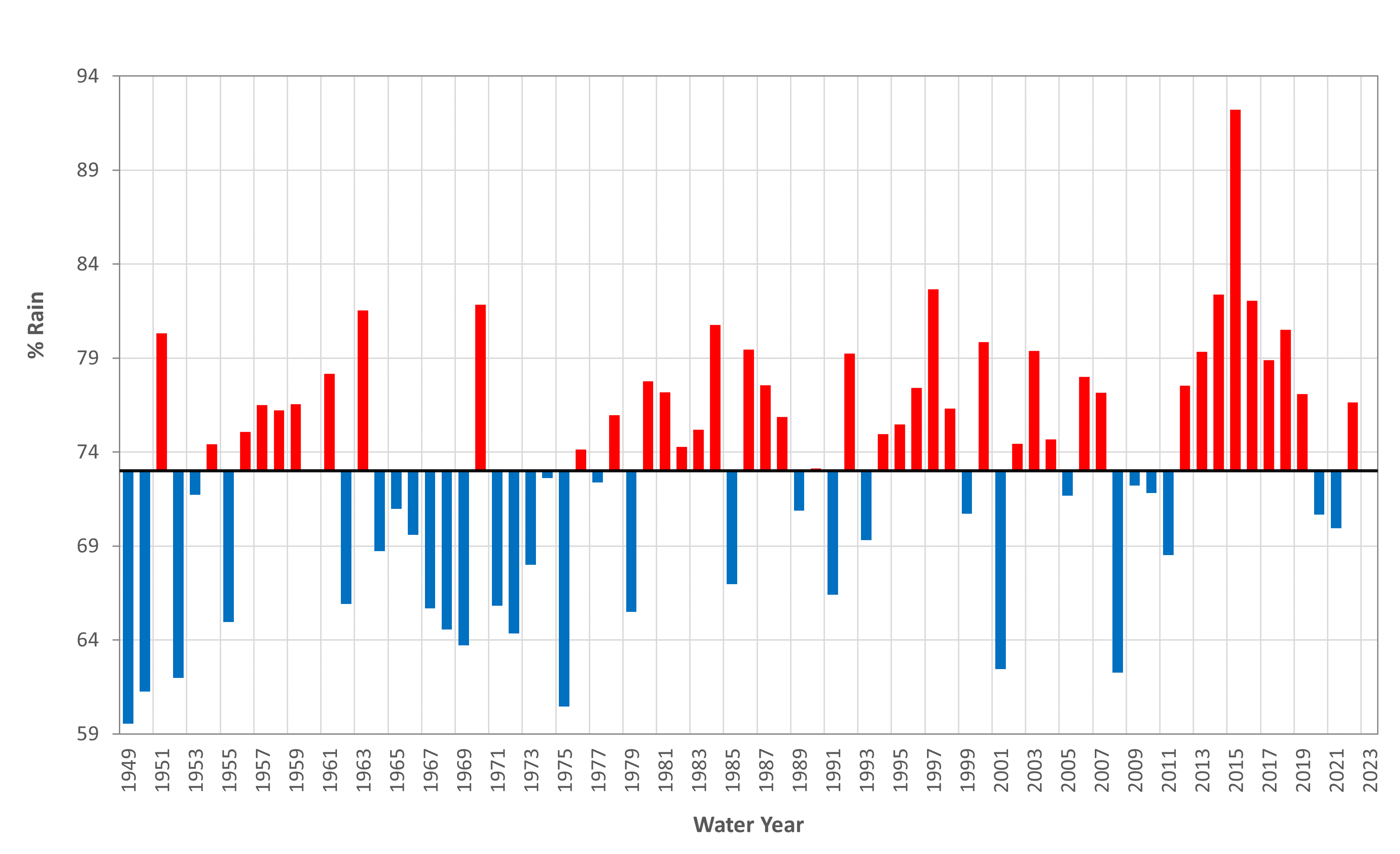
Beyond the seasonal patterns, it’s important for travelers to be aware of California’s long-term struggle with drought. While recent years have brought significant rainfall and snowpack, the state operates in a cycle of wet and dry periods. This means water conservation is always a priority, and travelers should be mindful of their water usage, regardless of recent precipitation.
The Importance of Water Conservation for Travelers
Even during wet years, conserving water is a collective responsibility in California. Simple actions like taking shorter showers, reusing towels, and choosing water-wise accommodations contribute to the state’s efforts to manage its precious resources. Understanding that the rain that falls in winter is critical for the year ahead helps put the state’s climate in perspective.
In conclusion, California is far from uniformly sunny. It experiences a distinct rainy season, primarily in winter, with significant regional variations. By understanding these patterns, travelers can better plan their itineraries, pack appropriately, and truly appreciate the diverse and dynamic natural beauty that defines the Golden State, rain or shine.
LifeOutOfTheBox is a participant in the Amazon Services LLC Associates Program, an affiliate advertising program designed to provide a means for sites to earn advertising fees by advertising and linking to Amazon.com. Amazon, the Amazon logo, AmazonSupply, and the AmazonSupply logo are trademarks of Amazon.com, Inc. or its affiliates. As an Amazon Associate we earn affiliate commissions from qualifying purchases.