
California is a global beacon for tourism, luring millions with its stunning coastlines, iconic cities, majestic national parks, and vibrant cultural scene. From the sun-drenched beaches of San Diego to the towering redwoods of Northern California, the state offers an unparalleled diversity of experiences. However, like many densely populated and geographically diverse regions, California grapples with environmental factors that can occasionally impact the tourist experience, one of the most prominent being smog. Understanding the prevalence and nature of smog in California is crucial for any discerning traveler planning their itinerary, ensuring a trip that is both enjoyable and healthy.
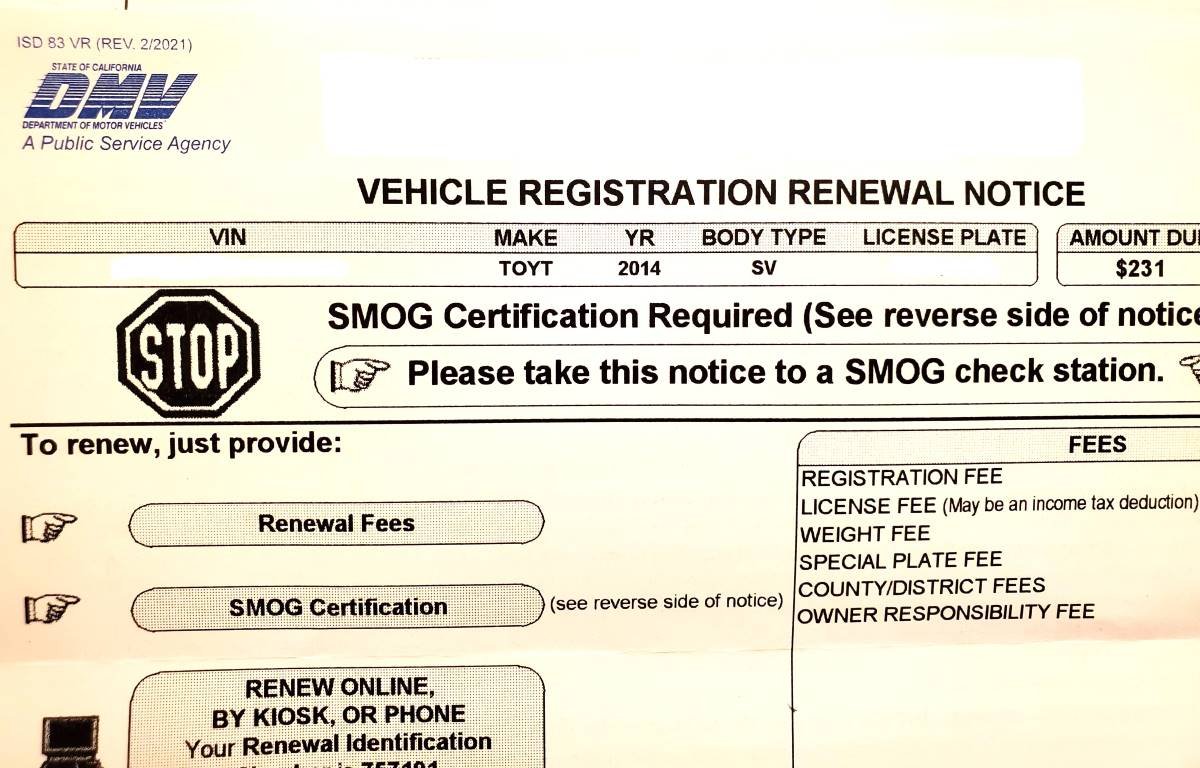
Smog, often perceived as a ubiquitous blanket of pollution, is in reality a complex atmospheric phenomenon with varying impacts across the state and throughout the year. Its presence can affect everything from the clarity of scenic views to the feasibility of outdoor activities, making informed travel planning essential. This guide delves into the specifics of smog in California, providing tourists with the insights needed to navigate its occasional challenges and fully appreciate the Golden State’s splendor.
Understanding California’s Air Quality Landscape for Tourists
For tourists, the concept of air quality can significantly influence the enjoyment of a destination. In California, air quality is a dynamic factor, influenced by geography, climate, population density, and industrial activity. While considerable strides have been made in pollution control, certain areas and seasons still experience periods of elevated smog.
What Exactly is Smog and Why Does it Matter to Visitors?
The term “smog” is a portmanteau of “smoke” and “fog,” though modern smog is typically defined by two primary types: ground-level ozone and particulate matter. Ground-level ozone, a major component of summer smog, forms when emissions from cars, power plants, industrial boilers, refineries, and other sources react chemically in the presence of sunlight. This is particularly problematic for outdoor activities, as ozone can irritate the respiratory system, leading to coughing, throat irritation, and difficulty breathing, especially for children, the elderly, and individuals with asthma or other respiratory conditions. Imagine planning a strenuous hike in Yosemite National Park or a leisurely stroll along the Santa Monica Pier only to find your experience compromised by hazy skies and respiratory discomfort.
Particulate matter, on the other hand, consists of tiny solid or liquid particles suspended in the air. These can include dust, dirt, soot, smoke, and liquid droplets. Fine particulate matter (PM2.5) is particularly concerning because it can penetrate deep into the lungs and even enter the bloodstream, posing serious health risks. It is often more prevalent in winter, exacerbated by wood burning, vehicle emissions, and inversions that trap pollution close to the ground. For tourists, high levels of particulate matter can obscure scenic vistas, reduce visibility, and lead to similar respiratory issues as ozone, impacting everything from photography opportunities at iconic landmarks to simply enjoying the fresh air of California’s diverse landscapes.
The Geographic Hotspots: Where Tourists Might Encounter Smog
California’s vast and varied topography means that smog is not uniformly distributed. Several regions are more susceptible due to their unique geographical features and population centers:
- Los Angeles Basin and Southern California Inland Empire: This region is famously known for its battle against smog. Surrounded by mountains that trap pollution, and home to a massive population and extensive freeway system, Los Angeles and its inland neighbors like Riverside and San Bernardino frequently experience elevated ozone levels, particularly during summer months. Visibility can be significantly reduced, impacting views of the Hollywood Sign or coastal mountains.
- San Joaquin Valley: Stretching through central California, this agricultural heartland is consistently ranked among the areas with the worst air quality in the nation. Its bowl-shaped topography traps pollution from agriculture, industry, and vehicle emissions. Both ozone and particulate matter are major concerns here, especially impacting cities like Fresno and Bakersfield. Tourists traveling through this region to national parks like Yosemite or Sequoia should be aware of potential air quality issues, particularly during inversion periods in winter.
- Sacramento Valley: While not as severe as the San Joaquin Valley, the Sacramento area can also experience periods of poor air quality due to its valley location and growing population. Summer ozone and winter particulate matter are common.
- San Francisco Bay Area: The Bay Area generally benefits from ocean breezes that disperse pollution. However, inland valleys, such as those in the East Bay (e.g., Livermore Valley), can experience higher ozone concentrations, particularly on hot summer days when inversions trap pollutants. Coastal cities like San Francisco typically enjoy much cleaner air.
Seasonal Patterns and Their Impact on Tourist Activities
The type and severity of smog in California are heavily influenced by seasonal weather patterns, which in turn dictate the best times for certain tourist activities.
Summer’s Haze: Ozone and Outdoor Adventures
Summer in California (roughly May to September) is synonymous with sunshine and outdoor pursuits—hiking, beach visits, theme park excursions, and scenic drives. However, this is precisely when ground-level ozone levels tend to be highest, especially in inland areas and valleys. Warm temperatures and abundant sunlight create ideal conditions for ozone formation.
For tourists, this means that while the weather is perfect for outdoor activities, air quality can sometimes be a limiting factor. A planned hike in the foothills near Los Angeles might be less enjoyable on a high-ozone day, as the haze could obscure views and the air might feel heavy. Families visiting Disneyland or Universal Studios Hollywood might experience hazy skies, though the parks themselves have numerous indoor attractions to offer respite. Coastal areas, like those along the Pacific Coast Highway from Big Sur to San Luis Obispo, generally offer significantly cleaner air during summer due to prevailing ocean breezes, making them excellent choices for those prioritizing fresh air.
Winter’s Blanket: Particulate Matter and Urban Exploration
Winter (October to March) brings cooler temperatures and often different air quality challenges, particularly particulate matter. In many California valleys and inland areas, atmospheric inversions—where a layer of warm air traps cooler air (and pollutants) closer to the ground—become more common. This, combined with increased emissions from wood-burning fireplaces and less effective dispersion, can lead to elevated levels of fine particulate matter.
For winter tourists, this primarily affects urban environments and valley regions. Visiting cities like Sacramento or those in the San Joaquin Valley during a heavy inversion can mean reduced visibility and poorer air. This might impact plans for walking tours, outdoor markets, or enjoying panoramic city views. Ski resorts in the Sierra Nevada, such as those near Lake Tahoe, typically enjoy excellent air quality, as the elevation places them above most valley inversions and pollution sources, offering a refreshing contrast for winter sports enthusiasts.

Planning Your California Trip: Mitigating Smog’s Influence
While smog is an undeniable aspect of California’s environment, it doesn’t have to define your trip. Strategic planning and awareness can significantly enhance your travel experience.
Checking Real-Time Air Quality: Tools and Resources for Travelers
The most effective way for tourists to manage smog concerns is to stay informed. Several reliable resources provide real-time and forecast air quality data:
- AirNow.gov: This federal website offers a user-friendly map displaying the Air Quality Index (AQI) for locations across the U.S., including California. It provides color-coded categories (Good, Moderate, Unhealthy for Sensitive Groups, Unhealthy, Very Unhealthy, Hazardous) and associated health recommendations.
- Local Air Quality Management Districts: California has several regional districts, such as the South Coast Air Quality Management District (serving Los Angeles and surrounding areas) and the Bay Area Air Quality Management District. Their websites often provide more localized, detailed information and alerts.
- Smartphone Apps: Numerous apps, such as the AirNow app or local weather apps with air quality integration, can provide on-the-go updates.
By checking the AQI for your planned destination a day or two before and on the morning of your activities, you can make informed decisions.
Choosing Your Destination and Activities Wisely
Flexibility in itinerary planning can be your greatest asset.
- Coastal Preference: If clean air is a top priority, lean towards California’s extensive coastline. Cities like San Francisco, Monterey, Santa Barbara, and San Diego typically benefit from prevailing ocean winds that keep the air much clearer than inland regions, especially during summer.
- Elevation Advantage: High-elevation destinations like Lake Tahoe, Mammoth Lakes, or Yosemite National Park’s higher elevations often have excellent air quality, as they are above many inversion layers and away from major pollution sources.
- Activity Adjustment: On days with moderate or unhealthy air quality, consider shifting plans from strenuous outdoor activities to indoor attractions. California boasts world-class museums (Getty Center, de Young Museum), aquariums (Monterey Bay Aquarium), shopping centers, theaters, and culinary experiences that are unaffected by outdoor air quality.
Health Precautions and Enjoying Indoor Alternatives
For tourists with respiratory sensitivities or those traveling with young children or the elderly, taking simple precautions can make a difference.
- Stay Hydrated: Drinking plenty of water can help alleviate some respiratory discomfort.
- Limit Exertion: On days with high AQI, reduce the intensity and duration of outdoor physical activities.
- Time Your Outings: Air quality often improves in the late afternoon or evening after the peak heat and sun have passed, making these better times for outdoor strolls.
- Consider Face Masks: While not always necessary, an N95 mask can offer protection on particularly unhealthy air days, especially for sensitive individuals.
- Embrace Indoor Gems: California’s indoor attractions are incredibly diverse and offer a fantastic way to experience the state. From exploring the California Academy of Sciences in San Francisco to indulging in the vibrant food scene of Los Angeles, there’s a wealth of activities to enjoy regardless of outdoor air conditions.
Experiencing California Beyond the Haze
Despite the occasional challenge of smog, California remains an extraordinary tourist destination. Its vastness and diversity mean that clear skies and breathtaking experiences are always within reach, often just a short drive away from affected areas.
Coastal Escapes: Cleaner Air by the Ocean
The California coast is a natural antidote to inland smog. The constant ocean breezes act as a natural air purifier, keeping coastal towns and cities relatively free of dense pollution. Tourists seeking pristine air, stunning ocean views, and refreshing atmospheres should prioritize destinations like Big Sur’s rugged cliffs, the charming towns of Carmel-by-the-Sea and Mendocino, or the expansive beaches of Orange County and San Diego. Here, activities like surfing, beachcombing, whale watching, and enjoying sunset dinners remain largely unaffected by inland air quality concerns.
Mountain Retreats: Seeking Elevation and Clarity
Similarly, California’s mountain ranges, especially the Sierra Nevada, offer a sanctuary of clear, crisp air. National parks such as Yosemite, Sequoia, and Kings Canyon provide majestic scenery and typically excellent air quality, particularly at higher elevations. Whether you’re hiking, camping, or simply admiring the giant sequoias, the air quality in these pristine environments is usually superb, offering a stark contrast to valley conditions.
Embracing California’s Diverse Offerings
Ultimately, while smog is a factor to consider, it should not deter tourists from experiencing California’s immense appeal. By understanding its patterns, utilizing available resources, and being flexible with itineraries, travelers can easily navigate periods of reduced air quality. The Golden State’s vibrant culture, culinary excellence, architectural wonders, and unparalleled natural beauty offer an abundance of activities that can be enjoyed under any sky, ensuring a memorable and fulfilling visit for every traveler.
LifeOutOfTheBox is a participant in the Amazon Services LLC Associates Program, an affiliate advertising program designed to provide a means for sites to earn advertising fees by advertising and linking to Amazon.com. Amazon, the Amazon logo, AmazonSupply, and the AmazonSupply logo are trademarks of Amazon.com, Inc. or its affiliates. As an Amazon Associate we earn affiliate commissions from qualifying purchases.