
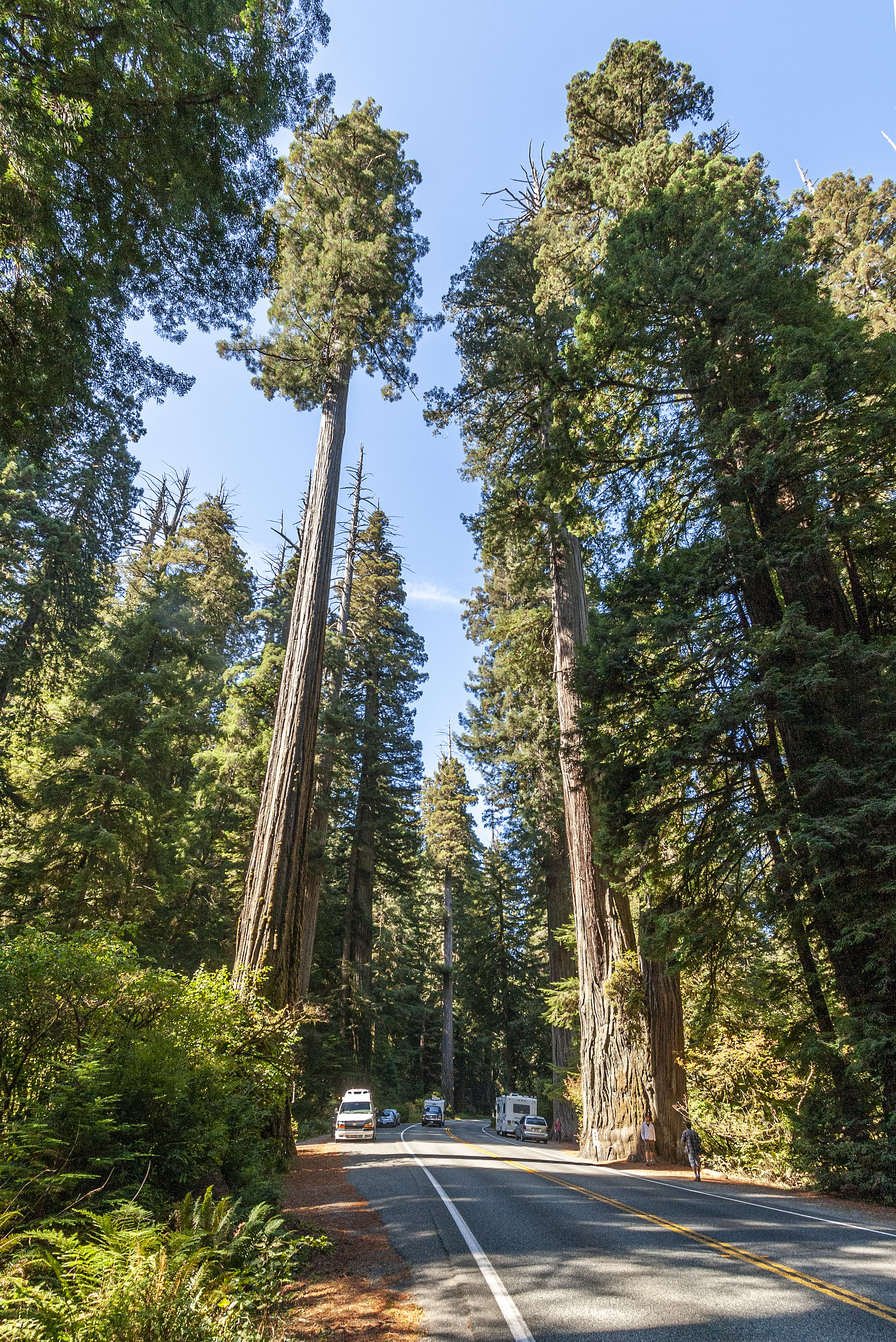
The towering majesty of California Redwoods is a spectacle that transcends the ordinary, inspiring awe and a profound sense of wonder. These ancient giants, found predominantly along the Pacific Coast of California, represent some of the largest and oldest living organisms on Earth. Their immense stature is not merely a botanical fact but a defining characteristic that positions them as iconic natural landmarks, drawing millions to witness their sky-scraping grandeur. Understanding their height involves appreciating not just the measurements, but also the unique conditions and evolutionary journey that have enabled them to reach such incredible dimensions.
Giants Among Us: Understanding Redwood Stature
The term “California Redwoods” often refers to two distinct species, both renowned for their extraordinary height: the Coast Redwood (Sequoia sempervirens) and the Giant Sequoia (Sequoiadendron giganteum). While both are formidable, their preferred habitats and typical growth patterns differ, contributing to their specific records in the arboreal world.
Defining the Coast Redwood and Giant Sequoia
The Coast Redwood is the undisputed champion of height among living trees. These slender, elegant giants thrive in the moist, foggy environment of California’s northern coast, extending into a small part of southern Oregon. Their dependence on coastal fog provides a continuous source of moisture, allowing them to transpire efficiently even during dry summers, a crucial factor in their vertical expansion. With diameters typically ranging from 10 to 15 feet, their sheer height is their most striking feature.
In contrast, the Giant Sequoia claims the title for the largest tree by volume. While not as tall as the Coast Redwood, these massive trees are incredibly stout, with trunk diameters that can exceed 30 feet at the base. They grow exclusively in groves on the western slopes of the Sierra Nevada Mountains in California, preferring a drier, more mountainous climate. Their immense bulk gives them an undeniable presence, creating forests of unparalleled density and grandeur.
The Record Holders: Hyperion and General Sherman
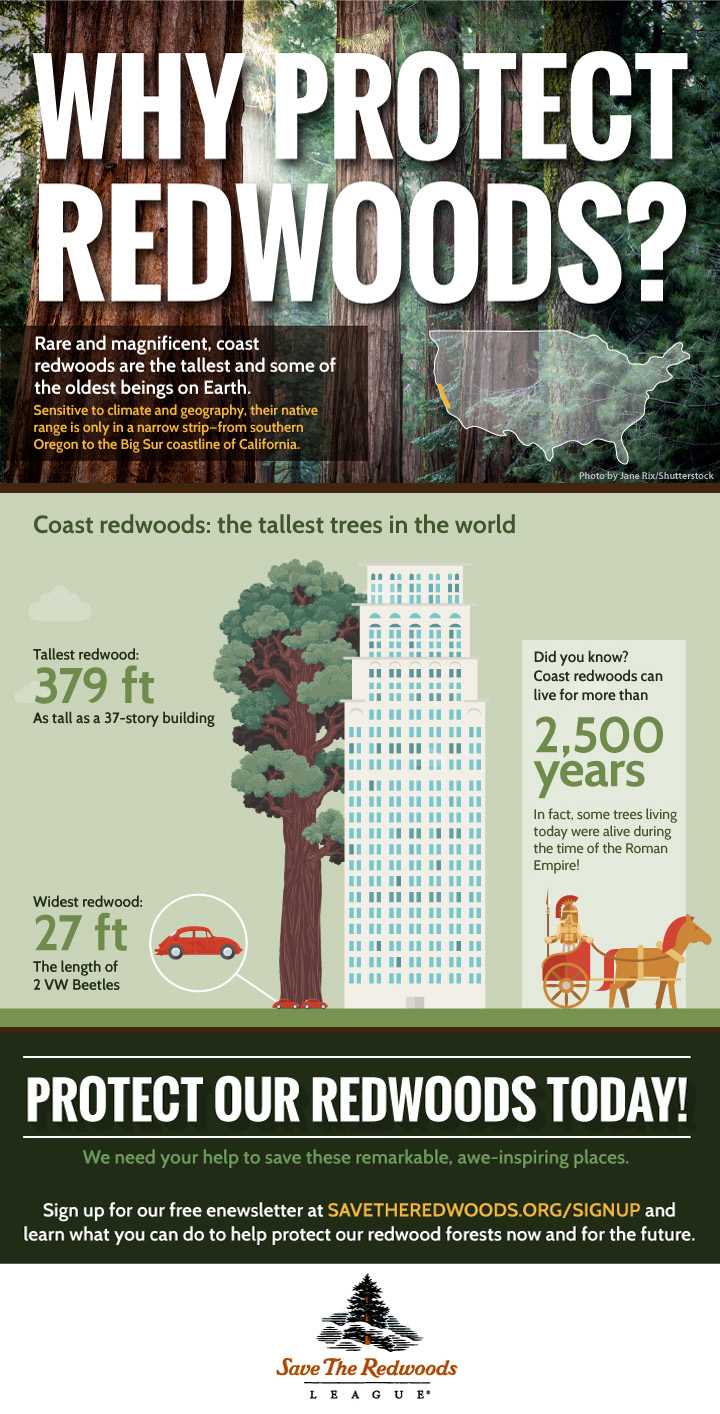
To truly grasp the height of California Redwoods, one must look to the individual record holders. The tallest living tree in the world is a Coast Redwood named Hyperion, discovered in 2006 within Redwood National and State Parks. Hyperion stands an astonishing 380 feet (115.85 meters) tall. To put this into perspective, it’s taller than the Statue of Liberty (from ground to torch) and nearly the height of a 35-story building. Its exact location is kept a secret by park officials to protect it from excessive human impact, underscoring the delicate balance between admiration and preservation.
While Hyperion reigns supreme in height, the largest tree by volume is a Giant Sequoia known as General Sherman, located in Sequoia National Park. General Sherman stands approximately 275 feet (83 meters) tall, making it significantly shorter than Hyperion. However, its trunk boasts a colossal volume of roughly 52,500 cubic feet (1,487 cubic meters), a testament to its immense girth and impressive mass, which is estimated to weigh over 2 million pounds.
Factors Contributing to Immense Growth
Several unique environmental and biological factors converge to enable California Redwoods to reach such unparalleled heights. Their longevity, often exceeding 2,000 years, provides ample time for continuous growth. The thick, fibrous bark of redwoods is incredibly resistant to fire, pests, and rot, protecting them from many common threats that fell other tree species. This resilience allows them to persist through centuries of environmental changes.
Furthermore, the consistent heavy rainfall and dense fog characteristic of the Pacific Coast create an ideal microclimate for Coast Redwoods. The fog not only reduces moisture loss through transpiration but also provides direct hydration to their canopy, particularly important for trees where traditional root uptake becomes less efficient at extreme heights. Giant Sequoias, though in a different climate, benefit from the deep snowpacks of the Sierra Nevada Mountains, providing a steady supply of water through the spring and summer.
Where to Witness These Colossal Wonders
Experiencing the true scale of California Redwoods requires visiting their natural habitats. Several parks and forests across California offer incredible opportunities to walk among these titans.
Redwood National and State Parks
Located in northern California, Redwood National and State Parks is a UNESCO World Heritage Site and an International Biosphere Reserve, comprising four distinct parks: Redwood National Park, Prairie Creek Redwoods State Park, Del Norte Coast Redwoods State Park, and Jedediah Smith Redwoods State Park. This confederation protects nearly half of all remaining old-growth Coast Redwood forests. Here, visitors can explore numerous trails, including the Tall Trees Grove (where Hyperion resides, though not publicly marked), and drive scenic routes like the Newton B. Drury Parkway for breathtaking vistas.
Muir Woods National Monument
Just a short drive north of San Francisco, Muir Woods National Monument offers a convenient and accessible encounter with Coast Redwoods. While the trees here may not reach the absolute record heights found further north, they are still magnificent and provide an excellent introduction to these ancient forests. Boardwalks and paved trails wind through groves of towering trees, making it an ideal destination for families and those seeking a less strenuous experience.
Sequoia National Park and Kings Canyon National Park
For an immersion into the realm of the Giant Sequoias, Sequoia National Park and its contiguous sister park, Kings Canyon National Park, are indispensable. Located in the Sierra Nevada Mountains, these parks are home to the largest trees on Earth by volume. The General Sherman Tree in Sequoia National Park’s Giant Forest is the primary attraction, but numerous other immense trees and groves, such as the Grant Grove in Kings Canyon National Park, offer equally impressive sights.
Humboldt Redwoods State Park
South of Redwood National and State Parks lies Humboldt Redwoods State Park, home to the world-famous Avenue of the Giants. This 31-mile scenic drive parallels Highway 101 and allows visitors to marvel at old-growth Coast Redwoods directly from their vehicles, with numerous opportunities to stop and explore hiking trails that plunge deep into the forest. It protects numerous groves, including Founders Grove, dedicated to those who helped preserve these forests, and the Rockefeller Forest, one of the world’s finest remaining old-growth Coast Redwood forests.
The Ecological Significance of Redwood Forests
Beyond their impressive dimensions, California Redwoods are cornerstones of a unique and vital ecosystem, playing a critical role in global ecology and offering profound insights into natural history.
A Unique Ecosystem and Biodiversity Hotspot
The redwood forests are more than just trees; they are complex ecosystems supporting a rich tapestry of life. The dense canopy creates a unique microclimate on the forest floor, characterized by coolness, shade, and humidity, fostering the growth of ferns, mosses, and a variety of understory plants. The trees themselves provide habitat for diverse wildlife, from insects and salamanders to birds of prey and endangered species like the spotted owl and marbled murrelet. The immense height and structure of Coast Redwoods, in particular, support arboreal ecosystems, where soil mats and even other plants can grow high in their branches.
Role in Carbon Sequestration and Climate Change Mitigation
Due to their extraordinary size and longevity, California Redwoods are exceptional carbon sinks. They store vast amounts of atmospheric carbon dioxide, significantly more than any other forest type on Earth. This makes them incredibly important in the fight against climate change. Their ability to continuously grow for thousands of years means they sequester carbon throughout their extended lifespans, locking it away and helping to regulate global climate patterns. Protecting these forests is thus not just about preserving a natural wonder but also about maintaining a critical ecological service.
Conservation Efforts and Future Protection
The history of California Redwoods is intertwined with significant conservation battles. Once covering nearly 2 million acres, extensive logging in the 19th and 20th centuries reduced old-growth redwood forests by over 95%. Thanks to the tireless efforts of conservation groups like Save the Redwoods League and government initiatives, the remaining old-growth forests are largely protected within state and national parks. However, ongoing challenges such as climate change, invasive species, and the impacts of human visitation necessitate continued vigilance and proactive management to ensure these magnificent landmarks endure for future generations.
Planning Your Visit to Redwood Country
Experiencing the California Redwoods is an unforgettable journey into a primeval world. To make the most of your visit, consider the timing and how to engage respectfully with these fragile giants.
Best Times to Visit for Optimal Experience
The redwood parks are open year-round, each season offering a different perspective. Summer (June to August) is popular for its warm, dry weather and clear skies, but it also brings the largest crowds. Spring (April to May) and Fall (September to October) are often considered ideal, with fewer visitors, pleasant temperatures, and vibrant forest colors (especially in fall). Winter (November to March) can be magical, with mist and rain enhancing the ethereal atmosphere, though some services and roads might be limited due to weather. For Coast Redwoods, the coastal fog is most prevalent in summer, creating the iconic misty forest scenes.
Navigating the Parks: Trails and Scenic Drives
Most redwood parks offer a combination of scenic drives and hiking trails. For Coast Redwoods, explore the Avenue of the Giants or the Newton B. Drury Parkway. In Redwood National and State Parks, trails like Fern Canyon (accessed via a scenic but sometimes challenging road) offer unique landscapes. For Giant Sequoias, the Generals Highway connects Sequoia National Park and Kings Canyon National Park, providing access to famous groves. Many trails are relatively flat and accessible, allowing for easy exploration among the giants.

Respecting the Environment and Park Regulations
When visiting these natural landmarks, it is crucial to adhere to Leave No Trace principles. Stay on marked trails to protect the delicate root systems of the trees and understory vegetation. Do not carve into trees or collect souvenirs. Respect wildlife and observe them from a distance. The immense popularity of these sites makes responsible tourism vital for their long-term preservation. By understanding and respecting the environment, visitors help ensure that the awe-inspiring height and ecological grandeur of California Redwoods continue to inspire generations to come.
LifeOutOfTheBox is a participant in the Amazon Services LLC Associates Program, an affiliate advertising program designed to provide a means for sites to earn advertising fees by advertising and linking to Amazon.com. Amazon, the Amazon logo, AmazonSupply, and the AmazonSupply logo are trademarks of Amazon.com, Inc. or its affiliates. As an Amazon Associate we earn affiliate commissions from qualifying purchases.