
Understanding WIC: A Cornerstone of Family Well-being in California
The Special Supplemental Nutrition Program for Women, Infants, and Children, widely known as WIC, stands as a vital pillar supporting the health and lifestyle of families across California. Far more than just a food assistance program, WIC is designed to empower pregnant, breastfeeding, and postpartum women, infants, and children up to age five with access to nutritious foods, nutrition education, and crucial health referrals. For families navigating the complexities of modern life, the program offers a tangible boost to well-being, ensuring that foundational nutritional needs are met during critical developmental stages. This support system can significantly alleviate financial pressures on household budgets, freeing up resources that can be redirected towards other aspects of a family’s lifestyle, whether it’s educational enrichment, family activities, or building a secure future.
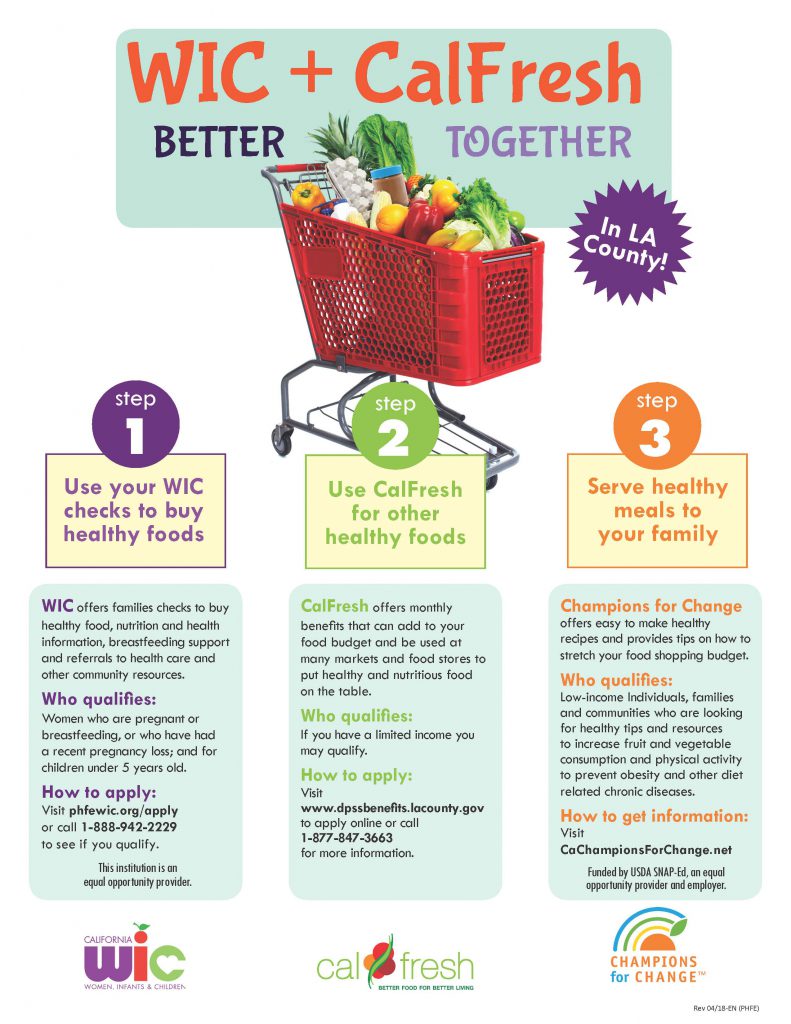
The comprehensive benefits of WIC extend beyond the grocery store. Participants gain access to personalized nutrition counseling, breastfeeding support, and referrals to healthcare and other social services. These resources are invaluable, fostering healthier eating habits that can last a lifetime and helping parents make informed decisions about their children’s health. For new mothers, the peer support and expert guidance on breastfeeding can be particularly transformative, contributing to stronger maternal-infant bonds and improved health outcomes for both. By providing this holistic support, WIC enables families to lay a strong foundation for a healthy lifestyle, reducing the likelihood of nutrition-related health issues and promoting overall development. It’s an investment in the future, safeguarding the health of the most vulnerable members of society and enriching the quality of family life within California’s diverse communities. Understanding the depth of WIC‘s offerings is the first step toward recognizing its profound impact on promoting sustainable family well-being.
Who is Eligible? Shaping Healthy Lifestyles
Eligibility for WIC in California is determined by a combination of income and categorical risk. Participants must fall into one of the following categories: pregnant women, breastfeeding women (up to one year postpartum), non-breastfeeding postpartum women (up to six months postpartum), infants (up to one year old), and children (up to their fifth birthday). Beyond these categories, applicants must meet specific income guidelines, which are set annually and typically align with 185% of the federal poverty level. However, if a family receives benefits from other programs such as Medi-Cal, CalFresh (Food Stamps), or CalWORKs, they are automatically income-eligible for WIC. This interconnectedness with other social safety nets underscores WIC’s role in a broader strategy to support low-income families.
A crucial component of eligibility is the nutritional risk assessment, which is conducted by a health professional at a local WIC agency. This assessment helps tailor the program’s benefits to individual needs, identifying dietary deficiencies or medical conditions that could be improved through nutritional intervention. This personalized approach ensures that WIC effectively addresses specific health challenges, promoting targeted improvements in family lifestyle. The program’s focus on prevention and early intervention makes it a powerful tool for fostering long-term health, directly contributing to the vitality and resilience of families throughout California.
Navigating the Application Process for California Families
Applying for WIC in California is a straightforward process designed to be accessible to families in need. The journey begins by contacting a local WIC agency, which can be found through the California WIC Program website or by calling a toll-free number. These local agencies, often situated within community health centers or public health departments, serve as crucial hubs, providing personalized assistance and support. For busy parents, the convenience of local access is paramount, reducing travel time and making it easier to attend appointments and pick up benefits. Many agencies also offer language services, ensuring that diverse communities across cities like Los Angeles, San Francisco, San Diego, and Sacramento can access the program without linguistic barriers.
Once contact is established, families will typically schedule an appointment. This initial consultation is an opportunity to clarify any questions, understand the program’s benefits, and begin the application process. Preparing for this appointment by gathering all necessary documentation is key to a smooth experience, allowing families to quickly tap into the lifestyle-enhancing support that WIC provides. The application process itself is structured to be supportive rather than daunting, recognizing that families seeking assistance often face various challenges. The goal of the WIC staff is to guide applicants through each step, ensuring they feel informed and empowered as they secure vital resources for their household’s health and well-being.
Gathering Necessary Documents: Preparing for a Healthier Lifestyle
To expedite the application process and ensure a seamless experience, families should arrive at their WIC appointment prepared with specific documents. These typically include proof of identification for each applicant (such as a driver’s license, birth certificate, or passport), proof of California residency (like a utility bill, mail with an address, or lease agreement), and proof of income (such as pay stubs, tax returns, or a letter from an employer). For those automatically income-eligible through other programs, proof of participation in Medi-Cal, CalFresh, or CalWORKs will suffice. Medical information, such as a referral form from a doctor or copies of recent immunization records for infants and children, is also important for the nutritional risk assessment.

Having these documents organized and ready not only streamlines the appointment but also demonstrates proactive engagement in securing family health resources. It’s a small but significant step towards adopting a more organized and health-conscious lifestyle. Many WIC agencies provide checklists or pre-appointment guidance to help families gather everything needed, emphasizing their commitment to making the program as accessible as possible. This preparation ensures that the focus of the appointment can remain on the health assessment and nutrition counseling, rather than administrative hurdles, maximizing the time spent on beneficial lifestyle improvements.
The WIC Appointment: A Step Towards Enhanced Family Well-being
The WIC appointment is a crucial interaction where eligibility is confirmed, and the full scope of program benefits is introduced. During this visit, a health professional, such as a registered dietitian or nutritionist, will conduct a nutritional risk assessment. This typically involves height and weight measurements, and a simple blood test (finger prick) to check for iron deficiency, especially important for pregnant women and young children. This assessment is not just a formality; it’s an opportunity for personalized health insights. Based on the findings, the WIC professional provides tailored nutrition education and counseling, offering practical advice on healthy eating, food preparation, and age-appropriate feeding practices.
This educational component is a cornerstone of the WIC program, empowering families with knowledge that directly enhances their daily lifestyle choices. For instance, new parents might receive guidance on introducing solid foods to an infant, while pregnant women might learn about nutrient-rich options crucial for fetal development. Following the assessment and counseling, eligible participants receive their WIC EBT card, which is loaded with monthly food benefits. This card is similar to a debit card and can be used at authorized grocery stores to purchase specific healthy foods. The entire appointment is designed to be a supportive and informative experience, reinforcing WIC’s commitment to fostering healthier and more vibrant family lifestyles across California.
Maximizing Your WIC Benefits: Enhancing Family Lifestyle
Once enrolled in WIC, understanding how to effectively use the program’s benefits is key to truly enhancing a family’s lifestyle. The WIC EBT card simplifies the process of purchasing healthy foods, but knowing what items are covered and how to shop for them can make a significant difference. Each participant receives a monthly food package tailored to their specific needs – whether they are a pregnant woman, a breastfeeding mother, an infant, or a child. These packages typically include nutrient-dense foods such as fruits and vegetables, whole grains, milk, cheese, eggs, peanut butter, and specific infant formulas or cereals. This ensures that families have access to a consistent supply of foundational nutritional items crucial for development and general well-being.
The flexibility of the WIC EBT system allows families to integrate these benefits seamlessly into their regular grocery shopping routines. It encourages mindful shopping, focusing on fresh produce and wholesome ingredients that contribute to balanced meals. This shift towards healthier purchasing habits can subtly, yet powerfully, influence the entire family’s eating patterns and dietary preferences over time, leading to lasting improvements in lifestyle. Furthermore, by supplementing a family’s food budget, WIC reduces financial strain, allowing households to allocate more resources to other aspects of a fulfilling family life, such as educational materials, recreational activities, or even savings for future family experiences.
Healthy Eating with WIC: Nurturing a Vibrant Family
The heart of WIC’s lifestyle impact lies in its emphasis on healthy eating. The program doesn’t just provide food; it provides the right food. WIC-approved foods are carefully selected by nutritional experts to address common deficiencies and promote optimal health during critical growth periods. For example, the inclusion of whole grains supports digestive health and sustained energy, while a diverse selection of fruits and vegetables ensures a rich intake of vitamins and minerals. For infants, access to specific formulas or nutrient-rich baby foods is paramount for healthy development. This curated selection empowers parents to build nutritious meals that fuel their children’s bodies and minds, supporting everything from school performance to physical activity.
Beyond the specific food items, WIC agencies in California often provide resources like recipe ideas and meal planning tips that incorporate WIC-approved foods. This practical guidance helps families translate their benefits into delicious and healthy family meals, making healthy eating both achievable and enjoyable. Learning to prepare nutritious meals from scratch can become a valuable family activity, fostering culinary skills and healthy habits that extend far beyond the program’s duration. This holistic approach to food and nutrition ensures that WIC participants are not just fed, but educated and inspired to cultivate a truly vibrant and healthy family lifestyle.
Beyond Food: Nutrition Education and Support for Long-term Wellness
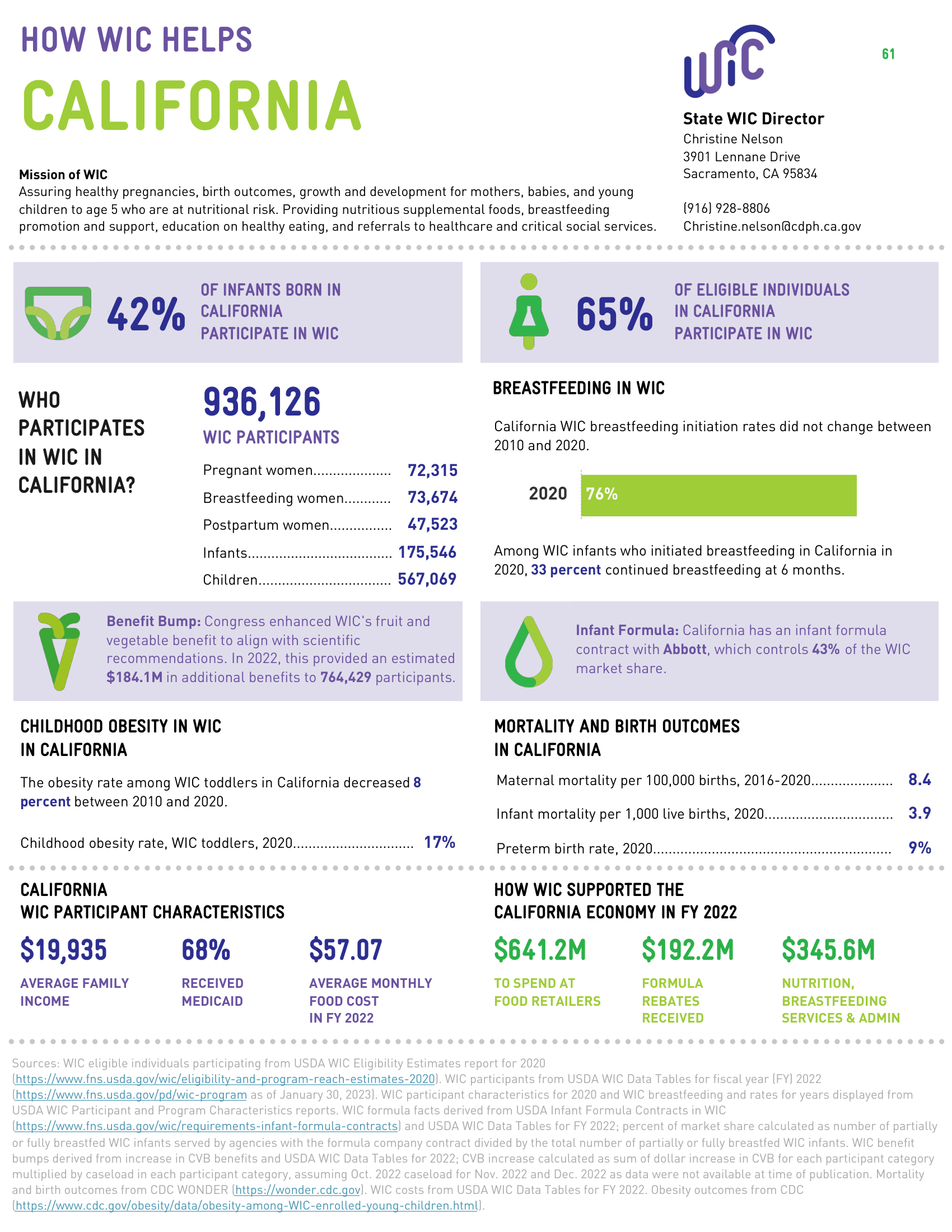
While food benefits are a tangible and immediate advantage, the nutrition education and support services offered by WIC provide an enduring impact on family lifestyle. Each appointment is an opportunity for families to receive personalized counseling from qualified health professionals. This can include guidance on picky eaters, managing food allergies, understanding food labels, or adopting healthier cooking techniques. For breastfeeding mothers, dedicated lactation consultants and peer counselors offer invaluable assistance, promoting successful breastfeeding journeys that are linked to numerous health benefits for both mother and baby. This tailored advice helps parents make informed decisions, building confidence in their ability to nurture their families.
Moreover, WIC serves as a gateway to other essential community resources. Agencies routinely provide referrals for immunizations, dental care, prenatal care, substance abuse counseling, and parenting classes. This integrated approach ensures that families are connected to a broader network of support, addressing various aspects of their well-being. For example, a new mother accessing WIC in Oakland might also be referred to a local parenting workshop, enhancing her support system and contributing to a more confident and engaged parenting lifestyle. By linking participants to these vital services, WIC plays a pivotal role in fostering a comprehensive environment of health and support, laying a robust foundation for sustainable well-being and a flourishing family lifestyle.
LifeOutOfTheBox is a participant in the Amazon Services LLC Associates Program, an affiliate advertising program designed to provide a means for sites to earn advertising fees by advertising and linking to Amazon.com. Amazon, the Amazon logo, AmazonSupply, and the AmazonSupply logo are trademarks of Amazon.com, Inc. or its affiliates. As an Amazon Associate we earn affiliate commissions from qualifying purchases.