
California, a jewel on the United States West Coast, beckons millions with its stunning beaches, iconic landmarks, and vibrant cities. From the bustling streets of Los Angeles and the cultural tapestry of San Francisco to the sun-drenched shores of San Diego, the State of California offers an unparalleled array of experiences. Travelers plan their dream vacations, booking exquisite hotels, exploring world-renowned attractions, and immersing themselves in the unique California lifestyle. However, given its geographical position along the seismically active Pacific Ring of Fire, a question that occasionally surfaces for both residents and visitors is: “Is there a tsunami warning in California?”
Understanding the reality of tsunami threats, the official warning systems in place, and practical preparedness measures is crucial for ensuring peace of mind during your travels. While the thought of a tsunami can be daunting, actual warnings are rare, and [California]’s robust emergency services are well-equipped to handle potential events. This guide aims to provide comprehensive information for anyone traveling to or residing in [California]’s coastal regions, emphasizing safety without detracting from the immense enjoyment this magnificent state offers.
Navigating California’s Coastal Beauty: Understanding Tsunami Preparedness
California’s coastline is legendary, a mosaic of dramatic cliffs, sandy beaches, and thriving marine ecosystems. From the rugged beauty of Big Sur to the family-friendly vibe of Santa Monica Pier and the serene coves of Laguna Beach, these areas are prime destinations for tourism and accommodation. For those exploring these picturesque locales, knowing the current tsunami status and understanding what a tsunami truly entails is a vital part of responsible travel.
Current Tsunami Status and Official Alerts
The most immediate concern for anyone asking “Is there a tsunami warning in California?” is usually the current situation. It’s essential to understand that tsunami warnings in California are not a common occurrence. When they do happen, they are issued with great urgency and based on real-time data from seismic activity and ocean monitoring.
Official tsunami alerts for the [United States] (including [California]) originate from the NOAA Tsunami Warning Center and the National Weather Service. These agencies work in tandem with the California Office of Emergency Services (CalOES) and local emergency management offices.
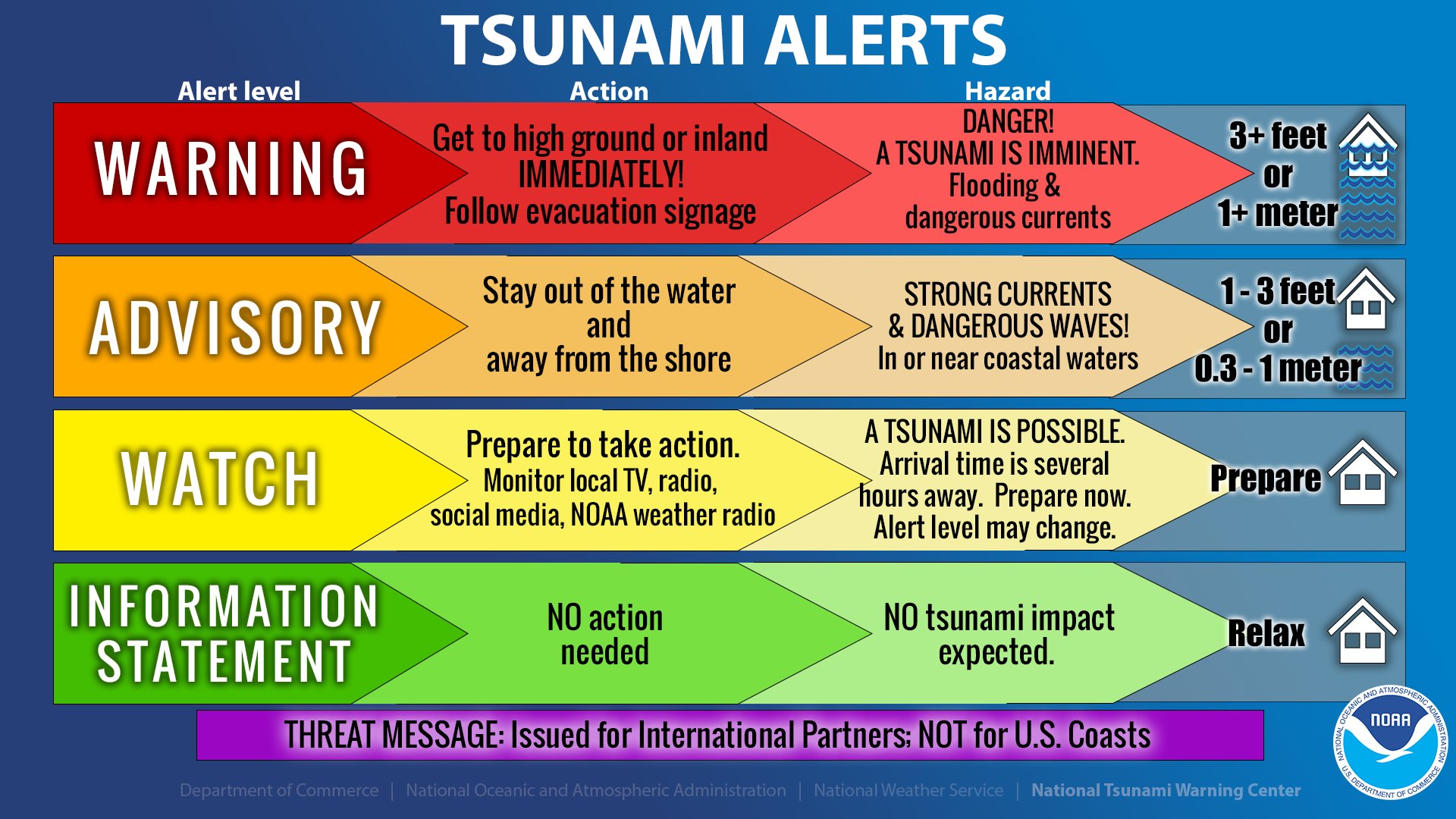
- Tsunami Watch: A tsunami watch is issued when a potential tsunami-generating event (like a major earthquake) has occurred, and its impact on coastal areas is uncertain. This means a tsunami might occur, and people should stay alert and be prepared to take action.
- Tsunami Advisory: An advisory indicates that a tsunami with the potential for strong currents or waves dangerous to those in or near the water is expected or occurring. It urges people to stay out of the water, away from beaches and harbors, but usually does not require evacuation of inland areas.
- Tsunami Warning: This is the highest level of alert, issued when a dangerous tsunami is imminent or expected. It means a significant tsunami is headed for the coast, and coastal areas should be evacuated immediately.
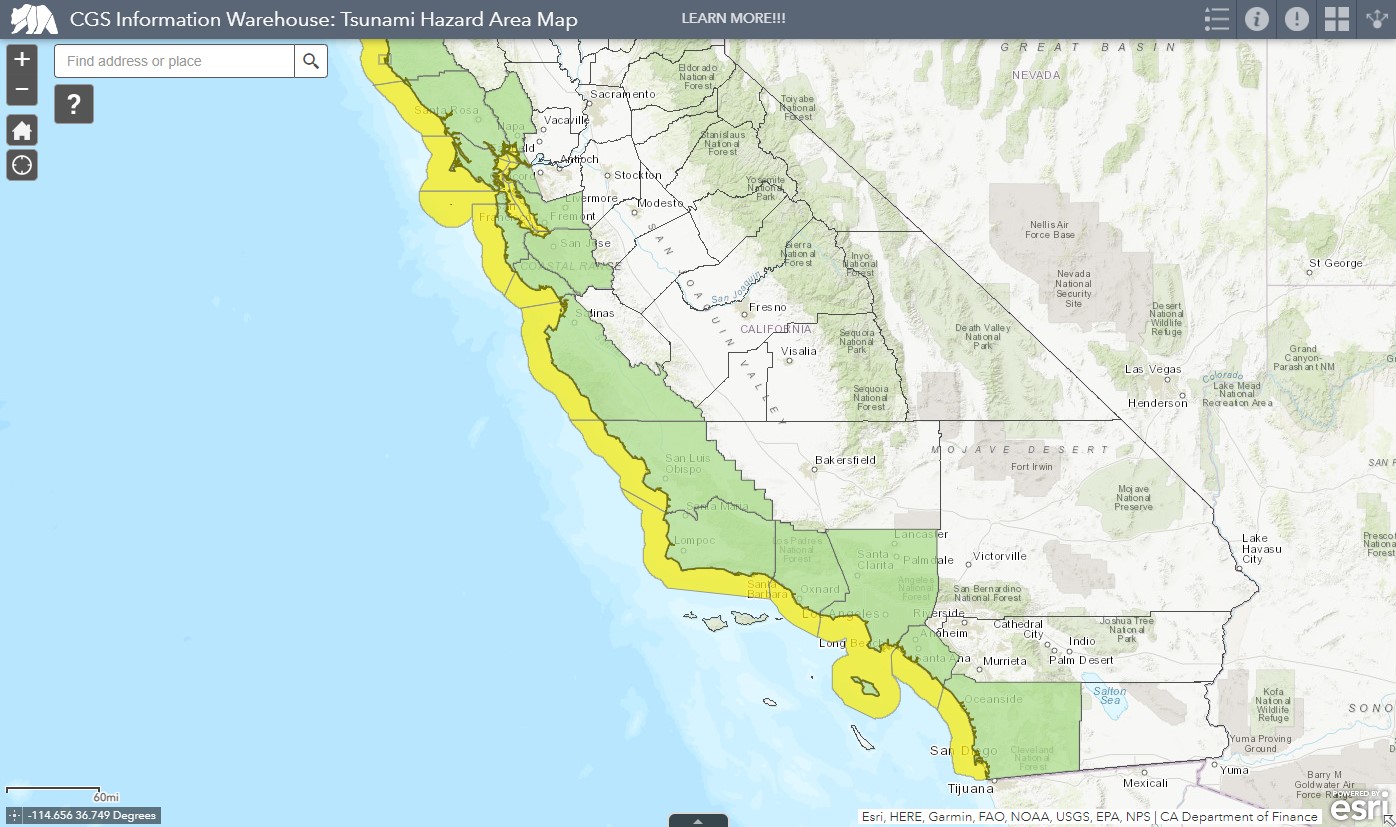
To check for current alerts: Always rely on official sources. Tune into local radio or TV, check the National Weather Service website, or visit the CalOES website. Many coastal communities also have outdoor warning sirens, emergency alert systems (like Wireless Emergency Alerts – WEA on cell phones), and social media channels for real-time updates. If you are staying at a hotel or resort, staff are typically well-informed and will provide guidance during any alert.
The Science Behind the Waves: What Travelers Should Know About Tsunamis
Often mistakenly called “tidal waves,” tsunamis are actually a series of powerful ocean waves generated by large-scale disturbances that displace a massive volume of water. The most common cause is underwater earthquakes, but submarine landslides, volcanic eruptions, and even meteorite impacts can also trigger them. Unlike regular ocean waves generated by wind, tsunamis involve the entire water column from the ocean floor to the surface, carrying immense energy across vast distances.
- Generation: A major earthquake (typically magnitude 7.0 or greater) beneath the Pacific Ocean seabed can cause the ocean floor to suddenly rise or fall, pushing water upwards and initiating a tsunami.
- Travel: In the deep ocean, tsunamis travel incredibly fast—up to 500 miles per hour, as fast as a jet plane—but with very low wave height (often just a few feet), making them imperceptible to ships.
- Shoreline Impact: As a tsunami approaches shallower coastal waters, its speed decreases dramatically, but its height increases rapidly, sometimes reaching tens of feet. The first wave may not be the largest, and a tsunami consists of multiple waves arriving over hours.
- Natural Warning Signs: Even without an official alert, there are natural signs that indicate a tsunami might be approaching:
- Strong Earthquake: If you are near the coast and feel an earthquake strong enough to make it difficult to stand, a tsunami could be generated.
- Loud Ocean Roar: A sudden, loud roar coming from the ocean, similar to a train or jet plane, can precede a tsunami.
- Unusual Ocean Behavior: A sudden draw-down of ocean water, exposing the seafloor, or an unusually high surge of water beyond the normal high tide mark are critical warning signs. If you observe any of these, move to higher ground immediately.
California’s Unique Coastal Landscape: Risks and Resilience
California’s unique geographical position makes it particularly vulnerable to seismic activity. While major, destructive tsunamis are rare, the state has a history of experiencing their effects, often from distant earthquakes. Understanding this history and the underlying geological factors helps appreciate the need for preparedness, particularly for those enjoying coastal accommodations or planning beach visits.
Historical Encounters: Lessons from Past Tsunamis
California has a documented history of tsunamis, with most originating from very distant earthquakes in the [Pacific Ocean]. These events serve as crucial reminders of the potential impact.
- 1964 Alaska Earthquake Tsunami: The most destructive tsunami to hit California was generated by a magnitude 9.2 earthquake in Alaska. It devastated Crescent City in Del Norte County, killing 12 people and causing significant damage to infrastructure and businesses, including hotels and fishing fleets. The waves reached heights of over 20 feet in some areas.
- 2011 Japan Earthquake Tsunami: While no fatalities occurred in California, the magnitude 9.0 earthquake off the coast of Japan generated a tsunami that caused over $100 million in damage along the California coast. Harbors in Santa Cruz, Ventura County, and San Luis Obispo County experienced significant surges, damaging docks, boats, and waterfront properties. The incident highlighted the widespread vulnerability of coastal tourism infrastructure.
- 1960 Chile Earthquake Tsunami: A massive magnitude 9.5 earthquake off Chile created a trans-Pacific tsunami that affected California. While less destructive than the 1964 event, it caused damage to harbor facilities and boats in several locations, including Long Beach and San Pablo Bay.
These historical events underscore the importance of listening to warnings and respecting evacuation orders, even when the earthquake source is thousands of miles away.
Geological Factors: Why California is Vulnerable
California’s position along the dynamic boundary of the Pacific and North American tectonic plates makes it inherently prone to earthquakes, some of which have the potential to cause tsunamis.
- Proximity to the Pacific Ring of Fire: This horseshoe-shaped zone of intense seismic activity encircles the [Pacific Ocean], where most of the world’s earthquakes and volcanic eruptions occur. Major earthquakes within this ring, even far from California, can send tsunamis across the ocean.
- Local Fault Lines: While most California earthquakes are strike-slip (horizontal movement) and less likely to generate tsunamis directly, the state does have some offshore faults and areas prone to submarine landslides. A significant earthquake along these features could potentially trigger a local tsunami, which would arrive with very little warning time (minutes instead of hours).
- Coastal Topography: The varied topography of California’s coastline, with its numerous bays, inlets, and harbors, can amplify tsunami waves in some areas. Locations like [Crescent City], which faces directly into the [Pacific Ocean] and has a funnel-shaped harbor, are particularly susceptible to destructive wave action.
- Active Submarine Landslides: Research by the California Geological Survey (CGS) has identified several areas offshore that have experienced large submarine landslides in the past. These underwater collapses can generate local tsunamis, posing an immediate threat to nearby coastal communities like Malibu or areas around Monterey Bay Aquarium.
Staying Safe and Informed: Essential Tips for Visitors and Residents
For anyone planning a trip to [California]’s stunning coast, or for residents enjoying its unique lifestyle, preparedness is key. It ensures that you can enjoy attractions like the Golden Gate Bridge, the San Diego Zoo, or a relaxing stay in a coastal resort without undue worry.
Before You Go: Planning Your California Coastal Getaway
Proactive measures can significantly enhance your safety and peace of mind.
- Check Your Accommodation’s Location: When booking hotels or accommodation along the coast, especially in areas like [Santa Monica], [Huntington Beach], or [Laguna Beach], check if it’s located in a designated tsunami evacuation zone. Many upscale resorts and budget-friendly hotels are built to withstand natural events, but understanding their proximity to flood zones is helpful. Websites for specific cities often have maps detailing these zones.
- Research Local Emergency Plans: Before arriving in your destination city (e.g., [San Francisco], [Santa Cruz], [Long Beach]), quickly review their local emergency management website. These sites provide valuable information on evacuation routes, shelter locations, and local alert systems.
- Understand Evacuation Routes: Look for blue and white “Tsunami Evacuation Route” signs on roads, especially near beaches and harbors. Familiarize yourself with these routes as part of your travel planning, just as you would for getting to major landmarks or dining spots.
- Travel Insurance: Consider comprehensive travel insurance that covers natural disasters. While a tsunami warning is rare, it can disrupt travel plans, cause flight cancellations, or necessitate unexpected accommodation changes.
- Pack a “Go Bag”: For longer stays or adventurous trips, having a small bag with essentials like medication, a first-aid kit, copies of important documents, a flashlight, and some non-perishable snacks can be beneficial in any emergency.
During an Alert: What to Do in a Tsunami Warning
If a tsunami warning or advisory is issued while you are in a coastal area, immediate and decisive action is critical.
- Heed Official Warnings: Do not hesitate. If you hear a tsunami siren, receive an alert on your phone, or are instructed by authorities or hotel staff to evacuate, do so immediately. This is not the time to “wait and see” or collect souvenirs.
- Move to Higher Ground: Head inland, away from the coast, as quickly as possible. Aim for an elevation of at least 100 feet above sea level or move at least two miles inland, if possible, following designated evacuation routes. Do not stop to watch the waves.
- Stay Informed: Continue monitoring official channels for updates. Do not return to the coast until authorities declare it safe. Remember that multiple waves can arrive, and the first wave is not always the largest.
- If You Are in the Water: If you are swimming, surfing, or boating and feel a strong earthquake or see unusual ocean behavior, get out of the water and move to higher ground immediately.
- Hotels and Resorts: Most hotels and resorts in at-risk areas have emergency plans. They will guide guests to designated assembly points or higher floors if vertical evacuation is deemed safe. Follow their instructions promptly.
After the Wave: Recovery and Responsible Tourism
Should a tsunami impact a coastal area, the period immediately following requires caution and responsible behavior.
- Stay Out of Damaged Areas: Do not enter areas affected by tsunami waves until authorities declare them safe. Debris, downed power lines, and damaged structures pose significant hazards.
- Support Local Recovery: Once areas are deemed safe, consider supporting local businesses and the tourism industry as they recover. Many [California] coastal communities rely heavily on tourism, and your continued patronage (once it’s safe to return) helps them rebuild.
- Check on Loved Ones: Use text messages or social media if possible, to avoid clogging phone lines for emergency responders.
- Respect the Environment: Coastal ecosystems are fragile. Be mindful of any environmental damage and follow guidelines for responsible tourism during recovery efforts.
Ensuring Peace of Mind: Resources and Proactive Measures
While the grandeur of Yosemite National Park or the magic of Disneyland might feel distant from tsunami concerns, many popular [California] destinations are right on the coast. With proper understanding and preparation, visitors can fully enjoy the vibrant lifestyle and diverse attractions that make California a world-class travel destination.
Key Resources for Real-Time Information
For current and future travel planning, bookmarking these official resources is highly recommended:
- NOAA Tsunami Warning Center: Provides real-time tsunami watches, warnings, and advisories for the [Pacific Ocean], including California.
- National Weather Service: Local NWS offices issue specific alerts and weather information relevant to California’s coastal communities.
- California Office of Emergency Services (CalOES): The primary state agency for emergency management, offering comprehensive preparedness guides and current incident information.
- California Geological Survey (CGS): Provides scientific data and maps related to earthquake and tsunami hazards in the state.
- California Coastal Commission: Involved in coastal planning and public access, they also provide resources on coastal hazards.
- Local City/County Emergency Management Websites: Specific cities and counties like [San Diego], Orange County, San Mateo County, Humboldt County, and Mendocino County have dedicated emergency services sites with localized information.
- TsunamiReady Program: Many coastal communities in California participate in the [TsunamiReady] program, which means they have met specific guidelines for tsunami preparedness. Look for this designation when visiting.
Embracing Safe and Enjoyable California Experiences
Ultimately, the question “Is there a tsunami warning in California?” is answered with a reassuring “rarely.” While the potential for such an event exists, California’s comprehensive warning systems, robust emergency infrastructure, and proactive public education initiatives significantly mitigate the risk to both residents and travelers.
By understanding the basic facts about tsunamis, knowing where to find official information, and taking a few simple preparedness steps, you can confidently explore all the wonders of [California]’s magnificent coastline. Whether you’re planning to surf the waves in [Malibu], marvel at the marine life at the [Monterey Bay Aquarium], stroll across the [Golden Gate Bridge], or simply relax at a luxurious beach resort, a little knowledge goes a long way in ensuring your [California] adventure is both safe and unforgettable. Enjoy the journey, embrace the sun, and make memories along one of the world’s most spectacular coastlines.
LifeOutOfTheBox is a participant in the Amazon Services LLC Associates Program, an affiliate advertising program designed to provide a means for sites to earn advertising fees by advertising and linking to Amazon.com. Amazon, the Amazon logo, AmazonSupply, and the AmazonSupply logo are trademarks of Amazon.com, Inc. or its affiliates. As an Amazon Associate we earn affiliate commissions from qualifying purchases.