
Navigating the vibrant landscapes and bustling cities of California can be an exhilarating experience for any traveler or resident. However, an unexpected speeding ticket can quickly dampen the journey, leading to hefty fines, increased insurance premiums, and points on your driving record. Understanding the intricacies of California’s traffic laws and knowing your options is crucial for anyone facing such a situation. This comprehensive guide outlines the steps and strategies for effectively fighting a speeding ticket in the Golden State, transforming a potential setback into a manageable challenge.
Understanding California’s Traffic Laws and Your Rights
Receiving a speeding ticket often comes with a sense of frustration and confusion, especially for those unfamiliar with the local legal landscape. The first step towards a successful defense involves a clear understanding of what constitutes a speeding violation in California and the fundamental rights afforded to you.
The Basics of a Speeding Violation
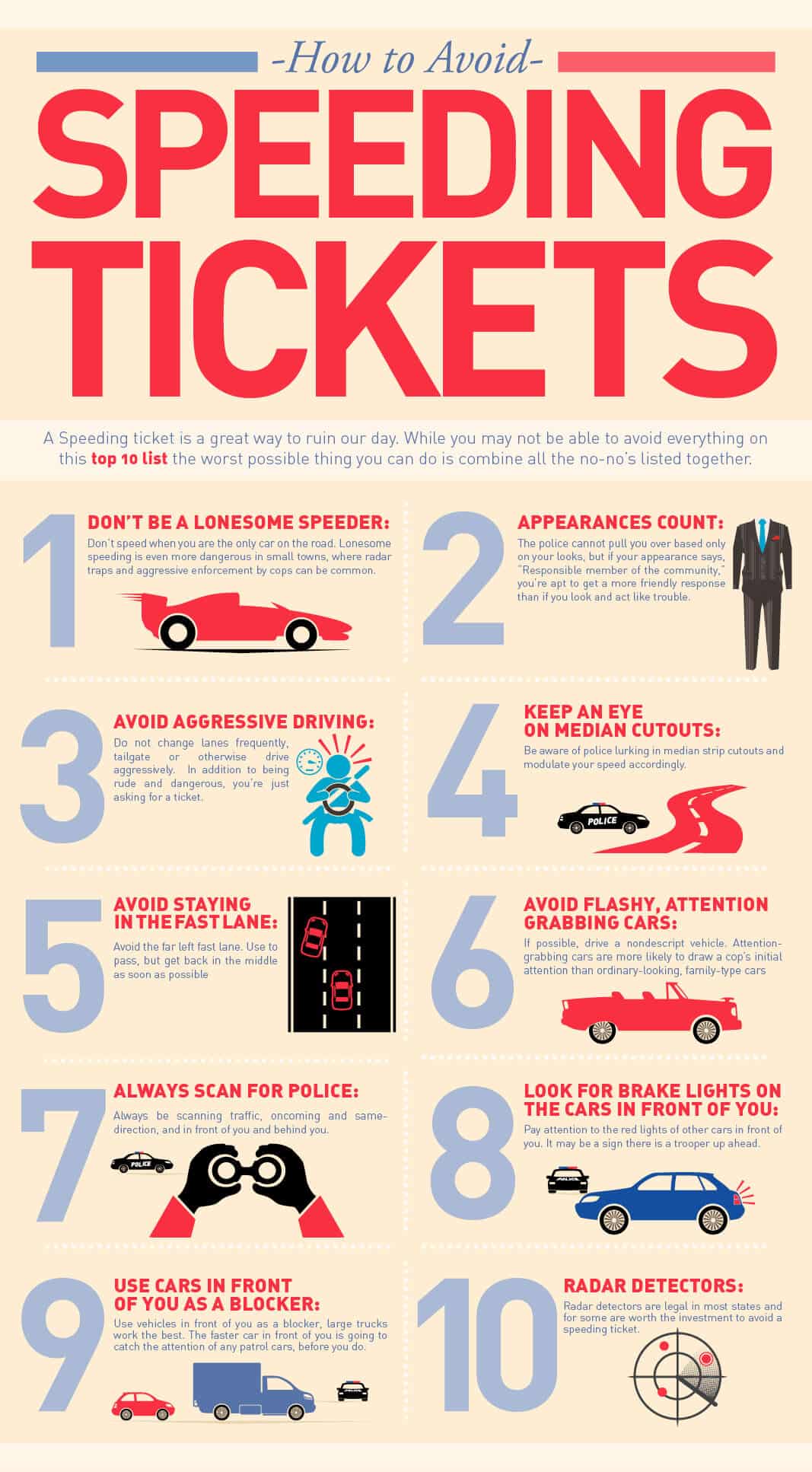
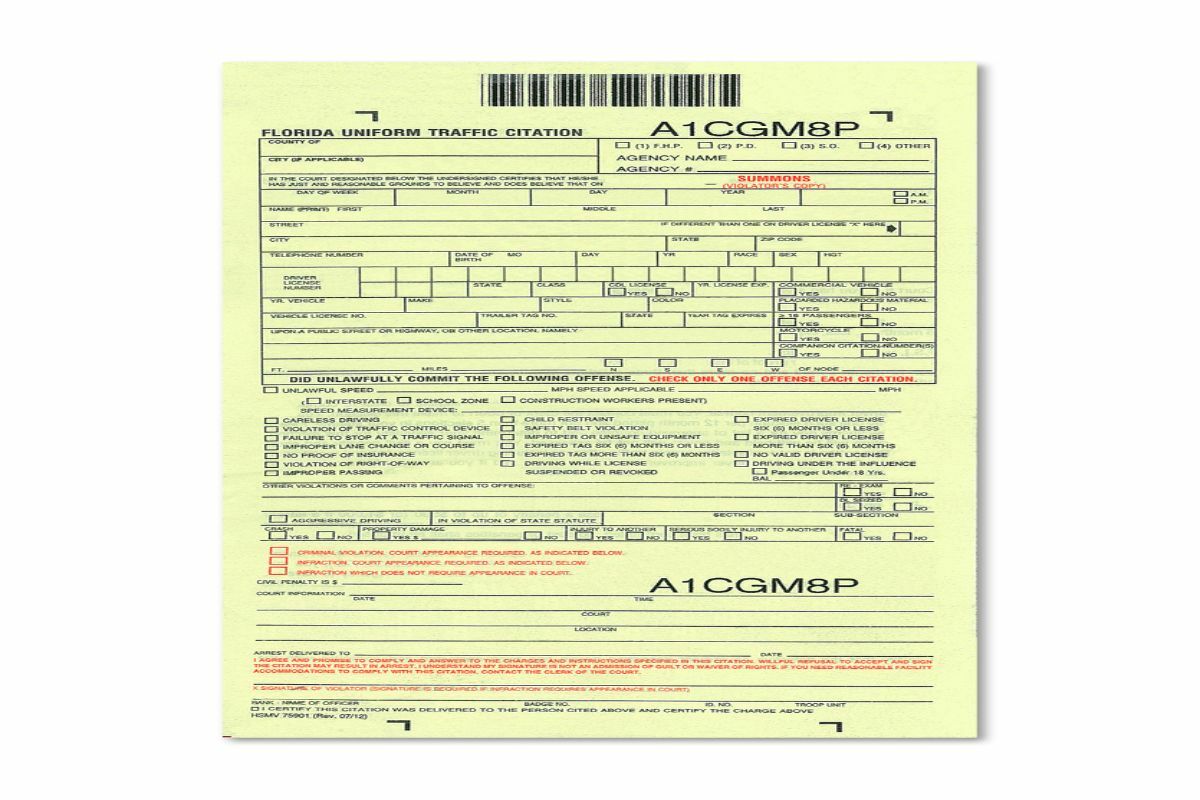
In California, speeding tickets are primarily issued under Vehicle Code Section 22350, which prohibits driving at a speed greater than is reasonable or prudent given the conditions, and Vehicle Code Section 22349, which sets maximum speed limits. Officers typically use radar, lidar, pace clocks, or visual estimation to determine speed. Each method has its potential weaknesses, which can form the basis of a defense. For instance, radar and lidar devices require proper calibration and operation by trained personnel; inconsistencies in these areas can be exploited. Understanding the precise charge against you, as detailed on the citation, is paramount. This includes the alleged speed, the posted speed limit, the location, and the date and time of the infraction.
Initial Steps After Receiving a Ticket
Upon receiving a speeding ticket, resisting the urge to immediately admit guilt or argue with the issuing officer is critical. Instead, calmly accept the citation and proceed to gather as much information as possible at the scene. This includes noting the road conditions, weather, traffic volume, lighting, and any obstructions that might have affected the officer’s view or your ability to gauge speed. Take photographs of the area, including speed limit signs, road markings, and anything else relevant to your situation. Document the officer’s vehicle position and any details about the equipment used. Crucially, locate the due date for your appearance or payment on the ticket. Failing to respond by this date can lead to additional penalties, including a failure to appear charge, increased fines, and a hold on your driver’s license. Options for response typically include paying the fine, attending traffic school, or requesting a court date to contest the ticket.
Deciding Your Course of Action: Pay or Fight?
The decision to pay a speeding ticket or fight it in California involves a careful evaluation of potential consequences and personal circumstances. Each option carries distinct implications for your finances, driving record, and insurance premiums.
Weighing the Costs and Benefits
Paying a speeding ticket in California means admitting guilt. While this may seem like the simplest route, it often entails more than just the base fine. Additional court fees, surcharges, and assessments can inflate the total cost significantly. More importantly, a conviction for speeding typically results in one point being added to your driving record by the Department of Motor Vehicles (DMV). Accumulating too many points within a specific timeframe can lead to driver’s license suspension. Furthermore, insurance companies routinely access driving records and will almost certainly increase your premiums upon discovering a new speeding conviction. This increase can persist for several years, making the long-term cost of simply paying the ticket far exceed the initial fine.
Fighting the ticket, conversely, offers the possibility of avoiding a conviction entirely, which means no points on your record and no insurance premium hikes. While it requires an investment of time and effort—and potentially legal fees if you hire an attorney—the potential financial and logistical benefits of a successful defense are often substantial. It is also an opportunity to exercise your constitutional right to due process.
Traffic School as an Option
For eligible drivers, traffic school presents a middle-ground option. If you are convicted of a moving violation in California, the court may allow you to attend traffic school. Successfully completing an approved traffic school program will prevent the conviction point from being added to your driving record and reported to your insurance company. This can mitigate the impact on your insurance premiums. However, you must still pay the full fine for the ticket, along with a separate administrative fee to the court and the cost of the traffic school itself. Eligibility for traffic school is typically restricted to one time every 18 months and is generally not available for serious infractions, tickets issued in commercial vehicles, or infractions involving alcohol or drugs. Always confirm your eligibility with the court before enrolling. Choosing traffic school is a practical choice if you believe your defense is weak or if you prefer to avoid the complexities of a court appearance while still protecting your driving record.
Preparing Your Defense
Once you decide to contest your speeding ticket, thorough preparation is paramount. A well-organized defense, supported by strong evidence and a clear understanding of legal procedures, significantly increases your chances of a favorable outcome in Traffic Court.
Gathering Evidence
The foundation of any strong defense is compelling evidence. Begin by meticulously reviewing the initial information you collected at the scene. This includes:
- Photographs and Videos: Visual documentation of the road conditions, signage, sightlines, and anything that might have influenced the officer’s speed assessment or your own driving behavior. Look for obscured speed limit signs, construction zones, or hazardous conditions.
- Witness Statements: If anyone was with you or observed the incident, obtain their contact information and a written statement detailing what they saw.
- Calibration Records: For radar or lidar devices, officers are required to ensure their equipment is regularly calibrated. You can formally request these calibration records (often through a discovery motion or subpoena) to check for any lapses or inconsistencies in maintenance.
- Officer’s Training Records: Like equipment, officers must be properly trained in the use of speed-measuring devices. These records can also be requested.
- Personal Notes and Diagrams: Create a detailed timeline of events, noting the time you first saw the officer, where they were positioned, and your estimated speed. Draw diagrams of the road layout and the positions of all vehicles involved.
- Expert Witness (if applicable): In complex cases, or where a significant speeding allegation is made, consulting an expert witness (e.g., an engineer to assess road conditions or a traffic collision reconstructionist) might be beneficial, though this is usually reserved for very serious infractions.
Understanding Court Procedures
Familiarizing yourself with California Traffic Court procedures will demystify the process and help you present your case confidently.
- Arraignment: This is your first court appearance, where you enter a plea (typically “not guilty”) and often set a date for your trial.
- Discovery: You have the right to request evidence from the prosecution, including the officer’s notes, calibration logs, and any video footage. This “discovery” process is vital for understanding the case against you and identifying potential weaknesses.
- Subpoenaing the Officer: For your trial, the ticketing officer must be present. If they do not appear, the case may be dismissed. You can ensure their presence by subpoenaing them, though this is often not necessary as the court usually handles it.
- Trial by Declaration: California allows you to contest a ticket through a Trial by Declaration. This means you submit your defense in writing, along with your evidence, and the officer submits their account. A judge reviews the written statements and renders a verdict without either party needing to appear in person. This can be a convenient option for minor infractions, especially for travelers who may have left the state.
Knowing these steps empowers you to navigate the legal system more effectively and prepare a robust defense.
Presenting Your Case in Court
The trial is your opportunity to present your defense to a judge. Your demeanor, clarity of argument, and ability to challenge the prosecution’s evidence will all play a significant role in the outcome.
Effective Argument Strategies
When presenting your case, focus on factual discrepancies, procedural errors, and reasonable doubt. Avoid emotional pleas or irrelevant details.
- Challenge the Speed Measurement:
- Calibration: Did the radar/lidar device have current calibration records? Was it properly tested before and after the shift?
- Officer Training: Was the officer adequately trained and certified to use the specific speed-measuring device?
- Device Malfunction: Was the device operating correctly at the time of the stop? Could environmental factors (e.g., heavy rain, dense fog) have affected its accuracy?
- Targeting Errors: Was the officer certain they measured your vehicle’s speed and not another nearby car’s, especially in heavy traffic?
- Question the Officer’s Visual Estimation: Visual estimation is subjective. Highlight any factors that might have obscured the officer’s view, such as distance, curves in the road, weather conditions, or other vehicles.
- “Pace” Violations: If paced, how long was the officer pacing you, and at what distance? Any inconsistencies can be questioned.
- Lack of Proof for Speed Limit: Was the speed limit clearly posted? Were there any signs indicating a change in the speed limit? Sometimes, the absence of proper signage can invalidate a ticket.
- Emergency or Necessity: While difficult to prove, if you were speeding due to a genuine emergency (e.g., medical emergency, avoiding an accident), you might argue necessity. This is usually a high bar to meet.
- Beyond a Reasonable Doubt: The prosecution (the officer) must prove your guilt “beyond a reasonable doubt.” Your role is to introduce enough doubt into their case that the judge cannot be certain of your guilt.
What to Expect During Trial
During your trial, you will have the opportunity to make an opening statement, present your evidence, and cross-examine the ticketing officer. The officer will present their testimony first, detailing the circumstances of the stop and how they determined your speed. Listen carefully for any inconsistencies or ambiguities that you can highlight during cross-examination.
When cross-examining the officer, ask clear, concise, and leading questions designed to elicit specific facts or expose weaknesses in their testimony. For example, “Officer, do you recall the last time your radar gun was calibrated?” or “Officer, was there heavy traffic on Main Street at the time of the stop?” Avoid arguing with the officer; simply present the facts that support your case.
After the officer’s testimony, you will present your defense, including your own testimony and any evidence you’ve gathered. Be respectful, articulate, and focus on the facts. The judge may also ask you questions. Finally, both sides may make closing statements. The judge will then render a verdict, which could be guilty, not guilty, or a reduction of the charge.

Post-Trial Considerations and Appeals
Even after a verdict is rendered, the process may not be entirely over. Understanding post-trial options, including appeals, is crucial for ensuring all avenues for a favorable outcome have been explored.
If you are found guilty, the judge will typically impose the fine and any associated penalties, such as points on your driving record. At this point, you might still be able to request traffic school if you were not previously eligible or if the judge offers it as part of the sentencing. This decision rests with the judge’s discretion.
Should you believe that a legal error occurred during your trial or that the evidence did not support a finding of guilt, you have the right to appeal the decision. In California, appeals for infractions are filed with the Superior Court Appellate Division in the county where the ticket was issued. The appeal process requires submitting specific forms and demonstrating a legal basis for the appeal, rather than simply disagreeing with the verdict. You must file your appeal within 30 days of the judgment. The appellate court will review the trial court record for errors of law or abuse of discretion. This process does not involve a new trial but a review of the existing one. If your appeal is successful, the conviction may be overturned, leading to a refund of fines paid and the removal of points from your driving record. While the appeals process can be complex and challenging, it provides an essential safeguard for your rights, emphasizing the importance of detailed record-keeping throughout your initial defense. Consulting with a legal professional specializing in traffic law is highly recommended if you choose to pursue an appeal, as their expertise can significantly enhance your chances of success. Additional information and forms can often be found on the California Judicial Council website.
LifeOutOfTheBox is a participant in the Amazon Services LLC Associates Program, an affiliate advertising program designed to provide a means for sites to earn advertising fees by advertising and linking to Amazon.com. Amazon, the Amazon logo, AmazonSupply, and the AmazonSupply logo are trademarks of Amazon.com, Inc. or its affiliates. As an Amazon Associate we earn affiliate commissions from qualifying purchases.