
Understanding the REAL ID Act and Its Importance for Travelers
Navigating the complexities of identification documents is a crucial aspect of modern life, especially for those who travel domestically within the United States. The REAL ID Act, passed by Congress in 2005, established minimum security standards for state-issued driver’s licenses and identification cards. Its primary goal was to prevent terrorism by making it harder for individuals to obtain fraudulent identification documents, a measure prompted by the events of September 11, 2001. For residents of California, understanding the nuances of obtaining a California Real ID is not just a matter of compliance but a practical necessity for seamless travel and access to federal facilities.
What is a REAL ID?
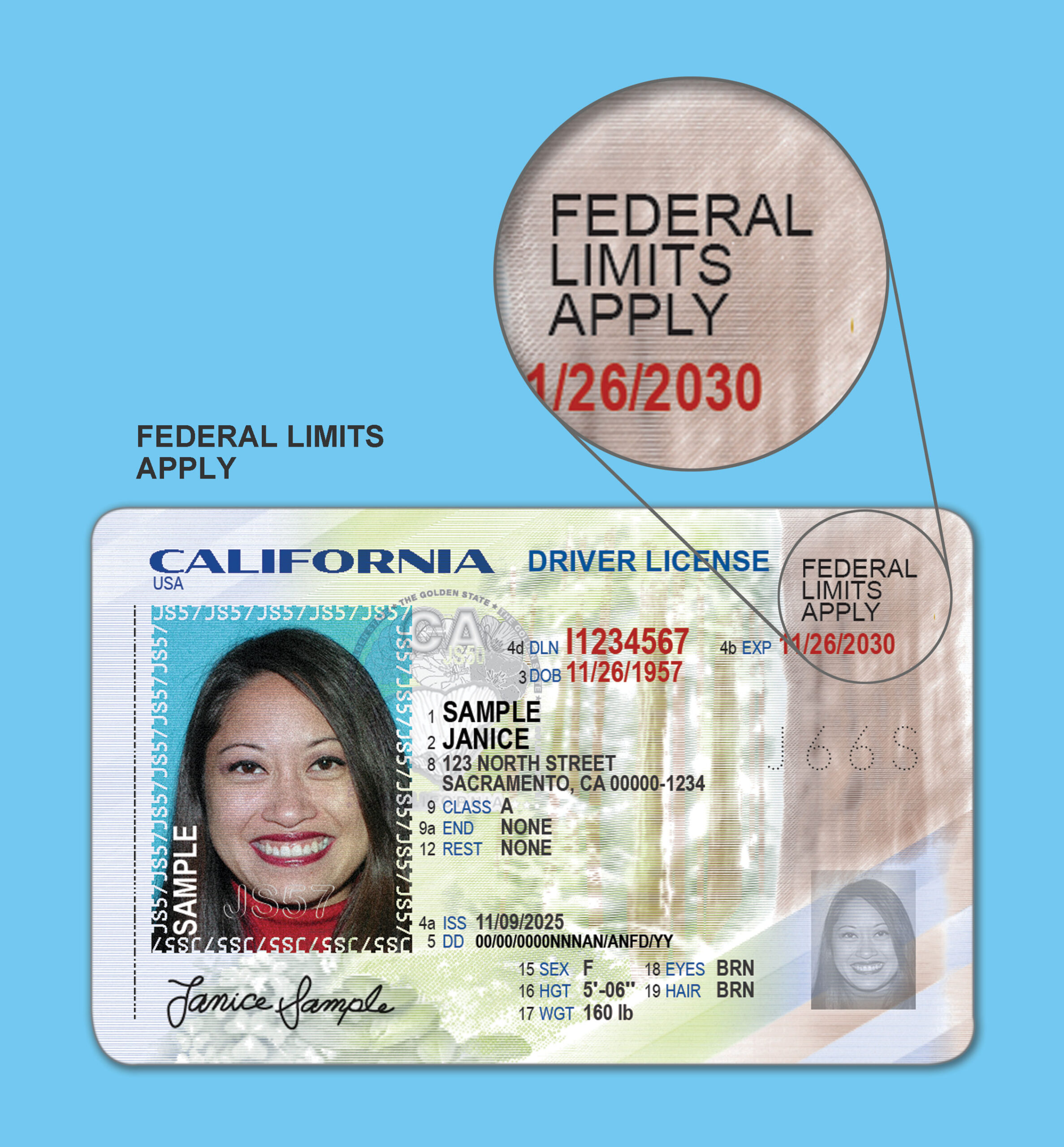
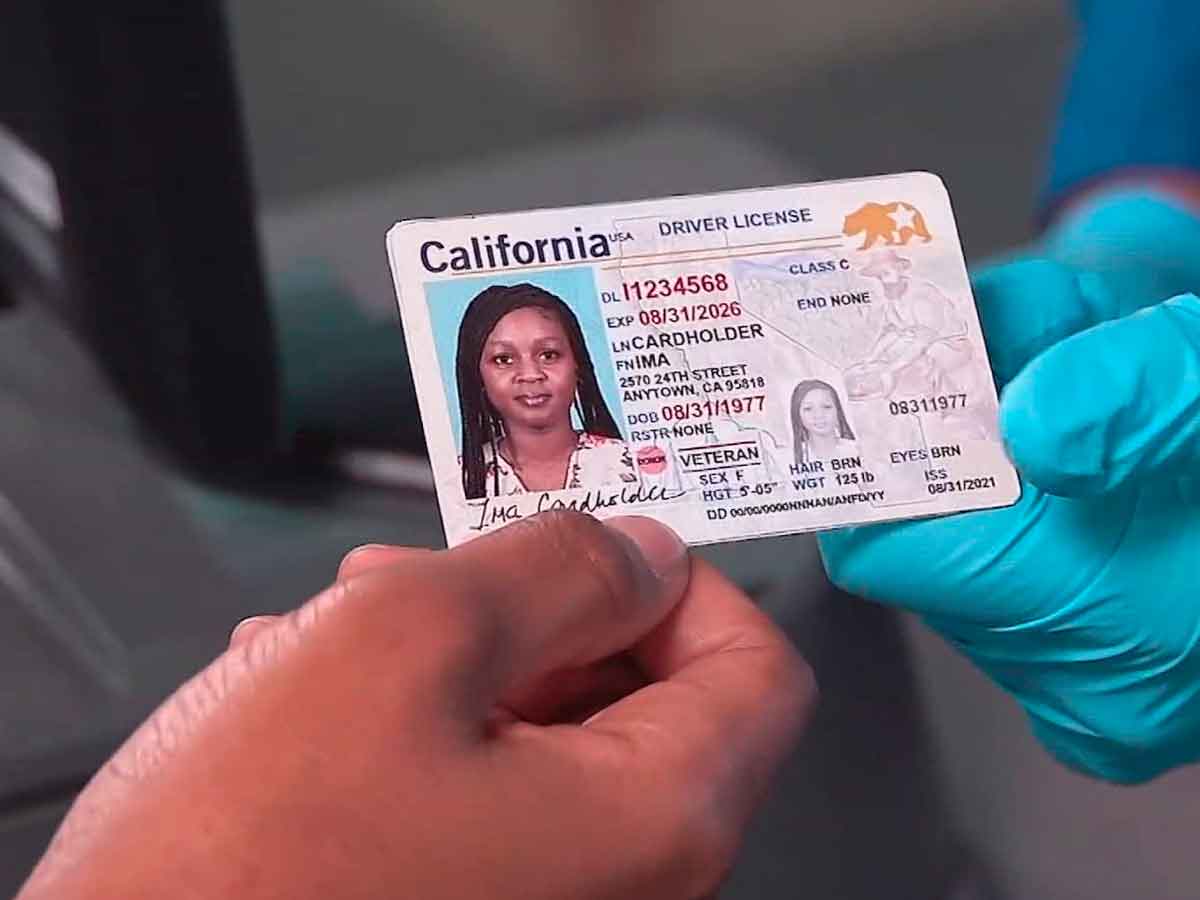
A REAL ID is a driver’s license or identification card that meets the security standards set by the federal government. Visually, a California Real ID card is distinguished by a gold bear with a star cutout in the upper right corner, differentiating it from a standard California driver’s license or ID card, which might be marked “FEDERAL LIMITS APPLY.” While a standard California license is still valid for driving and proving age, it will no longer be accepted for federal identification purposes, such as boarding domestic flights or entering restricted federal facilities, after the final enforcement deadline.
Why You Need It for Travel
The most common reason individuals seek a REAL ID is for air travel. After the enforcement deadline, the Transportation Security Administration (TSA) will require a REAL ID-compliant license or another acceptable form of identification (like a U.S. Passport) to board domestic flights. Without it, travelers could face significant delays or even be denied boarding. Beyond air travel, a REAL ID is also necessary for entering secure federal facilities, such as military bases, federal courthouses, and other government buildings that require identification for entry. For many travelers, especially those without a passport, the REAL ID becomes their primary federal identification document, simplifying their journey and access to various federal services.
Deadlines and Compliance
The federal government has extended the enforcement deadline for the REAL ID Act multiple times. As of the current guidance, the deadline for states to be compliant with the REAL ID Act is May 7, 2025. After this date, every air traveler 18 years of age and older will need a REAL ID-compliant driver’s license or identification card, or another acceptable form of identification, for domestic air travel. It’s crucial for California residents to be aware of this deadline and plan their application process accordingly, as waiting until the last minute can lead to long wait times and potential travel disruptions.
Eligibility and Documentation: Your Checklist
Obtaining a California Real ID requires careful preparation and the collection of specific documents. The California Department of Motor Vehicles (DMV) adheres strictly to federal guidelines, necessitating a comprehensive verification process to ensure the identity and residency of applicants. Missing even a single required document can result in your application being denied, forcing you to reschedule and prolong the process. Therefore, creating a thorough checklist before visiting the DMV is paramount for a successful application.
Proof of Identity
This is arguably the most critical component of your REAL ID application. You must provide one document to establish your legal name and birthdate. The document must be an original or a certified copy; photocopies are not accepted.
Acceptable documents include:
- An original or certified copy of a U.S. Birth Certificate (issued by a government agency, not a hospital record).
- A valid, unexpired U.S. Passport or U.S. Passport Card.
- A certified copy of a Certificate of Birth Abroad (FS-545 or DS-1350) issued by the U.S. Department of State.
- A Certificate of Naturalization (N-550 or N-570) or a Certificate of U.S. Citizenship (N-560 or N-561).
- A valid, unexpired Permanent Resident Card (Green Card) (I-551).
- An unexpired foreign passport with a valid U.S. visa and an approved I-94 form.
- An unexpired Employment Authorization Document (EAD) (I-766).
It’s vital that the name on your identity document matches your current legal name. If there are discrepancies due to marriage, divorce, or other legal name changes, you’ll need additional supporting documents.
Proof of Residency
To prove you are a resident of California, you will need two different documents. These documents must show your first and last name and your current California residential address. Post office boxes are not acceptable.
Examples of acceptable residency documents include:
- Utility bills (gas, electric, water, cell phone, landline phone, internet, cable TV) dated within the last two months.
- Rental agreement or lease with the signatures of the landlord and tenant.
- Mortgage bill or statement.
- Bank statements (checking, savings, credit card) dated within the last two months.
- Insurance documents (homeowner, renter, health, auto) dated within the last two months.
- Medical documents.
- School documents (enrollment verification, transcripts).
- Employment documents (pay stubs, W-2 forms).
- DMV-issued renewal notices.
- Official government correspondence (federal, state, or local).
The two documents must be from different sources and bear your current residential address. If you are unable to provide two separate documents, or if your name doesn’t appear on the bills (e.g., you live with family), the DMV may accept a certified letter from the property owner/manager accompanied by two residency documents in their name.
Proof of Social Security Number
You must present one document containing your full Social Security Number (SSN).
Acceptable documents include:
- Your Social Security Card (original is preferred, but a legible copy may be accepted if it passes verification).
- A W-2 form.
- A Social Security Administration (SSA) 1099 form.
- A non-SSA 1099 form.
- A pay stub with your name and SSN.
The name on your SSN document should match the name on your identity document. If not, you’ll need to provide documentation for the name change.
Name Change Documents (if applicable)
If your current legal name differs from the name on your primary identity document, you must provide documents that link the names. This is a common requirement for individuals who have married, divorced, or legally changed their name.
Examples include:
- Marriage certificate.
- Divorce decree.
- Certificate of name change (court order).
- Adoption documents that verify the name change.
Each document must be an original or a certified copy. Multiple documents may be required to show the entire chain of name changes.
The Application Process: Step-by-Step Guide
Once you have meticulously gathered all the necessary documents, the application process for a California Real ID becomes a streamlined, multi-step procedure. The California DMV has implemented online tools and appointment systems to enhance efficiency, but an in-person visit remains mandatory.
Starting Online: The Pre-Application
The first and most crucial step is to complete the online REAL ID application on the California DMV website. This pre-application process allows you to fill out most of the required information from the comfort of your home, saving significant time during your DMV visit. You’ll input personal details, answer residency questions, and indicate the type of license or ID you’re applying for. Upon completion, you’ll receive a confirmation code, which you’ll need to bring to your appointment. It’s also an excellent opportunity to review the document checklist one last time and ensure you have everything prepared. The online system often provides a personalized document checklist based on your answers, acting as a final verification tool.
Scheduling Your DMV Appointment
After completing your online pre-application, scheduling an appointment at your local DMV office is highly recommended. While walk-ins are sometimes accommodated, appointments drastically reduce wait times, which can otherwise stretch for hours, especially in busy cities like Los Angeles or Sacramento. You can schedule an appointment directly through the California DMV website, choosing a date and time that works best for you and a convenient location. Be prepared to book several weeks in advance, particularly during peak seasons.
Your Visit to the DMV Office
On the day of your appointment, arrive punctually and ensure you have all your original or certified copy documents, along with your pre-application confirmation code.
The process at the DMV typically involves:
- Check-in: Present your appointment confirmation and pre-application code.
- Document Verification: A DMV representative will carefully review all your submitted documents. This step is critical, and any discrepancies or missing documents will lead to a refusal to proceed with the application until corrected.
- Fingerprinting: Your thumbprint will be digitally captured.
- Photo: A new photo will be taken for your REAL ID card.
- Signature: You’ll provide your digital signature.
- Vision Test: If you are applying for a driver’s license, you will undergo a vision screening.
- Payment: Pay the application fee. The fee for a REAL ID-compliant driver’s license or identification card is the same as for a standard license/ID.
Be prepared to answer any clarifying questions the DMV representative might have regarding your documents or application. Maintaining a polite and organized demeanor can help ensure a smooth transaction.
What to Expect After Applying
Once your application is approved and fees are paid, you will typically receive a temporary ID card. This temporary ID is valid for driving and serves as proof that you have applied for a REAL ID, but it is generally not accepted for air travel. Your official California Real ID card will be mailed to the residential address on file within a few weeks, usually within 2-4 weeks. It’s crucial to check your mail regularly for the arrival of your new card. If you do not receive it within 4-6 weeks, contact the DMV for assistance.
Common Pitfalls and Expert Tips for a Smooth Process
While the process to obtain a California Real ID is straightforward with proper preparation, many applicants encounter common hurdles. Awareness of these issues and adopting a proactive approach can significantly enhance your experience and avoid unnecessary delays, ensuring your travels remain uninterrupted.
Double-Checking Your Documents
The most frequent reason for application denial or delay is incorrect or insufficient documentation. Before heading to the DMV, meticulously cross-reference your collected documents with the DMV’s official checklist. Ensure all documents are originals or certified copies, not photocopies, unless specifically stated otherwise (like for a Social Security Card). Verify that names, dates, and addresses on all documents are consistent and accurately reflect your current legal information. If there’s any discrepancy, gather the necessary legal documents (e.g., marriage certificates, court orders) to bridge the gap. A single missing document or an uncertified copy can send you back home to reschedule.
Navigating DMV Wait Times
Even with an appointment, DMV offices can be busy. To minimize potential frustration, aim for appointments during off-peak hours, typically mid-week mornings. Avoid Mondays, Fridays, and the first or last days of the month, which are often the busiest. If possible, consider visiting a DMV office in a smaller town or less populated area, as they might have shorter wait times compared to major metropolitan centers. Arrive at least 15-20 minutes before your scheduled appointment to allow for check-in and any unforeseen initial delays.
Understanding Temporary IDs
Upon successful completion of your REAL ID application at the DMV, you will be issued a temporary ID paper document. While this temporary document validates your driving privileges or identity for general purposes within California, it is crucial to remember that it is generally not accepted by the TSA for boarding domestic flights. Therefore, if you plan to fly before receiving your physical REAL ID card in the mail, you must carry an alternative acceptable form of identification, such as a U.S. Passport or a military ID. Plan your travel accordingly, allowing ample time for the permanent card to arrive.
Alternatives to a REAL ID for Specific Situations
While a REAL ID is becoming indispensable for many, it’s not the only acceptable form of identification for federal purposes. If you frequently travel internationally or access federal facilities, you might already possess an alternative, federally accepted ID.
These include:
- A valid, unexpired U.S. Passport or U.S. Passport Card.
- A federal government PIV card.
- A U.S. military ID (active duty or retired).
- An enhanced driver’s license (EDL), though California does not issue EDLs.
- Certain other federally recognized IDs like a TSA PreCheck® card or a Global Entry card.
If you possess one of these documents, you might not urgently need a REAL ID for domestic air travel, though having a REAL ID-compliant state ID offers convenience and redundancy. For individuals who do not fly or access federal facilities, a standard California driver’s license or ID card will continue to be valid for driving and general identification purposes within the state. Understanding your personal travel habits and needs will help you determine the best identification strategy.
LifeOutOfTheBox is a participant in the Amazon Services LLC Associates Program, an affiliate advertising program designed to provide a means for sites to earn advertising fees by advertising and linking to Amazon.com. Amazon, the Amazon logo, AmazonSupply, and the AmazonSupply logo are trademarks of Amazon.com, Inc. or its affiliates. As an Amazon Associate we earn affiliate commissions from qualifying purchases.