
For decades, the hospitality industry operated on a rigid, standardized clock. Guests were expected to check in during the mid-afternoon and depart by late morning the following day. This “overnight-only” model often left travelers in a bind, particularly those dealing with long flight layovers, early morning arrivals, or the need for a quiet space during a business trip. However, the accommodation sector is currently undergoing a significant transformation. The answer to whether you can book a hotel room for a few hours is a resounding yes, thanks to the rise of “micro-stays” and “day-use” bookings. This shift represents a major pivot in how inventory is managed and how modern travelers consume hospitality services.

Understanding the Concept of Day-Use and Micro-Stays
The traditional booking model is built around the “nightly rate,” but hotels are increasingly realizing that their rooms often sit vacant between 10:00 AM and 6:00 PM—the very hours when housekeeping is finishing up and new guests have yet to arrive. To maximize occupancy and revenue, many establishments now offer day-use rooms. These are not just for quick naps; they are full-service accommodations available for a fraction of the cost of an overnight stay.
The Evolution of the Hourly Booking Model
The concept of booking by the hour isn’t entirely new, but its reputation has changed drastically. Historically associated with “love hotels” in Japan or budget roadside motels, the modern micro-stay is now a premium offering embraced by global brands. Companies like Accor and InterContinental Hotels Group have integrated day-stay options into their portfolios, recognizing that flexibility is a key differentiator in a competitive market.
In the United States and across Europe, the rise of digital platforms specifically designed for short-term bookings has legitimized this practice. These platforms act as intermediaries, allowing hotels to list their daytime inventory and allowing consumers to filter for specific time blocks, such as three, six, or twelve hours. This granular control over the booking duration is a hallmark of the modern accommodation landscape.
Terminology: Day-Use vs. Micro-Stay
While often used interchangeably, there are subtle differences in the accommodation industry. A “day-use” booking typically refers to a set block of time during daylight hours, often from 9:00 AM to 5:00 PM. A “micro-stay,” popularized by platforms like ByHours, allows for even more precision, letting guests choose a specific number of hours starting from the moment they check in, regardless of the time of day. This flexibility is particularly useful in major transport hubs like London or Dubai, where travel schedules are constant and do not adhere to a traditional 9-to-5 window.
How to Book a Hotel for a Few Hours
Booking a short-term stay is slightly different from securing a standard overnight room. While you can sometimes walk up to a front desk and negotiate, the process is much more efficient when using specialized digital tools or knowing which brands cater to this niche.
Dedicated Platforms for Short Stays
The most effective way to find hourly accommodations is through dedicated booking sites. Dayuse.com is the global leader in this space, partnering with thousands of hotels in countries like France, Germany, and the United Kingdom. These platforms provide a user-friendly interface where you can compare rates and see exactly what hours the room is available.
Another major player is ByHours, which specializes in the “pack” model—selling rooms in 3, 6, or 12-hour increments. This is particularly prevalent in Spain and other parts of Europe. By using these services, guests can often save up to 75% compared to the standard nightly rate, making it an economically savvy choice for those who do not require the room through the night.
Direct Hotel Bookings and Corporate Policies
Many major hotel chains now offer day rates directly through their websites, though they may not always be prominently featured on the homepage. Brands like Hilton, Marriott, and Hyatt have introduced “Work from Hotel” programs or day-pass packages. When booking directly, it is often helpful to use the search filter for “1 guest, 0 nights” if the website supports it, or to call the local property in cities like New York City or Paris to inquire about their specific day-rate availability.
Amenities and Inclusion
When you book a hotel for a few hours, you are generally entitled to all the amenities that an overnight guest would enjoy. This includes access to the Wi-Fi, the fitness center, the pool, and the business lounge. For many, the “accommodation” is not just the bed, but the entire infrastructure of the hotel. This makes it an attractive option for someone visiting Singapore who needs a place to shower and answer emails before a late-night flight from Changi Airport.
Key Benefits of Short-Term Hotel Stays
The shift toward hourly bookings is driven by specific needs that traditional accommodation models fail to meet. By breaking the 24-hour cycle, hotels can provide targeted solutions for various types of travelers.
Transit Stays and Layover Relief
One of the primary drivers for hourly bookings is the “transit traveler.” If you are stuck in a long layover at Heathrow Airport or John F. Kennedy International Airport, the prospect of sitting in a plastic chair for eight hours is unappealing. Booking a room for a few hours at a nearby Novotel or Ibis allows for a shower, a nap in a real bed, and a sense of rejuvenation that an airport lounge cannot always provide.
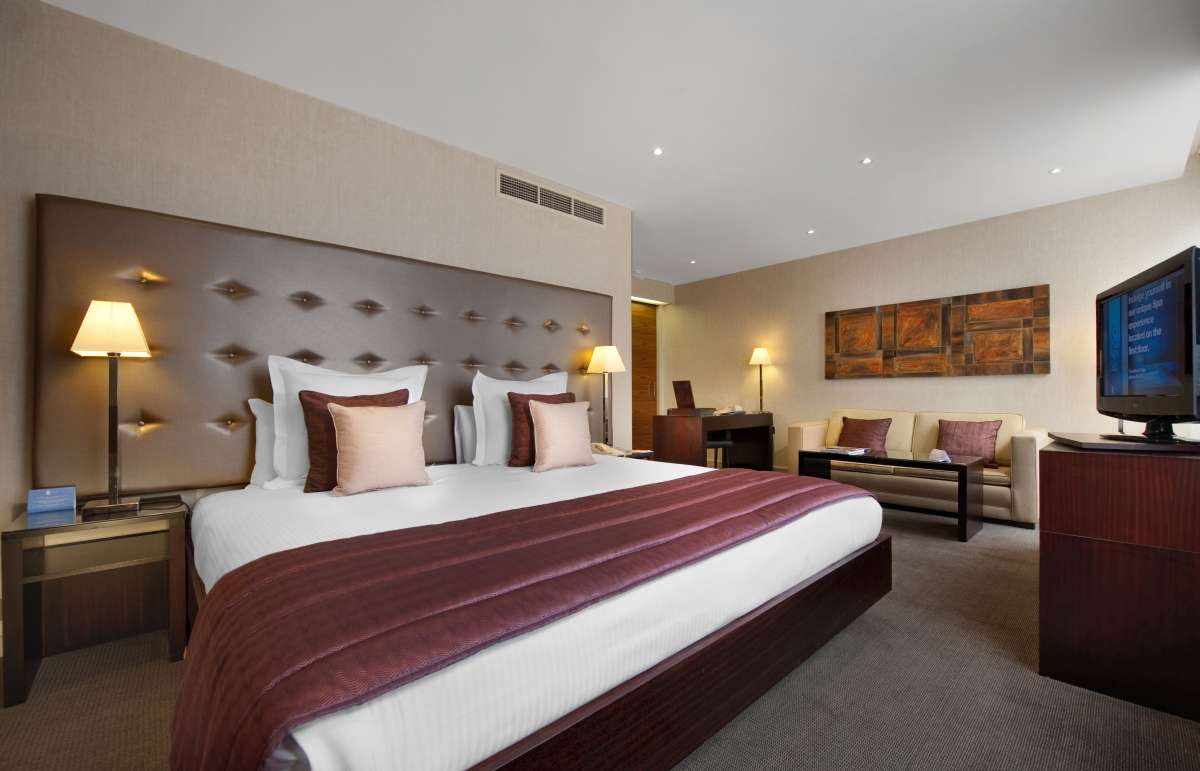
In airports like Charles de Gaulle Airport in France, there are even hotels located within the terminal specifically designed for these short bursts of rest. These transit-focused accommodations are the pinnacle of efficiency in the modern travel world.
The “Work-from-Hotel” Trend
The rise of remote work has created a new category of “day-use” guests. Professionals often need a quiet, professional environment that a coffee shop cannot offer. A hotel room provides a private office with high-speed internet, a desk, and total silence for important video calls. Many hotels in business hubs like Tokyo have leaned into this, offering “office for a day” packages that include complimentary coffee and printing services.
Accessing Premium Facilities
Sometimes, the goal of a short-stay booking isn’t rest or work, but leisure. Luxury hotels in cities like Dubai or Miami often offer day rates that allow guests to use their world-class pools and spa facilities without the high cost of an overnight stay. This “daycation” model is becoming a popular way for locals to experience luxury accommodation in their own city.
Factors to Consider Before Booking
While the flexibility of hourly booking is advantageous, there are several logistical factors that guests should understand to ensure a smooth experience. The rules for these stays can differ significantly from standard reservations.
Pricing Structures and Value Comparison
Pricing for hourly stays is not always linear. A three-hour stay will not cost exactly one-eighth of a 24-hour stay. Hotels factor in the cost of cleaning and turnover, which remains constant regardless of how long the guest stays in the room. Therefore, the best value is often found in the 6-to-9-hour range. When comparing accommodations, it is essential to check if taxes and “resort fees” are included in the hourly rate, as these can sometimes inflate the final price unexpectedly.
Check-in and Check-out Rigidity
Unlike standard bookings where there is some leeway with late check-outs, micro-stays are typically very rigid. If you book a six-hour slot starting at 10:00 AM, the hotel expects the room back precisely at 4:00 PM to prepare it for the evening guest. It is vital to confirm whether your “time” starts at the moment of booking or the moment of arrival. Most dedicated platforms like ByHours ensure the clock starts when you check in at the desk.
Availability and Last-Minute Bookings
Day-use rooms are often managed based on real-time availability. If a hotel is at 100% occupancy from the night before, they may not have any rooms available for day use until the morning guests check out and housekeeping completes their rounds. Consequently, day-use availability can fluctuate wildly. While many people book these rooms last-minute, booking at least 24 hours in advance on a platform like Dayuse.com is recommended to secure a spot in high-demand areas.
Regional Trends in Hourly Accommodations
The acceptance and prevalence of hourly bookings vary by region, influenced by local travel culture and urban density.
The Asian Market: Efficiency and Innovation
In Asia, the concept of the micro-stay is highly advanced. In Japan, the density of cities like Tokyo led to the early adoption of capsule hotels and hourly modules. Today, this has evolved into a sophisticated market where high-end hotels offer “refresh packages” for business travelers. Similarly, Singapore has become a hub for this model due to its status as a major global transit point.
The European Market: The Day-Use Revolution
Europe has seen the fastest growth in the “day-use” sector over the last decade. Cities with high tourist volumes and major rail hubs, such as Paris, London, and Berlin, have thousands of hotels listed on short-stay platforms. This is partly due to the “inter-city” nature of European travel, where travelers may spend a day in a city between train connections.

North America: The Corporate Shift
In the United States, the move toward hourly booking was slower but has accelerated recently. Major hubs like New York City, Chicago, and Los Angeles now see heavy utilization of day-use rooms by corporate travelers. The focus here is often on “productivity stays,” with hotels marketing their rooms as private, sanitized workspaces for the modern professional.
The evolution of hotel booking into the hourly realm is a win-win for both the industry and the consumer. For hotels, it provides a way to monetize inventory that would otherwise stay empty during the day. For the traveler, it provides unprecedented flexibility, comfort, and cost savings. Whether you are a weary traveler at Changi Airport or a remote worker in London, the ability to book a room for just a few hours has fundamentally changed the logic of modern accommodation.
LifeOutOfTheBox is a participant in the Amazon Services LLC Associates Program, an affiliate advertising program designed to provide a means for sites to earn advertising fees by advertising and linking to Amazon.com. Amazon, the Amazon logo, AmazonSupply, and the AmazonSupply logo are trademarks of Amazon.com, Inc. or its affiliates. As an Amazon Associate we earn affiliate commissions from qualifying purchases.