
The Indispensable Role of a Reseller’s License in California’s Tourism Economy
California, renowned globally for its diverse landscapes, vibrant cities, and iconic attractions, boasts a thriving tourism industry. From the sun-kissed beaches of Santa Monica Pier to the majestic redwoods of Yosemite National Park, and the bustling urban centers of Los Angeles and San Francisco, millions of visitors annually contribute significantly to the state’s economy. For entrepreneurs and businesses looking to tap into this lucrative market by selling tangible goods, understanding and obtaining a California Reseller’s License – also known as a Seller’s Permit – is not merely a formality but a fundamental requirement for legal operation and sustained success.

What is a Reseller’s License?
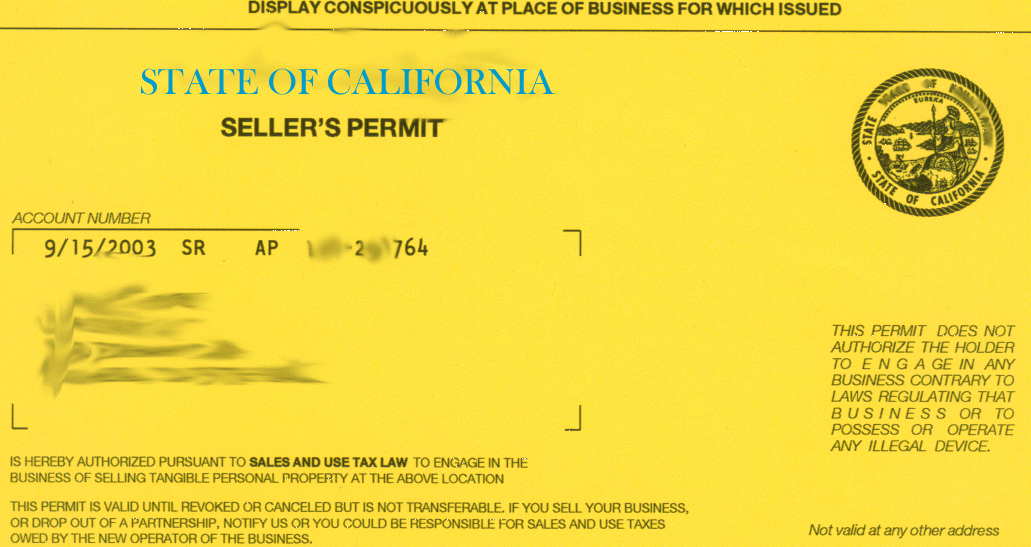
A California Reseller’s License is an official document issued by the state’s Department of Tax and Fee Administration (CDTFA) that authorizes a business to sell tangible personal property within the state. It essentially grants the holder the legal authority to collect sales tax from customers and then remit that tax to the state. Without this permit, businesses cannot legally collect sales tax, nor can they purchase items for resale without paying sales tax themselves to their suppliers, which would significantly impact their profit margins. It’s a cornerstone of retail commerce, ensuring that the state receives its due share of tax revenue while providing businesses with the necessary framework for compliant operations.
Why it Matters for Tourism-Centric Businesses
For businesses operating within California’s vast tourism sector, a Reseller’s License is particularly crucial. Imagine a boutique in Napa Valley selling local artisanal products, a souvenir shop near the Golden Gate Bridge, or a food vendor at a temporary festival in San Diego. All these enterprises, by nature of their sales of tangible goods to tourists and locals alike, fall under the purview of sales tax regulations. The license legitimizes their operations, allows them to procure inventory tax-free (assuming the items are for resale), and ensures they contribute fairly to the state’s infrastructure and public services that indirectly support the tourism ecosystem. Without it, these businesses risk substantial penalties, audits, and damage to their reputation, which can be devastating in a customer-centric industry like tourism.
Identifying Your Need: Tourism Businesses Requiring a Seller’s Permit
Understanding whether your specific tourism-related venture requires a California Reseller’s License is the first critical step. The general rule is straightforward: if you are selling or leasing tangible personal property in California, you likely need one. This encompasses a broad spectrum of businesses that cater to visitors and residents alike, forming the backbone of the state’s robust tourism economy.
Retailers of Tangible Goods
This category is the most obvious. Any business that sells physical items directly to consumers must have a Reseller’s License. In the tourism context, this includes:
- Souvenir Shops and Gift Stores: From trinkets and postcards to apparel and local crafts sold near popular attractions like Disneyland or in tourist hotspots like Orange County.
- Art Galleries and Craft Boutiques: Businesses selling original artwork, sculptures, jewelry, or handmade goods, often sought after by tourists looking for unique keepsakes or gifts.
- Specialty Food and Beverage Retailers: Shops selling local wines, gourmet foods, artisanal snacks, or packaged coffee beans, particularly popular in regions like Napa Valley or at farmers’ markets that attract tourists.
- Bookstores and Newsstands: Especially those catering to travelers with guidebooks, maps, and travel-themed literature.
- Camping and Outdoor Gear Stores: Situated near national parks or scenic routes, selling equipment, apparel, and supplies to adventurers.
Service Providers with Merchandise
While many tourism businesses primarily offer services (e.g., guided tours, spa treatments, accommodation), they often augment their offerings with merchandise. If these services involve the sale of tangible goods, a Reseller’s License becomes necessary for those specific transactions:
- Tour Operators: If a whale-watching tour company sells branded t-shirts, hats, or photographic prints.
- Hotels and Accommodation Providers: If they sell branded merchandise, toiletries, snacks, or gift items at their front desk or in a small boutique within the premises.
- Museums and Attractions: Their gift shops, selling educational toys, books, replicas, or souvenirs related to their exhibits.
- Restaurants and Cafes: While prepared food sales have specific rules, if they sell packaged coffee, branded mugs, or merchandise, a permit is needed for those items.
- Spas and Wellness Centers: If they retail skincare products, essential oils, or branded relaxation items.
Temporary and Mobile Tourism Ventures
California’s tourism landscape is dynamic, with numerous temporary events, festivals, and mobile businesses playing a significant role. These, too, are subject to reseller permit requirements:
- Festival Vendors: Individuals or businesses selling food (not prepared on-site for immediate consumption, but packaged goods), crafts, or apparel at music festivals, art fairs, or cultural events across the state.
- Pop-up Shops: Temporary retail spaces set up in high-traffic tourist areas.
- Food Trucks/Carts: While often regulated under specific food service permits, if they sell packaged goods (e.g., bottled beverages not consumed on-site, branded merchandise), a Reseller’s License may be required.
- Street Vendors: Those selling art, crafts, or other merchandise in designated public areas in cities like San Francisco or Los Angeles.
Even if your sales are infrequent or seasonal, a Reseller’s License is typically required. The CDTFA considers any regular business activity involving the sale of tangible personal property to necessitate a permit.
Navigating the Application Process with the CDTFA
Obtaining a California Reseller’s License is a relatively straightforward process, primarily handled by the California Department of Tax and Fee Administration (CDTFA). For tourism entrepreneurs, understanding each step ensures a smooth journey towards compliant operation.
Pre-Application Essentials
Before you even begin the application, gather all necessary information and make a few key decisions:
- Business Legal Structure: Determine if you will operate as a sole proprietorship, partnership, LLC, or corporation. This impacts how you apply and your tax obligations.
- Federal Employer Identification Number (EIN): If you have employees or operate as a corporation or LLC, you’ll need an EIN from the IRS. Sole proprietors can often use their Social Security Number.
- Business Name and Address: Have your legal business name, any fictitious business names (DBA), and your primary business location address ready. If you operate online or from home, your home address may serve as the business address.
- Nature of Business Activity: Be clear about what tangible goods you will be selling. The CDTFA requires a description of your business operations.
- Start Date of Sales: You’ll need to specify when you began or plan to begin making sales.
- Estimated Monthly Sales: Provide an estimate of your expected taxable sales. This helps the CDTFA determine your filing frequency.
The Online Application Journey
The most efficient way to apply for your Reseller’s License is online through the CDTFA website.
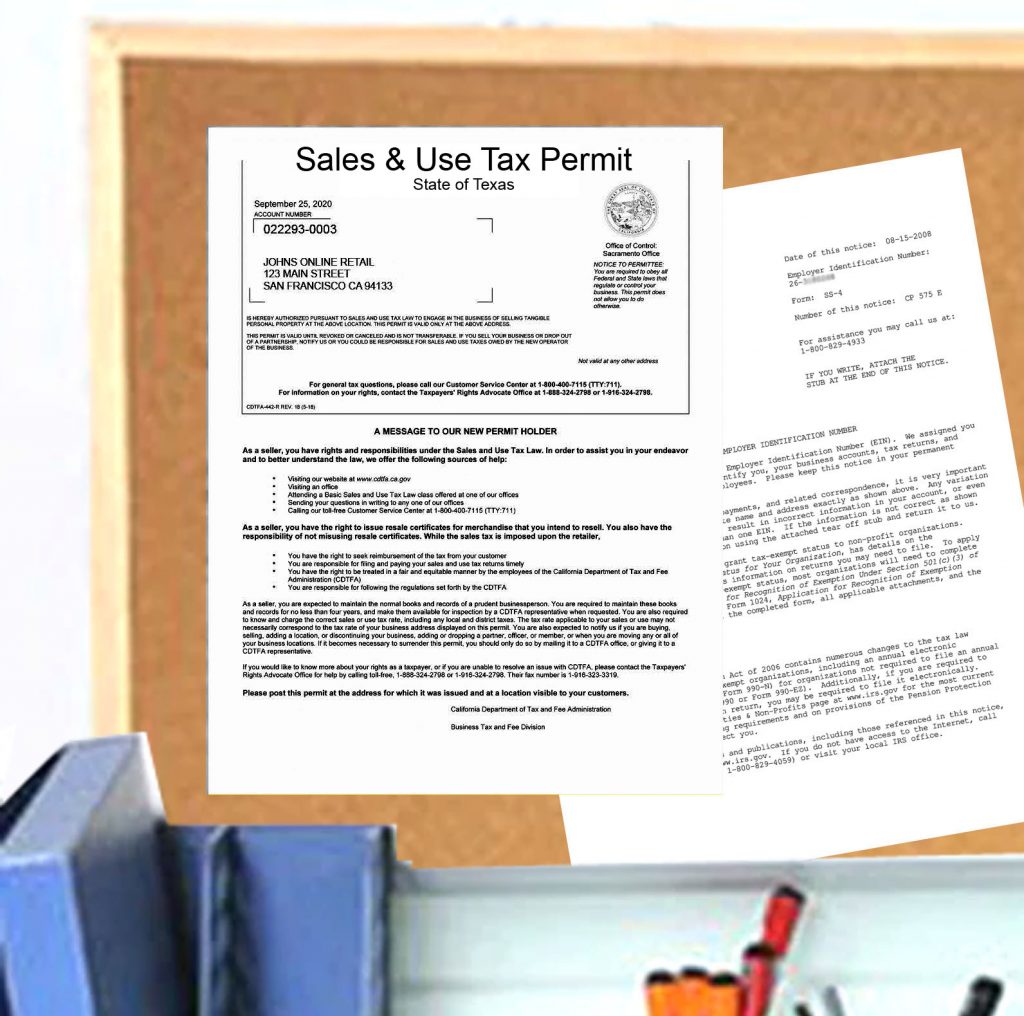
- Visit the CDTFA Website: Navigate to the official California Department of Tax and Fee Administration website and look for the “Register for a Permit, License, or Account” section.
- Choose Your Permit Type: Select “Seller’s Permit” (which is the official name for the Reseller’s License).
- Complete the Online Application: The application will guide you through various sections, asking for the information you prepared in the pre-application phase.
- Applicant Information: Personal details of owners, partners, or corporate officers.
- Business Information: Legal name, DBA, address, contact details.
- Business Activity: Detailed description of what you sell. For tourism businesses, be specific (e.g., “retail sales of souvenirs and apparel to tourists,” “sales of local artisan crafts at festivals”).
- Financial Information: Estimated sales.
- Review and Submit: Carefully review all entered information for accuracy. Errors can lead to delays. Once satisfied, submit your application.
- Receiving Your Permit: In many cases, if all information is accurate and complete, you may receive a temporary permit number immediately. The official permit, along with your filing instructions and due dates, will typically be mailed to you within a few weeks. There is generally no fee to obtain a Seller’s Permit, though a security deposit may be required in some cases (e.g., if you have a history of non-compliance).
Post-Application Compliance
Once you receive your permit, your responsibilities shift to compliance:
- Display Your Permit: Your permit must be conspicuously displayed at your place of business.
- Collect Sales Tax: You are now legally required to collect sales tax on all taxable sales you make. The sales tax rate varies by location within California.
- File Returns and Remit Tax: The CDTFA will assign you a filing frequency (e.g., monthly, quarterly, annually) based on your estimated sales. You must file your sales tax returns and remit the collected tax by the specified due dates. This can often be done online through the CDTFA’s services.
- Maintain Records: Keep accurate and complete records of all sales, purchases, deductions, and tax collected. This is crucial for audits and ensures accurate reporting.
Strategic Compliance and Benefits for Tourism Entrepreneurs
For businesses deeply embedded in California’s tourism landscape, obtaining and maintaining a Reseller’s License isn’t just about avoiding penalties; it’s a strategic move that underpins credibility, facilitates growth, and fosters a positive impact on the local economy. Strategic compliance helps secure your business’s long-term viability in a competitive market.
Legal Operation and Credibility
Operating without a Seller’s Permit when required is illegal and can lead to severe consequences, including substantial fines, interest on unpaid taxes, and even criminal charges in egregious cases. Beyond the legal ramifications, operating compliantly with a Reseller’s License lends immense credibility to your business.
- Trust with Customers: Tourists, especially, appreciate transparency. Knowing they are buying from a legitimate business that adheres to state laws builds trust and enhances their overall experience, encouraging repeat visits or word-of-mouth recommendations.
- Supplier Relationships: Many wholesalers and distributors will require proof of a valid Seller’s Permit before selling to you tax-free for resale. A legitimate permit streamlines your supply chain, allowing you to purchase inventory at wholesale prices without incurring additional sales tax, which is vital for maintaining healthy profit margins.
- Professional Image: Displaying your permit proudly, whether in a physical shop or having your permit number readily available for online queries, signals professionalism and adherence to business standards, differentiating you from less reputable operators.
Fiscal Contributions and Economic Health
The sales tax collected by businesses holding a Reseller’s License directly contributes to the public services and infrastructure that support the tourism industry itself. These funds help maintain roads, parks, public safety, and other essential services that make California an attractive destination.
- State and Local Funding: Your compliance directly supports the state and local governments, which, in turn, invest in tourism promotion, maintenance of tourist attractions, and community development. For example, taxes collected in Sacramento or San Diego feed back into those communities.
- Fair Competition: By collecting and remitting sales tax, you ensure a level playing field with other legitimate businesses. This prevents unfair advantages for those who might try to undercut prices by avoiding their tax obligations.
- Access to Economic Programs: Compliant businesses are often better positioned to access state-sponsored business development programs, grants, or loans designed to support small businesses and promote economic growth within the tourism sector.
Managing Sales Tax: Best Practices
Effective management of sales tax is key to sustained compliance:
- Know Your Rate: Sales tax rates vary across California by city and county. Use the CDTFA’s online tools to determine the correct rate for each of your business locations or delivery points.
- Accurate Record-Keeping: Implement robust accounting systems to track all taxable sales, sales tax collected, and purchases made for resale. This is invaluable during tax filing periods and essential in case of an audit.
- Timely Filing and Remittance: Mark your filing deadlines on your calendar and ensure you submit your returns and remit collected taxes on time. Late filings or payments incur penalties.
- Utilize Technology: Accounting software (e.g., QuickBooks, Xero) can automate sales tax calculations, tracking, and even filing, reducing the administrative burden and minimizing errors.
Overcoming Challenges and Maximizing Opportunities
Operating a business in California’s dynamic tourism sector presents both exciting opportunities and unique challenges. A strong understanding of the Reseller’s License and related tax obligations allows entrepreneurs to navigate these complexities effectively, fostering growth and seizing market advantages.
Understanding Nexus for Online Sales
In today’s digital age, many tourism-related businesses reach customers beyond their physical storefronts through online sales. This introduces the concept of “nexus,” which determines where you have a sales tax obligation.
- Physical Presence Nexus: If your business has a physical location in California (a store, office, warehouse, or even employees), you automatically establish nexus and must collect sales tax on all taxable sales made to California customers, regardless of whether the sale occurs online or in person.
- Economic Nexus: Even without a physical presence, businesses can establish economic nexus if their sales into California exceed certain thresholds ($500,000 in gross receipts from sales of tangible personal property delivered into California in the current or preceding calendar year). While this primarily affects out-of-state sellers targeting California consumers, it’s crucial for California businesses to understand this, especially if they expand their sales activities beyond state borders or have affiliates.
- Marketplace Facilitator Laws: If you sell through online marketplaces (like Etsy, eBay, or Amazon), these platforms often act as “marketplace facilitators” and are responsible for collecting and remitting sales tax on your behalf for sales made through their platform. However, you are still responsible for sales made directly from your own website or other channels. Always verify the marketplace’s policy.
For tourism businesses, this means if a visitor from another state purchases an item online from your California website and has it shipped to their home state, sales tax may not apply based on California law, but if a California resident buys an item online, you must collect California sales tax.
Staying Informed with Regulatory Changes
Tax laws are not static. The CDTFA periodically updates regulations, sales tax rates, and filing requirements. For instance, district sales tax rates can change.
- Subscribe to CDTFA Updates: Sign up for email alerts from the CDTFA to stay informed about changes that could impact your business.
- Consult with Professionals: Engage with tax accountants or business advisors specializing in California sales tax to ensure your compliance strategy remains current. This is particularly valuable for complex business models or if you operate across multiple jurisdictions.
- Regular Review: Periodically review your sales tax collection and remittance processes to ensure they align with the latest regulations.
The Entrepreneurial Spirit in California’s Tourist Hotspots
With a Reseller’s License in hand and a solid understanding of sales tax obligations, tourism entrepreneurs in California are well-equipped to thrive. From the bustling streets of Los Angeles to the historic charm of San Francisco, the family-friendly attractions of Orange County, or the political heart of Sacramento, every corner of the state offers unique opportunities to engage with a diverse customer base. The license is not just a regulatory hurdle; it’s a gateway to legitimacy, robust supplier relationships, and the ability to confidently contribute to and prosper within one of the world’s most vibrant tourism economies. By embracing compliant business practices, you ensure your entrepreneurial spirit can flourish without unnecessary legal or financial impediments.
LifeOutOfTheBox is a participant in the Amazon Services LLC Associates Program, an affiliate advertising program designed to provide a means for sites to earn advertising fees by advertising and linking to Amazon.com. Amazon, the Amazon logo, AmazonSupply, and the AmazonSupply logo are trademarks of Amazon.com, Inc. or its affiliates. As an Amazon Associate we earn affiliate commissions from qualifying purchases.