
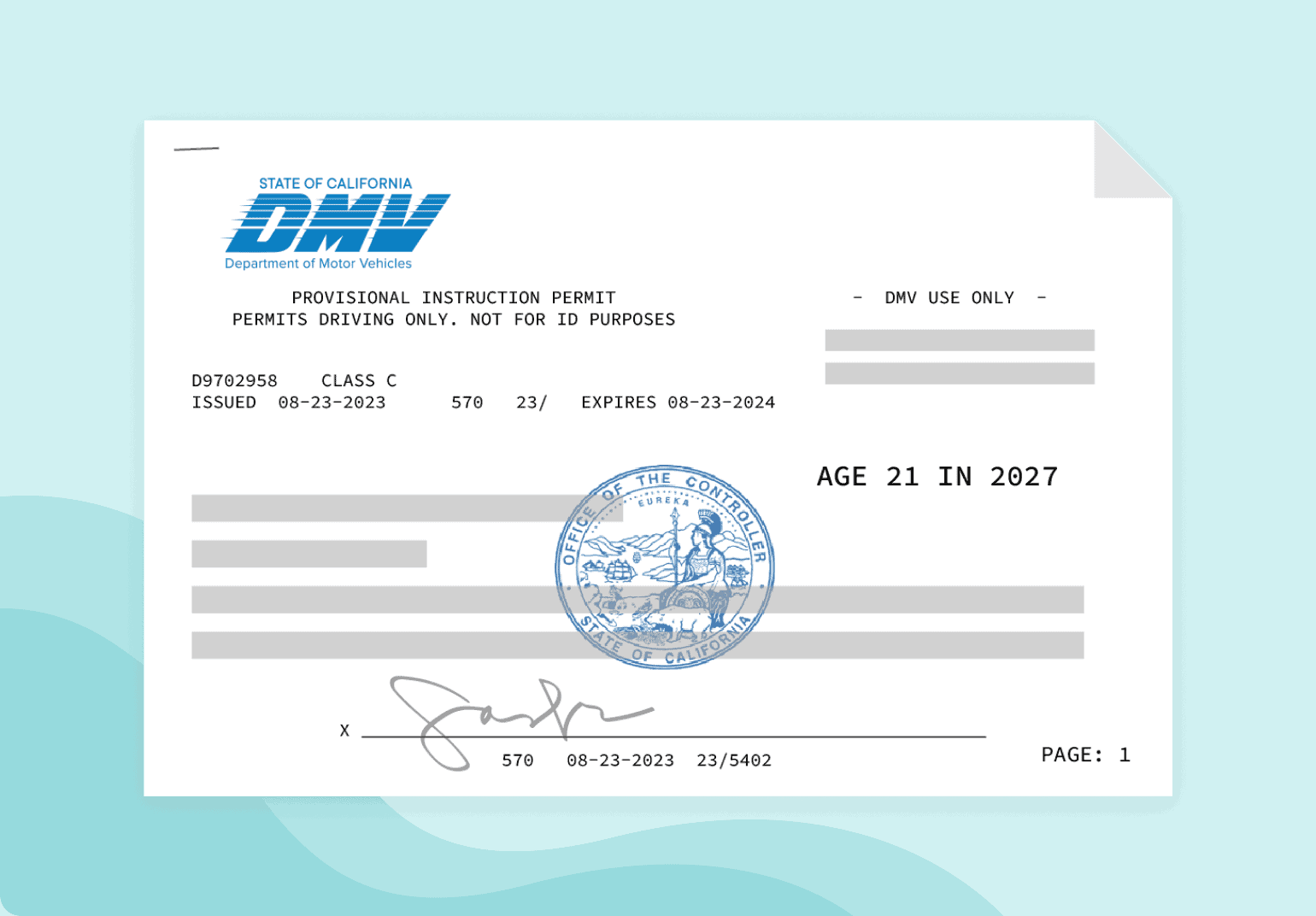
Embarking on the journey to obtain a driver’s license in California begins with securing a Provisional Instruction Permit, commonly known as a learner’s permit. This vital document is the first step towards independent mobility and a significant milestone in many individuals’ lives, particularly for young adults establishing their independence within the vibrant California lifestyle. Understanding the precise steps and requirements is crucial for a smooth application process at the California Department of Motor Vehicles (DMV). This guide aims to demystify the process, offering a clear, insightful roadmap to obtaining your learner’s permit and paving the way for eventual full driving privileges.
Understanding the California Learner’s Permit
Before diving into the application specifics, it’s important to grasp what the California Provisional Instruction Permit entails and who is eligible to apply. This permit is not merely a piece of paper; it represents the state’s authorization for you to begin learning to drive under strict supervision.
What is a Provisional Instruction Permit?
A Provisional Instruction Permit allows new drivers to operate a vehicle when accompanied by a licensed driver who meets specific criteria. For those under 18, this permit is a mandatory prerequisite for obtaining a provisional driver’s license. It signifies that you have successfully passed the knowledge test and vision screening, demonstrating a foundational understanding of California traffic laws and road signs. However, it does not grant you the freedom to drive unsupervised. Instead, it initiates the supervised driving phase, which is essential for developing practical skills and safe driving habits. This permit remains valid for 12 months, or until you receive your provisional driver’s license, whichever comes first. It’s a critical period for accumulating the necessary practice hours and experience behind the wheel.
Eligibility Requirements
The eligibility criteria for a California Provisional Instruction Permit are straightforward but strict. Applicants must be at least 15 years and 6 months old. If you are under 18, you must also provide proof of completion of, or enrollment in, an approved driver education program. This program typically involves 30 hours of classroom instruction or an equivalent online course. The driver education certificate (DL 400C or DL 400B) is a crucial document for minor applicants. For applicants 18 years and older, the driver education requirement is waived, allowing them to apply for the permit directly, though passing the knowledge test and vision screening is still mandatory. Regardless of age, all applicants must pass a vision exam, which assesses your eyesight’s adequacy for driving, and a written knowledge test based on the California Driver Handbook. These requirements ensure that all prospective drivers possess the fundamental visual acuity and theoretical knowledge necessary to operate a vehicle safely on California roads.
Gathering Your Essential Documents
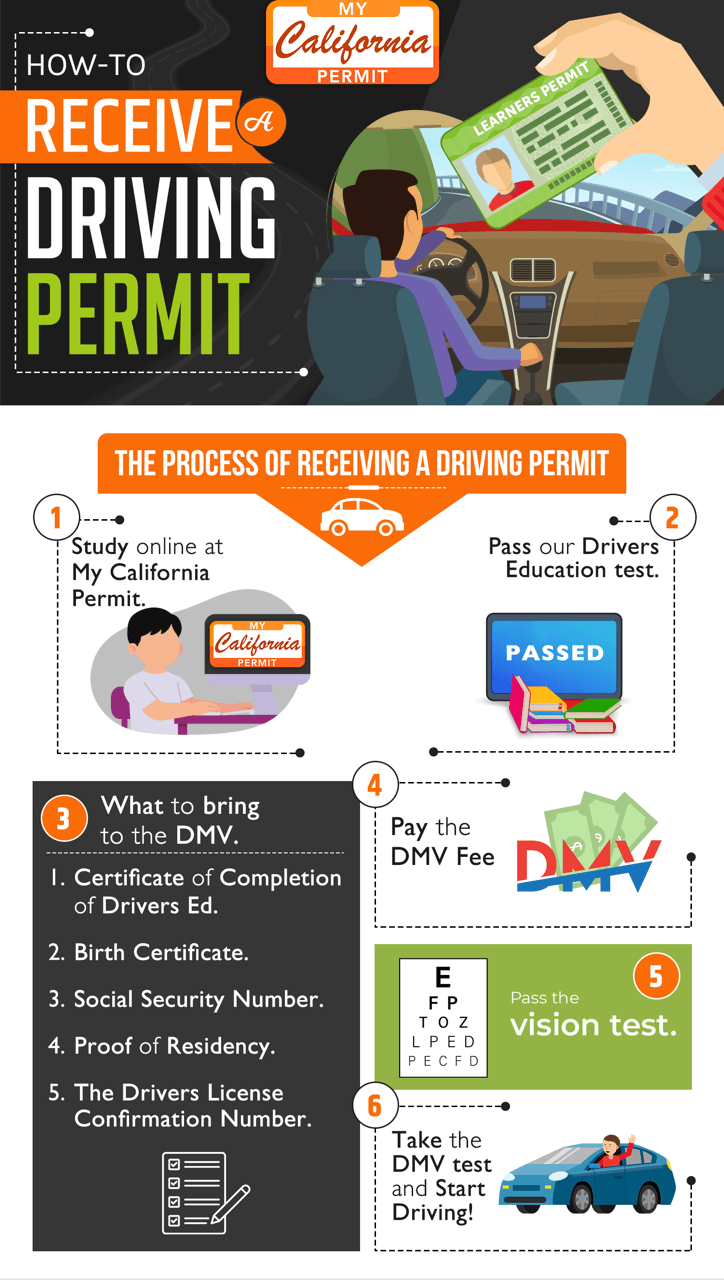
A successful permit application hinges on presenting the correct documentation. The DMV requires a comprehensive set of documents to verify your identity, residency, and, for minors, parental consent. Being prepared with all necessary paperwork before your visit will save considerable time and prevent potential delays.
Proof of Identity and Residency
Applicants must provide proof of identity and two different proofs of California residency. For identity, a United States birth certificate, a United States passport, a foreign passport with a valid I-94 and accompanying documents, or an official DMV identification card are commonly accepted. For residency, accepted documents include utility bills (gas, electric, water, cell phone), rental or lease agreements, mortgage bills, bank statements, or school documents. Each proof of residency must display your name and the California mailing address you’ve provided on your application. It’s imperative that these documents are current and contain accurate information to avoid any discrepancies. The DMV has strict guidelines for what constitutes acceptable proof, so reviewing their official checklist online before your appointment is highly recommended to ensure compliance.
Social Security Number Verification
All applicants are required to provide their Social Security Number (SSN). While the DMV does not require you to present your Social Security card itself, you must accurately provide the number on your application form. The DMV verifies this number electronically with the Social Security Administration. If you do not have an SSN, you may still be eligible to apply; however, you will need to discuss your specific situation with a DMV representative, as additional documentation or forms may be required. This verification step is a standard procedure for identification and record-keeping purposes within the state’s licensing system.
Parental Consent (for minors)
Applicants under 18 years old must obtain parental or guardian consent. This is done by having parents or legal guardians sign the application form (DL 44), which requires their full name, mailing address, and California driver’s license or identification card number. Both parents or guardians must sign if they have joint custody, or one parent if they have sole custody. If the minor does not have parents or legal guardians, other authorized individuals such as foster parents or school officials may sign under specific circumstances. This requirement underscores the legal responsibility parents hold for their minor children’s activities, including learning to drive, and ensures they are aware of their child’s pursuit of a provisional permit. It’s a crucial safeguard that acknowledges the increased risks associated with new drivers, particularly teenagers.
The Application Process at the DMV
With your documents in hand, the next phase involves visiting a DMV office. The application process at the DMV is a multi-step procedure designed to confirm your identity, collect necessary biometric data, and administer the required tests. Preparing for this visit will make the experience much more efficient.
Scheduling Your Appointment
While walk-ins are sometimes accommodated, scheduling an appointment online via the DMV website is highly recommended. This can significantly reduce wait times, which are notoriously long at many California DMV locations. When scheduling, select the service for “Apply for a Driver License or ID Card.” Make sure to choose a date and time that allows you to be calm and focused, especially since you’ll be taking a critical knowledge test. Arriving at least 15-30 minutes before your scheduled appointment is advisable, allowing time for parking and check-in. The DMV website also provides estimated wait times for walk-ins at various offices, which can be useful if an appointment is not feasible, though not recommended for first-time applicants.
Completing the Application Form (DL 44)
The application for a driver’s license or identification card, known as Form DL 44, must be completed. This form is often available online for pre-filling, or you can obtain one at the DMV office. It asks for personal information, including your full name, address, date of birth, and Social Security Number. For minors, this is where parental consent signatures are required. It’s essential to fill this form out accurately and completely. Any errors or omissions could lead to delays or require you to restart the process. Double-checking all details before submitting is a small but important step.
Vision and Fingerprint Scans
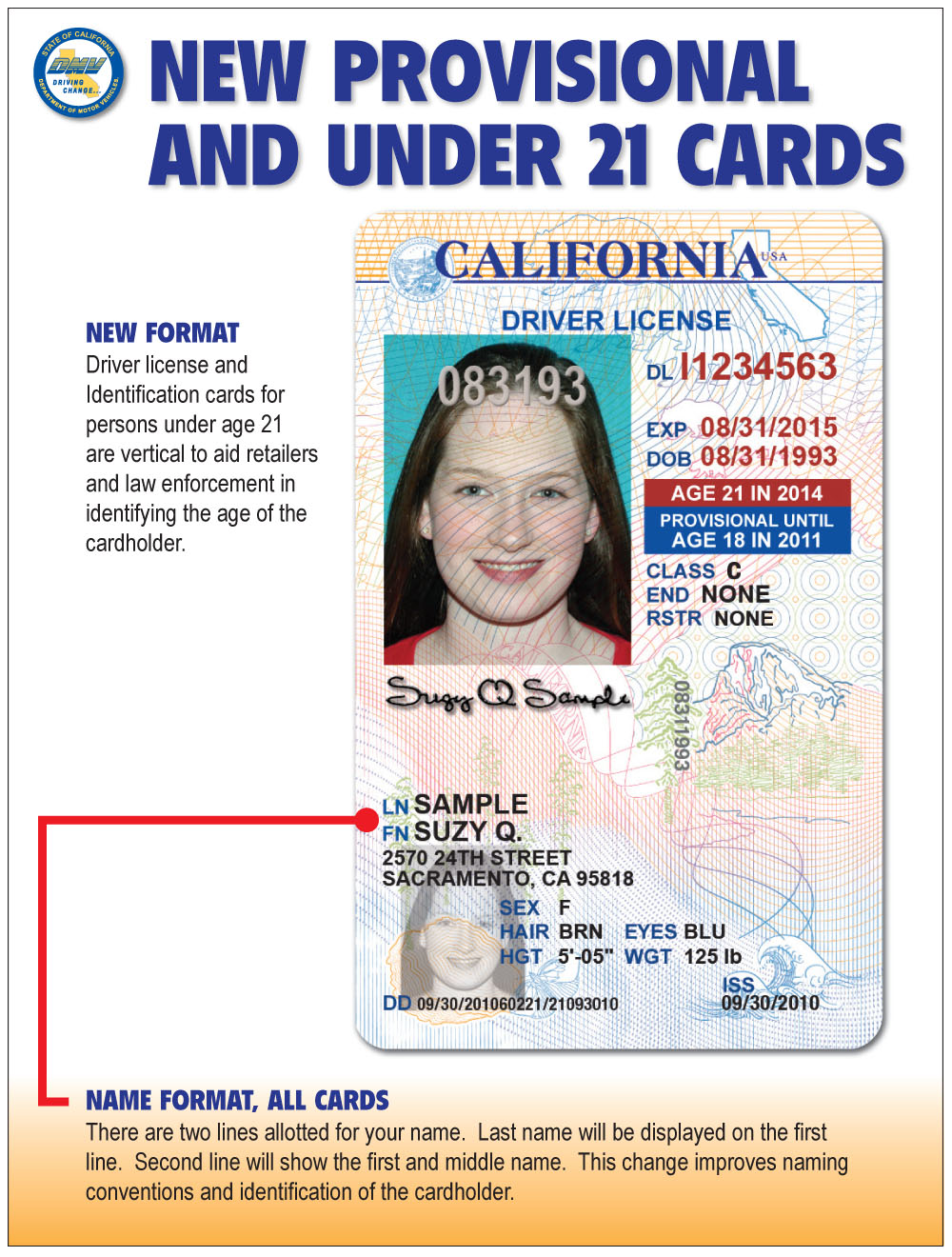
As part of the application process, you will undergo a vision screening. This quick test determines if your eyesight meets the minimum standards required for safe driving in California. If you wear corrective lenses (glasses or contact lenses), be sure to wear them for the test. If you do not pass the vision screening, you may be referred to an eye care professional for further evaluation and required to provide a doctor’s report to the DMV before proceeding. Additionally, a thumbprint scan will be taken. This biometric data is collected for identification purposes and is a standard part of all driver’s license and permit applications. These steps are integral to ensuring public safety on the roads and maintaining accurate records.
Paying the Application Fee
A non-refundable application fee is required at the time of your DMV visit. This fee covers the cost of the application, the written knowledge test, and the subsequent driving test. The current fee can be found on the official DMV website, and it’s wise to check this beforehand as fees can change. Payment methods typically accepted include cash, check, money order, debit card, or credit card. It’s important to note that this fee covers up to three attempts at the knowledge test and three attempts at the behind-the-wheel driving test within a 12-month period. Should you exceed these attempts or let your application expire, you will need to restart the process and pay the fee again.
Preparing for and Passing the Knowledge Test
The knowledge test is arguably the most intimidating part of the permit application for many. It evaluates your understanding of California traffic laws, road signs, and safe driving practices. Adequate preparation is the key to passing this test with confidence.
Studying the California Driver Handbook
The official California Driver Handbook is the primary resource for preparing for the knowledge test. It contains all the information you need to know, from basic traffic laws and road signs to specific rules regarding DUI, provisional license restrictions, and vehicle safety. The handbook is available online for free on the DMV website, and hard copies can usually be picked up at any DMV office. It’s recommended to read the handbook thoroughly multiple times, paying close attention to sections on penalties, right-of-way, and speed limits. Understanding the concepts, rather than just memorizing answers, will serve you better both on the test and as a future driver.
Practice Tests and Resources
In addition to the official handbook, numerous online resources offer practice tests designed to mimic the actual DMV knowledge test. These practice tests are invaluable for familiarizing yourself with the format, types of questions, and identifying areas where you need further study. Many reputable websites, including the DMV’s own site, provide free practice tests. While these tools are excellent for preparation, they should always be used in conjunction with the official handbook, not as a replacement. Regularly taking practice tests can significantly boost your confidence and improve your chances of passing on your first attempt.
What to Expect on Test Day
On the day of your appointment, after completing the administrative steps, you will be directed to a testing station for the knowledge test. The test for minors (under 18) consists of 46 questions, and you must answer at least 38 correctly to pass (an 82% passing score). For adults (18 and older), the test has 36 questions, requiring 30 correct answers to pass (also an 83% passing score). The test is typically administered on a computer, and questions are multiple-choice. Take your time, read each question carefully, and review your answers before submitting. Remember, there’s no rush beyond the general operating hours of the DMV.
Retake Policy
If you do not pass the knowledge test on your first attempt, do not despair. The application fee covers three attempts within a 12-month period. You must wait a minimum of seven days (not including the day the test was failed) before you can retake the test. This waiting period is designed to give you ample time to review the California Driver Handbook and focus on the areas where you struggled. It’s crucial to use this time wisely for additional study rather than attempting the test again prematurely, which often leads to repeated failures.
Driving with Your Provisional Permit
Once you have successfully passed the knowledge test and vision screening, and completed all other application requirements, you will be issued your Provisional Instruction Permit. This marks the beginning of your supervised driving experience, a critical phase for developing the practical skills needed for safe driving.
Supervision Requirements
The Provisional Instruction Permit comes with strict supervision requirements. You are only allowed to drive when accompanied by a licensed driver who is at least 18 years old (if you are an adult permit holder) or 25 years old (if you are a minor permit holder) and holds a valid California driver’s license. The supervising driver must be seated in the passenger seat closest to the driver, allowing them to take control of the vehicle if necessary. It is illegal to drive alone with a provisional permit, and doing so can result in serious legal consequences, including fines and delays in obtaining your full driver’s license. This rule is designed to ensure that new drivers gain experience under the watchful eye of an experienced driver, minimizing risks.
Provisional Driving Restrictions
For minor permit holders, additional restrictions apply even with a supervisor. While holding a provisional instruction permit, you are generally not allowed to drive between 11 p.m. and 5 a.m., and you cannot transport passengers under 20 years old, unless a licensed parent, guardian, or other California licensed driver (who is 25 years or older) is present. These restrictions are part of California’s Graduated Driver Licensing (GDL) program, which aims to reduce collision rates among young drivers by gradually introducing them to more complex driving situations. Understanding and adhering to these restrictions is paramount for maintaining your permit and progressing towards a full license.
The Next Step: Driving Practice and the Behind-the-Wheel Test
The permit is your license to learn. For minor applicants, California law requires a minimum of six months of holding the provisional permit, 50 hours of supervised driving practice (including 10 hours at night), and completion of six hours of professional driver training with a certified driving instructor. These requirements ensure a comprehensive learning experience. Once these conditions are met, and you are at least 16 years old, you can schedule your behind-the-wheel driving test. This practical exam assesses your ability to safely operate a vehicle, follow traffic laws, and execute basic maneuvers. Passing this final test will lead to your provisional driver’s license, granting you greater freedom and solidifying your entry into the independent California lifestyle. For adult permit holders, there is no minimum waiting period or professional training requirement, but practical experience remains essential before attempting the driving test.
LifeOutOfTheBox is a participant in the Amazon Services LLC Associates Program, an affiliate advertising program designed to provide a means for sites to earn advertising fees by advertising and linking to Amazon.com. Amazon, the Amazon logo, AmazonSupply, and the AmazonSupply logo are trademarks of Amazon.com, Inc. or its affiliates. As an Amazon Associate we earn affiliate commissions from qualifying purchases.