
Navigating the Golden State: Why a California Driver’s License Is Essential
California, a state synonymous with vast landscapes, iconic cities, and endless adventure, beckons travelers and new residents alike. From the sun-drenched beaches of Southern California to the majestic redwoods of the north, exploring the Golden State truly requires freedom of movement. While public transportation options exist in major metropolitan areas like Los Angeles and San Francisco, the quintessential California experience—road trips along the Pacific Coast Highway, spontaneous detours into wine country, or a weekend escape to Yosemite National Park—is best accessed with a valid driver’s license. Obtaining a California driver’s license is not merely a bureaucratic step; it’s an essential gateway to fully immersing yourself in the state’s diverse offerings and a practical necessity for daily life, whether you’re relocating or planning an extended stay.
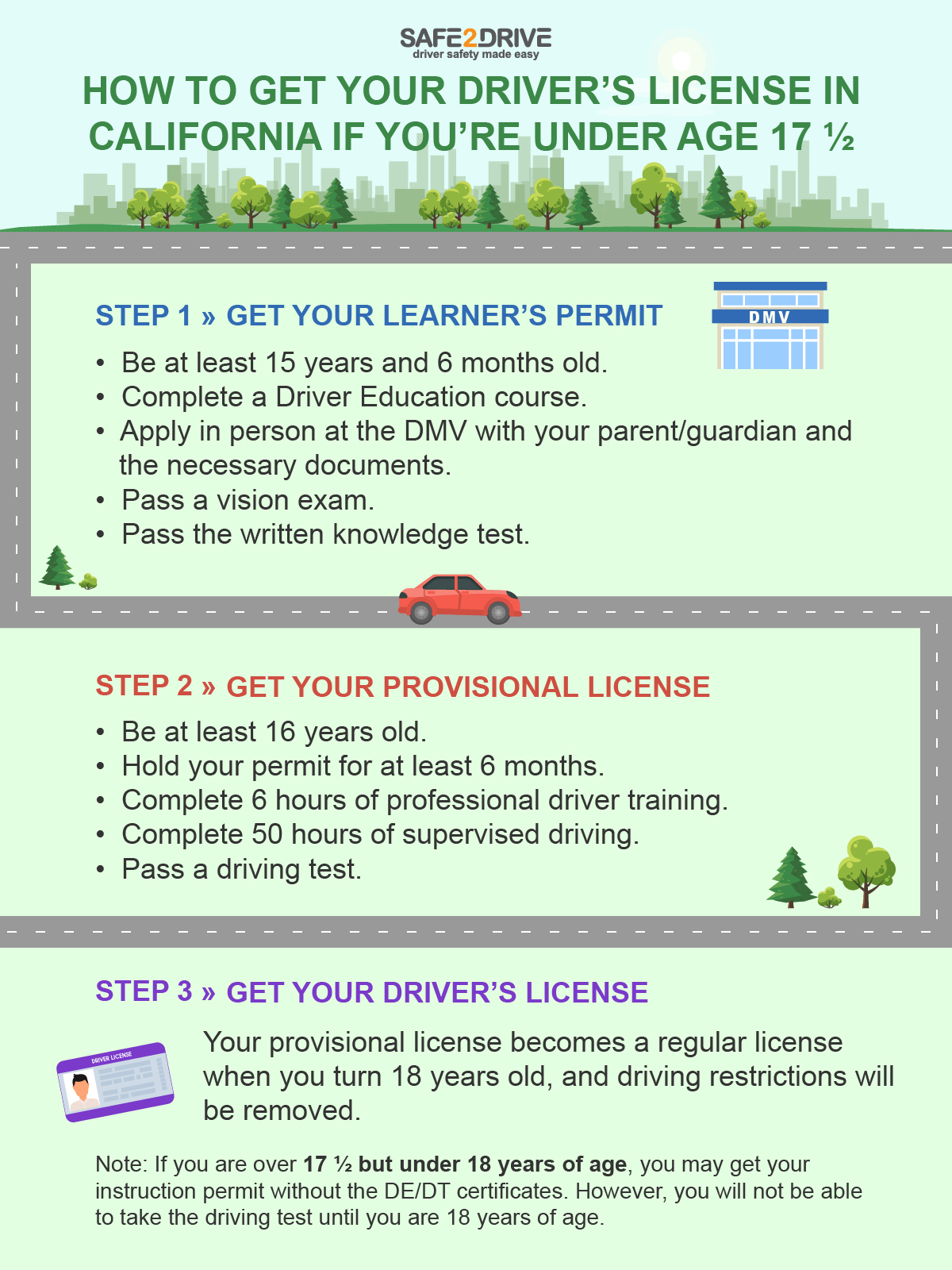
Freedom on the Open Road
The sheer scale of California necessitates personal transportation for meaningful exploration. Relying solely on ride-shares or limited public transit can quickly become expensive and restrictive, hindering your ability to discover hidden gems or traverse the significant distances between attractions. A California driver’s license empowers you to chart your own course, follow scenic routes, and embrace the spontaneity that defines many unforgettable travel experiences. This license serves as your official permission to operate a vehicle within the state, ensuring you meet the safety and legal standards required for all drivers.
Beyond the Tourist Trail
For those considering a more permanent move or an extended residency, a California driver’s license transcends its utility for leisure. It becomes a fundamental piece of identification, often required for opening bank accounts, securing employment, renting an apartment, and even for domestic air travel as a Real ID compliant document. Understanding the process of acquiring this vital document is therefore crucial for anyone planning to establish roots or spend a substantial amount of time enjoying the unique lifestyle California offers.
Understanding the Application Process for New Residents
The process of obtaining a California driver’s license for new residents involves several key steps, managed by the Department of Motor Vehicles (DMV). While it may seem daunting, a structured approach and thorough preparation can make the experience smooth and efficient.
Gathering Your Documentation
Before you even step foot into a DMV office, compile all necessary documents. This preparation is critical to avoid multiple visits. You will need:
- Proof of Identity: Typically, an original or certified copy of a birth certificate, U.S. passport, or foreign passport with an approved I-94 form.
- Proof of Residency: Two different documents showing your California address. Examples include utility bills, lease agreements, mortgage statements, bank statements, or employment documents.
- Proof of Social Security Number (SSN): Your SSN card, a W-2 form, or a pay stub with your SSN. If you are not eligible for an SSN, you may need a letter from the Social Security Administration.
- Application Form DL 44: This form can often be filled out online in advance or at the DMV office.
- Fee: Be prepared to pay the application fee, which can be checked on the DMV website.
For Real ID compliance, which is recommended for future domestic air travel, ensure your identity and residency documents meet the stringent requirements outlined by the DMV.
Scheduling Your DMV Appointment
Walk-in services are available, but waiting times can be exceptionally long. To save valuable time and streamline your experience, it is highly advisable to schedule an appointment online via the official California DMV website. Appointments can be made for submitting your application, taking the written test, and later for the driving test. Selecting an office in a less populated area, if feasible, might also result in shorter wait times.
The Written Knowledge Test
Once your documents are verified, your photo and thumbprint are taken, and a vision test is passed, you will proceed to the written knowledge test. This test assesses your understanding of California traffic laws, road signs, and safe driving practices. It typically consists of multiple-choice questions, and a passing score is required to move forward. The test is available in multiple languages, and accommodations can be requested if needed.
The Driving Skills Test
After successfully passing the written test, you will be issued a provisional permit, allowing you to practice driving with a licensed adult present. Once you feel confident, you can schedule your driving skills test. For this test, you must provide a properly registered and insured vehicle. A DMV examiner will ride with you, evaluating your ability to safely operate the vehicle, follow traffic laws, and perform various maneuvers. Common points of assessment include lane changes, turns, parking, and adherence to speed limits and road signs. Passing this test is the final hurdle to receiving your temporary California driver’s license.
Specific Scenarios: From Out-of-State to International Visitors
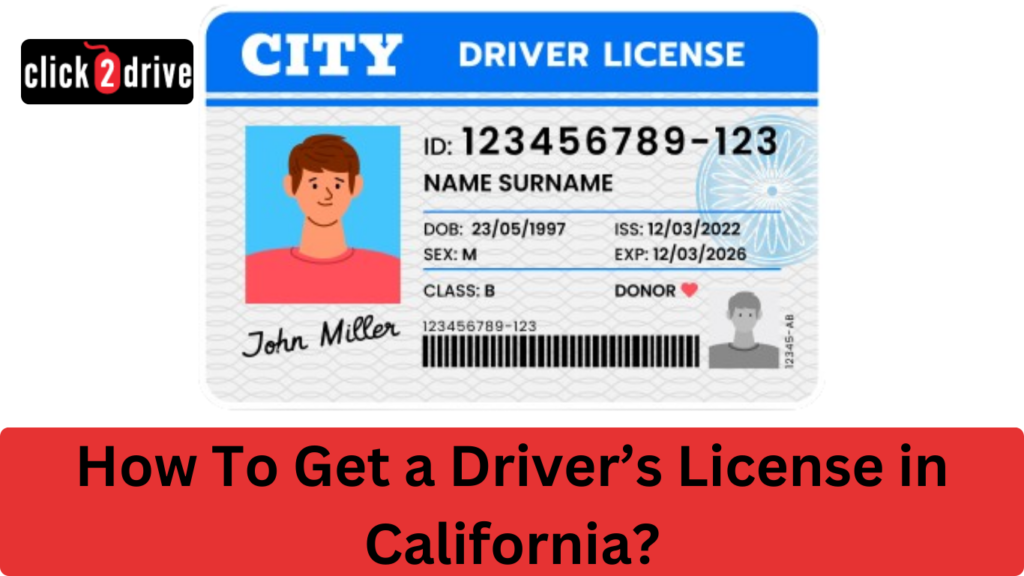
The path to a California driver’s license can vary depending on your prior licensing status.
Transferring an Out-of-State License
If you are moving to California from another U.S. state or territory and hold a valid driver’s license, the process is generally simpler. You will still need to provide the same proof of identity, residency, and SSN. You will also take the written knowledge test and pass a vision screening. In most cases, the driving skills test can be waived if your out-of-state license is current and valid. However, the DMV reserves the right to require a driving test if they deem it necessary. Once approved, your out-of-state license will be exchanged for a California license.
International Drivers and the California DMV
For international visitors or new residents, the requirements can be more complex. If you hold a valid driver’s license from your home country, you are generally permitted to drive in California for a limited period, typically matching your visitor status, as long as your license is valid and you have an International Driving Permit (IDP) in conjunction with your foreign license. An IDP translates your foreign license into several languages, but it is not a standalone license.
However, if you become a California resident, you are legally required to obtain a California driver’s license within 10 days of establishing residency. The process for international applicants is largely the same as for new residents who have never held a U.S. license: you must provide proof of legal presence (e.g., visa, I-94), identity, residency, and SSN (or proof of ineligibility), and then successfully pass the written knowledge test and the driving skills test. This is an important consideration for anyone planning an extended stay or relocation to California.
Preparing for Success: Tips and Resources
Thorough preparation is the most significant factor in a successful DMV experience.
Study the California Driver Handbook
The official California Driver Handbook is your most important study guide for the written knowledge test. It covers all the rules, laws, and regulations you need to know. The handbook is available for free online on the DMV website, and physical copies may be available at DMV offices. Focus on understanding traffic signs, right-of-way rules, impaired driving laws, and common road safety practices. Numerous online practice tests are also available to help you gauge your readiness.
Practice Driving Safely
If you need to take the driving skills test, practice, practice, practice. Familiarize yourself with common driving scenarios, including parallel parking (if applicable in your area), three-point turns, navigating intersections, and highway driving. Ensure your practice vehicle is in good working condition, and always drive with a licensed adult in the passenger seat if you only have a provisional permit. Simulate the test environment as much as possible, focusing on smooth maneuvers, proper signaling, and constant awareness of your surroundings.
What to Bring to the DMV
On the day of your appointment, double-check that you have all required documents (originals, not copies, unless specified), your application form, and the necessary fee. For the driving test, bring your provisional permit, proof of insurance, and vehicle registration. Arrive early for your appointment to allow for any unforeseen circumstances.
Maintaining Your California License
Once you have your California driver’s license, understanding its maintenance and the state’s driving culture is key to a hassle-free experience.
Renewals and Updates
California driver’s licenses typically need to be renewed every five years. The DMV usually sends out renewal notices, and many renewals can be completed online or by mail, especially if you do not require an updated photo. If you change your address, it is a legal requirement to update your address with the DMV promptly.
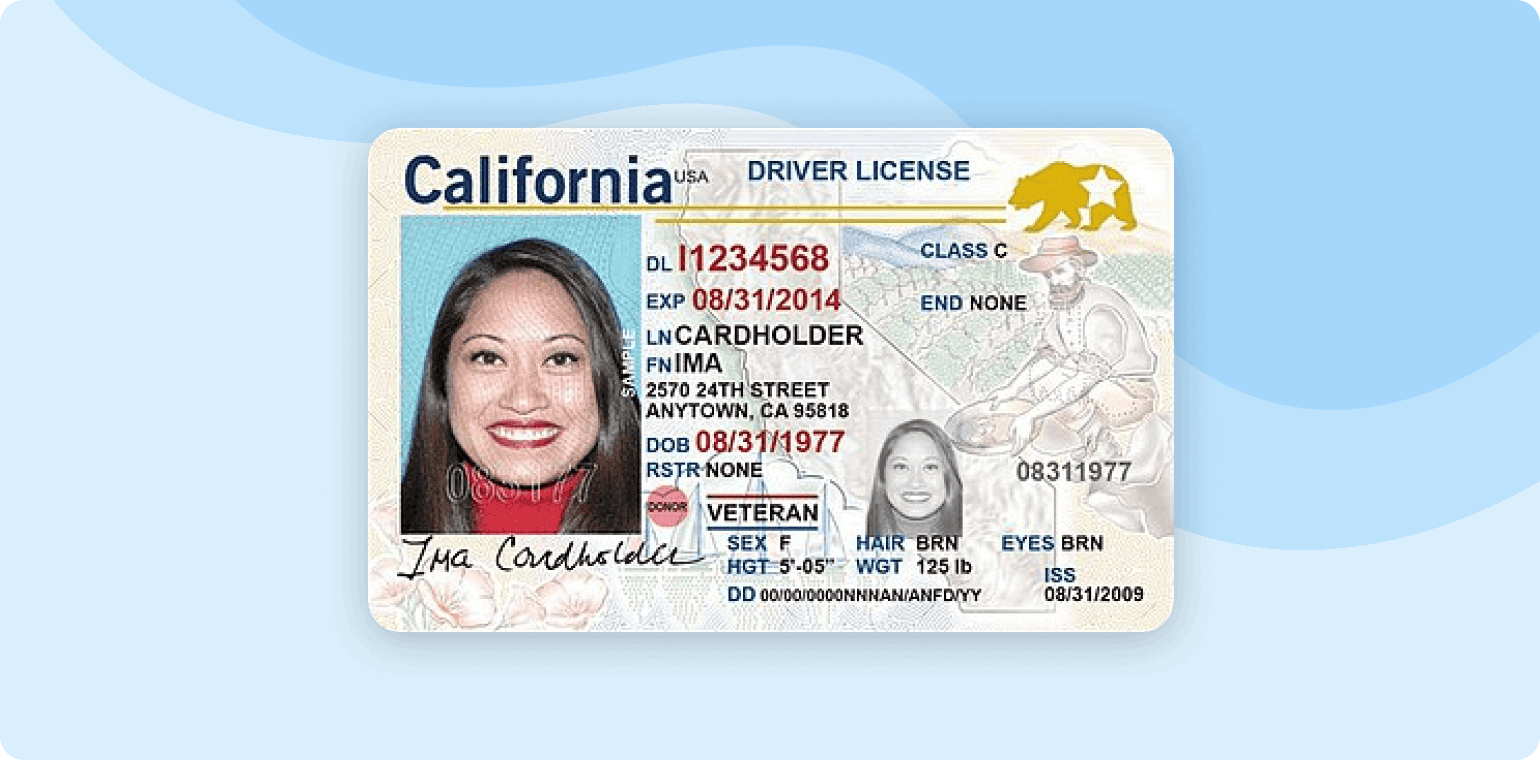
Understanding Traffic Laws
Driving in California comes with its own set of nuances. Be aware of specific laws regarding cell phone use (hands-free only), lane splitting for motorcycles, and pedestrian right-of-way. Always adhere to posted speed limits and be prepared for diverse driving conditions, from congested urban freeways to winding mountain roads. Safe and responsible driving not only keeps you and others safe but also preserves your driving privileges, ensuring you can continue to enjoy the boundless opportunities California has to offer.
LifeOutOfTheBox is a participant in the Amazon Services LLC Associates Program, an affiliate advertising program designed to provide a means for sites to earn advertising fees by advertising and linking to Amazon.com. Amazon, the Amazon logo, AmazonSupply, and the AmazonSupply logo are trademarks of Amazon.com, Inc. or its affiliates. As an Amazon Associate we earn affiliate commissions from qualifying purchases.