
California has long been synonymous with innovation, wellness, and a forward-thinking lifestyle. For those seeking to embrace the full spectrum of experiences the Golden State offers, understanding its unique legal landscape, particularly concerning health and personal well-being, is crucial. While recreational cannabis is legal for adults 21 and over, obtaining a medical cannabis card in California can still offer distinct advantages and a deeper sense of security for residents and long-term visitors alike, especially when integrating wellness practices into one’s California lifestyle. This guide delves into the process, benefits, and considerations for acquiring a medical card, framing it within the broader context of living well and exploring the state responsibly.
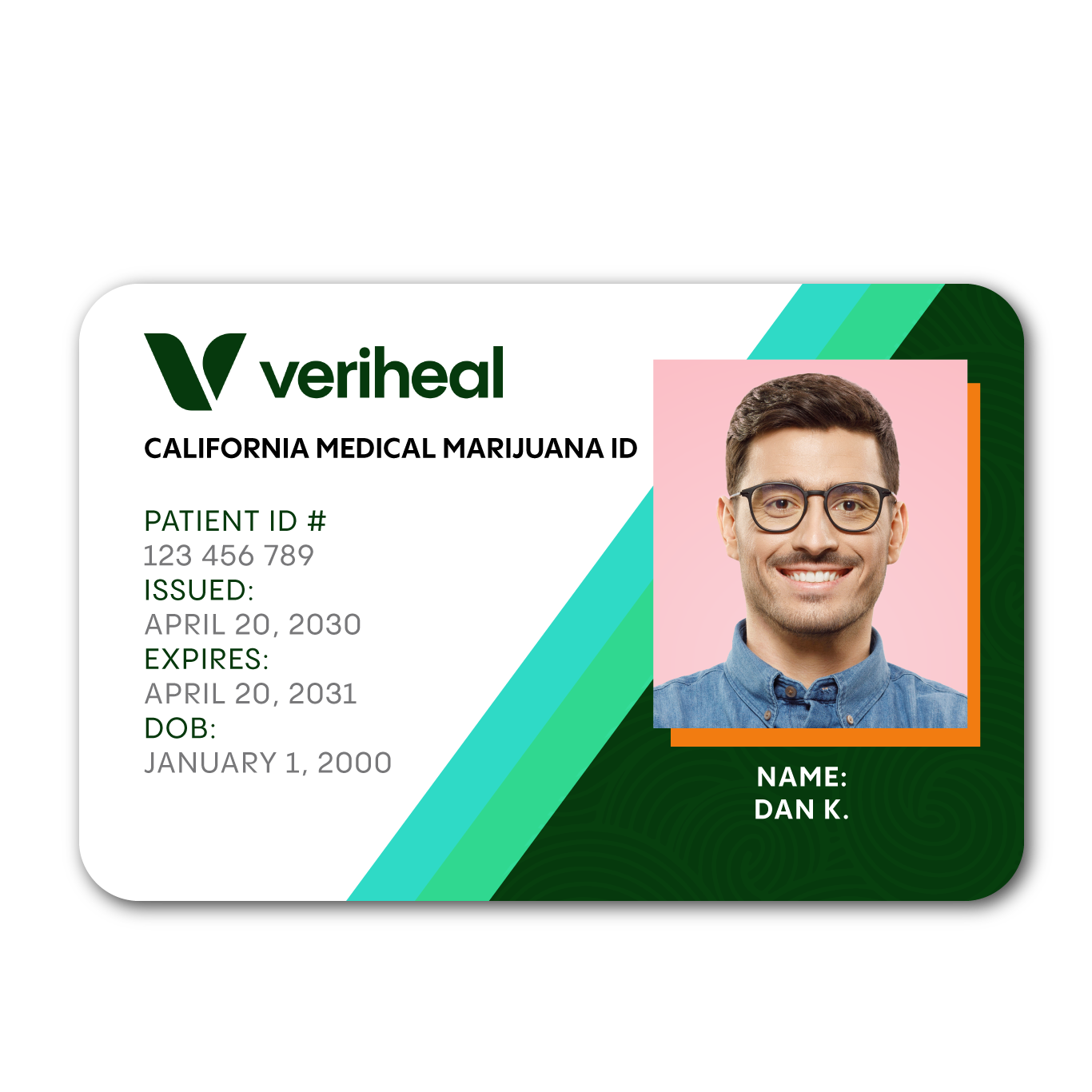
Embracing the California Lifestyle: Wellness and Personal Freedoms
The California lifestyle is often characterized by an emphasis on health, outdoor activities, and a progressive approach to personal choices. For many, this includes integrating alternative health solutions and natural remedies into their daily routines. Medical cannabis, specifically, has been a part of the state’s fabric for decades, predating nationwide trends. Understanding the state’s medical cannabis program is not just about legality; it’s about optimizing one’s quality of life, whether you’re a long-term resident, a digital nomad settling in for months, or someone on an extended wellness retreat.
Understanding Medical Cannabis in the Golden State
California was the first state to legalize medical cannabis with the passage of the Compassionate Use Act (also known as Prop 215) in 1996. This landmark legislation created a framework for patients with specific medical conditions to access cannabis with a physician’s recommendation. While Proposition 64, the Adult Use of Marijuana Act, legalized recreational cannabis in 2016, the Medical Marijuana Program (MMP) remains in place, offering specific benefits.
For individuals adopting a California lifestyle focused on holistic well-being, a medical card offers certain privileges that recreational users do not enjoy. These include higher possession limits, cultivation rights, and potential tax exemptions. For some, these factors contribute to a more sustainable and integrated approach to managing health conditions without the burden of higher costs or restrictive limits that could impact their quality of life during an extended stay. It provides a layer of legal protection and peace of mind, allowing individuals to focus on their experiences, whether hiking in Yosemite National Park, exploring the beaches of Malibu, or enjoying the vibrant city life of Los Angeles or San Francisco.
Eligibility and Requirements for Your California Medical Card
Before embarking on the application process, it’s crucial to understand who qualifies for a medical cannabis card in California and what documentation is required. The state’s regulations are designed to ensure that the program serves its intended purpose: to provide therapeutic access to cannabis for those with legitimate medical needs.
Documentation Required
To apply for a California Medical Marijuana Identification Card (MMIC), you will need to provide specific documentation. This typically includes:
- Proof of California Residency: This is paramount. You must be able to demonstrate that you are a legal resident of California. Acceptable documents often include a valid California driver’s license or identification card, a utility bill, or a rental agreement with your name and California address. For those pursuing a long-term stay or a digital nomad lifestyle in the state, establishing residency is a foundational step.
- A Valid Government-Issued Photo ID: Your California driver’s license or state ID card usually fulfills both residency and ID requirements.
- Medical Records (Optional but Recommended): While not always strictly required at the initial consultation, having existing medical records detailing your qualifying condition can significantly streamline the process and lend credibility to your need for medical cannabis. These records help the recommending physician understand your health history.
Finding a Qualified Physician
The cornerstone of obtaining a medical card is receiving a recommendation from a licensed California physician. This isn’t just any doctor; it must be a physician who is willing to recommend cannabis as a treatment for your condition.
- Conditions that Qualify: California law lists several qualifying medical conditions, including but not limited to AIDS, anorexia, arthritis, cachexia, cancer, chronic pain, glaucoma, migraine, persistent muscle spasms, including those associated with multiple sclerosis, seizures, including those associated with epilepsy, severe nausea, and any other chronic or persistent medical symptom that either substantially limits the ability of the person to conduct one or more major life activities as defined in the Americans with Disabilities Act of 1990, or, if not alleviated, may cause serious harm to the person’s safety or physical or mental health.
- Telemedicine Consultations: In a state that champions convenience and technological integration, many services allow for online consultations with licensed physicians who can evaluate your condition and provide a recommendation. This option is particularly appealing for those new to an area like San Diego or Oakland, or for individuals with mobility issues. Ensure the service uses board-certified California physicians.
- In-Person Clinics: Numerous clinics across California specialize in medical cannabis evaluations. A quick search for “medical cannabis doctor California” or “MMJ doctor Los Angeles” will yield many options. It’s advisable to read reviews and confirm their legitimacy.
The physician will conduct an evaluation, review your medical history, and, if appropriate, issue a recommendation for medical cannabis. This recommendation is the primary document you’ll need for the next step.

The Application Process: Step-by-Step
Once you have a physician’s recommendation, the next step is to apply for the actual California Medical Marijuana Identification Card (MMIC) through your county’s Department of Public Health. This card provides official verification that you are a qualified medical cannabis patient under state law.
Online vs. In-Person Applications
The application process for the MMIC is handled by county health departments. While some counties may offer online pre-applications or digital submission options for certain documents, the final step often requires an in-person visit to a county office.
- Physician’s Recommendation: Ensure you have the original, signed recommendation from your licensed California physician.
- Application Form: Obtain and complete the official application form, which is typically available on your county’s Department of Public Health website.
- Appointment Scheduling: Many counties require you to schedule an appointment for your MMIC application. Check your specific county’s website for details on how to book.
- Required Fees: There is usually a fee associated with applying for the MMIC, which can vary by county. Be prepared to pay this fee, which may be reduced for Medi-Cal beneficiaries.
- Verification: During your appointment, a county representative will review your documentation, verify your physician’s recommendation, and take your photo for the card. The card is usually mailed to you within a few weeks after approval.
Navigating the California Department of Public Health
The California Department of Public Health (CDPH) oversees the state’s MMIC program. While your application is submitted at the county level, the CDPH website provides comprehensive resources and guidelines. Familiarize yourself with these resources to ensure a smooth application process. Pay close attention to specific requirements for your county, as minor procedural differences can exist between, for example, Los Angeles County and Humboldt County. This diligence ensures that your integration into the California wellness lifestyle is hassle-free.
Enhancing Your California Experience with a Medical Card
For those who have embraced California as a temporary home or are planning an extended stay focused on wellness, a medical card can significantly enhance their overall experience. It’s not just about access; it’s about informed choices, legal protection, and a more integrated approach to personal health within the state’s unique environment.
Accessing Licensed Dispensaries
While recreational dispensaries are plentiful, holding a medical card provides access to a distinct tier of service and product.
- Medical Dispensaries: Some dispensaries operate exclusively for medical patients, often carrying specialized products and providing more in-depth consultations tailored to specific health conditions. These can be invaluable for someone seeking particular strains or consumption methods for therapeutic purposes.
- Tax Benefits: Medical cardholders are often exempt from certain state sales and excise taxes on medical cannabis purchases. Over time, especially for regular users, these savings can be substantial, making it a more economical aspect of one’s California lifestyle.
- Higher Potency and Quantity: Medical patients typically have access to higher potency products and can purchase and possess larger quantities of cannabis compared to recreational users, aligning better with the needs of those managing chronic conditions.
Legal Protections and Peace of Mind
Navigating local laws can be complex, especially for visitors or those new to California. The MMIC offers a significant layer of legal protection.
- State-Level Protection: The MMIC serves as official proof that you are a registered medical cannabis patient under California law. This protection is vital should you ever encounter law enforcement regarding your cannabis use, distinguishing you from recreational users.
- Cultivation Rights: Medical patients often have the right to cultivate more cannabis plants for personal use than recreational users, which can be a valuable aspect for those interested in self-sufficiency and understanding the plant more intimately as part of their lifestyle choices.
- Interstate Travel (with caution): While federal law still prohibits cannabis, having a state-issued medical card clarifies your legal status within California, which can be particularly relevant for those traveling between counties or within the state for work or leisure. However, it’s crucial to remember that this protection does not extend across state lines or to federal lands.

Integrating Wellness into Your California Journey
For many, a medical cannabis card is a tool to manage health conditions and enhance their overall wellness journey. California offers a plethora of activities and environments conducive to healing and relaxation, from its serene coastlines to its majestic mountains. Having a medical card ensures that you can pursue these activities with the support of your chosen wellness regimen, without unnecessary legal hurdles. It means being able to fully engage in the vibrant outdoor lifestyle, explore the diverse culinary scene, or simply enjoy the tranquility of a California sunset with the peace of mind that your personal health choices are legally supported and integrated into your daily life. It’s about more than just a card; it’s about empowering a mindful and unencumbered existence in a state celebrated for its freedom and innovation.
LifeOutOfTheBox is a participant in the Amazon Services LLC Associates Program, an affiliate advertising program designed to provide a means for sites to earn advertising fees by advertising and linking to Amazon.com. Amazon, the Amazon logo, AmazonSupply, and the AmazonSupply logo are trademarks of Amazon.com, Inc. or its affiliates. As an Amazon Associate we earn affiliate commissions from qualifying purchases.