
Embracing the Entrepreneurial Lifestyle in California
The golden state of California has long been a beacon for innovators, dreamers, and those seeking a dynamic lifestyle. Whether you’re a digital nomad setting up a temporary base in Los Angeles, an artisan selling unique crafts at a San Francisco market, or simply someone looking to turn a passion into profit from their home in San Diego, the entrepreneurial spirit thrives here. For many, this lifestyle offers the coveted flexibility and independence that traditional employment often lacks. However, turning a creative pursuit or a savvy business idea into a legitimate enterprise in California requires navigating certain administrative steps. Chief among these for anyone selling tangible goods is obtaining a resale number, formally known as a Seller’s Permit.
This permit isn’t just a bureaucratic hurdle; it’s a foundational element for any lifestyle entrepreneur looking to operate legally and efficiently in the state. It empowers you to purchase goods for resale without incurring sales tax yourself, thereby optimizing your cost structure and ensuring compliance with state regulations. Understanding this crucial step is paramount for anyone aspiring to build a sustainable business within the vibrant California economy, whether it’s a pop-up shop during a long business stay or a full-fledged online boutique.
Understanding California’s Seller’s Permit: Your Gateway to Resale
For the aspiring entrepreneur, clarity on legal requirements is the bedrock of a stress-free business journey. The Seller’s Permit in California is one such requirement that, once understood, unlocks significant operational advantages.
What is a Resale Number (Seller’s Permit)?
A resale number, officially known as a Seller’s Permit in California, is a license issued by the California Department of Tax and Fee Administration (CDTFA). This permit authorizes you to sell tangible personal property (physical goods) in California and to collect sales tax from your customers. Crucially, it also allows you to purchase items for resale from wholesalers and suppliers without paying sales tax on those purchases yourself. Instead, you collect sales tax from the end consumer at the point of sale and then remit that tax to the state. This mechanism prevents “double taxation” – once when you buy the item and again when the customer buys it from you. For anyone pursuing a lifestyle business that involves buying and selling, this distinction is vital for maintaining healthy profit margins and operating legally.
Who Needs One?
Simply put, if you plan to sell tangible personal property in California, whether occasionally or regularly, you likely need a Seller’s Permit. This applies to a wide spectrum of entrepreneurial ventures, including:
- Online Sellers: Operating an e-commerce store from your California residence, selling goods to customers within or outside the state.
- Brick-and-Mortar Retailers: Opening a physical store, no matter how small.
- Pop-up Shops and Market Vendors: Participating in craft fairs, farmers’ markets, street festivals, or temporary retail spaces across cities like San Diego, Oakland, or Sacramento.
- Artists and Crafters: Selling handmade items such as jewelry, paintings, ceramics, or apparel directly to consumers.
- Service Providers Selling Products: For example, a hairdresser selling hair products or a yoga instructor selling yoga mats.
- Wholesale Businesses: Even if you only sell to other businesses, if those businesses do not provide you with a valid resale certificate, you must collect sales tax.
Even if you only plan to sell for a short period or a few times a year, the requirement generally applies. The CDTFA considers any individual or entity selling physical goods to be a retailer. Understanding this broad definition is key to maintaining compliance and peace of mind as you build your lifestyle business.
Key Benefits for the Lifestyle Entrepreneur
Securing a Seller’s Permit offers several tangible advantages that contribute to a smoother, more legitimate entrepreneurial lifestyle:
- Legitimacy and Credibility: Possessing a permit signifies that your business is recognized and authorized by the state. This builds trust with both customers and suppliers.
- Wholesale Access and Cost Savings: With a Seller’s Permit, you can provide a resale certificate to wholesalers, allowing you to purchase inventory tax-free. This directly impacts your bottom line, as you avoid paying sales tax on items you intend to resell, making your business more competitive and profitable.
- Legal Compliance: Operating without a required Seller’s Permit can lead to penalties, fines, and legal issues. Obtaining one ensures you’re playing by the rules, allowing you to focus on growing your business rather than worrying about compliance problems.
- Expanded Business Opportunities: Some payment processors, online marketplaces, and business banking services may require proof of a Seller’s Permit to open accounts, thereby broadening your operational capabilities.
- Professional Image: It’s a fundamental step that demonstrates professionalism, indicating you are serious about your venture and committed to its long-term success. For those on extended “business stays” looking to establish temporary ventures, this quickly conveys seriousness and adherence to local regulations.
The Application Process: Navigating the California Department of Tax and Fee Administration (CDTFA)
The process of obtaining a Seller’s Permit in California is straightforward, primarily handled through the CDTFA. The emphasis here is on ensuring accuracy and preparedness to make the journey seamless for your entrepreneurial endeavors.
Online Application: The Easiest Route

The most efficient way to apply for your Seller’s Permit is online through the CDTFA website. The online portal is designed to guide you through each step, making it accessible even for first-time business owners. You’ll typically navigate to the “Register a New Business Activity” section.
Before you begin, ensure you have gathered all necessary information. The application will ask for details about your business and personal information. It’s often helpful to have these ready to avoid interruptions during the application process. Once submitted, the CDTFA typically processes applications quickly, sometimes issuing a temporary permit immediately, with the official document arriving by mail shortly thereafter.
Required Information and Documentation
While the application is largely self-explanatory, here’s a rundown of the key information you’ll need to provide:
- Business Name and Address: This could be your legal name for a sole proprietorship or your fictitious business name (DBA) if you’ve registered one. The business address should be your primary place of business in California.
- Business Type/Legal Entity: Specify whether you’re a Sole Proprietorship, Partnership, Corporation, Limited Liability Company (LLC), etc. For many lifestyle entrepreneurs, a sole proprietorship or LLC is common.
- Federal Employer Identification Number (EIN): If you operate as an LLC, corporation, or partnership, you’ll need an EIN, obtained from the IRS. Sole proprietors without employees can typically use their Social Security Number.
- Social Security Number (SSN): Required for sole proprietors and partners.
- California Driver’s License or ID Number: Proof of identity.
- Start Date of Business: The date you began, or intend to begin, selling tangible goods.
- Description of Business Activity: Clearly state what you will be selling (e.g., “handmade jewelry,” “vintage clothing,” “online electronics retail”).
- Estimated Monthly Sales and Taxable Sales: The CDTFA uses this to determine your filing frequency (e.g., monthly, quarterly, annually).
- Bank Account Information (Optional): For electronic payments of sales tax.
Ensure all information is accurate and consistent with any other business registrations you may have (e.g., business licenses with your city or county).
Understanding Your Filing Requirements
Once your Seller’s Permit is issued, the CDTFA will assign you a filing frequency for your sales tax returns—typically monthly, quarterly, or annually. This frequency is based on your estimated taxable sales volume. Most small lifestyle businesses often start with a quarterly or annual filing requirement.
It is critical to understand and adhere to these deadlines. Missing a filing or payment can result in penalties and interest. Accurate record-keeping is your best friend here. Keep meticulous records of all sales, sales tax collected, and any tax-exempt purchases made for resale. This ensures that when it’s time to file, the process is smooth and stress-free, allowing you to maintain focus on your entrepreneurial pursuits rather than administrative headaches.
Beyond the Permit: Maintaining Your Entrepreneurial Journey in California
Obtaining your Seller’s Permit is a significant milestone, but it’s just the beginning of your compliant entrepreneurial journey in California. Effective management of your sales tax obligations is paramount for the longevity and health of your business.
Collecting and Remitting Sales Tax
California has a statewide base sales tax rate, which is then augmented by various local district taxes, meaning the actual sales tax rate your customers pay can vary significantly depending on the specific city and county where the sale occurs. For online sellers, the rate usually defaults to the customer’s shipping address. For physical sellers (pop-ups, boutiques), it’s the rate at your business location.
Your responsibility as the seller is to accurately calculate, collect, and then remit these taxes to the CDTFA by your assigned due dates. Many point-of-sale (POS) systems and e-commerce platforms can help automate this calculation, but ultimately, the responsibility lies with you to ensure accuracy. Setting aside the collected sales tax in a separate account can be a wise practice to ensure funds are available when payment is due.
Staying Compliant and Avoiding Pitfalls
Regular vigilance is key to a compliant and thriving lifestyle business.
- Review CDTFA Updates: Tax laws can change. Periodically check the CDTFA website for any updates to sales tax rates, regulations, or filing procedures.
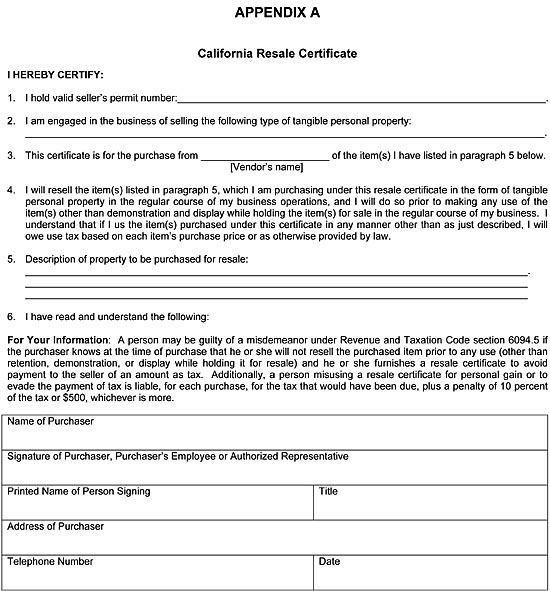
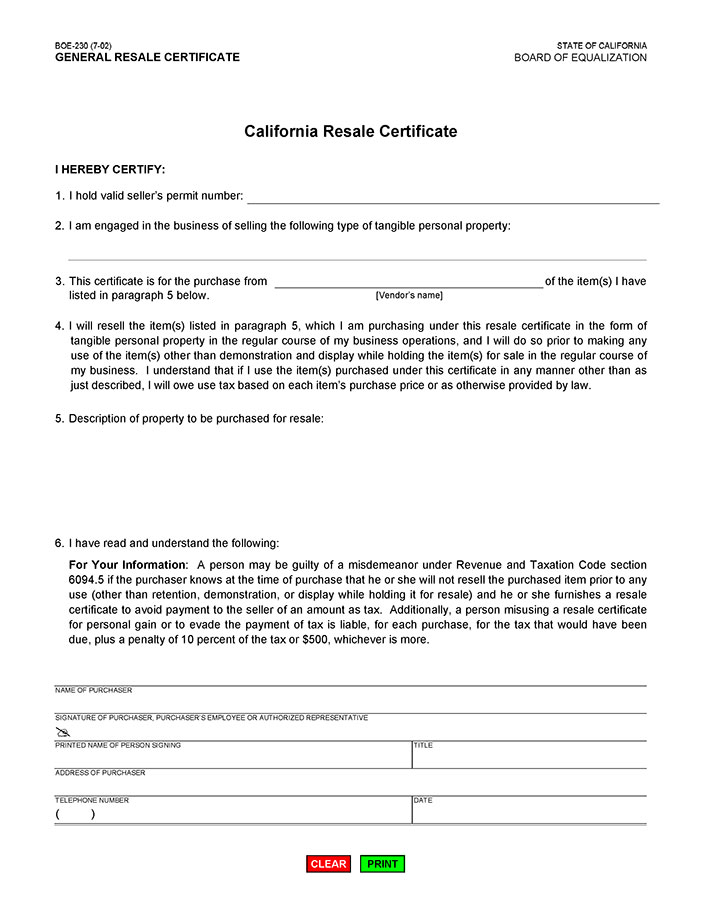
- Proper Use of Resale Certificates: When purchasing items for resale, ensure you provide your supplier with a valid resale certificate. This document, generated from your Seller’s Permit, confirms to your supplier that you are authorized to purchase tax-exempt for resale purposes. Keep records of all certificates issued and received.
- Accurate Record Keeping: Maintain detailed records of all sales, sales tax collected, and purchases. This includes invoices, receipts, and sales reports. Good records are invaluable during audits and for accurate filing.
- Consequences of Non-Compliance: Failure to obtain a required permit, collect sales tax, or remit it properly can lead to severe penalties, including fines, interest, and even criminal charges in extreme cases. For an entrepreneur dedicated to a flexible lifestyle, avoiding these legal entanglements is crucial.
Growth and Expansion: What’s Next?
As your lifestyle business flourishes, your Seller’s Permit remains a foundational element. Should you decide to expand, perhaps opening additional physical locations or substantially increasing your sales volume, your filing requirements may change, or you might need to adjust your permit details with the CDTFA. The flexibility of an entrepreneurial lifestyle often means evolving business models, and your understanding of core administrative requirements like the Seller’s Permit will serve you well at every stage of your growth, ensuring that your passion project remains legally sound and financially robust.
LifeOutOfTheBox is a participant in the Amazon Services LLC Associates Program, an affiliate advertising program designed to provide a means for sites to earn advertising fees by advertising and linking to Amazon.com. Amazon, the Amazon logo, AmazonSupply, and the AmazonSupply logo are trademarks of Amazon.com, Inc. or its affiliates. As an Amazon Associate we earn affiliate commissions from qualifying purchases.