
For many aspiring healthcare professionals, the prospect of practicing as a Registered Nurse (RN) in California represents a significant career and lifestyle goal. Known for its diverse population, advanced medical facilities, and high demand for qualified nurses, California offers a vibrant professional landscape. However, navigating the licensure process can seem daunting. This comprehensive guide outlines the essential steps, requirements, and considerations for obtaining your Registered Nurse license in the Golden State, empowering you to build a fulfilling professional life here.
Understanding the California Board of Registered Nursing (BRN)
The journey to becoming an RN in California begins with understanding the regulatory body that oversees nursing practice: the California Board of Registered Nursing (BRN). Established to protect the public by regulating the practice of Registered Nurses, the BRN sets the standards for nursing education, approves nursing programs, and issues and renews licenses. Its authority extends to enforcing the Nursing Practice Act, ensuring that all licensed nurses meet specific educational, ethical, and competency requirements.

Role and Authority
The BRN is headquartered in Sacramento and operates under the broader umbrella of the California Department of Consumer Affairs. Its primary functions include evaluating applications for licensure, administering the National Council Licensure Examination (NCLEX) for initial licensees, endorsing out-of-state licenses, investigating complaints against nurses, and implementing disciplinary actions when necessary. Understanding the BRN’s critical role from the outset is crucial, as every step of your licensure process will involve interaction with this body. Compliance with their detailed requirements is non-negotiable for anyone aspiring to practice nursing in California.
Essential Requirements Overview
Regardless of whether you are a new graduate or an experienced nurse seeking endorsement, certain foundational requirements must be met. These typically include:
- Education: Completion of an approved professional nursing program.
- Examination: Passing the NCLEX-RN examination.
- Background Check: Submission of fingerprints for a comprehensive criminal background check.
- Application: A completed application form with all necessary documentation and fees.
- Social Security Number: A valid Social Security Number is required for licensure.
Each of these components requires careful attention to detail and adherence to specific deadlines and procedures set forth by the BRN.
The Educational Pathway to Becoming an RN
The foundation of becoming a Registered Nurse in California is a robust nursing education. The state mandates that all applicants complete a nursing program that meets specific standards for curriculum and clinical experience.
Approved Nursing Programs
To be eligible for licensure, you must graduate from a nursing program approved by the BRN if it’s a California-based institution, or an equivalent program approved by the Board of Nursing in another U.S. state or territory. For international graduates, the program must be deemed equivalent by the BRN after a thorough evaluation of coursework and clinical hours.
- Associate Degree in Nursing (ADN): Typically a two-year program offered by community colleges, preparing students for entry-level nursing roles.
- Bachelor of Science in Nursing (BSN): A four-year university program providing a more comprehensive education, often preferred by employers for its broader theoretical and leadership components.
- Entry-Level Master of Science in Nursing (ELMSN): Designed for individuals with a bachelor’s degree in a non-nursing field, these accelerated programs lead to an MSN and RN licensure.
The curriculum for all approved programs must cover core areas such as medical-surgical nursing, pediatrics, obstetrics, psychiatric nursing, and community health. Clinical experience in various settings is also a mandatory component, providing hands-on training under supervision. Selecting an approved program is the first critical decision in your journey.
Transcript Submission and Verification
Upon graduation, your official transcripts must be submitted directly from your nursing school to the BRN. This ensures that the BRN receives an unaltered record of your academic achievements, including confirmation of graduation and the degree awarded. For those educated outside California, whether from another U.S. state or an international institution, additional documentation and evaluation might be required. Foreign-educated applicants often need to have their transcripts evaluated by an approved credentialing agency to determine equivalency to U.S. nursing education standards, followed by a BRN review. This verification process is crucial for the BRN to ascertain that your educational background aligns with California’s licensure standards.
Navigating the Application Process for Licensure
Once your educational requirements are met, the next phase involves meticulously completing the application for licensure. This multi-step process requires careful attention to detail and timely submission of all requested materials.
Initial Application and Fees

The official application for licensure can be found on the BRN website. It typically requires personal information, details of your nursing education, and a declaration of any past criminal convictions or disciplinary actions. It is imperative to answer all questions truthfully and completely. Omissions or misrepresentations can lead to delays or even denial of your application. Along with the completed application, you must submit the required non-refundable application fee. The fee structure is subject to change, so always refer to the current fee schedule on the BRN’s official website. Prompt payment ensures your application moves forward without unnecessary hold-ups.
Fingerprinting and Background Check
A mandatory component of the licensure process in California is a thorough criminal background check, conducted via fingerprint submission. Applicants must use the Live Scan service for fingerprinting, which electronically transmits fingerprints to the California Department of Justice (DOJ) and the Federal Bureau of Investigation (FBI). The BRN provides specific Live Scan forms with the correct ‘Agency Code’ and ‘ORI’ numbers required for the submission to be correctly routed. It is crucial to follow the instructions precisely to avoid delays. Any criminal history revealed through the background check will be reviewed by the BRN on a case-by-case basis. While minor offenses might not automatically disqualify an applicant, serious offenses could jeopardize licensure. Transparency and providing any requested additional documentation regarding past incidents are key.
NCLEX Examination Registration and Scheduling
After the BRN has reviewed and approved your application and education, they will notify Pearson VUE, the administrator of the NCLEX, that you are eligible to test. You will then receive an Authorization to Test (ATT) from Pearson VUE. The NCLEX-RN is a standardized exam designed to assess the knowledge, skills, and abilities essential for the safe and effective practice of nursing at the entry level. It is a computer-adaptive test, meaning the difficulty of questions adjusts based on your performance. You must register for the NCLEX directly with Pearson VUE and pay their examination fee. The ATT specifies the timeframe within which you must schedule and take the exam, usually 90 days. Thorough preparation for the NCLEX is paramount, as passing it is the final major hurdle to obtaining your license. Many resources, including review courses and practice tests, are available to aid in your preparation.
Licensure by Endorsement for Out-of-State Nurses
For Registered Nurses already licensed in another U.S. state or territory, California offers a licensure by endorsement pathway. This process allows qualified nurses to transfer their existing license to California, streamlining their ability to work in the state.
Eligibility and Application Requirements
To be eligible for licensure by endorsement, you must hold a current, active, and unrestricted RN license in another state or U.S. territory. The educational requirements must be substantially equivalent to California’s standards at the time of your initial licensure. The application process includes:
- Completed Application: Submit the BRN ‘Application for Licensure by Endorsement’ form.
- Verification of Licensure: Official verification of your current and all past RN licenses must be sent directly from the issuing boards to the California BRN. Most states use the NURSYS verification system, which simplifies this step.
- Official Transcripts: Official transcripts from your nursing program must be sent directly to the BRN by your school.
- Fingerprinting and Background Check: Just like new graduates, endorsement applicants must undergo a Live Scan fingerprinting for a criminal background check.
- Application Fees: Pay all required application and endorsement fees.
The BRN thoroughly reviews each endorsement application to ensure that the applicant’s qualifications meet California’s high standards for nursing practice.
Specific California Jurisprudence Course (if applicable)
While not a universal requirement for all endorsement applicants, some may be required to complete a California jurisprudence course. This typically applies if the BRN determines that your prior nursing education or experience did not sufficiently cover aspects of California’s specific nursing laws and regulations, or if there were minor discrepancies in your initial licensure process. This course ensures that you are fully informed about the legal and ethical framework governing nursing practice within the state. If required, the BRN will notify you and provide guidance on approved courses.
Temporary License Options
Recognizing the urgent need for nurses, especially those relocating to California to begin new positions, the BRN often offers a temporary license. This allows qualified endorsement applicants to practice nursing while their permanent license application is still being processed. To be eligible for a temporary license, you generally must meet all other endorsement requirements, have a clear background check, and demonstrate that your application for permanent licensure is complete and in good order. A temporary license is usually valid for a limited period, often six months, and is non-renewable. It provides a valuable bridge, enabling nurses to begin working and establish their professional lifestyle in California without extensive delays.
Maintaining Your California RN License
Obtaining your Registered Nurse license in California is a significant achievement, but it’s just the beginning. Maintaining an active license requires ongoing commitment to professional development and adherence to renewal requirements.
Continuing Education Requirements
To ensure nurses remain current with evolving healthcare practices, technologies, and patient care standards, the BRN mandates continuing education (CE). Currently, Registered Nurses in California are required to complete 30 contact hours of approved CE every two years as a condition for license renewal. These CE hours must be from providers approved by the BRN or a recognized out-of-state board of nursing. The topics covered in CE can vary widely, from clinical skills and patient safety to ethics and public health issues, all designed to enhance professional competence. It is the licensee’s responsibility to keep records of completed CE courses, as the BRN conducts random audits.
License Renewal Process
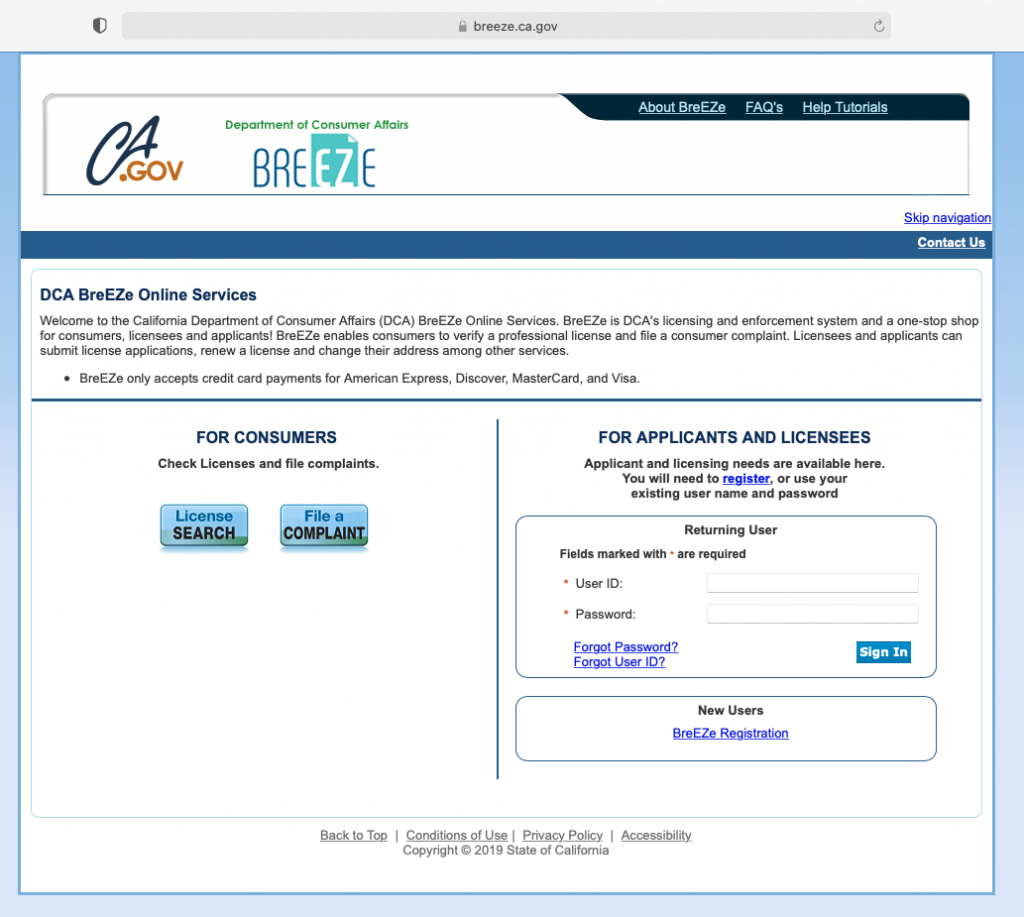
Your California RN license must be renewed every two years on or before the last day of the month following your birth month. The BRN sends renewal notices as a courtesy, but ultimately, it is the nurse’s responsibility to renew on time. The renewal process can typically be completed online through the BRN website, where you will attest to completing your required continuing education hours and pay the renewal fee. Failing to renew your license by the expiration date can result in an inactive or delinquent license status, which may require additional fees and steps to reactivate, potentially hindering your ability to practice. Staying proactive with CE and renewal ensures a seamless continuation of your professional life as a Registered Nurse in California.
LifeOutOfTheBox is a participant in the Amazon Services LLC Associates Program, an affiliate advertising program designed to provide a means for sites to earn advertising fees by advertising and linking to Amazon.com. Amazon, the Amazon logo, AmazonSupply, and the AmazonSupply logo are trademarks of Amazon.com, Inc. or its affiliates. As an Amazon Associate we earn affiliate commissions from qualifying purchases.