
Charting Your Course: Understanding California’s Credentialing Landscape
Embarking on a teaching career in California is more than just securing a job; it’s a profound lifestyle decision that places you at the heart of one of the nation’s most diverse and dynamic educational systems. California, known for its innovative spirit and vast opportunities, offers a unique professional environment for educators. Understanding the state’s credentialing system is the crucial first step on this fulfilling journey, setting the foundation for a career that deeply impacts communities and shapes futures.
At the core of this system is the California Commission on Teacher Credentialing (CTC), the authoritative body responsible for setting standards, issuing, and regulating teaching credentials. The CTC ensures that all educators meet rigorous professional requirements, safeguarding the quality of instruction across the state’s public schools. Navigating their guidelines is paramount for anyone aspiring to teach in California.
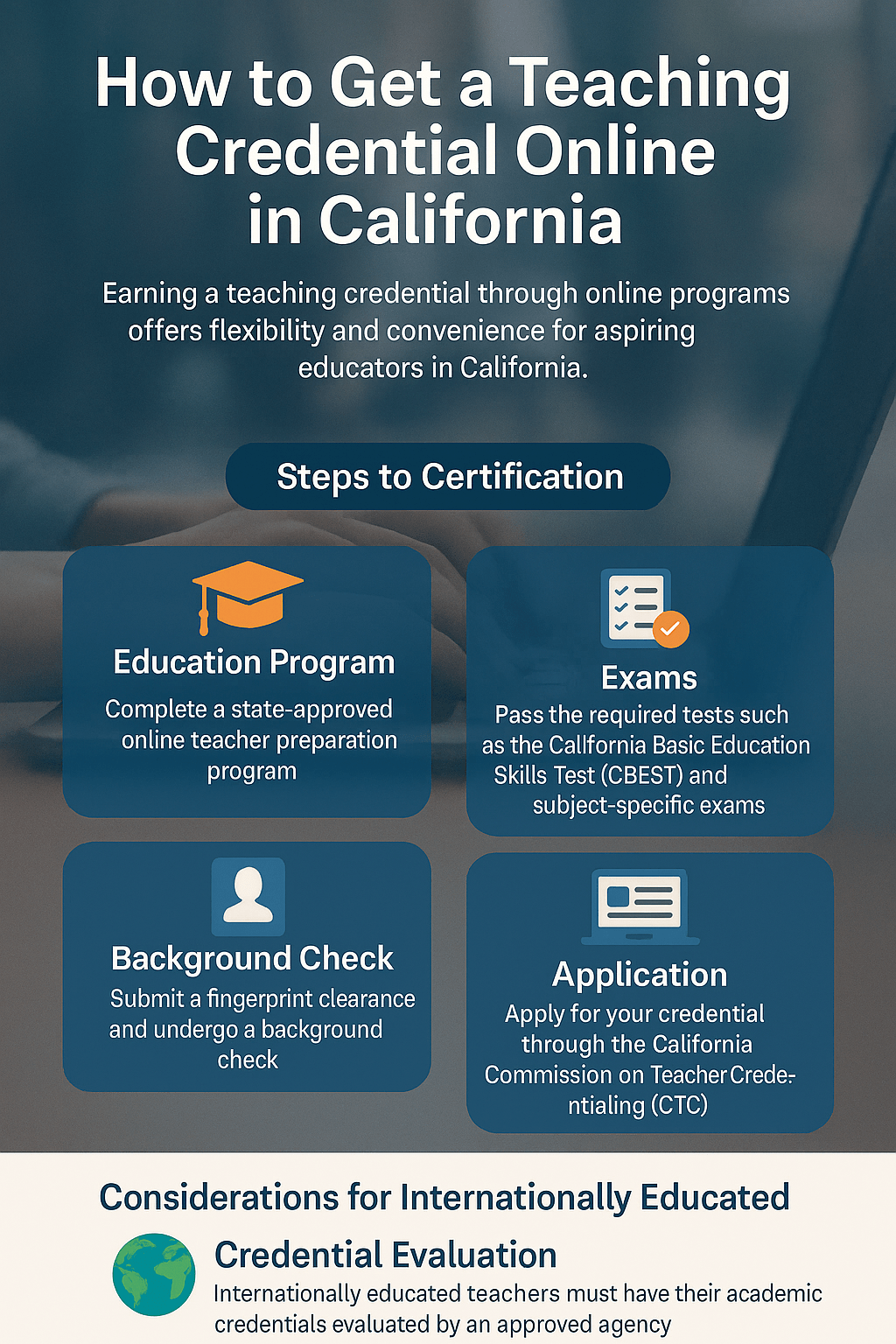
California offers several types of teaching credentials, each designed for specific educational roles and grade levels. The primary credentials include:
- Multiple Subject Teaching Credential: Required for teaching in self-contained classrooms, typically found in elementary schools, where a teacher instructs the same group of students in all core subjects (e.g., Kindergarten through 8th grade).
- Single Subject Teaching Credential: Necessary for teaching a specific subject (e.g., English, Math, Science, History) in departmentalized settings, commonly found in middle and high schools (e.g., 7th through 12th grade).
- Education Specialist Instruction Credential: For those dedicated to working with students with disabilities across various age ranges. This credential also has different specializations, such as Mild/Moderate Support Needs or Extensive Support Needs.
Beyond these foundational credentials, the CTC also issues credentials for various specialized roles, including pupil personnel services (school counselors, psychologists), administrative services, and child development permits. Each credential requires a distinct pathway of academic preparation, examinations, and practical experience.
Choosing to teach in California means embracing a lifestyle enriched by diverse student populations, innovative educational practices, and a state that values its educators. Whether you envision yourself shaping young minds in the bustling urban landscape of Los Angeles, fostering critical thinking in the tech-driven environment of San Francisco, or contributing to smaller, tight-knit communities, the credentialing process is your gateway to a meaningful professional life in the Golden State.
Pathways to a California Teaching Credential: Tailoring Your Journey
The path to becoming a credentialed teacher in California is not one-size-fits-all, reflecting the state’s commitment to accommodating individuals from various educational backgrounds and life stages. Whether you’re a recent college graduate, an experienced educator from another state, or a professional seeking a career change, California offers tailored routes to help you achieve your goal and integrate into the state’s vibrant educational lifestyle.
For In-State Candidates
For individuals who have completed their higher education within California, the most common pathway involves a combination of academic study and practical experience.
- Traditional University Programs: Most aspiring teachers in California pursue a bachelor’s degree followed by a state-approved post-baccalaureate credential program. These programs, typically offered by universities and colleges, integrate required coursework, often including pedagogical theory, curriculum development, and classroom management strategies, with extensive supervised student teaching. This immersive experience is crucial for developing practical teaching skills and understanding the day-to-day lifestyle of an educator.
- Integrated Programs: Some California universities offer integrated programs where students can earn both a bachelor’s degree and a teaching credential simultaneously, often within four to five years. These streamlined programs are ideal for those committed to teaching early in their academic journey.
- Intern Programs: For individuals with a bachelor’s degree who wish to gain classroom experience while completing their credential requirements, intern programs offer a valuable alternative. Interns are hired by school districts as teachers of record, receiving a salary and benefits, while simultaneously enrolled in a university-based credential program. This demanding yet rewarding path allows candidates to immediately immerse themselves in the professional lifestyle of a teacher, gaining practical experience under the mentorship of seasoned educators.
For Out-of-State Candidates
California welcomes educators from other states, recognizing their valuable experience and diverse perspectives. However, California does not have automatic reciprocity with other states, meaning out-of-state credentials are not directly transferable. Instead, out-of-state candidates must apply for a California credential and demonstrate that their previous education, experience, and credentials meet California’s specific requirements.
Typically, this involves submitting transcripts, verification of prior teaching experience, and potentially completing any remaining California-specific requirements, such as the California Basic Educational Skills Test (CBEST) or the U.S. Constitution requirement. The California Commission on Teacher Credentialing evaluates each application on a case-by-case basis. Moving to California as an out-of-state educator represents a significant life and career transition, offering the chance to experience a new cultural and professional landscape.
For Career Changers and Professionals
Many individuals with established careers in other fields find themselves drawn to the impactful lifestyle of teaching. California provides pathways for these career changers to transition into education.
- Alternative Certification Programs: These programs are specifically designed for individuals who already hold a bachelor’s degree (often in a subject area they wish to teach) but lack formal teacher preparation. They often combine intensive coursework with practical classroom experience, preparing candidates for licensure while leveraging their existing knowledge and professional maturity.
- Leveraging Existing Degrees and Experience: For those with advanced degrees or extensive professional experience in a subject area, certain requirements, such as subject matter competence, might be met through their academic background or a combination of coursework and examinations. This can shorten the path to a credential, making the transition to a teaching lifestyle more accessible and efficient.
Regardless of the pathway chosen, each route is a commitment to a lifestyle of continuous learning, growth, and dedicated service within California’s diverse educational communities.
Mastering the Essentials: Key Requirements and Examinations
Obtaining a teaching license in California demands fulfilling a set of critical requirements, each designed to ensure that educators possess the foundational knowledge, skills, and ethical disposition necessary for effective instruction. These requirements are not mere hurdles; they are integral components of the professional lifestyle of a California teacher, emphasizing competence and a commitment to student success.
Basic Skills Requirement (BSR)
All aspiring California educators must demonstrate proficiency in basic reading, writing, and mathematics. The most common way to satisfy this is by passing the California Basic Educational Skills Test (CBEST). The CBEST assesses skills typically acquired through a general education program, ensuring that teachers can effectively communicate and manage classroom logistics. Alternatives to the CBEST include achieving qualifying scores on the SAT or ACT, completing specific coursework, or a combination of these methods, offering flexibility based on an individual’s academic background.
Subject Matter Competence (SMC)
Beyond basic skills, teachers must prove their mastery of the subject(s) they intend to teach. This ensures that educators have a deep and comprehensive understanding of their academic content, crucial for delivering high-quality instruction.
- CSET (California Subject Examinations for Teachers): The most common method for demonstrating subject matter competence is by passing the appropriate CSET examinations. There are different CSET tests for Multiple Subject, Single Subject, and Education Specialist credentials, each covering the breadth of knowledge required for that teaching area.
- Approved Subject Matter Programs: Alternatively, candidates may complete an approved subject matter program at a California institution of higher education. These programs are designed to cover all the necessary academic content, often integrated into a bachelor’s degree or a specialized post-baccalaureate program.
Professional Preparation
This involves completing an educator preparation program approved by the California Commission on Teacher Credentialing (CTC). These programs provide the pedagogical training and practical experience essential for effective teaching.
- Coursework: This includes studies in child development, educational psychology, teaching methodologies, classroom management, assessment strategies, and cultural responsiveness. These courses equip teachers with the theoretical framework and practical tools to thrive in diverse California classrooms.
- Student Teaching/Clinical Practice: A cornerstone of professional preparation, student teaching provides supervised, hands-on experience in a classroom setting. This allows aspiring teachers to apply their learned theories, develop their teaching style, and adapt to the dynamic lifestyle of a professional educator under the guidance of experienced mentors. For Single Subject and Multiple Subject candidates, this also often includes an assessment of teaching performance (e.g., CalTPA).
- Reading Instruction Competence Assessment (RICA): For Multiple Subject and Education Specialist candidates, passing the RICA is a critical requirement. This examination assesses an applicant’s knowledge and skills in reading instruction, a fundamental aspect of elementary and special education.
Other Critical Elements
- U.S. Constitution Requirement: All candidates must demonstrate knowledge of the U.S. Constitution, typically by completing a college-level course or passing an examination.
- Health Education Requirement: Depending on the credential, a course in health education may be required.
- Background Check and Fingerprinting (LiveScan): A thorough background check, including fingerprinting through LiveScan, is mandatory for all educators to ensure the safety and well-being of students. This is a standard and non-negotiable part of entering the professional teaching lifestyle.
Meeting these comprehensive requirements signifies readiness to embrace the challenges and rewards of teaching, ensuring a professional foundation that aligns with California’s high educational standards.
Your Application Journey: Navigating the Bureaucracy with Confidence
Once you’ve diligently met all the academic, examination, and experiential requirements for your desired teaching credential, the final stage is navigating the application process itself. This phase, while bureaucratic, is a crucial step towards solidifying your place in the California educational system and fully stepping into your chosen lifestyle as an educator. A meticulous approach to your application through the California Commission on Teacher Credentialing (CTC) online system will ensure a smooth transition from candidate to credentialed professional.
The application process is primarily conducted through the CTC’s online portal. Before initiating your application, gather all necessary documentation. This typically includes:
- Official Transcripts: Request official transcripts from all colleges and universities attended, demonstrating your degree conferral and completion of required coursework. Ensure these are sent directly to the CTC or uploaded following their specific guidelines.
- Test Scores: Official score reports for all required examinations, such as the CBEST, CSET, and RICA, must be submitted. These are usually transmitted electronically by the testing agencies.
- Program Recommendations: If you completed an approved educator preparation program in California, your university or program administrator will submit an electronic recommendation to the CTC on your behalf, verifying your successful completion of the program.
- Verification of Experience (if applicable): For out-of-state applicants or those seeking specific endorsements based on prior teaching, documentation verifying your teaching experience is required.
- Fingerprint Clearance: Confirmation of your LiveScan fingerprinting and background check clearance is essential. Ensure this process is completed well in advance, as it can take time to process.
Once you have gathered your documents, you will create an account on the CTC’s online system. The application interface is designed to guide you through each section, requesting personal information, educational history, and details of the specific credential you are seeking. Be prepared to pay the applicable application fees online. These fees contribute to the administrative costs of processing applications and maintaining the credentialing system.
Tips for a Streamlined Process:
- Start Early: Do not wait until the last minute to begin gathering documents or completing requirements. Background checks, official transcripts, and test score submissions can take time.
- Review Instructions Carefully: The CTC website is comprehensive. Read all instructions and FAQs pertinent to your specific credential and pathway to avoid common errors that can delay processing.
- Keep Records: Maintain copies of all submitted documents, confirmation numbers, and correspondence with the CTC. This can be invaluable if questions arise during the review process.
- Check Application Status: The online portal allows you to track the status of your application. Regularly checking this will keep you informed of any pending items or required actions.
- Contact Your Program Advisor: If you completed an in-state program, your university’s credential office or program advisor is an invaluable resource for navigating the final application steps and troubleshooting issues.
While the application process can seem daunting, it is a testament to the robust standards California upholds for its educators. Successfully navigating this phase is not just about bureaucracy; it’s about making a formal commitment to a professional lifestyle that prioritizes student learning and community development within one of the most exciting states in the country.

The California Teacher Lifestyle: Impact and Opportunity
Earning your teaching license in California is more than just obtaining a professional qualification; it’s an invitation to a distinct and impactful lifestyle, rich with opportunities for personal and professional growth. The choice to teach in California places you within a vast and diverse educational ecosystem, where your daily work directly contributes to the future of the state’s vibrant communities.
One of the defining aspects of the California teacher lifestyle is the diversity of its student populations. From bustling urban centers like Los Angeles and San Diego to agricultural valleys and coastal towns, you will encounter students from myriad cultural, linguistic, and socioeconomic backgrounds. This diversity enriches the classroom experience, demanding adaptability, cultural sensitivity, and innovative teaching strategies, fostering a continuously evolving professional practice. Engaging with such a rich tapestry of students not only broadens your perspective but also offers profound personal rewards, making every day a unique and stimulating challenge.
California is a hub for innovation in education. The state often leads in adopting new pedagogical approaches, integrating technology into learning, and developing inclusive practices. As a California teacher, you’ll likely have access to cutting-edge resources, professional development opportunities, and a network of educators passionate about pushing the boundaries of what’s possible in the classroom. This environment encourages a lifestyle of continuous learning and professional development, ensuring that educators remain at the forefront of their field.
Regarding salary expectations and quality of life, teaching in California comes with a nuanced financial picture. While the cost of living in some areas, particularly major metropolitan regions like San Francisco and Los Angeles, can be high, teacher salaries are generally competitive and vary significantly by district, experience, and educational attainment. Many districts offer competitive benefits packages, including health insurance and retirement plans, contributing to overall financial stability. Furthermore, the sheer breadth of geography means that opportunities exist in areas with a more affordable cost of living, such as Sacramento or inland regions, allowing teachers to choose a lifestyle that balances career aspirations with personal financial goals.
Beyond the classroom, the quality of life for a teacher in California is unparalleled. The state offers an incredible array of natural beauty, from pristine beaches and majestic mountains to sprawling national parks. Weekends and holidays provide ample opportunities for outdoor recreation, cultural exploration, and experiencing vibrant communities. Whether you enjoy hiking, surfing, wine tasting, or exploring world-class museums, California caters to a wide spectrum of personal interests, creating a fulfilling work-life balance that complements the demands of teaching.
The lifestyle of a California teacher is ultimately defined by impact. Educators here play a vital role in preparing students for a rapidly changing global society, instilling critical thinking, creativity, and resilience. This profound sense of purpose, combined with the professional opportunities and diverse personal experiences the state offers, makes teaching in California not just a career, but a rich and rewarding way of life.
LifeOutOfTheBox is a participant in the Amazon Services LLC Associates Program, an affiliate advertising program designed to provide a means for sites to earn advertising fees by advertising and linking to Amazon.com. Amazon, the Amazon logo, AmazonSupply, and the AmazonSupply logo are trademarks of Amazon.com, Inc. or its affiliates. As an Amazon Associate we earn affiliate commissions from qualifying purchases.