
For the discerning entrepreneur building a lifestyle business in the Golden State, understanding the intricacies of permits and licenses is not just a bureaucratic hurdle—it’s a fundamental step towards sustainable growth and operational freedom. A wholesale license in California is a critical component for many businesses, enabling them to source goods efficiently, manage sales tax obligations correctly, and ultimately enhance their profit margins and market reach. For those dreaming of a business that supports their desired lifestyle, mastering this aspect of commercial compliance is key to building a robust foundation.
The Entrepreneurial Edge: Why a Wholesale License Matters for Your Lifestyle Business
Operating a successful lifestyle business often hinges on smart resource management and strategic positioning. Whether you’re curating unique products for an online boutique, running a specialized retail store in a charming coastal town, or supplying bespoke items to local hospitality venues, a wholesale license provides a significant competitive advantage. It’s not merely a piece of paper; it’s a gateway to better pricing, expanded inventory options, and legitimate business operations that foster trust with both suppliers and customers.
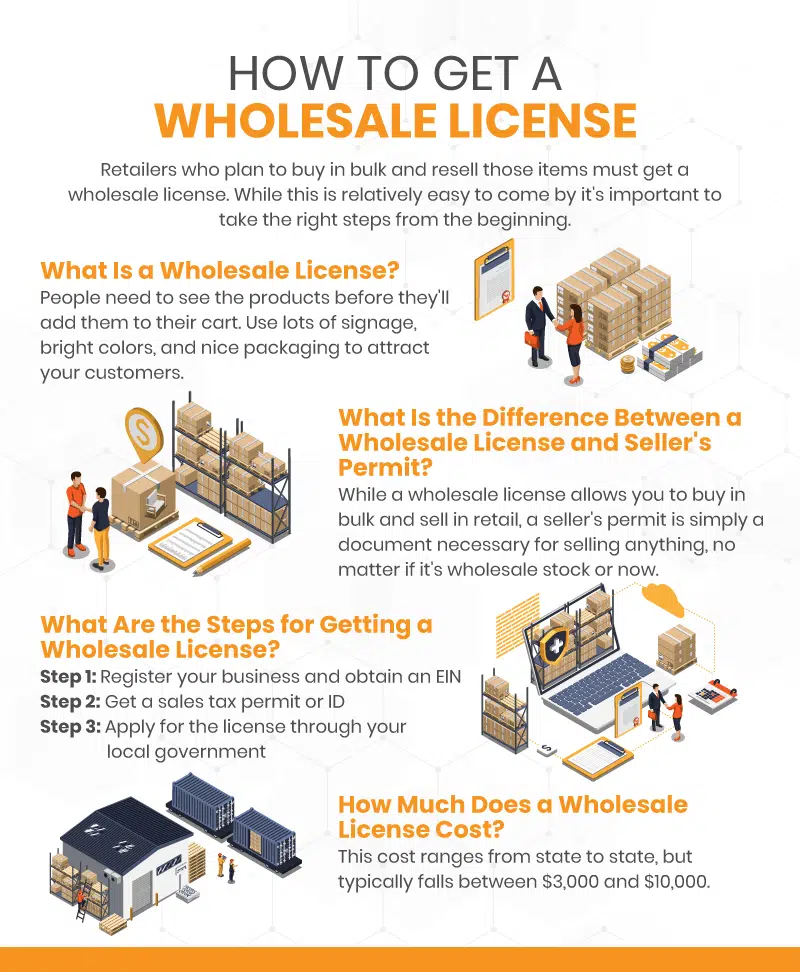
A wholesale license, often referred to as a Seller’s Permit or Resale Certificate in California, allows businesses to purchase goods from manufacturers or distributors without paying sales tax at the time of purchase. This tax exemption applies only to items intended for resale, directly impacting your upfront costs and improving your cash flow. Imagine the flexibility this offers: lower initial investment in inventory means more capital available for marketing, product development, or simply enjoying the fruits of your labor, thereby enriching your personal and professional lifestyle.
Furthermore, possessing the correct licensing enhances your business’s credibility. Suppliers are more likely to partner with legitimate, compliant businesses, often offering better terms, exclusive products, and stronger support. This can open doors to a broader network of vendors, allowing your lifestyle brand to offer a more diverse and unique selection of products, differentiating you in a competitive market. For instance, a small artisan soap maker in Napa Valley supplying local bed and breakfasts will find their operations smoother and more profitable with the right wholesale credentials, ensuring they can focus on their craft rather than navigating tax complexities.
Understanding the Landscape: What is a Wholesale License in California?
In California, the primary license needed for wholesale purchases and sales tax collection is the Seller’s Permit, issued by the California Department of Tax and Fee Administration (CDTFA). This is critical for any individual or entity selling tangible personal property that is subject to sales tax. While the term “wholesale license” is commonly used, it’s essential to understand that the Seller’s Permit fulfills this function by allowing businesses to:
- Purchase goods for resale without paying sales tax to the supplier: This is the core benefit, as you will collect sales tax from your end customers and remit it to the state.
- Legally collect sales tax from customers: Every business selling taxable goods in California must hold a Seller’s Permit to properly collect and remit sales tax.
It’s crucial to differentiate the state-issued Seller’s Permit from other business licenses you might need. A Seller’s Permit is specific to sales tax and wholesale purchasing. Depending on your business structure and location, you may also require:
- Federal Employer Identification Number (EIN): Issued by the IRS, this is like a social security number for your business and is required for most business structures, hiring employees, or opening a business bank account.
- Local Business Licenses: Many cities and counties in California, such as Los Angeles, San Francisco, or San Diego, require their own specific business licenses or permits to operate within their jurisdiction. These are separate from the state Seller’s Permit and typically involve an annual fee.
- Specific Industry Licenses: Certain industries (e.g., food service, health and beauty, construction) may have additional state or local regulatory licenses.
For a lifestyle entrepreneur, navigating these various requirements can seem daunting. However, understanding each component ensures your business operates legally and smoothly, preventing future complications that could disrupt your hard-earned work-life balance.
Navigating the Application Process: A Step-by-Step Guide
Securing your Seller’s Permit in California is a straightforward process, primarily handled through the CDTFA. However, a few preliminary steps are necessary to ensure a seamless application.
Step 1: Business Registration and Structure

Before applying for your Seller’s Permit, establish your business’s foundational elements:
- Choose a Business Structure: Decide if you will operate as a sole proprietorship, partnership, Limited Liability Company (LLC), or corporation. This choice impacts liability, taxation, and administrative burden. For many lifestyle businesses, an LLC offers a good balance of protection and simplicity.
- Obtain an EIN (if applicable): If you plan to hire employees, operate as a corporation or partnership, or simply want to open a business bank account separate from your personal finances, you’ll need an EIN from the IRS. This is a free, online process.
- Register Your Business Name: If you’re operating under a name different from your legal personal name (for sole proprietors) or your LLC/corporation name, you may need to file a Fictitious Business Name (FBN) statement, also known as a Doing Business As (DBA). This is typically done at the county level and ensures your business name is publicly registered.
Step 2: Applying for Your Seller’s Permit
Once your foundational business details are set, you can apply for your Seller’s Permit through the CDTFA.
- Online Application: The easiest and most common method is to apply online via the CDTFA’s website. You’ll create an account and follow the prompts.
- Information Required: Be prepared to provide:
- Your EIN or Social Security Number.
- Your business legal name and FBN (if applicable).
- Business address(es) (physical and mailing).
- Description of your business activities (e.g., “retail sales of clothing,” “online sales of home goods”).
- Anticipated monthly taxable sales.
- Your bank account information (for electronic tax payments).
- Personal information for owners/officers.
- No Application Fee: There is no fee to apply for a Seller’s Permit itself. However, in some cases, the CDTFA may require a security deposit, particularly for new businesses or those without an established credit history, to ensure sales tax payment compliance. This deposit is usually refundable after a period of good compliance.
- Processing Time: Online applications are often processed quickly, sometimes instantly, providing you with a temporary permit number. The official permit will typically be mailed to you within a few weeks.
Step 3: Local Business Licenses and Permits
After securing your state Seller’s Permit, turn your attention to local requirements.
- City/County Business License: Most cities and counties require a general business license to operate legally within their boundaries. Research the specific requirements for your business’s physical location. For example, if you’re setting up a lifestyle boutique in Santa Monica, you’ll need to check Santa Monica’s business licensing department. These typically involve an application and an annual fee.
- Zoning Clearances: Ensure your business activities comply with local zoning regulations, especially if you plan to operate from a home office or a physical storefront.
- Professional/Health Permits: Depending on your business type, additional permits may be necessary (e.g., health permits for food-related businesses, professional licenses for services).
Step 4: Ongoing Compliance and Renewals
Obtaining the permit is just the first step. Maintaining it involves ongoing responsibilities:
- Sales Tax Returns: You will be assigned a filing frequency (monthly, quarterly, or annually) based on your estimated sales volume. You must file sales tax returns with the CDTFA and remit the collected sales tax by the due dates.
- Record Keeping: Maintain meticulous records of all sales, purchases for resale, and sales tax collected. This is crucial for accurate filing and in case of an audit.
- Renewals: While the Seller’s Permit itself doesn’t expire, local business licenses often require annual renewal. Stay organized with renewal dates to avoid penalties.

Maximizing Your Wholesale License for Business Growth and Lifestyle Freedom
A diligently obtained and managed wholesale license is more than just a legal necessity; it’s a strategic asset for the lifestyle entrepreneur. With it, you unlock avenues for significant business growth and, by extension, greater personal freedom.
- Enhanced Profitability: By purchasing goods at wholesale prices without initial sales tax, your cost of goods sold decreases, directly increasing your profit margins. This financial buoyancy provides greater flexibility, whether for reinvestment, expanding your team, or enjoying more personal time.
- Broader Supplier Networks: Many reputable wholesalers and manufacturers exclusively deal with businesses holding a valid Seller’s Permit. This expands your sourcing options, allowing you to discover unique products, secure better deals, and build stronger relationships within your industry. For a travel-inspired retail brand in Pasadena, access to international artisans or specialty fair-trade suppliers becomes readily available.
- Credibility and Professionalism: Presenting a valid Seller’s Permit demonstrates your commitment to legal and ethical business practices. This professionalism builds trust with suppliers, potential investors, and even your customers, reinforcing your brand’s reputation as a reliable and legitimate entity.
- Opportunity for Expansion: With a solid wholesale foundation, your lifestyle business can explore new ventures. This might include participating in trade shows, selling to other businesses (B2B sales), or even developing your own products to sell wholesale. Such expansion can diversify your revenue streams and insulate your business from market fluctuations.
Ultimately, understanding how to get and utilize a wholesale license in California empowers you to build a resilient and thriving business. It minimizes regulatory friction, optimizes financial operations, and creates a clear path for growth, allowing you to truly live out your entrepreneurial dreams with greater peace of mind and the lifestyle you envision.
LifeOutOfTheBox is a participant in the Amazon Services LLC Associates Program, an affiliate advertising program designed to provide a means for sites to earn advertising fees by advertising and linking to Amazon.com. Amazon, the Amazon logo, AmazonSupply, and the AmazonSupply logo are trademarks of Amazon.com, Inc. or its affiliates. As an Amazon Associate we earn affiliate commissions from qualifying purchases.