
Embracing the Entrepreneurial Lifestyle in Construction
The decision to become a licensed general contractor in California is more than just a career move; it’s a profound commitment to an entrepreneurial lifestyle. This path offers the exhilarating freedom of shaping your own destiny, building a business from the ground up, and directly impacting the landscape of one of the world’s most dynamic economies. For those with a vision for construction and a drive for independence, securing a general contractor license in California is the crucial first step towards a rewarding professional journey. It signifies a transition from employee to business owner, empowering you to lead projects, manage teams, and cultivate a brand synonymous with quality and reliability. This lifestyle demands dedication, strategic thinking, and a continuous pursuit of excellence, but the rewards – both financial and personal – are substantial for those who navigate the licensing process successfully.

The Allure of Being Your Own Boss in California
California represents a unique frontier for general contractors. Its diverse geography, from bustling urban centers like Los Angeles and San Francisco to serene coastal towns and expansive rural areas, offers an incredible array of construction opportunities. Being your own boss here means the flexibility to choose projects that resonate with your expertise and passion, whether it’s building custom homes, renovating commercial spaces, or engaging in specialized infrastructure projects. This autonomy over your work schedule and project selection is a cornerstone of the general contractor lifestyle, allowing for a better work-life balance and the ability to dictate your earning potential. The freedom to innovate, to implement your unique vision, and to build a legacy through tangible projects is a powerful motivator, attracting many to this challenging yet fulfilling profession within the Golden State.
Why California for Your Construction Business?
Beyond the appeal of personal autonomy, California’s robust economy and consistent demand for construction services make it an ideal location to establish a contracting business. The state’s constant population growth fuels residential development, while its status as a global innovation hub drives commercial and industrial construction. Moreover, California’s commitment to sustainability and infrastructure upgrades presents ongoing opportunities for contractors specializing in green building, renewable energy installations, and public works. A license in California is highly respected, opening doors to a vast network of suppliers, subcontractors, and clients. The sheer volume and variety of projects available ensure a dynamic and ever-evolving market, promising a vibrant lifestyle for contractors who are prepared to meet the state’s stringent, yet fair, licensing requirements.
Navigating the Licensing Journey: A Path to Professional Freedom
The journey to obtaining a general contractor license in California is structured and requires careful attention to detail, but it is a navigable path for those committed to the process. Understanding each step demystifies what can initially seem daunting, transforming it into a clear roadmap toward professional freedom. The Contractors State License Board (CSLB) is the governing body responsible for regulating the construction industry, ensuring that all licensed contractors meet specific standards of competency, financial responsibility, and ethical conduct. Their oversight is designed to protect both the public and legitimate businesses, upholding the integrity of the contracting profession. Engaging with the CSLB’s requirements not only facilitates the licensing process but also equips aspiring contractors with a foundational understanding of the legal and operational framework within which they will operate.
Understanding the CSLB and License Classifications
The CSLB categorizes licenses into several classifications, with the most common general contractor license being the Class B, or “General Building Contractor.” This license permits a contractor to undertake projects involving more than two unrelated building trades or crafts, where the principal part of the work is dedicated to structural alteration or construction of existing or new residential or commercial structures. It is vital to correctly identify the appropriate license classification for your intended scope of work, as this dictates the application requirements and the specific examinations you will need to pass. Other classifications exist for specialty contractors (Class C), such as plumbers or electricians, and general engineering contractors (Class A), who deal with fixed works like roads and bridges. Understanding these distinctions is crucial for tailoring your application and ensuring that your license accurately reflects your professional capabilities and ambitions.
Essential Prerequisites: Experience and Education
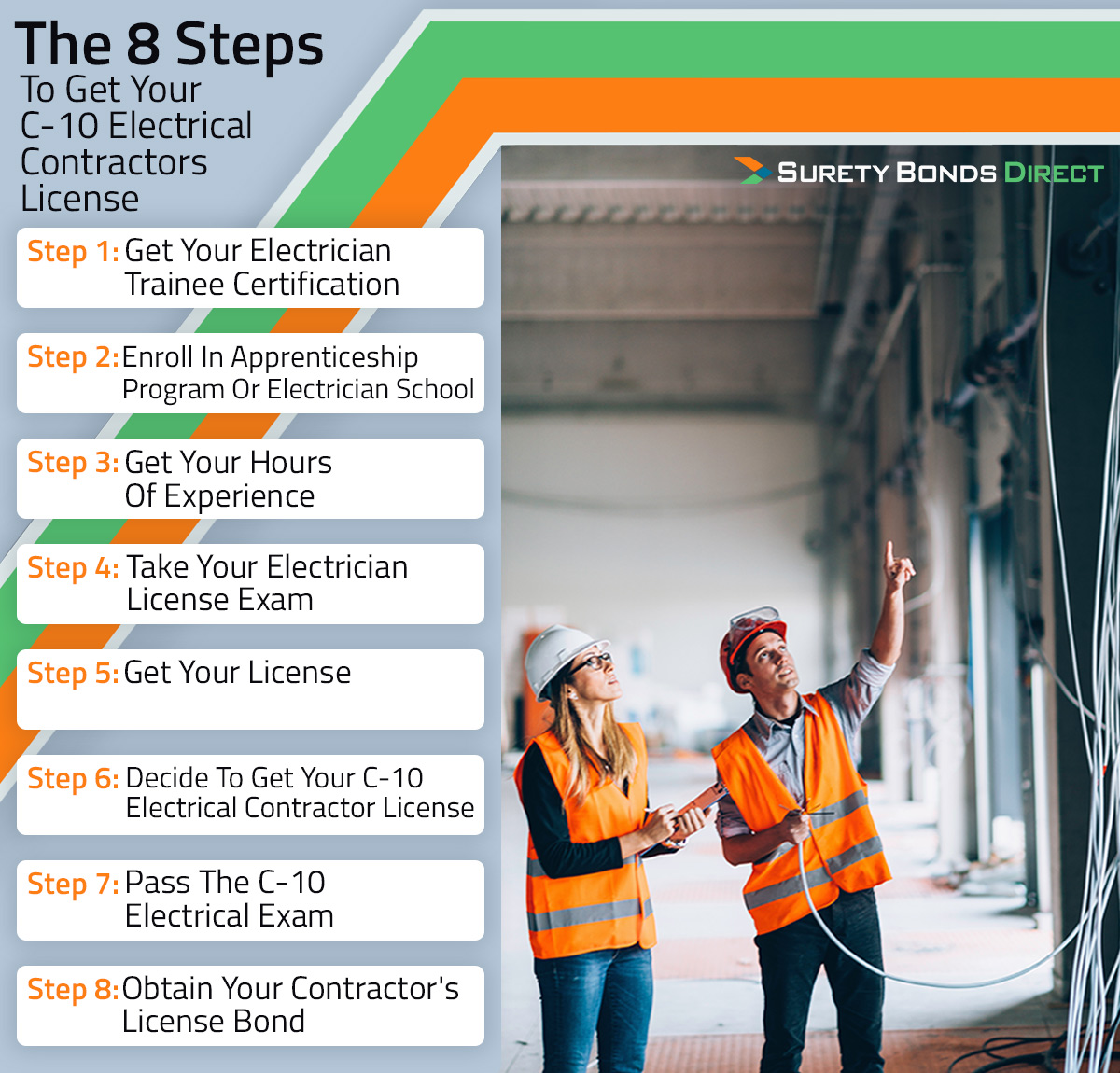
Before even contemplating the application form, aspiring contractors must satisfy the CSLB’s core prerequisites: verifiable experience and, in some cases, education. The most common requirement is four years of journeyman-level experience within the last ten years in the classification for which you are applying. This experience must be hands-on, directly supervised, and gained while working for a licensed contractor or as an owner-builder. It is this practical experience that forms the bedrock of a contractor’s competency, ensuring they possess the necessary skills and understanding of construction practices, safety protocols, and project management. While direct experience is paramount, the CSLB does allow for certain educational or vocational training to substitute for a portion of the required experience, typically up to three years. Degrees in construction management, engineering, or relevant vocational certifications can significantly shorten the practical experience requirement, offering a flexible pathway for individuals from diverse professional backgrounds. Documenting this experience meticulously, including detailed descriptions of projects and responsibilities, is critical for a smooth application process.
The Application and Examination Process: Your Blueprint to Success
With the experience and educational prerequisites in place, the next stage involves meticulously preparing and submitting your application to the CSLB, followed by the challenging but conquerable state examinations. This phase is where your dedication to the general contractor lifestyle truly comes into play, as it demands precision, perseverance, and a strategic approach to study. The application itself is a comprehensive document designed to verify your qualifications and background, while the examinations test your knowledge of both trade-specific practices and essential business and law principles. Success in this stage is not merely about passing tests; it’s about demonstrating a thorough understanding of the regulations, safety standards, and business acumen required to operate a compliant and successful construction enterprise in California.
Preparing Your Application Package
The application for a contractor’s license in California is detailed and requires careful completion. You will need to provide personal information, submit a criminal background check via fingerprinting (Live Scan), and, crucially, thoroughly document your four years of qualifying experience. This documentation involves detailing the specific jobs you’ve performed, the dates of employment, and the names and contact information of certifiers (licensed contractors, employers, or clients) who can verify your experience. It is paramount that the experience listed accurately reflects journeyman-level skills in the classification you are seeking. Any discrepancies or lack of detail can lead to delays or even rejection. Additionally, you will be required to submit a non-refundable application fee. Take your time, gather all necessary documentation, and consider having a knowledgeable party review your application before submission to avoid common pitfalls. The effort put into a complete and accurate application package will save significant time and frustration down the line.
Conquering the State Exams
Once your application is accepted, the CSLB will notify you to schedule your examinations. For a Class B General Building Contractor license, you will typically need to pass two distinct exams: the Law & Business exam and the Trade exam. The Law & Business exam covers topics such as business organization, contracts, estimating, financial management, labor laws, lien laws, and safety. This exam is crucial for ensuring that contractors understand the legal and administrative responsibilities of running a business in California. The Trade exam, on the other hand, focuses on practical knowledge related to general building construction, including planning and estimating, rough carpentry, concrete, electrical, plumbing, HVAC, and finishing work. Both exams are multiple-choice and administered on a computer. Comprehensive preparation is key; many aspiring contractors utilize study guides, online courses, and practice tests to familiarize themselves with the content and format. Passing these exams is a significant milestone, signifying that you possess both the technical expertise and the business acumen to operate competently and ethically as a licensed general contractor.
Beyond the License: Cultivating a Thriving Contractor Lifestyle
Obtaining your general contractor license is a monumental achievement, but it marks the beginning, not the end, of your entrepreneurial journey. A thriving contractor lifestyle in California extends beyond the initial licensing, requiring continuous commitment to compliance, professional development, and strategic business growth. The regulatory landscape is dynamic, and successful contractors understand the importance of staying current with industry standards, building codes, and legal requirements. This ongoing engagement with the operational realities of the construction business is what distinguishes enduring success from fleeting ventures. It’s about more than just building structures; it’s about building a sustainable and reputable business that serves the California community.
Bonding, Insurance, and Legal Compliance
A crucial aspect of maintaining your licensed status and protecting your business is fulfilling the ongoing requirements for bonding and insurance. California requires all licensed contractors to carry a contractor’s bond, typically for a specified amount, which serves as a financial guarantee for consumers, ensuring compliance with contract terms and state law. Additionally, many contractors opt for or are required to carry liability insurance to protect against potential claims arising from property damage or bodily injury on job sites. Workers’ compensation insurance is also mandatory for any contractor with employees. Beyond these, strict adherence to all local, state, and federal laws, including building codes, environmental regulations, and labor laws, is non-negotiable. Regular updates on these legal frameworks are vital to avoid costly penalties, legal disputes, and reputational damage, all of which are essential components of a responsible and sustainable contractor lifestyle.
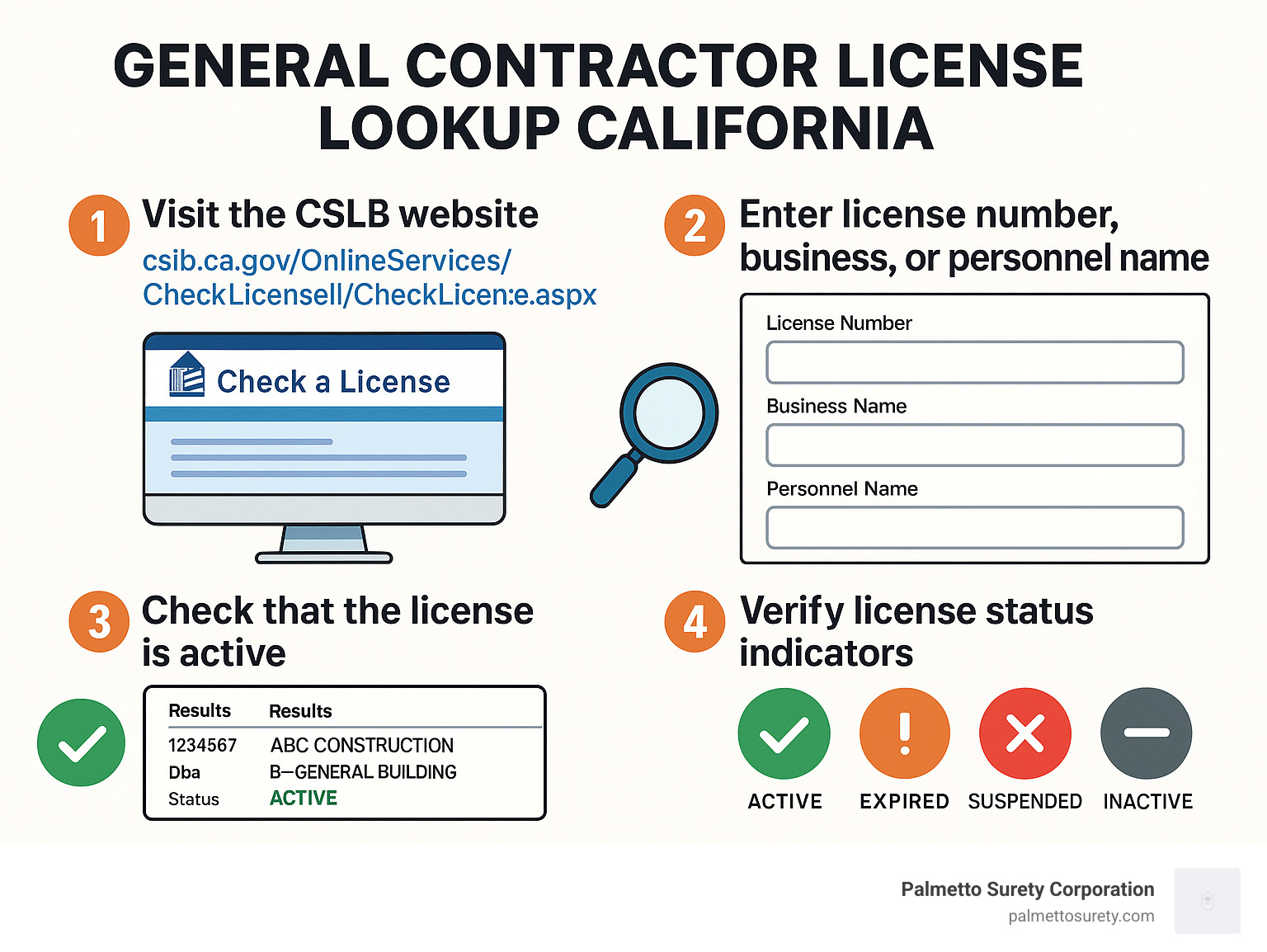
Continuous Learning and Networking in the California Market
The construction industry in California is constantly evolving, driven by new technologies, materials, and sustainable practices. A thriving contractor embraces continuous learning as a core tenet of their professional lifestyle. This includes attending industry workshops, seminars, and trade shows to stay abreast of the latest innovations and best practices. Participation in professional associations, such as the Associated General Contractors of California or local building industry associations, is also invaluable. These organizations offer networking opportunities, advocacy, and resources for professional development. Building a robust network of fellow contractors, suppliers, architects, engineers, and real estate professionals is critical for referrals, collaborations, and market insights. This interconnectedness not only fosters business growth but also creates a supportive community, enriching the overall contractor lifestyle in the vibrant and competitive California market.
LifeOutOfTheBox is a participant in the Amazon Services LLC Associates Program, an affiliate advertising program designed to provide a means for sites to earn advertising fees by advertising and linking to Amazon.com. Amazon, the Amazon logo, AmazonSupply, and the AmazonSupply logo are trademarks of Amazon.com, Inc. or its affiliates. As an Amazon Associate we earn affiliate commissions from qualifying purchases.