
Navigating the healthcare landscape in a new state, or even for the first time in your current state, can feel daunting. For those living, working, or planning an extended stay in California, securing appropriate medical insurance is a fundamental aspect of managing one’s lifestyle and ensuring peace of mind. California boasts a robust, albeit complex, healthcare system designed to offer a variety of options to its diverse population. Understanding these options and the pathways to coverage is crucial for residents and newcomers alike.
Understanding California’s Healthcare Landscape
California’s healthcare system operates under a framework significantly shaped by federal legislation, notably the Affordable Care Act (ACA), and supplemented by state-specific initiatives. This combination aims to expand access to affordable health coverage, providing multiple avenues for individuals and families to obtain insurance.

Key Regulatory Bodies and Laws
At the heart of California’s health insurance marketplace is Covered California. Established as the state’s health insurance exchange under the Affordable Care Act, Covered California serves as a marketplace where individuals and small businesses can compare and enroll in health plans. It’s also the primary channel through which eligible residents can access federal and state financial assistance to lower the cost of premiums and out-of-pocket expenses. The Affordable Care Act itself brought about significant changes, including requirements for most Americans to have health insurance, mandates for essential health benefits, and protections for individuals with pre-existing conditions. These provisions ensure a baseline of coverage and consumer protection that permeates all health insurance offerings in the state.
Types of Plans Available
When seeking medical insurance in California, you’ll encounter several common types of health plans, each with distinct features regarding flexibility, cost, and access to providers:
- HMOs (Health Maintenance Organizations): These plans typically offer lower premiums but require you to choose a primary care physician (PCP) within the network who coordinates all your care. You generally need a referral from your PCP to see a specialist, and services outside the network are usually not covered, except in emergencies.
- PPOs (Preferred Provider Organizations): PPOs offer more flexibility. You don’t usually need a referral to see a specialist, and you can see out-of-network providers, though at a higher cost. Premiums for PPOs are often higher than for HMOs.
- EPOs (Exclusive Provider Organizations): Similar to HMOs, EPOs only cover services from doctors, specialists, or hospitals in the plan’s network, except in emergencies. However, unlike HMOs, EPOs typically do not require referrals to see specialists within the network.
- POS (Point of Service) Plans: These plans blend features of HMOs and PPOs. You typically choose a PCP from a network, but you can also go out of network for care, though you’ll pay more. Referrals might be needed for out-of-network specialists.
Each plan type caters to different needs and preferences, influencing how you access care and your overall out-of-pocket costs.
Pathways to Coverage: Exploring Your Options
Securing health insurance in California can be achieved through several primary avenues, each suited to different personal circumstances, employment statuses, and income levels.
Employer-Sponsored Plans
For many individuals and families, the most common way to get health insurance is through an employer. If you are employed by a company that offers health benefits, you typically have the option to enroll in their group health plan. These plans often subsidize a significant portion of the premiums, making them a cost-effective choice. Employer plans usually offer a selection of the plan types mentioned above (HMOs, PPOs, EPOs), and your enrollment is managed through your employer’s human resources department. Coverage usually begins after a waiting period, and enrollment is typically tied to your start date or an annual open enrollment period.
Covered California (The State Exchange)
If you do not have access to affordable employer-sponsored coverage, or if you are self-employed, unemployed, or your employer does not offer health insurance, Covered California is your primary resource. This online marketplace allows individuals and families to shop for and compare health plans from various private insurance companies. The significant advantage of Covered California is its ability to provide financial assistance, known as subsidies, to eligible individuals and families based on income. These subsidies can significantly reduce monthly premiums and out-of-pocket costs, making quality health insurance more accessible.
Medi-Cal (California’s Medicaid Program)
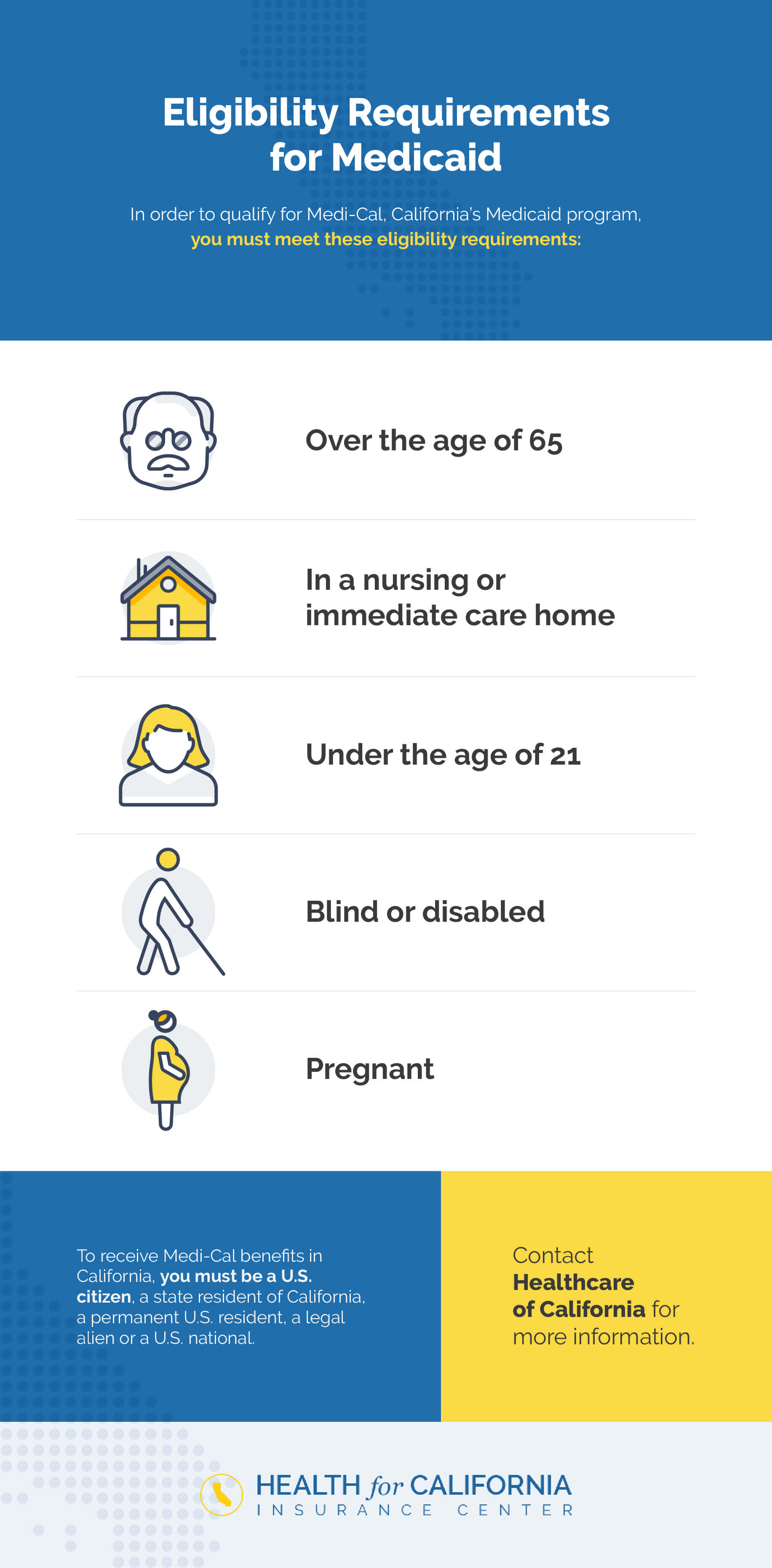
For low-income individuals and families, Medi-Cal is a vital pathway to comprehensive health coverage. Medi-Cal is California’s version of Medicaid, providing free or low-cost health care services. Eligibility for Medi-Cal is primarily based on income relative to the federal poverty level. Thanks to the Affordable Care Act’s expansion of Medicaid, more adults in California are eligible for Medi-Cal, even if they do not have children or a disability. Enrollment can often be initiated through Covered California, which will automatically determine if you are eligible for Medi-Cal based on your application information, or directly through your county’s social services agency.
Direct from Insurers
While Covered California is generally the recommended path for individuals seeking financial assistance, you can also purchase health insurance directly from private insurance companies operating in California. However, plans purchased directly from an insurer outside of Covered California are not eligible for federal or state premium subsidies. This option is typically considered by those with higher incomes who do not qualify for financial assistance or individuals who prefer to deal directly with a specific insurer.
Short-Term and Catastrophic Plans

In some specific situations, short-term health insurance plans may be available, but they are generally not recommended as a primary source of coverage. These plans are designed to fill temporary gaps in coverage (e.g., between jobs) and typically offer limited benefits, do not cover pre-existing conditions, and do not comply with all Affordable Care Act provisions. Catastrophic health plans are another option, available only to individuals under 30 or those with a hardship exemption. These plans have very low monthly premiums but high deductibles, meaning they primarily cover major medical emergencies after you’ve paid a significant amount out-of-pocket. They are intended as a safety net against unforeseen, high-cost medical events.
Navigating Covered California: A Step-by-Step Guide
For most individuals and families not covered by an employer or Medi-Cal, Covered California offers the most comprehensive and financially supportive route to health insurance.
Eligibility and Enrollment Periods
To be eligible for health coverage through Covered California, you must be a California resident, a U.S. citizen or lawfully present immigrant, and not currently incarcerated. Enrollment generally occurs during the annual Open Enrollment Period, which typically runs from November 1st to January 31st each year. During this window, anyone can apply for new coverage or change existing plans. If you miss Open Enrollment, you may still qualify for a Special Enrollment Period if you experience a qualifying life event, such as getting married, having a baby, losing other health coverage, or moving to California. These special periods allow you 60 days from the event date to enroll.
Financial Assistance and Subsidies
A major benefit of enrolling through Covered California is access to financial assistance. Two primary types of subsidies are available:
- Premium Tax Credits (PTC): These are federal subsidies that reduce your monthly health insurance premiums. Eligibility is based on your household income and family size relative to the federal poverty level. The higher your income (within certain thresholds), the lower your subsidy.
- Cost-Sharing Reductions (CSRs): These federal subsidies help lower your out-of-pocket costs, such as deductibles, co-pays, and co-insurance. CSRs are only available if you enroll in a “Silver” level plan and meet specific income requirements.
California also offers its own state-funded subsidies, which can further reduce costs for eligible residents, often extending assistance to those who might not qualify for federal subsidies alone. When you apply through Covered California, your eligibility for both federal and state subsidies is automatically determined.
Comparing Plans and Providers
Covered California’s website provides tools to compare available health plans side-by-side. Plans are categorized into metallic tiers: Bronze, Silver, Gold, and Platinum. These tiers indicate the percentage of medical costs the plan is expected to cover (e.g., Bronze covers approximately 60%, Silver 70%, Gold 80%, Platinum 90%), with the remaining percentage being your out-of-pocket responsibility. Generally, Bronze plans have lower premiums but higher out-of-pocket costs, while Platinum plans have higher premiums but lower out-of-pocket costs.
When comparing, consider not just the premiums but also the deductibles, co-pays, and maximum out-of-pocket limits. Evaluate the network of doctors and hospitals to ensure your preferred providers are included. Covered California also provides information on quality ratings for plans, helping you make an informed decision that aligns with your health needs and financial situation.
Important Considerations for Your Lifestyle in California
Beyond simply enrolling, understanding the mechanics of your insurance and making choices that fit your lifestyle in California is crucial.
Understanding Costs: Premiums, Deductibles, Co-pays, Out-of-Pocket Maximums
It’s essential to grasp the core financial terms associated with health insurance:
- Premium: The monthly amount you pay to maintain your insurance coverage.
- Deductible: The amount of money you must pay out-of-pocket for covered healthcare services before your insurance plan starts to pay.
- Co-payment (Co-pay): A fixed amount you pay for a covered healthcare service after you’ve met your deductible.
- Co-insurance: Your share of the cost for a covered healthcare service, calculated as a percentage (e.g., 20%) of the allowed amount for the service, after you’ve met your deductible.
- Out-of-Pocket Maximum: The most you have to pay for covered services in a plan year. Once you reach this amount, your health plan pays 100% of the costs of covered benefits.
A holistic understanding of these costs will help you budget for healthcare expenses and choose a plan that balances monthly payments with potential costs when you need care.
Network Access and Provider Choice
Your lifestyle in California might involve frequent travel within the state, or you might have specific doctors you prefer to see. The type of plan you choose (HMOs, PPOs, EPOs, POS) directly impacts your flexibility in choosing providers and accessing care. PPOs offer the most flexibility but come with higher costs, while HMOs are more restrictive but generally more affordable. Always verify that your preferred doctors, specialists, and hospitals are within your chosen plan’s network to avoid unexpected out-of-network charges.
Special Enrollment Periods and Life Changes
Life is unpredictable, and your health insurance needs may change. If you experience a significant life event outside of the annual Open Enrollment Period, such as moving to a new county in California, losing your job, getting married or divorced, or having a child, you may qualify for a Special Enrollment Period. These periods are critical to ensuring continuous coverage and should be utilized promptly to avoid gaps in insurance. Reporting changes in income or household size to Covered California is also important, as it can affect your eligibility for subsidies.
Resources and Assistance
Navigating the intricacies of health insurance can be challenging. Fortunately, numerous resources are available to assist you in California. Covered California offers a comprehensive website, a call center, and a network of certified enrollment counselors and agents who can provide free, personalized assistance. These professionals can help you understand your options, compare plans, determine eligibility for financial aid, and complete the enrollment process. Leveraging these resources can simplify what might otherwise seem like an overwhelming task, ensuring you secure the medical insurance best suited for your lifestyle in California.
LifeOutOfTheBox is a participant in the Amazon Services LLC Associates Program, an affiliate advertising program designed to provide a means for sites to earn advertising fees by advertising and linking to Amazon.com. Amazon, the Amazon logo, AmazonSupply, and the AmazonSupply logo are trademarks of Amazon.com, Inc. or its affiliates. As an Amazon Associate we earn affiliate commissions from qualifying purchases.