
The Essential Permit for California’s Tourism Entrepreneurs
California stands as a global beacon for tourism, attracting millions with its diverse landscapes, iconic cities, and vibrant cultural experiences. From the sun-drenched beaches of Southern California to the majestic redwoods of Northern California, every corner offers unique opportunities for local entrepreneurs to flourish. For anyone looking to tap into this bustling market by selling tangible goods, understanding and obtaining a resale license is not just a regulatory hurdle—it’s a foundational step towards legitimate operation and contributing to the state’s robust tourism economy.
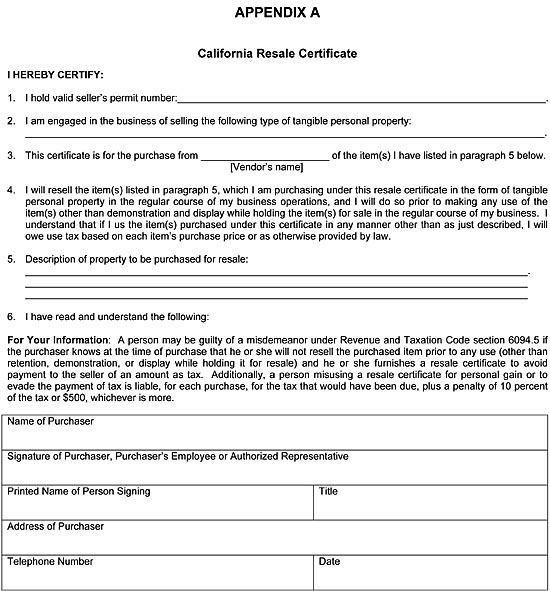
A resale license, officially known as a Seller’s Permit in California, authorizes a business to sell tangible personal property (goods) to consumers. Crucially, it allows businesses to buy items they intend to resell without paying sales tax at the time of purchase, only collecting it from the end customer. For tourism-focused enterprises, this permit is the backbone of operations. Imagine a charming boutique in Napa Valley selling artisanal wines and local crafts, a souvenir shop near the Golden Gate Bridge in San Francisco, or a food vendor at a farmers’ market in San Diego offering locally sourced jams. Each of these businesses, selling products directly to tourists or locals, must possess a valid resale license.
The necessity of this license extends across a wide spectrum of tourism-related ventures. This includes:
- Souvenir Shops & Gift Stores: Essential for selling everything from branded merchandise to postcards, magnets, and local trinkets that tourists love to take home.
- Art Galleries & Craft Boutiques: Particularly prevalent in tourist hotspots, these establishments sell unique artworks, handmade jewelry, and crafts, requiring the permit for sales tax collection.
- Specialty Food & Beverage Retailers: Businesses selling packaged gourmet foods, local wines, craft beers, or specialty coffee beans in tourist-heavy areas.
- Tour Operators & Experience Providers: While primarily selling services, if they also offer branded merchandise like t-shirts, hats, or guidebooks, they need a resale license.
- Pop-up Shops & Market Stalls: Many tourism-centric events, festivals, and farmers’ markets feature temporary vendors selling goods who must still comply with sales tax regulations.
- Hotels & Accommodation Providers: If a hotel or resort has a gift shop selling toiletries, snacks, or branded merchandise, it must hold a resale license.
Obtaining this permit not only ensures compliance with state tax laws but also instills confidence in consumers. Tourists appreciate legitimate businesses that operate transparently, contributing to a positive overall impression of their visit to California. For entrepreneurs, it’s about building a sustainable business that can thrive within the competitive yet rewarding California tourism landscape.
Navigating the Application Process for Tourism Ventures
Securing a resale license in California is a straightforward process, primarily managed by the California Department of Tax and Fee Administration (CDTFA). For entrepreneurs envisioning a business that enriches the tourist experience, understanding the application steps is key. The CDTFA website is the primary resource and most convenient channel for applying, ensuring accessibility for budding business owners across the state.
Step-by-Step Application Guide
-
Gather Necessary Information: Before you begin, compile all pertinent details about your tourism-focused business. This typically includes:
- Legal Business Name and DBA (Doing Business As) Name: The official name under which your business operates.
- Business Address: Your primary place of business in California. For many tourism businesses, this might be a physical storefront in a popular tourist district in Los Angeles or a workshop in a rural tourist destination within the Central Valley.
- Federal Employer Identification Number (FEIN) or Social Security Number (SSN): Your FEIN is required if you operate as a corporation, partnership, or have employees. Sole proprietors without employees can use their SSN.
- Business Start Date: The date you began, or plan to begin, selling tangible goods.
- Type of Business Activity: Clearly describe what you sell. For tourism, this could be “souvenir retail,” “local artisan crafts,” “specialty food products,” or “tourism merchandise.”
- Estimated Monthly Sales: An approximation of your anticipated taxable sales. This helps the CDTFA determine your sales tax reporting frequency (e.g., monthly, quarterly, annually).
- Owner/Partner Information: Names, addresses, and SSNs for all owners or partners.
-
Access the CDTFA Website: The most efficient way to apply is online through the CDTFA website. Look for the “Register a New Business Activity” or “Apply for a Seller’s Permit” section. The online portal guides you through each step, making the process relatively seamless.
-
Complete the Application: Fill out all required fields accurately. Pay special attention to the business activity description to ensure it reflects your tourism-related sales. Double-check all personal and business information for errors before submission.
-
Submission and Confirmation: Once submitted, you’ll typically receive an immediate confirmation or a temporary permit number. The CDTFA will then process your application, and your official Seller’s Permit will be mailed to you. The processing time is usually quick for online applications.
Common Pitfalls for New Tourism Businesses
While the process is straightforward, new tourism entrepreneurs should be aware of common missteps:
- Ignoring Local Permits: A state resale license is one piece of the puzzle. Many cities and counties in California, especially popular tourist destinations like Los Angeles, San Francisco, or San Diego, require additional business licenses or permits. Always check with your local city hall or county clerk’s office.
- Incorrect Business Classification: Mischaracterizing your business activity can lead to issues with tax collection and reporting. Be precise about the goods you intend to sell and how they fit into the tourism landscape.
- Incomplete Information: Any missing or inaccurate data can delay your application. Ensure all required fields are filled out comprehensively.
- Assuming Exemptions: Do not assume your unique product or service is exempt from sales tax without verifying with the CDTFA. Most tangible goods sold to consumers are taxable.
By diligently following these steps and being mindful of potential pitfalls, tourism businesses can smoothly obtain their resale license, setting a solid foundation for legal and prosperous operations in California’s vibrant tourist markets.
Beyond the Application: Maintaining Compliance for Sustainable Tourism

Obtaining a resale license is merely the first step for any tourism business in California. The ongoing commitment to understanding and fulfilling sales tax obligations is paramount for sustainable operation and maintaining a positive reputation within the tourist community. Proper compliance ensures that businesses not only avoid penalties but also contribute effectively to the state’s economic vitality, which in turn supports the very infrastructure that attracts tourists.
Understanding Sales Tax Obligations
-
Collection: As a permit holder, your business is obligated to collect sales tax from your customers on all taxable sales of tangible personal property. The sales tax rate varies by city and county within California, typically ranging from 7.25% to over 10%. It’s crucial for businesses operating in different tourist regions (e.g., a mobile vendor moving between Los Angeles and San Diego) to be aware of the specific rates applicable to their point of sale. This tax should be clearly itemized on receipts, providing transparency to the tourist customer.
-
Reporting Periods: The CDTFA assigns a reporting frequency (monthly, quarterly, or annually) based on your estimated sales volume. Smaller tourism businesses, perhaps a seasonal pop-up shop or a micro-enterprise selling local crafts, might qualify for quarterly or annual filing, simplifying administrative tasks. Larger operations, such as busy souvenir chains or hotel gift shops, will likely have monthly obligations. Adhering to these deadlines is critical to avoid late penalties and interest.
-
Remittance: The collected sales tax is not your business’s money; it belongs to the state. It must be remitted to the CDTFA by the specified due dates. Most businesses utilize the CDTFA’s online portal for easy and secure electronic payments, ensuring timely transfers.
Exemptions Relevant to Tourism
While most sales of tangible goods are taxable, certain exemptions can apply:
- Resale Certificates: The resale license itself enables you to purchase inventory (goods you intend to resell) from wholesalers without paying sales tax. You issue a resale certificate to your supplier, affirming that the items are for resale. This is fundamental for managing cash flow for tourism retailers stocking souvenirs, local produce, or artisan goods.
- Sales for Out-of-State Shipment: If a tourist purchases an item and has it shipped directly to an address outside of California, that sale may be exempt from California sales tax. Proper documentation (shipping receipts, customer address verification) is required to support such exemptions.
- Certain Food Products: Unprepared food products (groceries) are generally exempt from sales tax. However, prepared foods, hot meals, or food sold for on-premise consumption (common in cafes catering to tourists) are typically taxable. This distinction is vital for food vendors in tourist areas.
Audits and Record-Keeping
The CDTFA conducts audits to ensure compliance. For tourism businesses, which often deal with a high volume of small transactions, meticulous record-keeping is indispensable. Keep detailed records of all sales, sales tax collected, purchases for resale, and any documented exemptions for at least four years. Utilizing modern point-of-sale (POS) systems with robust reporting features can greatly simplify this, providing accurate data should an audit occur. Maintaining accurate records is not just a legal requirement; it’s a best practice that reflects professionalism and contributes to the overall credibility of California’s tourism industry.
The Broader Economic Impact on California’s Tourism Sector
Beyond the individual business compliance, the system of resale licenses and sales tax collection plays a critical role in the broader economic health and appeal of California as a premier tourism destination. Every dollar of sales tax collected by tourism-related businesses funnels back into the state’s coffers, directly and indirectly enhancing the visitor experience and supporting the communities that host them.
Funding Public Services and Infrastructure
The sales tax revenue generated by thousands of businesses, including those catering to tourists, is a significant source of funding for state and local public services. This revenue contributes to:
- Infrastructure Development: Maintaining and improving roads, public transportation, and utilities are crucial for ease of travel for tourists across California, from the coastal highways to urban centers.
- Public Safety: Funding for police, fire, and emergency services ensures a safe environment for both residents and visitors, making tourist areas like Los Angeles’ bustling streets or Yosemite National Park‘s serene trails safer for exploration.
- Public Amenities: Investment in parks, cultural institutions, and clean public spaces directly benefits tourists, providing attractive destinations and enhancing the overall quality of their visit. For instance, well-maintained beaches in San Diego or vibrant public markets in San Francisco are often supported by these funds.
Fostering Fair Competition
The requirement for all businesses selling tangible goods to obtain a resale license and collect sales tax ensures a level playing field. It prevents unfair advantages for unregistered businesses that might otherwise undercut prices by not remitting taxes. This fair competitive environment is vital for the health of California’s diverse tourism market, protecting legitimate businesses ranging from long-standing wineries in Napa Valley to emerging artisans in Big Sur. It encourages innovation and quality, as businesses must compete on value and experience rather than illicit tax avoidance.

Encouraging Local Entrepreneurship and Unique Experiences
By clearly outlining the steps to compliance, the CDTFA inadvertently encourages local entrepreneurship within the tourism sector. The relatively straightforward online application process for a resale license lowers a barrier to entry for individuals looking to start small businesses that offer unique local products and experiences. These small enterprises, whether selling artisanal olive oil in the Central Valley, custom surfboards in Orange County, or themed souvenirs near Disneyland, are often what define the distinctive character of California’s many tourist regions. Their success contributes to the authentic “local culture” that many travelers seek, diversifying the tourism offerings beyond mainstream attractions.
Ultimately, obtaining and maintaining a resale license is a fundamental part of the ecosystem that allows California’s tourism sector to flourish. It empowers entrepreneurs, funds vital public services, ensures fair market practices, and collectively enhances the unforgettable experiences that millions of tourists seek within the Golden State.
LifeOutOfTheBox is a participant in the Amazon Services LLC Associates Program, an affiliate advertising program designed to provide a means for sites to earn advertising fees by advertising and linking to Amazon.com. Amazon, the Amazon logo, AmazonSupply, and the AmazonSupply logo are trademarks of Amazon.com, Inc. or its affiliates. As an Amazon Associate we earn affiliate commissions from qualifying purchases.