
Understanding EBT and CalFresh in California
Navigating the landscape of social support programs can often feel complex, but understanding key resources is vital for maintaining a stable lifestyle. In California, the primary program for food assistance is known as CalFresh, which is the state’s implementation of the federal Supplemental Nutrition Assistance Program (SNAP). At the heart of CalFresh is the Electronic Benefit Transfer (EBT) card, a debit-like card used to access allocated food benefits.
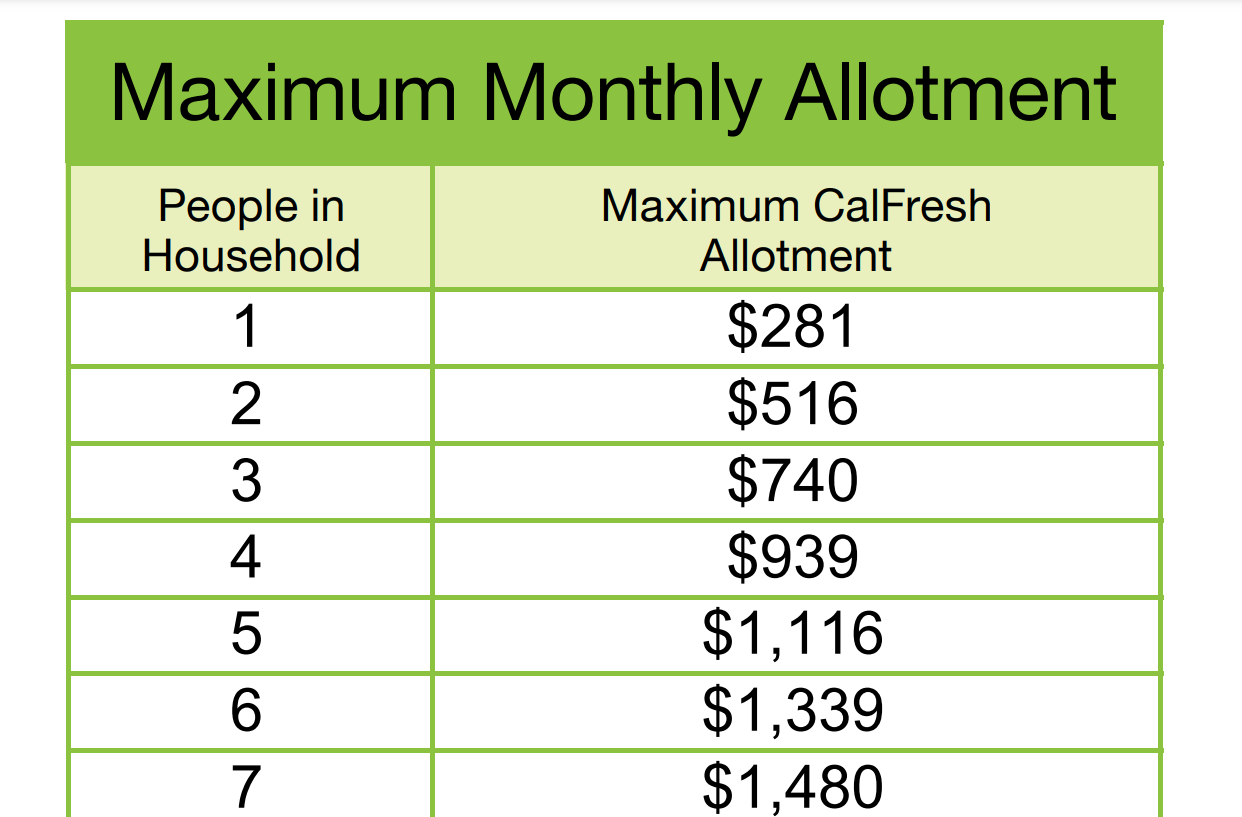
The EBT system simplifies the process of receiving and spending food assistance. Instead of physical food stamps, recipients receive a card that is reloaded monthly with their benefit amount. This card can be used at most grocery stores, farmers’ markets, and even some online retailers that accept EBT. The goal of CalFresh is to provide low-income individuals and families with the means to purchase nutritious food, helping to alleviate food insecurity and promote better health outcomes within communities across California. Administered at the county level under the oversight of the California Department of Social Services (CDSS), the program aims to reach eligible residents efficiently and effectively. Benefits are determined based on household size, income, and certain expenses, ensuring that assistance is tailored to individual needs.
Core Eligibility Requirements: Income and Assets
Qualifying for CalFresh primarily hinges on meeting specific income and, in some cases, asset requirements. These criteria are set to ensure that benefits reach those who need them most. Understanding the distinctions between gross and net income, as well as the applicable limits, is crucial for potential applicants.
Income Thresholds
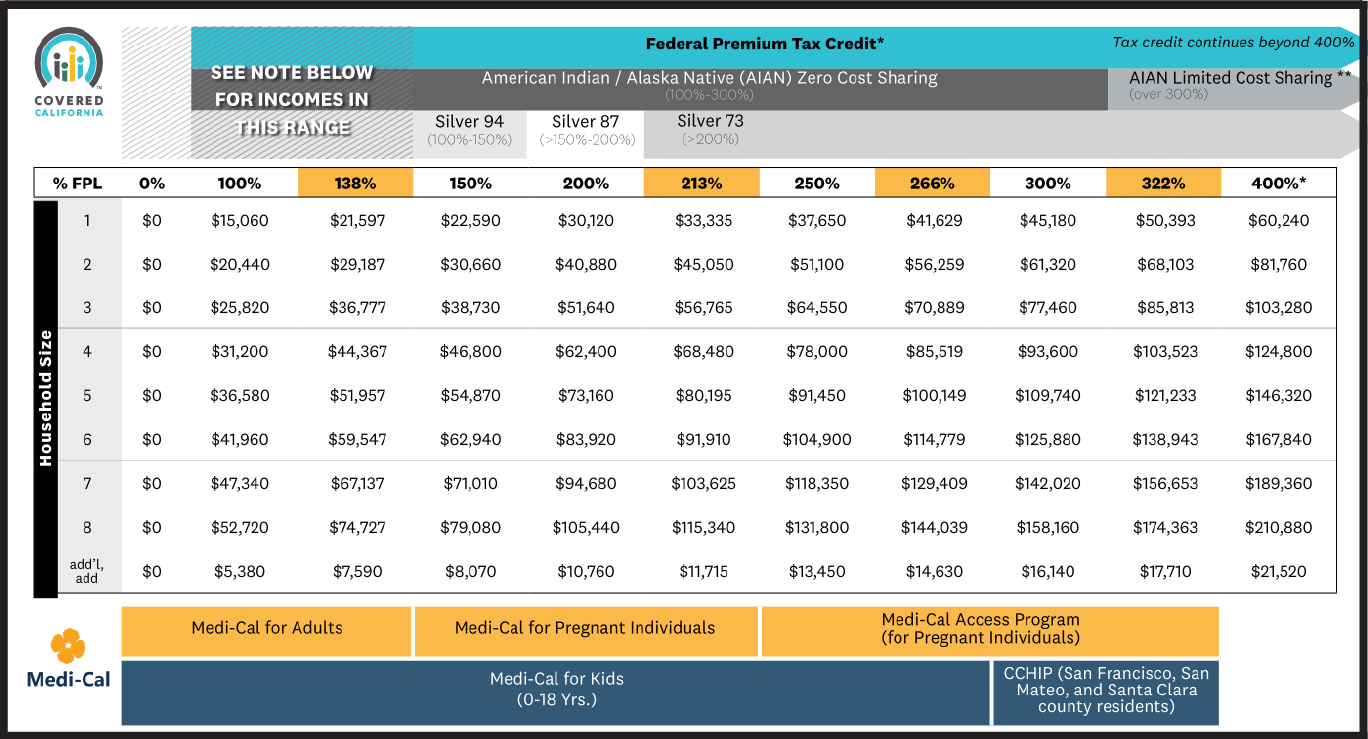
Income is the most significant factor in determining eligibility. For most households, both gross monthly income (income before any deductions) and net monthly income (income after allowable deductions) are considered. The general rule is that a household’s gross income must be at or below 200% of the Federal Poverty Level (FPL) for their household size. However, some households, particularly those with elderly or disabled members, may only need to meet the net income limit. Deductions that can lower a household’s net income include a standard deduction, earned income deduction, child care costs, medical expenses for elderly/disabled members, and shelter costs.
Income Limits by Household Size
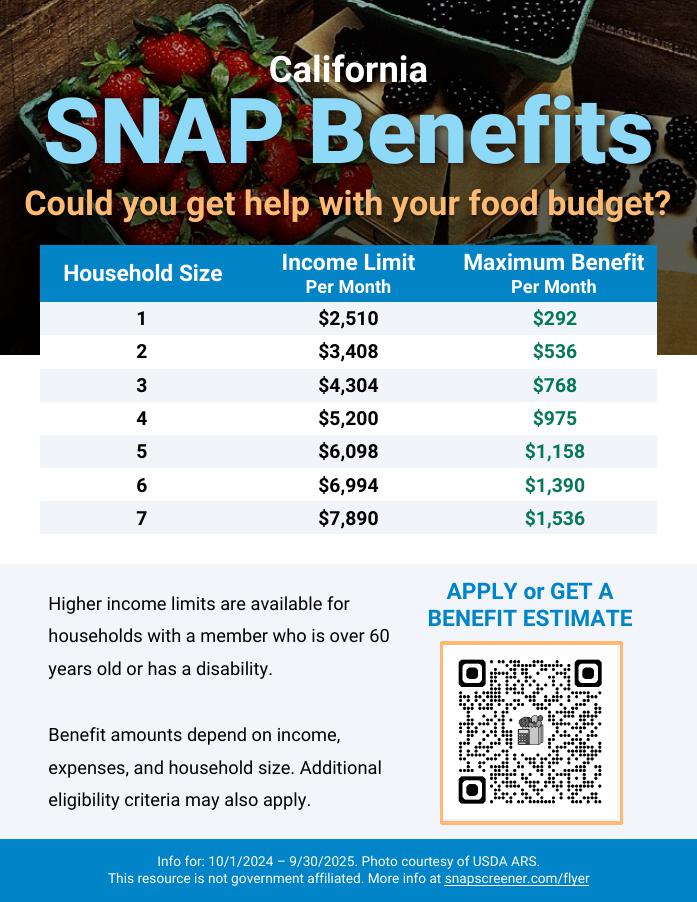
The specific income limits are updated annually and vary based on the number of individuals in a household. For instance, a single-person household will have a different income threshold than a family of four. It’s important to consult the most current guidelines provided by the CDSS or your local County Welfare Department, as these figures are subject to change. As a general example, for a household of one, the gross monthly income limit might be around $2,430, while for a household of four, it could be approximately $5,000, though these figures are illustrative and must be verified against current guidelines. These limits are designed to capture a broad spectrum of low-income residents who could benefit from food assistance.
Asset Limits
For most households applying for CalFresh, there are no asset limits. This means that assets like savings accounts, vehicles, or other property generally do not prevent eligibility. However, there is an exception for households with an elderly (age 60 or older) or disabled member. In these cases, the asset limit is currently $4,250. This limit applies to readily available resources such as cash, money in bank accounts, and certain investments. The value of a home where the household lives and most vehicles are typically exempt assets. This relaxed asset policy ensures that individuals who have managed to save modestly for their future are not penalized when seeking essential food assistance.
Citizenship and Residency Status
To qualify for CalFresh benefits, applicants must generally be U.S. citizens or legal permanent residents. However, this criterion includes various categories of non-citizens who may be eligible.
Non-Citizen Eligibility Considerations
Eligible non-citizens typically include those who have been granted refugee or asylum status, victims of human trafficking and domestic violence, Cuban/Haitian entrants, and certain lawful permanent residents (“green card” holders) who have resided in the U.S. for at least five years or meet other specific criteria (such as being disabled or a child under 18). It’s crucial for non-citizens to understand their specific immigration status and how it aligns with CalFresh guidelines. The application process will require documentation from U.S. Citizenship and Immigration Services (USCIS) to verify status. Importantly, applying for or receiving CalFresh benefits for an eligible non-citizen will not negatively impact their immigration status under current public charge rules, particularly for those who apply for green cards or visas.
The Application Process: Step-by-Step Guide
Applying for CalFresh involves a series of steps designed to verify eligibility and ensure that benefits are allocated correctly. The process is streamlined to be as accessible as possible, with multiple avenues for submission.
Where to Apply
Prospective applicants have several convenient options for submitting their application:
- Online: The fastest and most recommended method is to apply online through the GetCalFresh.org portal. This platform is user-friendly and allows applicants to submit documents electronically.
- In-person: You can visit your local County Welfare Department office to apply in person. This option is beneficial if you need immediate assistance or have questions that require direct interaction with a caseworker.
- Mail or Fax: Applications can also be downloaded from the CDSS website, filled out, and then mailed or faxed to your local county office. While this option is available, it may result in a slower processing time compared to online applications.
Regardless of the method chosen, the application form requires detailed information about your household composition, income, expenses, and assets (if applicable). Providing accurate and complete information is essential to prevent delays.
Gathering Required Documentation
Once your application is submitted, you will be required to provide supporting documentation to verify the information provided. Having these documents ready can significantly expedite the process.
Essential Documents Checklist
Typical documents requested include:
- Proof of Identity: A valid form of identification, such as a driver’s license, state ID card, or passport.
- Proof of Residency: A utility bill, rental agreement, or mail showing your current address in California.
- Proof of Income: Pay stubs, tax returns, employer statements, or other documents verifying all sources of income for every household member. This includes earned income, unemployment benefits, Social Security, child support, and any other regular payments.
- Proof of Expenses: Documents related to deductible expenses, such as utility bills (electricity, gas, water, trash), rent or mortgage statements, medical bills (for elderly/disabled members), and child care receipts.
- Proof of Citizenship/Immigration Status: Birth certificates, U.S. passports, or USCIS documents for non-citizens.
- Proof of Household Members: Birth certificates for children, school enrollment records, or other documents demonstrating who lives in your household.
It is advisable to organize these documents before or during the application process to ensure a smooth verification stage.
The Interview and Verification Process
After submitting your application, a caseworker from your County Welfare Department will contact you for an interview. This interview can typically be conducted over the phone, but in-person interviews are also an option. During the interview, the caseworker will review your application, ask clarifying questions, and discuss the documents you need to provide. This is an opportunity for you to ask any questions you may have about the program or your specific eligibility.
Following the interview, the county will process your application and verify the provided documentation. This verification process typically takes up to 30 days from the date of application submission. In urgent situations, known as “expedited service,” some households may qualify for benefits within three days if they meet specific criteria, such as having very low liquid assets and gross monthly income below a certain threshold.
Decision and Receiving Your EBT Card
Once your application is approved, you will receive a notice of action detailing the benefit amount and how it was calculated. Your EBT card will then be mailed to your address. The card is loaded monthly, and you will receive instructions on how to activate it and how to use it at authorized retailers. It’s crucial to keep your EBT card secure and your Personal Identification Number (PIN) confidential, just like a regular debit card.
Beyond the Basics: Special Considerations and Continued Eligibility
While general income and asset rules apply, several specific circumstances can influence CalFresh eligibility. Additionally, maintaining benefits requires ongoing communication with your County Welfare Department.
Student Eligibility Rules
Students enrolled at least half-time in an institution of higher education generally face stricter eligibility rules unless they meet specific exemptions. These exemptions include being under 18 or over 50, receiving CalFresh benefits with a child under age 6, participating in a state or federally financed work-study program, working an average of 20 hours per week, or receiving certain federal or state aid programs. Understanding these nuances is critical for students seeking assistance.
Disabled and Elderly Applicants
Individuals who are elderly (age 60 or older) or have a disability often receive more favorable consideration in the CalFresh program. For these households, medical expenses exceeding a certain amount can be deducted from their income, potentially increasing their benefit amount. As mentioned, they also have a slightly higher asset limit. These provisions acknowledge the unique financial burdens often faced by these vulnerable populations.
Work Requirements and Exemptions
Most non-exempt adults between the ages of 16 and 59 are subject to work requirements. This generally means registering for work, accepting suitable employment, and not voluntarily quitting a job or reducing work hours without good cause. There are, however, many exemptions, including caring for a child under age six or an incapacitated person, being a student (under certain conditions), or being medically unfit for employment. Additionally, the CalFresh program also includes specific rules for Able-Bodied Adults Without Dependents (ABAWDs), who may have time limits on receiving benefits if they do not meet work requirements.
Reporting Changes and Recertification
Eligibility for CalFresh is not permanent. Recipients are required to report certain changes in their household circumstances within 10 days of the change. These changes might include a new job, a change in income, a change in household members, or moving to a new address. Failing to report changes accurately and timely can lead to overpayments that must be repaid or a reduction/termination of benefits.
Periodically, typically every 6 to 12 months, your household will need to go through a recertification process. This involves reapplying for benefits and providing updated documentation to confirm continued eligibility. The county will send a notice when it’s time to recertify. Completing the recertification process promptly is essential to avoid any interruption in your EBT benefits. Understanding and adhering to these requirements ensures continuous access to the vital food assistance that CalFresh provides.
LifeOutOfTheBox is a participant in the Amazon Services LLC Associates Program, an affiliate advertising program designed to provide a means for sites to earn advertising fees by advertising and linking to Amazon.com. Amazon, the Amazon logo, AmazonSupply, and the AmazonSupply logo are trademarks of Amazon.com, Inc. or its affiliates. As an Amazon Associate we earn affiliate commissions from qualifying purchases.