
For individuals embracing a nomadic spirit, a budget-conscious adventure, or a unique automotive lifestyle in the Golden State, acquiring a vehicle through a lien sale can represent an exciting pathway to freedom. This distinctive method of vehicle acquisition often appeals to those who prioritize resourcefulness and value the thrill of the open road without a hefty upfront investment. Navigating the process of registering such a vehicle with the California Department of Motor Vehicles (DMV) is a crucial step in transforming a potential project into a reliable companion for your California explorations. This guide delves into the specifics, ensuring your journey from lien sale acquisition to fully registered vehicle is as smooth as a scenic drive along Highway 1.

Embracing the Open Road: The Lifestyle Appeal of Lien Sale Vehicles
The allure of a lien sale vehicle often stems from its potential to offer significant cost savings, making it an attractive option for those seeking a self-sufficient or mobile lifestyle. Whether you dream of converting a van into a minimalist living space for continuous travel, securing an affordable workhorse for your entrepreneurial ventures, or simply finding a reliable mode of transport to explore California’s diverse landscapes from Redwood National Park to the deserts of Palm Springs, a lien sale can be your entry point. This approach aligns perfectly with a lifestyle that values practicality, independence, and the joy of uncovering hidden gems.
The Allure of California Journeys on a Budget
California offers an unparalleled backdrop for various lifestyles, from the bustling urban energy of Los Angeles to the serene wilderness of Yosemite National Park. For the budget traveler, the digital nomad, or the adventurer at heart, a low-cost vehicle is often the cornerstone of their mobile existence. A lien sale vehicle, despite its origins, can provide the very foundation for these experiences. Imagine the freedom of driving a self-acquired, unique vehicle along the Pacific Coast Highway, camping under the stars, and experiencing the Golden State on your own terms, free from the constraints of car payments or rental fees. This resourcefulness is not merely about saving money; it’s a statement about living deliberately and maximizing one’s potential for exploration and personal growth. It is an investment in experiences rather than excessive material possessions, embodying a true lifestyle choice.
Finding Your Adventure Steed: Where to Look
Identifying a suitable lien sale vehicle is the first practical step in this lifestyle journey. Lien sales occur when a vehicle owner fails to pay for services (like repairs, towing, or storage) and the service provider then sells the vehicle to recover costs. These sales are typically advertised in local newspapers, online classifieds, or specialized auction sites. Prospective buyers from a lifestyle perspective should look for vehicles that, even with some wear, possess fundamental structural integrity and a clear path to registration. This process requires a keen eye and a commitment to due diligence, ensuring that the vehicle you choose genuinely serves your adventurous spirit and practical needs. It’s about finding potential, not just a bargain, envisioning how a specific vehicle could become an extension of your mobile lifestyle.
Navigating the Essentials: Pre-Registration Steps for Your Lifestyle Vehicle
Before you can officially claim your lien sale vehicle as your own and hit the roads of California, a series of crucial pre-registration steps must be meticulously followed. These administrative requirements are not merely bureaucratic hurdles but essential safeguards that ensure the legitimate transfer of ownership and prepare your vehicle for its new life on the open road. Understanding and executing these steps correctly is paramount for a smooth transition and to avoid future complications, allowing you to focus on the joys of your new lifestyle.
Due Diligence for the Discerning Traveler
As a resourceful individual pursuing a distinct lifestyle, your approach to acquiring a lien sale vehicle should be thorough. Once you’ve identified a potential vehicle, conducting comprehensive due diligence is critical. This includes examining the vehicle’s condition, ideally with a mechanic, to assess any immediate repair needs that might impact your budget or travel plans. More importantly, verify the legitimacy of the lien sale itself. Ensure the lien claimant has properly followed all legal procedures for conducting the sale according to California law. This usually involves inspecting the public notice of sale, understanding the type of lien (e.g., garageman’s lien, storage lien), and confirming that the sale was conducted fairly and transparently. A careful review prevents future legal entanglements and ensures that your new lifestyle vehicle starts on a solid foundation.
Securing Ownership Documents: The Foundation of Freedom
The most critical document you will receive after a successful lien sale is the Bill of Sale (BOS) from the lien claimant. This document legally transfers ownership of the vehicle to you. Crucially, it must explicitly state that the sale was conducted under a valid lien and include all pertinent details about the vehicle (VIN, make, model, year) and the parties involved. In addition to the BOS, you will typically need a copy of the lien paperwork (proof that the lien was validly established and the sale procedure followed), which the lien holder should provide. This documentation is your key to proving ownership to the California Department of Motor Vehicles. Without these foundational papers, the DMV cannot process your registration, effectively stalling your lifestyle aspirations. Make multiple copies and keep the originals secure, as these are your proof of purchase and the gateway to legal ownership.
The California DMV Process: Your Path to a Registered Adventure
With your documentation in hand and your due diligence complete, the next significant phase is navigating the California Department of Motor Vehicles (DMV) registration process. While it might seem daunting, understanding the specific requirements for lien sale vehicles will streamline your efforts, moving you closer to experiencing your chosen lifestyle on California’s scenic routes. This segment outlines the forms, inspections, and fees necessary to legally register your vehicle.
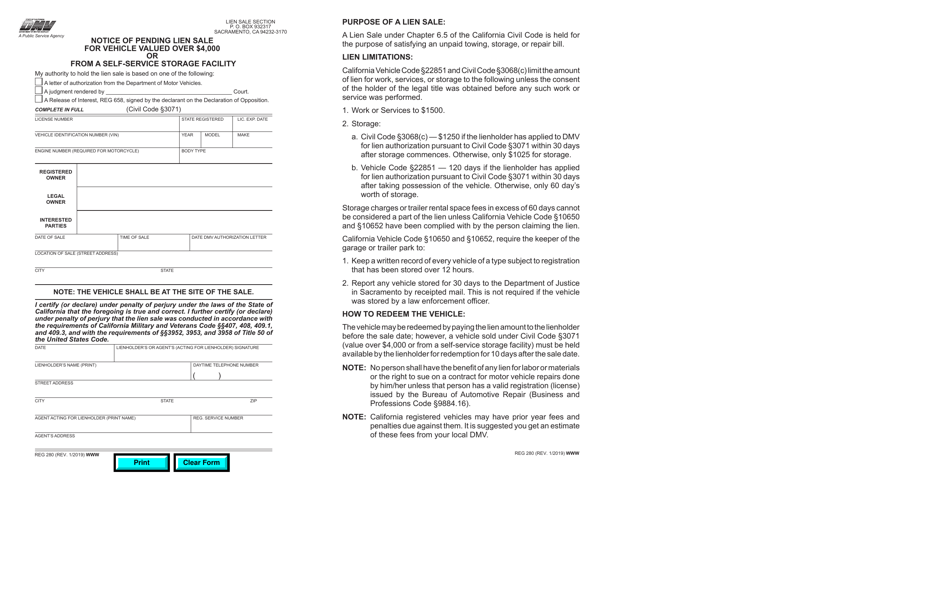
California Department of Motor Vehicles Requirements for Lien Sale Vehicles
Registering a lien sale vehicle with the California Department of Motor Vehicles involves a few specific forms and procedures beyond standard vehicle transfers. You will need to submit:
- Application for Title or Registration (REG 343): This is the primary form for all vehicle registrations.
- Statement of Facts (REG 256): Used to clarify any specific circumstances, such as how the vehicle was acquired through a lien sale, and to provide details about the previous owner or title.
- Verification of Vehicle (REG 31): For out-of-state vehicles or certain lien sale vehicles, the DMV may require a physical inspection to verify the VIN. This is crucial for preventing fraud and ensuring the vehicle’s identity matches its documentation.
- Original Bill of Sale and Lien Sale Documents: As discussed, these are indispensable for proving legitimate ownership.
- Smog Certification: Most vehicles require a valid smog certificate. Ensure your vehicle passes California’s stringent emissions tests. This is a non-negotiable step for a vehicle to be road-legal in the state.
- Proof of Insurance: California law mandates that all registered vehicles have liability insurance. You will need to provide proof of coverage.
It’s highly advisable to make an appointment at your local California Department of Motor Vehicles office and explicitly mention that you are registering a lien sale vehicle. This allows the DMV staff to be prepared and guide you through any unique aspects of your case, helping you save valuable time and ensuring all requirements are met for your mobile lifestyle.
Essential Forms and Fees for a Smooth Transition
Beyond the foundational documents, specific fees apply when registering a vehicle in California. These include registration fees, California Highway Patrol (CHP) fees, and potentially sales tax based on the purchase price. For lien sale vehicles, a few additional considerations might arise:
- Potential for Back Fees: If the vehicle has outstanding registration fees from previous owners, you may be liable for a portion or all of them. The California Department of Motor Vehicles will determine this based on their records. In some cases, if the lien sale was executed correctly, previous fees might be waived, but it’s essential to confirm this.
- Transfer Fees: Standard vehicle transfer fees apply.
- Penalty Fees: If there’s a delay in submitting your paperwork post-sale, late penalties could accrue. Act promptly to avoid these additional costs.
It is always prudent to call the California Department of Motor Vehicles or visit their website for the most current fee schedule and to understand any specific regulations pertaining to vehicles acquired via lien sale. Having all necessary forms completed and understanding the potential costs beforehand will prevent surprises and ensure your lien sale vehicle is swiftly transformed into a registered asset for your California adventures.
Beyond Registration: Sustaining Your California Automotive Lifestyle
Once your lien sale vehicle is successfully registered and proudly displaying its California license plates, the journey truly begins. However, registration is just one facet of maintaining a sustainable and enjoyable automotive lifestyle. Ensuring your vehicle remains roadworthy, legally compliant, and environmentally responsible is key to long-term satisfaction and uninterrupted adventures across the state. This involves ongoing practical considerations that are integral to living life on your own terms.
Insurance and Ongoing Maintenance: Practicalities for the Long Haul
For those who view their vehicle as an essential tool for their chosen lifestyle—whether it’s van life, budget travel, or simply reliable daily transport—insurance is not just a legal requirement but a fundamental safeguard. Securing adequate liability insurance, and potentially comprehensive or collision coverage depending on your budget and risk tolerance, protects your investment and ensures peace of mind. Compare quotes from various providers, clearly explaining the vehicle’s origin and condition, to find coverage that suits your needs.
Beyond insurance, a proactive approach to vehicle maintenance is crucial. Lien sale vehicles often come with a history that may require attention. Regular oil changes, tire rotations, brake inspections, and fluid checks are not merely routine tasks; they are acts of self-reliance that keep your adventure steed in top condition. Learning basic maintenance skills can empower you, save money, and prevent breakdowns in remote California locations, aligning perfectly with a self-sufficient lifestyle. Consider joining online communities focused on similar vehicles or lifestyles for shared knowledge and troubleshooting tips.
Exploring California Responsibly: Legal and Environmental Considerations
With your registered and well-maintained lien sale vehicle, the entirety of California awaits. From the bustling streets of San Francisco to the serene landscapes of the Sierra Nevada, your mobile lifestyle offers unparalleled access. However, this freedom comes with a responsibility to both the law and the environment. Adhere to all traffic laws, parking regulations, and local ordinances, especially in areas with specific rules for oversized vehicles or overnight parking. Being a considerate and law-abiding traveler ensures that the privileges of your lifestyle remain accessible to you and others.
Furthermore, California is a leader in environmental protection. Maintaining your vehicle’s smog certification and ensuring it runs efficiently minimizes your ecological footprint. Dispose of waste properly, respect natural habitats, and practice “Leave No Trace” principles, particularly if your lifestyle involves extensive camping or off-grid living. Your lien sale vehicle, a symbol of resourcefulness and freedom, can also be a testament to responsible living, enabling you to explore and enjoy California’s magnificent offerings for years to come.
LifeOutOfTheBox is a participant in the Amazon Services LLC Associates Program, an affiliate advertising program designed to provide a means for sites to earn advertising fees by advertising and linking to Amazon.com. Amazon, the Amazon logo, AmazonSupply, and the AmazonSupply logo are trademarks of Amazon.com, Inc. or its affiliates. As an Amazon Associate we earn affiliate commissions from qualifying purchases.