
Understanding Civic Engagement in Your California Experience
Embarking on a journey through California, whether as a new resident settling into its vibrant communities or a long-term visitor immersing in its diverse culture, often entails more than just exploring iconic landmarks or savoring local cuisine. For many, integrating into the fabric of a place means understanding its civic processes, which includes the fundamental act of voter registration. While perhaps not a traditional “tourist attraction,” grasping the mechanisms of local governance and citizen participation offers a profound insight into the very heartbeat of California’s unique character. This practical guide serves as an essential tip for anyone seeking to deepen their connection to the Golden State, empowering them with the knowledge to confirm their voter registration status and, by extension, engage more fully with the local culture and democratic spirit that thrives from San Diego to Redding. Understanding these local systems is a crucial element of truly experiencing a destination, moving beyond superficial observations to appreciate the underlying structures that shape daily life and community identity. For those considering making California their long-term home, or simply wishing to comprehend its societal workings more thoroughly, verifying voter registration is a tangible step toward civic literacy and active participation. It’s a testament to the idea that true appreciation for a place extends beyond its scenic beauty to its living, breathing democratic processes. This insight into civic infrastructure can be as enlightening as any museum visit, offering a window into the values and operational dynamics of one of the world’s most influential economies and diverse populations.
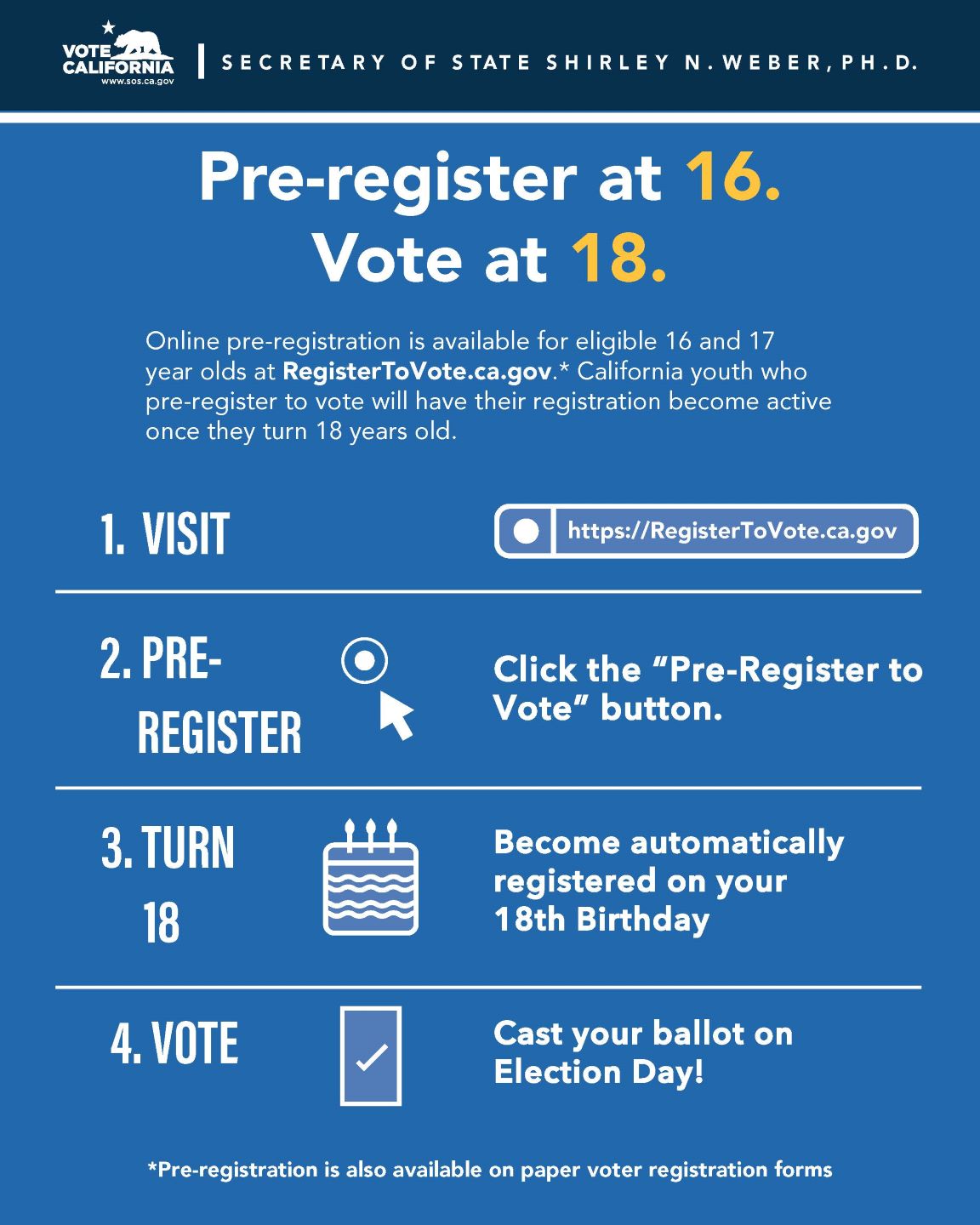
The Official Pathway: Checking Your Registration Status
Verifying your voter registration status in California is a straightforward process, primarily facilitated through the state’s official electoral bodies. This essential “tip” allows individuals to quickly confirm their eligibility and ensure their information is up-to-date, a critical step for anyone looking to participate in the local democratic landscape.
The California Secretary of State Portal
The most reliable and convenient method to check your voter registration is through the official website of the California Secretary of State. This online portal is designed for ease of use and provides immediate feedback on your status. To access your information, you will typically need to provide a combination of personal details to verify your identity. This usually includes:
- Your California Driver’s License or ID number, OR the last four digits of your Social Security Number. This helps the system accurately locate your record.
- Your Date of Birth.
- Your Residential Address. Ensuring this matches the address on file is crucial for proper precinct assignment.
Once you input these details, the system will confirm whether you are registered, your political party preference (if declared), and the location of your polling place for upcoming elections. This service is invaluable for peace of mind and is accessible 24/7, making it a convenient option for busy individuals. It’s also an excellent resource for new residents who have recently registered and wish to confirm their registration has been processed correctly. The portal provides an immediate and definitive answer, removing any doubt about your ability to cast a ballot.
County Election Officials
While the California Secretary of State online portal is highly efficient, there might be instances where directly contacting your local county election officials could be beneficial. This approach is particularly useful if you encounter any issues with the online system, have complex questions about your registration, or prefer a more personalized interaction.
Every one of California’s 58 counties has an official elections office responsible for managing voter registration, ballots, and polling places within its jurisdiction. A quick search for “[Your County Name] Registrar of Voters” or “[Your County Name] Elections Office” will provide you with their contact information and website. These offices can:
- Confirm your registration status.
- Help troubleshoot any discrepancies found in your online record.
- Provide information on local elections, including specific deadlines and polling locations.
- Assist with special circumstances, such as registering with a confidential address.
Reaching out to county officials can offer a deeper level of support and clarification, ensuring that every individual has the opportunity to participate effectively in the democratic process. It underscores the local nature of electoral administration, even within a statewide system, reflecting California’s commitment to accessible and transparent governance. This dual approach – leveraging both state-level digital tools and localized human support – ensures that all registered voters can confidently exercise their civic duties.
What to Do If You’re Not Registered or Need to Update
Discovering you’re not registered to vote or that your information is outdated is not a roadblock but an opportunity to engage more fully with California’s dynamic civic life. The state offers clear, accessible pathways to ensure every eligible citizen can participate.
Registering to Vote
If your status check reveals you are not yet registered, or if you’re a new resident eager to participate, the process to register in California is straightforward. To be eligible, you must meet a few key criteria:
- U.S. Citizenship: You must be a citizen of the United States.
- California Residency: You must be a resident of California.
- Age Requirement: You must be at least 18 years old by the date of the election.
- Criminal Record Status: You must not currently be in state or federal prison for the conviction of a felony.
- Mental Competency: You must not currently be found by a court to be mentally incompetent to vote.
The easiest way to register is online through the California Secretary of State’s website. The online application is simple to navigate and typically takes only a few minutes to complete. You will need your California Driver’s License or ID number, or the last four digits of your Social Security Number.
It’s crucial to be aware of registration deadlines. In California, the standard deadline to register to vote for any election is 15 days before Election Day. However, California also offers Conditional Voter Registration, often referred to as same-day registration, which allows individuals to register and cast a provisional ballot at their county elections office or designated polling places up to and including Election Day. This ensures that even those who miss the standard deadline still have an opportunity to make their voices heard. This flexibility highlights California’s commitment to broad voter access.
Updating Your Information
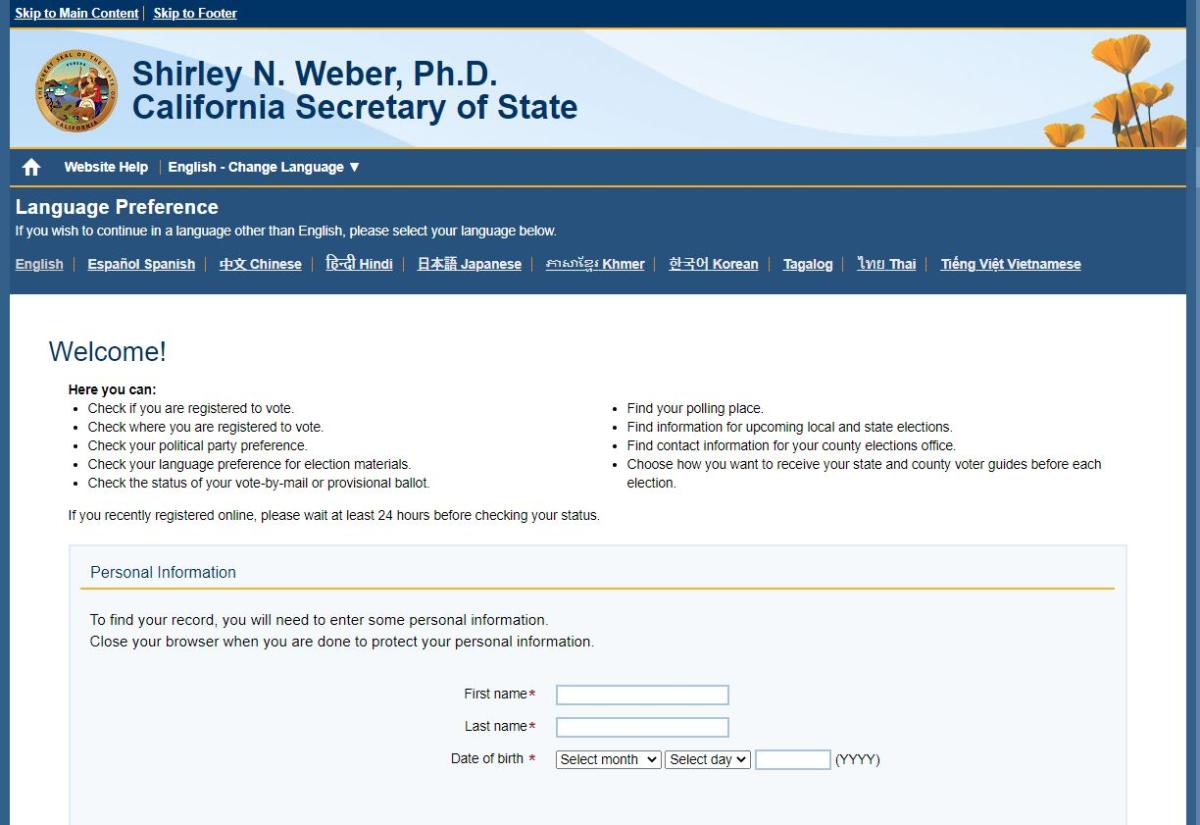
Maintaining accurate voter registration information is just as important as being registered in the first place. Life changes, such as moving to a new apartment in Los Angeles, getting married and changing your name, or simply deciding to change your political party preference, all require updates to your voter record.
Updating your information ensures that you receive your ballot and election materials correctly and that you are assigned to the proper polling place. You can update your registration information online through the same California Secretary of State portal used for new registrations. Simply select the option to update your existing registration. It is vital to update your address whenever you move, even if it’s within the same county, as your precinct and local representatives may change. Failing to update your address could lead to delays or complications when trying to vote. Similarly, if you wish to change your political party affiliation, this must be done through an updated registration. This could be particularly relevant in California’s primary elections, where party affiliation can determine which candidates you are eligible to vote for. Keeping your voter record current is a simple yet powerful act of civic responsibility, ensuring that your participation is always effective and aligned with your current circumstances.
Beyond Registration: Engaging with California’s Democratic Process
While confirming your voter registration is a foundational step, truly engaging with California’s democratic process extends far beyond a simple checkmark. It encompasses understanding the issues, the candidates, and how local and state governance directly impacts the vibrant lifestyle and culture of the Golden State. For those seeking a deeper dive into “local culture,” this active participation or at least informed observation is invaluable.
Understanding Local Elections and Initiatives
California’s political landscape is incredibly dynamic, with local elections often having the most immediate and tangible impact on daily life. From the bustling streets of San Francisco to the serene vineyards of Napa Valley, decisions made by city councils, county supervisors, school boards, and special districts shape everything from public safety and education to zoning laws and environmental protection. Understanding these local races means understanding the nuances of the community you inhabit or observe.
Furthermore, California is renowned for its proposition system, where citizens can directly vote on statewide laws and constitutional amendments. These initiatives cover a vast array of topics, from tax policies and infrastructure projects to social issues and environmental regulations. Engaging with these propositions offers a unique insight into the collective will and challenges facing the state. For visitors or new residents, comprehending the context and potential outcomes of these measures deepens their understanding of California’s innovative and often pioneering approach to governance. It’s a key aspect of the “local culture” that distinguishes the state.
Resources for Informed Participation
Making informed decisions requires access to reliable and unbiased information. Fortunately, California boasts a wealth of resources dedicated to helping voters navigate the complexities of elections.
- Official Voter Information Guide: Distributed by the California Secretary of State before every statewide election, this guide provides impartial analyses of propositions, candidate statements, and information on how and where to vote. It’s an indispensable tool for understanding the ballot.
- Non-Partisan Websites: Organizations like the League of Women Voters of California offer platforms such as Voter’s Edge, which provides personalized ballots with detailed information on candidates, ballot measures, funding sources, and endorsements. Similarly, BallotReady offers comprehensive, non-partisan information on every candidate and measure.
- Local News and Community Forums: Engaging with local news outlets and participating in community forums can provide grassroots perspectives and highlight specific concerns that might not be covered in broader statewide guides. This is particularly crucial for understanding the nuances of local elections in cities like San Jose or Sacramento.
By utilizing these resources, individuals can move beyond simply casting a vote to becoming well-informed participants in California’s vibrant democratic discourse. This active intellectual engagement enriches one’s overall experience of the state, transforming it from a mere destination into a place deeply understood and appreciated for its civic vitality.
Key Dates and Deadlines for California Voters
Understanding the electoral calendar is a critical component of successful civic engagement in California. Missing a deadline can inadvertently prevent participation, so staying informed about key dates is as important as verifying your registration. For anyone making California a long-term home or simply observing its dynamic governance, these dates provide a practical framework for the democratic process.
The 15-Day Registration Deadline
The standard deadline to register to vote in California is 15 days before Election Day. This applies to both primary and general elections, as well as any special elections that may occur. If you submit a new registration or an update to an existing one by this deadline, your information will be processed in time, and you will receive your official ballot and voter information guide by mail. This period allows the county elections officials sufficient time to process all applications, assign voters to the correct precincts, and prepare for the election. It’s a crucial window for ensuring your participation. To avoid any last-minute rush or potential issues, it is always advisable to register or update your information well in advance of this deadline. Planning ahead ensures a smooth and stress-free voting experience.
Conditional Voter Registration (Same-Day Registration)
California is progressive in its approach to voter access, offering Conditional Voter Registration (CVR). This provision allows individuals who miss the 15-day registration deadline to still register and vote provisionally. You can utilize CVR at any county elections office, vote center, or designated polling location in your county from the 14th day before an election up to and including Election Day itself.
Here’s how CVR works:
- You go to a designated location (county elections office or vote center).
- You complete a voter registration form.
- You cast a provisional ballot.
- Once your registration is processed and verified by the county elections office, your provisional ballot will be counted.
This “safety net” ensures that circumstances such as last-minute moves or simply forgetting the standard deadline do not disenfranchise eligible citizens. It underscores California’s commitment to maximizing voter participation and reflects a modern approach to democratic access. Understanding CVR is an important tip for anyone who might find themselves needing to register close to an election date, offering flexibility within the electoral timeline.

General Election Calendar Overview
While specific dates vary year to year, California typically holds a statewide Primary Election in the spring (often March) and a General Election in the fall (always the first Tuesday after the first Monday in November). Additionally, local jurisdictions may hold Special Elections for specific offices or ballot measures throughout the year.
Staying informed about upcoming elections can be done by regularly checking the California Secretary of State’s website or your local county elections office website. These resources provide updated calendars, candidate lists, and information on ballot measures. For new residents or those interested in deeply understanding the “Local Culture” of California, actively tracking these dates and the issues at stake provides an unparalleled perspective on the state’s civic heartbeat and the ongoing evolution of its communities.
LifeOutOfTheBox is a participant in the Amazon Services LLC Associates Program, an affiliate advertising program designed to provide a means for sites to earn advertising fees by advertising and linking to Amazon.com. Amazon, the Amazon logo, AmazonSupply, and the AmazonSupply logo are trademarks of Amazon.com, Inc. or its affiliates. As an Amazon Associate we earn affiliate commissions from qualifying purchases.