
Starting a residential care home in California represents a profound commitment to providing long-term accommodation and compassionate support for individuals who require assistance with daily living activities. Unlike transient hotel stays or short-term rentals, these facilities offer a permanent or extended living solution, blending personal care with a homely environment. The journey to establishing such an accommodation is multifaceted, demanding a clear understanding of its unique position within the broader housing and care sector, rigorous adherence to state regulations, thoughtful facility design, and meticulous operational planning to ensure resident well-being and business sustainability.

Understanding the Niche of Residential Care Accommodation
Residential care homes, often referred to as assisted living facilities or adult residential care facilities, are distinct forms of accommodation designed to serve seniors or other adults who need supervised care and personal assistance. They bridge the gap between independent living and skilled nursing facilities, offering a supportive environment without the intensive medical oversight of a hospital setting. The primary focus is on providing a comfortable, safe, and engaging living space where residents can receive personalized care tailored to their needs.
Defining Residential Care Facilities
At its core, a residential care facility in California is a non-medical facility that provides 24-hour care and supervision, personal care, and assistance with activities of daily living (ADLs) such as bathing, dressing, grooming, eating, and mobility. These accommodations typically offer private or semi-private rooms, communal dining areas, and various shared spaces for activities and socialization. The atmosphere aims to be homelike, fostering a sense of community and belonging among residents, which is paramount for long-term stays. The physical structure and operational model are tailored to ensure resident safety, accessibility, and a high quality of life within a residential setting, differing significantly from standard hotels or apartment complexes primarily built for independent individuals.
The California Landscape for Senior Living
California’s senior population is growing rapidly, driving a significant demand for quality residential care accommodations. This demographic shift underscores the critical need for well-managed, compliant, and compassionate care homes. Families seeking long-term accommodation for their loved ones often prioritize location, safety, the range of services offered, the qualifications of the staff, and the overall ambiance of the facility. Understanding these priorities is crucial for positioning a new care home effectively in the market. The success of an accommodation in this sector is not just about having available rooms, but about cultivating a reputation for excellent care and a nurturing living environment that families can trust for their long-term housing needs.
Navigating Licensure and Regulatory Compliance
Establishing a residential care home in California is heavily regulated to protect vulnerable adults. The state’s strict licensing requirements ensure that facilities meet specific standards for safety, health, and resident care. Prospective operators must meticulously navigate these regulations, as compliance is non-negotiable for opening and maintaining operations.
Department of Social Services Requirements
The primary regulatory body for residential care homes in California is the California Department of Social Services (CDSS), Community Care Licensing Division (CCLD). Operators must apply for a license that specifies the facility’s capacity, the type of care provided, and the specific population it serves. The application process is extensive, requiring detailed information about the applicant’s qualifications, financial solvency, and a comprehensive plan for facility operation. This includes background checks for all staff and administrators, proof of necessary training, and documentation demonstrating the ability to meet the ongoing needs of residents. Compliance with these initial steps is paramount, as it forms the foundation for legal operation as a long-term accommodation provider.
Facility Standards and Safety Protocols
Beyond administrative requirements, the physical accommodation itself must adhere to stringent building codes, health and safety regulations, and zoning ordinances. This includes fire safety clearances, accessibility standards (such as those outlined by the Americans with Disabilities Act, ADA), sanitation requirements, and emergency preparedness plans. The layout of the home, its structural integrity, and the provision of safety features like smoke detectors, sprinkler systems, and secured exits are all scrutinized during the licensing process. For a residential care home, the facility itself is a critical component of the care offering; it must not only be comfortable and welcoming but also engineered for the safety and specific needs of its residents, differentiating it significantly from general housing options.
Designing and Equipping Your Care Home
The physical environment of a residential care home plays a pivotal role in the well-being and comfort of its residents. Thoughtful design and appropriate equipping transform a house into a therapeutic and supportive long-term accommodation.
Creating a Nurturing Environment
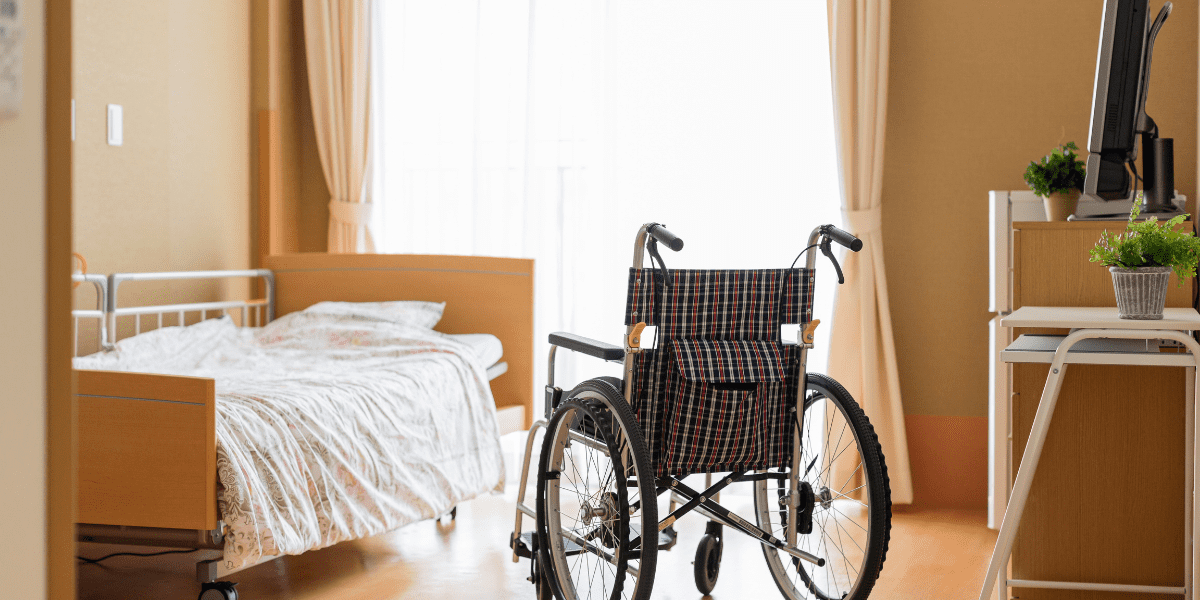
The interior and exterior design of a residential care home should prioritize creating a warm, inviting, and secure atmosphere. This means selecting appropriate furniture, lighting, and décor that evoke a sense of home rather than an institutional setting. Common areas should be designed to encourage social interaction and engagement, while private rooms offer personal space and dignity. Considerations for individuals with cognitive impairments, such as clear signage, contrasting colors, and safe wandering paths, are also crucial. The goal is to provide an accommodation where residents feel respected, comfortable, and independent to the greatest extent possible. Attention to details like garden spaces, comfortable seating arrangements, and areas for quiet reflection contribute significantly to the overall quality of the living experience.
Essential Amenities and Accessibility
Accessibility is paramount in a residential care home. This includes wheelchair ramps, grab bars in bathrooms, wide doorways, and non-slip flooring. Modern care homes often incorporate smart home technologies for enhanced safety and convenience, such as fall detection systems, remote monitoring capabilities (with appropriate privacy safeguards), and easily operable environmental controls. Essential amenities also encompass a fully equipped kitchen capable of preparing nutritious meals tailored to dietary needs, laundry facilities, and spaces for planned activities. The provision of these amenities elevates the accommodation from a mere dwelling to a comprehensive living solution designed for long-term comfort and care. Ensuring all residents can navigate their living space safely and independently is a core aspect of providing quality long-term accommodation.
Operational Excellence for Long-Term Stays
Successful operation of a residential care home hinges on effective management, dedicated staffing, and a comprehensive program of support and engagement. This involves more than just providing a place to sleep; it’s about curating a complete living experience.
Staffing for Comprehensive Support
The quality of care in a residential home is directly linked to its staff. Hiring compassionate, qualified, and well-trained caregivers is critical. Staffing models must ensure adequate coverage 24/7, providing assistance with ADLs, medication management, and supervision. Beyond direct care, staff also contribute to the social and emotional well-being of residents by facilitating activities, engaging in conversation, and creating a supportive community. Ongoing training and professional development are essential to maintain high standards of care and adapt to residents’ evolving needs, ensuring that the accommodation remains a place of continuous support and skilled assistance.
Daily Living Programs and Resident Engagement
A robust program of daily activities is integral to the residential care experience. These programs should cater to diverse interests and abilities, promoting physical activity, cognitive stimulation, and social interaction. Examples include arts and crafts, music therapy, exercise classes, games, and community outings. Regular resident engagement is vital for preventing isolation and fostering a vibrant living environment, making the accommodation not just a place to live, but a place to thrive. Furthermore, transparent communication channels with residents and their families regarding care plans, facility updates, and any changes in the residential offering are essential for building trust and ensuring satisfaction with the long-term stay.
Financial Planning and Sustainability for Your Accommodation
Establishing and operating a residential care home requires substantial financial investment and robust planning to ensure long-term viability. Understanding the costs, revenue streams, and funding options is fundamental to sustain this specialized form of accommodation.
Funding Models and Operational Costs
Initial capital expenditures typically include property acquisition or leasing, renovation, licensing fees, and initial staffing costs. Ongoing operational costs encompass salaries, utilities, food, supplies, insurance, maintenance, and administrative expenses. Revenue is primarily generated through monthly fees paid by residents or their families, which can vary based on the level of care required and the type of accommodation provided (private vs. semi-private rooms). Exploring various funding models, including private pay, long-term care insurance, and potentially government programs for eligible residents, is crucial for financial stability. Developing a comprehensive business plan that outlines these financial aspects is a critical step in demonstrating the sustainability of the residential care accommodation.

Marketing Your Residential Care Offering
Effective marketing is essential to attract residents and maintain optimal occupancy rates. This involves clearly communicating the unique benefits of the care home, its services, and the quality of the living environment. Strategies may include establishing a strong online presence, local community outreach, partnerships with healthcare providers, and testimonials from satisfied residents and their families. Highlighting the homely atmosphere, personalized care, and engaging activity programs can differentiate a facility in a competitive market. Ultimately, marketing a residential care home is about conveying trust, expertise, and a genuine commitment to providing an exceptional long-term accommodation experience for those in need.
LifeOutOfTheBox is a participant in the Amazon Services LLC Associates Program, an affiliate advertising program designed to provide a means for sites to earn advertising fees by advertising and linking to Amazon.com. Amazon, the Amazon logo, AmazonSupply, and the AmazonSupply logo are trademarks of Amazon.com, Inc. or its affiliates. As an Amazon Associate we earn affiliate commissions from qualifying purchases.