
For travelers planning a visit to the Golden State, a fundamental question often arises regarding time: “Is California on Pacific Time?” The straightforward answer is yes. California consistently observes Pacific Time throughout the year, adapting between Pacific Standard Time (PST) and Pacific Daylight Time (PDT) in adherence to Daylight Saving Time regulations. Understanding this single time zone across a state as vast and diverse as California is crucial for seamless travel planning, ensuring appointments are met, flights are caught, and experiences are enjoyed without the unnecessary stress of time zone confusion.
Understanding Time Zones: A Traveler’s Primer
Time zones are a standardized system that helps organize daily life across the globe, compensating for the Earth’s rotation and ensuring that noon generally occurs when the sun is at its highest point in the sky. Without them, every city would have its own unique time, making interstate and international travel, communication, and commerce practically impossible. The system divides the world into 24 main time zones, each roughly 15 degrees of longitude apart, often expressed as an offset from Coordinated Universal Time (UTC).

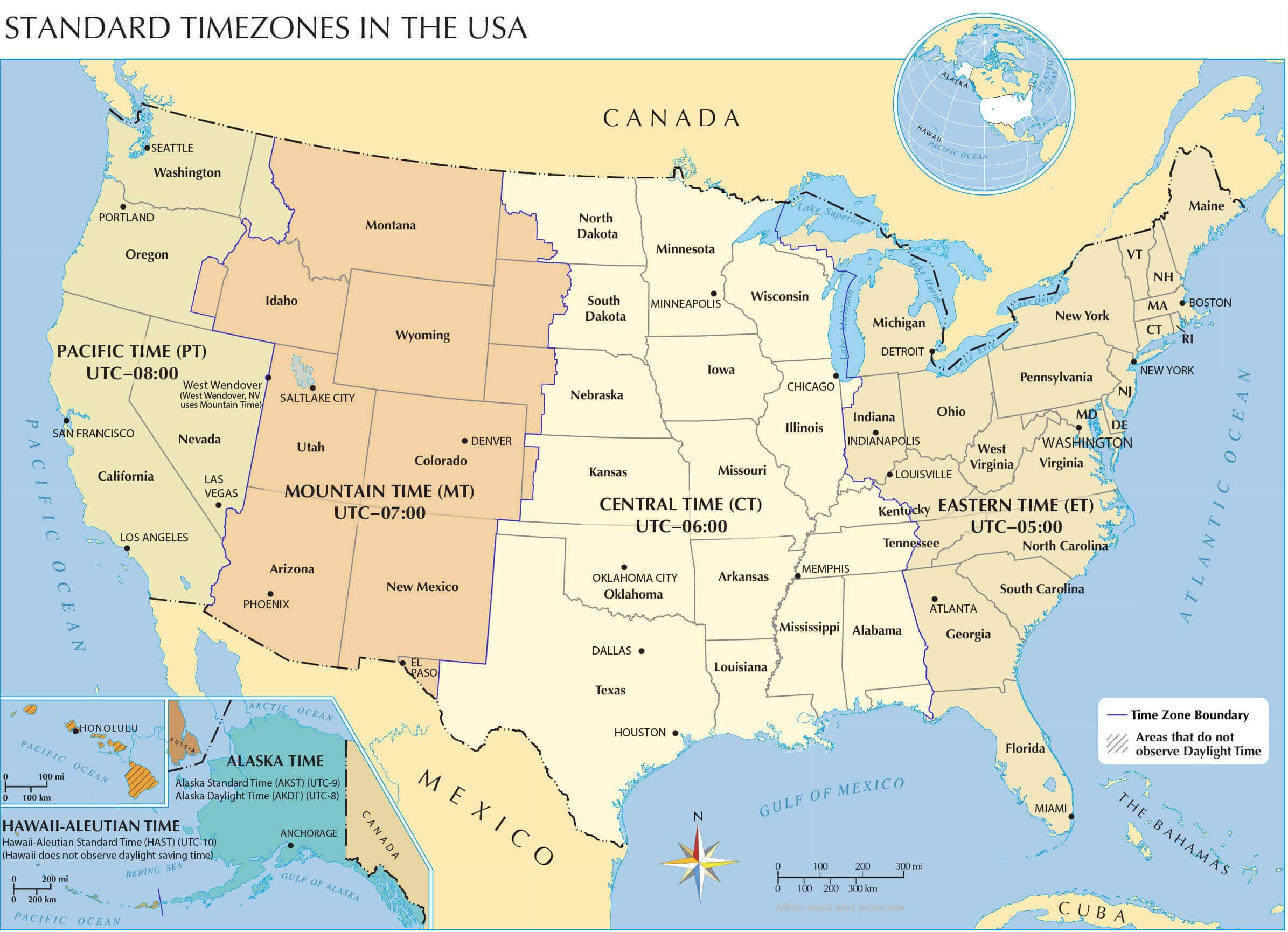
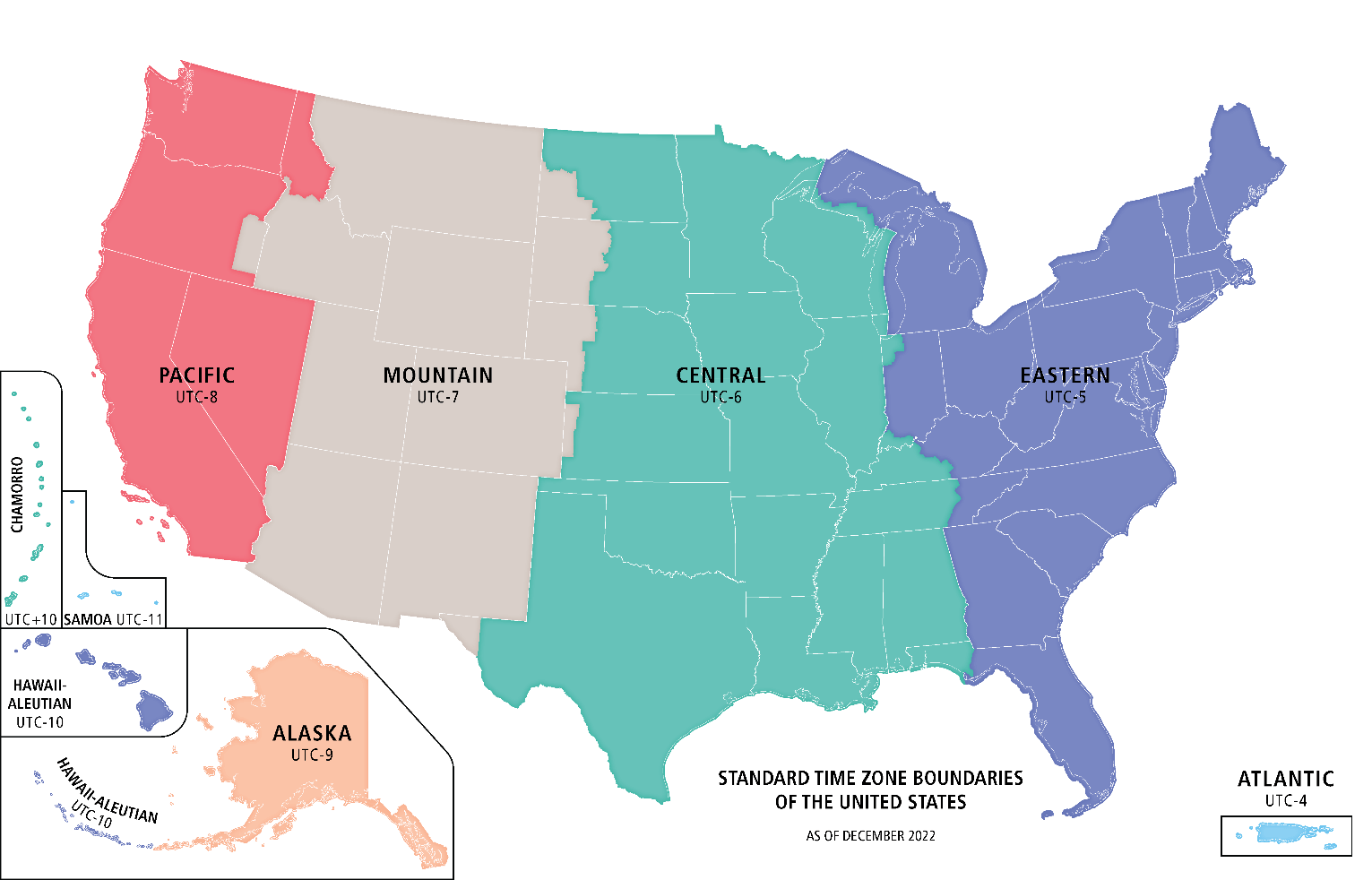
North America, for instance, spans several major time zones, including Pacific Time, Mountain Time, Central Time, and Eastern Time. For travelers, grasping which time zone a destination observes is more than just an academic exercise; it’s a practical necessity. It impacts everything from booking flights and making hotel reservations to scheduling tours, confirming restaurant bookings, and coordinating with local contacts. Incorrectly assuming a time zone can lead to missed connections, forfeited reservations, and a less enjoyable travel experience. Therefore, verifying the local time zone of any travel destination, including California, should be an essential part of every pre-trip checklist.
Pacific Time: What Does It Mean for Your California Trip?
Pacific Time is the standard time zone for the westernmost states of the contiguous United States and parts of Canada and Mexico. When Daylight Saving Time is not in effect, this region observes Pacific Standard Time (PST), which is 8 hours behind Coordinated Universal Time (UTC-8). During the spring and summer months, the clocks are advanced by one hour for Daylight Saving Time, shifting to Pacific Daylight Time (PDT), which is 7 hours behind Coordinated Universal Time (UTC-7). This transition is a key consideration for anyone traveling to or within California during these periods.
Key Cities and Their Time Zone
Every city, town, and rural area within California operates under Pacific Time. From the bustling metropolis of Los Angeles in the south to the iconic hills of San Francisco and the state capital Sacramento in the north, and extending to the tech hub of San Jose and the coastal charm of San Diego, the time remains consistent. This internal uniformity simplifies travel within the state considerably, removing the need to constantly adjust watches or mentally calculate time differences as you move from one region to another.
Bordering states provide important context for California’s time zone. To the east, Nevada also largely observes Pacific Time, while Arizona primarily uses Mountain Standard Time year-round (most of Arizona does not observe Daylight Saving Time). To the north, both Oregon and Washington are also on Pacific Time. This means travelers entering California from neighboring Nevada, Oregon, or Washington will experience no time change, while those arriving from Arizona during Daylight Saving Time will need to adjust.
Daylight Saving Time in California
California, like most of the United States, observes Daylight Saving Time. This means that on the second Sunday in March, clocks “spring forward” one hour, switching from PST to PDT. On the first Sunday in November, clocks “fall back” one hour, returning to PST. This annual adjustment can affect travel plans, particularly if arrival or departure dates coincide with these changes. Travelers should be mindful of these dates, as they can impact schedules, especially for international flights or meticulously planned itineraries. While there have been discussions and even proposals in California to potentially abolish or permanently adopt Daylight Saving Time, as of now, the state continues to observe the biannual shift. Staying informed about these changes is a simple yet effective way to avoid potential travel hiccups.
Navigating Time Across California’s Diverse Landscapes
The geographic expanse of California is immense, encompassing everything from sun-drenched coastlines and sprawling deserts to towering mountain ranges and fertile valleys. Despite this incredible diversity, the state’s adherence to a single time zone is a significant convenience for travelers. Unlike some other large states that may straddle multiple time zones, California’s consistent Pacific Time simplifies logistics and planning, allowing visitors to focus on the myriad experiences the state has to offer.
From Coastal Beaches to Mountain Peaks
Imagine beginning your day on the sandy shores of Malibu, then driving inland to explore the otherworldly landscapes of Joshua Tree National Park, and perhaps continuing north to witness the majestic granite formations of Yosemite National Park. Throughout this journey, regardless of the dramatic changes in elevation or scenery, your watch would remain on Pacific Time. This continuity is invaluable for road trips and multi-destination itineraries.
Whether you’re visiting theme parks like Disneyland Resort, marveling at architectural icons such as the Golden Gate Bridge, or indulging in wine tasting in Napa Valley, the clocks everywhere will show the same time. This means less mental calculation and more time to immerse yourself in the local culture and attractions without worrying about subtle time shifts between regions within the state.
Planning Your Itinerary Around PST/PDT
For travelers, the consistent observation of Pacific Time simplifies the scheduling of internal travel. When booking a morning whale-watching tour in Monterey and an afternoon museum visit in San Francisco, the time displayed for both activities is based on the same standard. This eliminates potential confusion for activities like:
- Attraction Entry Times: All parks, museums, and tourist sites will operate on Pacific Time.
- Restaurant Reservations: Dining experiences across the state will honor reservations based on the local Pacific Time.
- Tour Departures: Whether it’s a bus tour through Hollywood or a guided hike in Big Sur, departure times will be consistent.
- Transportation Schedules: Inter-city buses, trains, and domestic flights within California will all adhere to Pacific Time, simplifying transfers.
The most critical period for planning is around the Daylight Saving Time changes in March and November. Always double-check event times and transportation schedules if your travel dates fall on or near these specific Sundays, as one hour can make a significant difference.
Practical Tips for Time Zone Transitions
For those traveling to California from another time zone, particularly from further east or internationally, managing the time transition effectively can significantly enhance the travel experience and minimize the effects of jet lag.
- Adjust Gradually Before Travel: If possible, start shifting your sleep schedule by an hour or two each day in the days leading up to your trip. This pre-adjustment can ease the shock to your internal clock upon arrival.
- Update All Devices: Upon landing in California, immediately set all your watches and portable devices to Pacific Time. Most smartphones will do this automatically if their time settings are set to “automatic” or “network-provided time zone.”
- Hydrate and Stay Active: Dehydration can exacerbate jet lag. Drink plenty of water throughout your flight and upon arrival. Light physical activity, like a walk after checking into your accommodation, can also help your body adjust.
- Embrace Natural Light: Sunlight is a powerful cue for regulating your circadian rhythm. Try to expose yourself to natural light during California’s daytime hours and minimize bright light exposure when it’s supposed to be night.
- Strategic Sleep: Resist the urge to take long naps during the day if you arrive in the morning. Try to stay awake until the local bedtime to help recalibrate your sleep cycle more quickly.
- Confirm Appointments: If you have pre-booked tours, transfers, or business meetings, it’s always wise to reconfirm the exact time with the local provider, especially if you’re arriving from a vastly different time zone or during a Daylight Saving Time transition period. This extra step ensures clarity and peace of mind.
By understanding that all of California operates on Pacific Time, and being mindful of the Daylight Saving Time shifts, travelers can ensure a smoother, more enjoyable, and stress-free journey through this magnificent state. The consistency of a single time zone across its diverse regions is one less logistical detail to worry about, allowing visitors to fully immerse themselves in the rich experiences California has to offer.
LifeOutOfTheBox is a participant in the Amazon Services LLC Associates Program, an affiliate advertising program designed to provide a means for sites to earn advertising fees by advertising and linking to Amazon.com. Amazon, the Amazon logo, AmazonSupply, and the AmazonSupply logo are trademarks of Amazon.com, Inc. or its affiliates. As an Amazon Associate we earn affiliate commissions from qualifying purchases.