
Adopting the California Lifestyle: Navigating the Golden State’s Legal Foundation
Embracing the vibrant and diverse California lifestyle, whether as a resident, an entrepreneur, or a visitor with long-term aspirations, entails understanding the unique legal landscape that underpins daily life. The question of whether common law is “legal” in California is more nuanced than a simple yes or no; it delves into the foundational principles that shape everything from personal relationships to business ventures within the Golden State. For anyone considering making California their home or a significant part of their life, grasping this legal duality—the interplay between common law principles and extensive statutory codes—is paramount to a seamless and informed experience.
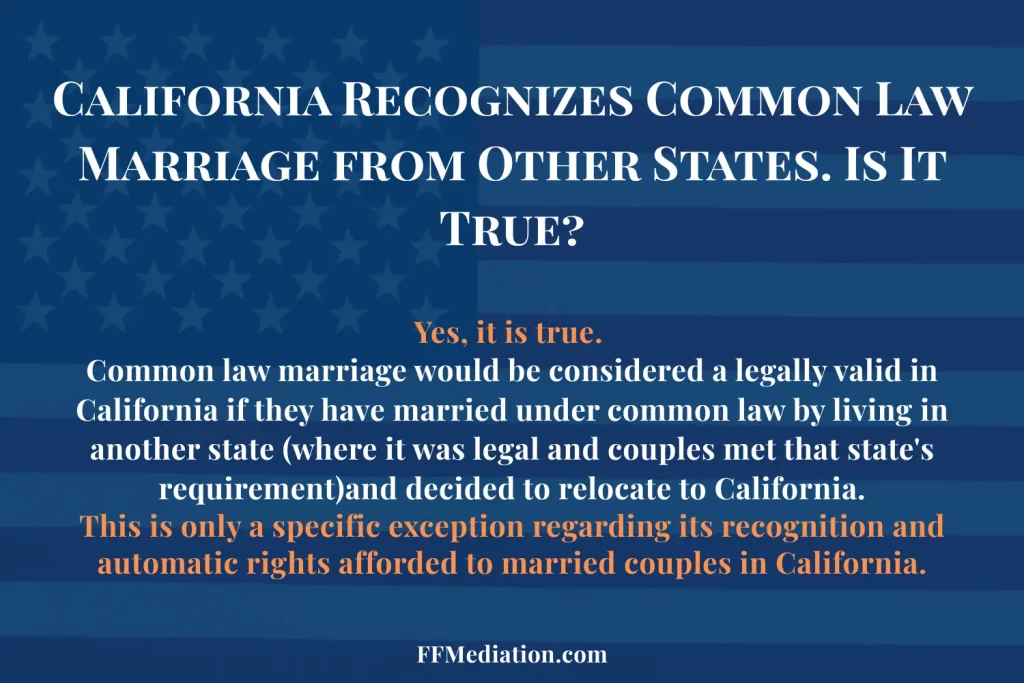
At its core, common law refers to a body of unwritten laws based on legal precedents established by courts. It’s a system where judicial decisions in past cases serve as guides for future decisions. While the United States as a whole largely operates under a common law system inherited from England, individual states, including California, have evolved their own intricate legal frameworks. California’s approach to law is a fascinating blend, recognizing common law principles as foundational while simultaneously codifying vast areas of law into statutes. This dual system necessitates a deeper look for anyone wishing to navigate the state’s legal environment effectively.
The Historical Roots of California Law: A Legacy for Modern Living
To truly appreciate California’s legal standing, one must journey back through its rich history. The state’s unique past has imprinted a distinctive character on its legal system, influencing how common law is understood and applied today, directly impacting the lifestyle choices available to its residents.
From English Precedent to American Adaptation
When California became part of the United States, it largely adopted the Anglo-American legal tradition. This meant that principles of English Common Law, as they existed at the time of the American Revolution and subsequently interpreted by American courts, became the default legal system. This foundational common law governs areas such as contract formation, torts (civil wrongs), and certain aspects of property rights. The doctrine of stare decisis, which mandates that courts adhere to precedent in their rulings, is a cornerstone of this system and remains highly influential in California jurisprudence. For individuals settling in California, understanding that judicial decisions can set binding precedents affects how disputes are resolved, how agreements are structured, and how personal liabilities are assessed, all crucial aspects of one’s legal lifestyle.
The Influence of Spanish and Mexican Jurisprudence
Unlike many other United States states, California also carries a significant legacy from its time under Spanish and Mexican rule. Prior to its annexation by the United States following the Treaty of Guadalupe Hidalgo in 1848, California operated under a civil law system, primarily derived from Spanish law. This influence is most profoundly seen in California’s adoption of the community property system for marital assets, a stark contrast to the common law separate property system prevalent in most other United States jurisdictions. This specific legal feature significantly impacts the financial and personal lifestyle planning of married couples, affecting how assets are owned, managed, and divided upon divorce or death. The blend of these historical influences creates a rich and sometimes complex legal environment that is distinctly Californian.
Common Law in Practice: Shaping the California Resident’s Lifestyle
So, is common law “legal” in California? The unequivocal answer is yes, but within a carefully defined scope. It serves as an essential backdrop against which California’s extensive statutory codes operate, deeply influencing the day-to-day legalities that shape a resident’s lifestyle.
The Role of Judicial Precedent
In California, courts routinely look to prior judicial decisions—case law—to interpret statutes, fill in gaps where statutes are silent, and clarify legal principles. This adherence to precedent is a hallmark of the common law system. For instance, while contracts are heavily regulated by statutory law (e.g., the California Civil Code and Commercial Code), the foundational concepts of offer, acceptance, consideration, and remedies for breach are deeply rooted in common law. The way a court decides whether a contract was formed or breached, and what damages are appropriate, often involves an analysis of prior judicial rulings, directly affecting business agreements, employment contracts, and consumer transactions—all integral parts of the California lifestyle.

Understanding Key Common Law Areas in California
Several crucial areas of law in California continue to draw heavily on common law principles, even if they are now partially codified.
- Torts: Actions involving personal injury, negligence, defamation, and trespass are heavily influenced by common law. While the legislature has passed statutes modifying certain tort doctrines (e.g., comparative negligence), the basic elements and principles are derived from judicial precedent. This directly impacts how individuals seek remedies for harm and how they must conduct themselves to avoid liability, affecting personal safety, property ownership, and general conduct within the community.
- Property Law: Beyond community property, aspects of real property law, such as easements, adverse possession, and landlord-tenant relations (though extensively codified), still rely on common law for their underlying logic and interpretation. Understanding these nuances is crucial for homeowners, renters, and anyone investing in real estate—a significant lifestyle and financial decision in California.
- Criminal Law (Procedural Aspects): While substantive criminal offenses are defined by statute, many procedural aspects, such as rules of evidence (though California has an Evidence Code), are deeply influenced by common law principles regarding due process and fairness.
Beyond Common Law: California’s Statutory Framework and Unique Lifestyle Considerations
While common law forms the backbone, California’s legal system is primarily a statutory one. This means that legislative enactments, codified into comprehensive bodies of law, take precedence. For anyone living or doing business in California, understanding this hierarchy and the specific statutory provisions is often more critical than common law principles alone.
The Primacy of Statutory Law
In modern California, if a statute addresses a particular legal issue, that statute will generally control. The state has an extensive array of codes, including the Civil Code, Commercial Code, Family Code, and many others, which meticulously detail legal rights and obligations. Common law principles are applied when a statute is ambiguous, silent, or where the legislature intended to incorporate common law concepts. This means that while common law provides interpretive guidance, the explicit language of California statutes dictates the specifics of most legal interactions, from consumer protection to environmental regulations. For those seeking to integrate into the California lifestyle, compliance with these numerous statutory requirements is a daily reality.
Community Property: A Distinct Californian Lifestyle Feature
As mentioned, one of California’s most distinctive legal features, heavily influencing the lifestyle of married individuals, is its community property system. This system, inherited from its Spanish and Mexican heritage, dictates that assets acquired by either spouse during marriage (with some exceptions) are considered jointly owned, regardless of whose name is on the title. This contrasts sharply with common law states where property is generally owned by the spouse who acquired it. The community property system has profound implications for estate planning, divorce proceedings, and financial management for couples in California, Nevada, Arizona, Texas, New Mexico, Louisiana, Idaho, Washington, Wisconsin, and Alaska, which also employ this system. This feature alone warrants careful consideration for anyone contemplating marriage or relocation to California.
Regulatory Landscape for Businesses and Daily Life
California’s progressive and often extensive regulatory environment also significantly shapes the lifestyle for businesses and individuals. From environmental laws to labor regulations, consumer protection, and housing policies, these statutory and administrative rules are comprehensive. While common law principles might inform the interpretation of these regulations, the specific mandates come from legislative action. This means that for entrepreneurs, understanding California’s regulatory framework is critical for business success, and for residents, it defines aspects of consumer rights, landlord-tenant relationships, and even public health.

Navigating the Legal Landscape for a Seamless California Experience
In conclusion, common law is indeed legal and forms a fundamental layer of the legal system in California. It acts as a historical and interpretive bedrock, particularly influencing areas like contracts, torts, and certain aspects of property law through judicial precedent. However, the modern California legal landscape is predominantly statutory, with an extensive body of codified laws that govern nearly every aspect of life.
For anyone seeking to fully immerse themselves in the California lifestyle, whether through residency, business endeavors, or simply understanding the fabric of society, appreciating this unique legal blend is crucial. It means recognizing the enduring influence of judicial decisions while always prioritizing the explicit mandates of statutory law and the distinctive features like the community property system. A nuanced understanding of California’s legal system contributes significantly to navigating its complexities with confidence, ensuring a more informed and seamless California experience.
LifeOutOfTheBox is a participant in the Amazon Services LLC Associates Program, an affiliate advertising program designed to provide a means for sites to earn advertising fees by advertising and linking to Amazon.com. Amazon, the Amazon logo, AmazonSupply, and the AmazonSupply logo are trademarks of Amazon.com, Inc. or its affiliates. As an Amazon Associate we earn affiliate commissions from qualifying purchases.