
Understanding the Risk for Your California Accommodation
For anyone considering a long-term stay or property ownership in California, the question of earthquake insurance isn’t just a financial detail; it’s a fundamental consideration for the safety and security of your accommodation. California is renowned for its vibrant culture, stunning landscapes, and innovative spirit, but it also sits atop a complex network of seismic faults. This geological reality means that the threat of an earthquake is not an abstract concept but a tangible risk that every resident or property owner must acknowledge. Deciding whether earthquake insurance is a worthwhile investment for your California dwelling requires a clear understanding of this inherent risk and what standard coverage actually entails.
The Seismic Reality of the Golden State
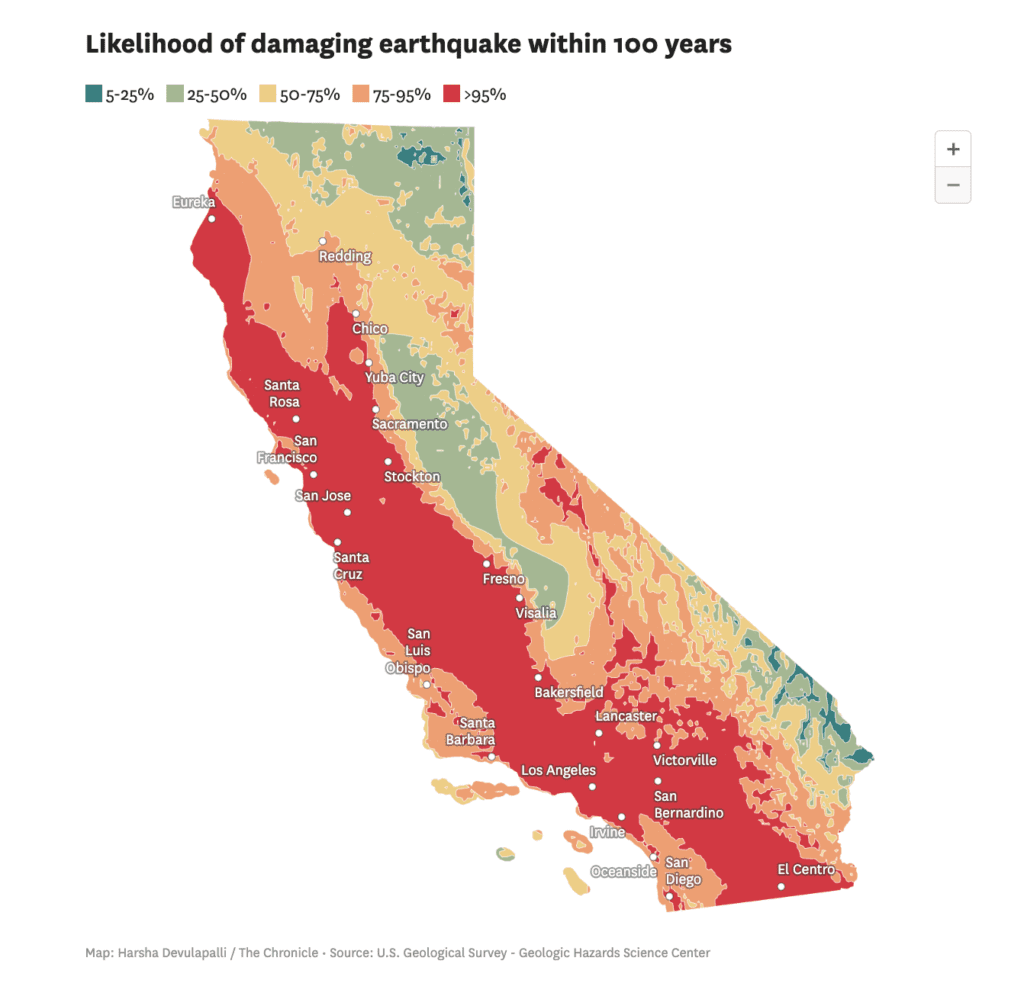
California’s position along the Pacific Ring of Fire makes it one of the most seismically active regions in the world. Major fault lines, such as the infamous San Andreas Fault, run through or near densely populated areas, including Los Angeles, San Francisco, and other key cities. Scientists and geologists consistently warn of the high probability of a significant earthquake, often referred to as “The Big One,” occurring within the next few decades. While the exact timing and magnitude remain unpredictable, the potential for widespread damage to infrastructure and residential structures is a constant concern.
This isn’t merely a theoretical risk; California has a history of devastating seismic events, from the 1906 San Francisco earthquake to the 1994 Northridge earthquake in Los Angeles. Such events underscore the vulnerability of even well-constructed homes and buildings. For those who choose California for their long-term accommodation, whether a primary residence, vacation home, or rental property, understanding this geological landscape is the first step in assessing their exposure to risk. The proximity of your dwelling to known fault lines, the soil composition beneath your property, and the age and construction type of your home all play significant roles in its susceptibility to earthquake damage.
What Standard Policies Don’t Cover
A common misconception among California homeowners and renters is that their standard homeowner’s or renter’s insurance policy provides coverage for earthquake damage. In almost all cases, this is not true. Standard policies explicitly exclude damage caused by earth movement, which includes earthquakes, landslides, mudslides (unless caused by another covered peril like heavy rain), and sinkholes. This critical exclusion often catches property owners by surprise after a seismic event, leaving them financially devastated with no means to repair or rebuild their damaged accommodation.
This lack of coverage means that without a separate earthquake insurance policy, homeowners are solely responsible for the potentially astronomical costs of structural repairs, foundation damage, rebuilding, or even complete reconstruction of their home. For renters, it means no coverage for their personal belongings, which could be destroyed or lost in an earthquake. Therefore, an earthquake policy is not a redundancy but a distinct and essential layer of protection specifically designed to fill this critical gap in coverage for California residents and property investors.
Evaluating the Cost-Benefit for Long-Term Stays
The decision to purchase earthquake insurance for your California accommodation ultimately boils down to a personal risk assessment and financial calculation. While the potential for catastrophic loss is real, the cost of earthquake insurance can be substantial, leading many to weigh the premiums against the perceived probability of an event. However, focusing solely on the annual premium often overlooks the true, long-term financial implications of an uninsured loss, especially for those committed to a long-term stay in the state.
Premiums, Deductibles, and Coverage Limits
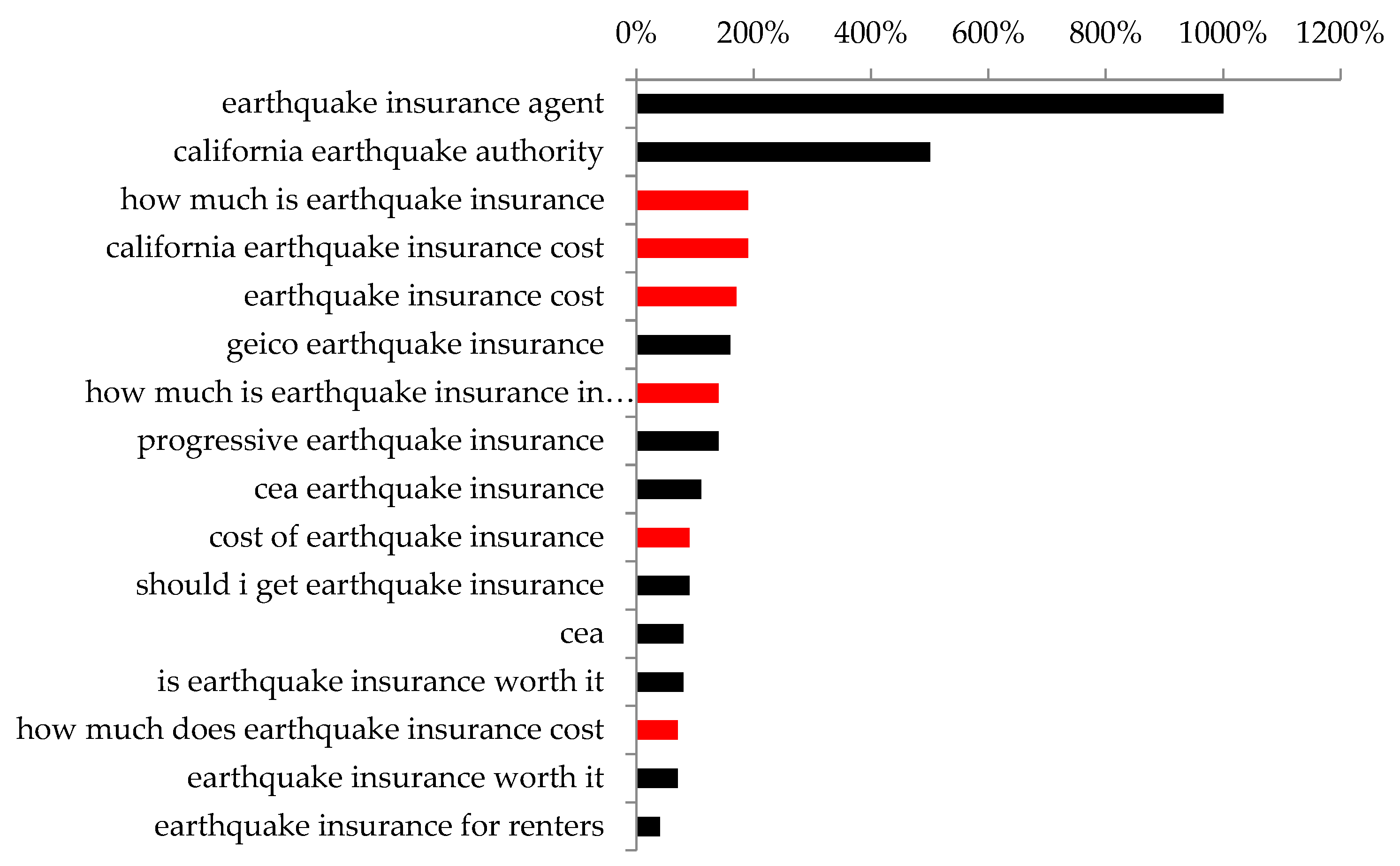
Earthquake insurance premiums in California vary widely based on several factors, including the property’s location (proximity to fault lines), age and construction type of the dwelling, the cost to rebuild, and the chosen deductible. Older homes, especially those not retrofitted to withstand seismic activity, often face higher premiums. Similarly, properties located in areas with high seismic hazard maps will see elevated costs.
Deductibles for earthquake insurance are typically much higher than those for standard homeowner’s policies, often ranging from 10% to 25% of the dwelling coverage limit. This means that if your home is insured for $500,000 and your deductible is 15%, you would be responsible for the first $75,000 in damages before your insurance coverage kicks in. This high deductible can be a significant out-of-pocket expense that homeowners must be prepared for, even with coverage. Coverage limits also need careful consideration; ensuring your policy covers the full cost of rebuilding your accommodation, not just its market value, is crucial. This includes costs for debris removal, updated building codes, and temporary living expenses if your home becomes uninhabitable.
The True Cost of Rebuilding Your Dwelling
Without earthquake insurance, the financial burden of rebuilding or repairing your California accommodation after a major seismic event can be staggering. Most homeowners do not have hundreds of thousands of dollars readily available to cover such expenses. This often leads to severe financial distress, including liquidating savings, taking on significant debt, or even losing their property entirely if they cannot afford the necessary repairs.
Beyond the immediate structural costs, there are numerous indirect expenses. If your home is uninhabitable, you will need to find alternative accommodation, which can be costly, especially for extended periods. Damage to personal belongings, landscaping, and outbuildings also adds to the overall financial impact. For those who own vacation rentals in California, uninsured earthquake damage could lead to a complete loss of rental income for an indefinite period, coupled with the expense of rebuilding an asset that generates revenue. When viewed through this lens, the annual premium for earthquake insurance may seem a small price to pay for the peace of mind and financial security it offers, safeguarding your investment in your California dwelling.
Tailoring Coverage to Your Accommodation Type
The “worth” of earthquake insurance in California is not a one-size-fits-all assessment; it depends heavily on your specific accommodation type and personal circumstances. Whether you are a homeowner, a landlord with a vacation rental, or a renter, your exposure and needs for coverage will differ. Understanding these distinctions is key to making an informed decision about protecting your living situation.
Homeowners and Vacation Rental Owners
For homeowners and those who own vacation rental properties in California, earthquake insurance primarily protects the physical structure of the dwelling. This includes the foundation, walls, roof, and other integral components of the building. Policies typically offer coverage for the dwelling itself, personal property (contents), and additional living expenses if the home becomes uninhabitable.
Homeowners should consider the replacement cost of their home and factor in the potential for significant deductibles. If your home is older, exploring seismic retrofitting options (such as bolting the house to its foundation) can not only enhance safety but also potentially reduce insurance premiums. For vacation rental owners, the calculation also includes the loss of rental income. A damaged property means no revenue, and without insurance, this dual blow can be financially crippling. Securing a policy that covers both the structure and potential income loss is vital for these investors.
Renters’ Considerations
Renters often mistakenly believe they don’t need earthquake insurance because they don’t own the building. However, a landlord’s insurance policy will only cover the building structure, not a renter’s personal belongings. If an earthquake strikes and damages your rented California accommodation, destroying your furniture, electronics, clothing, and other valuables, without renter’s earthquake insurance, you would bear the full cost of replacing them.
Renter’s earthquake insurance is typically more affordable than homeowner’s earthquake insurance because it only covers personal property and additional living expenses, not the dwelling itself. For individuals on a long-term rental stay in California, this coverage offers critical protection for their possessions and ensures they have a place to stay if their rented apartment or house becomes unsafe. Given the relatively lower cost, it often presents a high-value proposition for peace of mind.
Making an Informed Decision for Your California Home
Ultimately, the decision to invest in earthquake insurance for your California accommodation is deeply personal, balancing financial outlay against potential catastrophic risk. There’s no universal “yes” or “no” answer, but rather a spectrum of factors to consider that extend beyond mere financial figures.
Factors Beyond Financials: Peace of Mind
While the financial aspects of premiums and deductibles are significant, the value of peace of mind cannot be overstated. Living in California with the constant awareness of seismic activity can be a source of underlying stress for many. Knowing that your long-term accommodation and assets are protected in the event of an earthquake can alleviate this burden, allowing you to fully enjoy the unique lifestyle that California offers. For many, the ability to recover and rebuild without facing insurmountable debt or losing their home is worth the annual investment, regardless of whether an earthquake occurs during their ownership. It’s an investment in resilience and future security.

Exploring Your Options and Resources
Before making a decision, it’s highly recommended to thoroughly research and compare policies. The California Earthquake Authority (CEA) is the primary provider of earthquake insurance in the state and offers various coverage options and deductible levels. Many private insurers also offer policies, sometimes with different terms and pricing.
Contact multiple agents, understand the nuances of each policy, pay close attention to the dwelling coverage limits, personal property limits, and additional living expense coverage. Consider the age and construction of your home, its location, and your personal financial resilience. For older homes, investigate seismic retrofitting grants or programs that can both enhance safety and potentially reduce insurance costs. Ultimately, an informed decision about earthquake insurance for your California accommodation is a crucial step in preparing for the realities of living in a seismically active region, safeguarding your investment, and ensuring a secure future.
LifeOutOfTheBox is a participant in the Amazon Services LLC Associates Program, an affiliate advertising program designed to provide a means for sites to earn advertising fees by advertising and linking to Amazon.com. Amazon, the Amazon logo, AmazonSupply, and the AmazonSupply logo are trademarks of Amazon.com, Inc. or its affiliates. As an Amazon Associate we earn affiliate commissions from qualifying purchases.