
Venturing through the sun-drenched streets of California, from the bustling boulevards of Los Angeles to the iconic hills of San Francisco, tourists are often captivated by the state’s vibrant culture, stunning landscapes, and innovative spirit. Yet, beneath the postcard-perfect imagery lies a complex social reality, notably the visible presence of homelessness. This often leads travelers to ponder a critical question: “Is it illegal to be homeless in California?” Understanding the legal landscape surrounding homelessness is not just a matter of social awareness; it’s an integral part of comprehending the local culture and navigating the state responsibly as a visitor.

Understanding California’s Approach to Homelessness: A Tourist’s Perspective
The question of legality surrounding homelessness in California is nuanced, reflecting a complex interplay of state law, local ordinances, and landmark court rulings. It’s crucial for any tourist seeking a deeper understanding of their destination to grasp these distinctions, as they directly influence the urban environment and the experiences one might have.
The Legal Nuances: Decriminalization vs. Regulation
At a fundamental level, simply being homeless is not a crime in California or anywhere else in the United States. The state, like the nation, upholds basic human rights that protect individuals from being criminalized solely for lacking a permanent address. This principle has been reinforced by significant court decisions, notably the Martin v. City of Boise ruling by the Ninth Circuit Court of Appeals, which essentially held that cities cannot punish people for sleeping outside on public property if there isn’t a viable alternative available, such as sufficient shelter beds. This ruling has had a profound impact on how cities in California and throughout the West manage homelessness, generally moving towards decriminalization of the status itself.
However, this doesn’t mean that all activities associated with homelessness are unregulated. Cities and counties across California implement various ordinances to maintain public order, safety, and sanitation. These laws often target specific behaviors rather than the state of homelessness itself. Examples include prohibitions against:
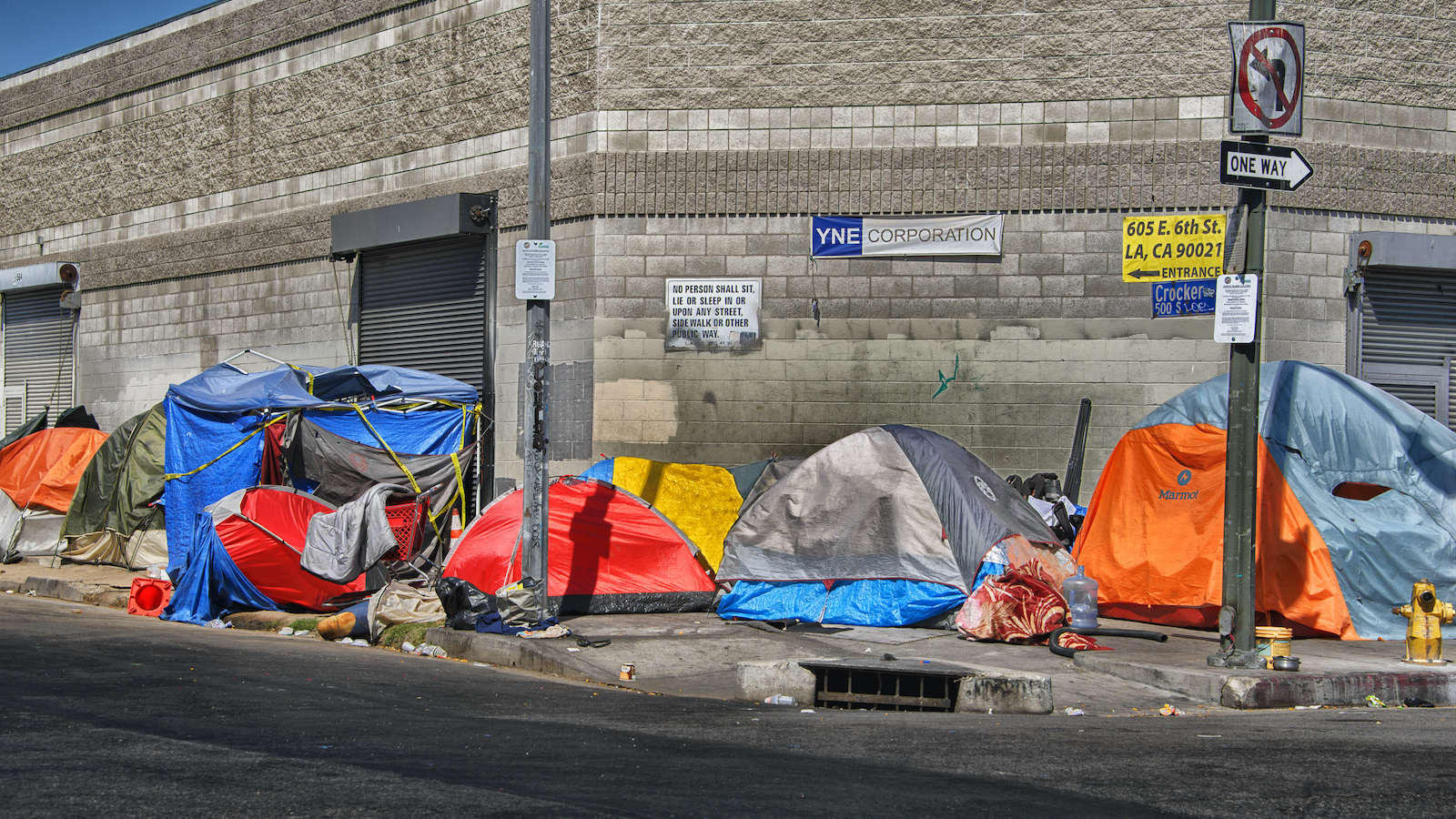
- Encampments: While individuals might not be criminalized for sleeping outside, large, semi-permanent encampments on public property are often subject to removal under city ordinances related to public health, safety, and obstruction.
- Loitering and Trespassing: These laws apply universally and can affect individuals experiencing homelessness if they are in private or restricted public areas without permission.
- Panhandling: While protected by free speech rights to some extent, aggressive panhandling or solicitation in certain designated areas (like near ATMs or building entrances) can be regulated.
- Public Urination/Defecation and Littering: These are public health and sanitation violations that apply to everyone, regardless of housing status.
- Vehicle Dwelling: Some cities have ordinances restricting where people can sleep in their vehicles, often due to concerns about sanitation, parking availability, and neighborhood impact.
From a tourist’s perspective, understanding this distinction is key. You are witnessing the effects of city regulations on public spaces, not necessarily the criminalization of a person’s existence. This nuanced approach influences how public spaces are managed and how visitors might perceive the urban landscape.
How Local Ordinances Vary Across Cities
The patchwork of local ordinances means that a tourist’s experience and observations can differ significantly from one California city to another.
- In bustling urban centers like San Francisco, Los Angeles, and San Diego, the density of both population and tourist activity often brings these issues to the forefront. These cities grapple with high numbers of unsheltered individuals and thus have some of the most visible challenges and varied responses. For instance, Los Angeles has implemented a complex system of “no-encampment zones” near schools and other sensitive areas, while San Francisco frequently engages in sweeps of tent encampments.
- Smaller cities or more suburban areas in regions like Orange County might have different approaches, sometimes focusing more on outreach and services, or in other cases, stricter enforcement of anti-camping or anti-loitering laws depending on local political will and resources.
- Even within a single metropolitan area, distinct localities like Santa Monica or Oakland will have their own specific regulations and enforcement strategies, influencing the local atmosphere.
This variability underscores why a tourist should approach each new destination with an open mind and a willingness to understand its unique social fabric, rather than applying a single, monolithic understanding of “homelessness in California.”
Homelessness and the Tourist Experience: Beyond the Headlines
For many visitors, encountering homelessness, especially in its visible forms, can be a jarring experience. It challenges the idealized image often presented in travel brochures and can raise questions about safety and the overall atmosphere of a destination.
Impact on Public Spaces and Perception
The presence of unsheltered individuals and encampments can significantly alter the ambiance of public spaces that are often tourist magnets – parks, beaches, downtown shopping districts, and transportation hubs. What might be perceived as picturesque by some could be seen as overcrowded or neglected by others. A tourist walking through parts of San Francisco’s Tenderloin district, or near Los Angeles’s Skid Row, will encounter a reality far removed from the glamour of Hollywood or the tranquility of Griffith Park.
This visual reality often shapes a tourist’s perception of safety, cleanliness, and the overall quality of their travel experience. It’s important for travelers to acknowledge that these visible signs are symptoms of broader societal issues, not merely inconveniences. A deeper understanding can help shift perception from judgment to empathy, offering a more profound, if sometimes challenging, view of the destination.
Safety Considerations for Travelers
While the vast majority of individuals experiencing homelessness are not a threat, common sense precautions are always advisable in any urban environment, regardless of the socio-economic mix. Tourists should always be aware of their surroundings, particularly at night or in less populated areas.
- Stay Informed: Research the specific neighborhoods you plan to visit. Websites and local guides can provide insights into areas to explore and those that might require more caution.
- Secure Belongings: Keep valuables out of sight and maintain awareness of your bags and pockets, especially in crowded areas.
- Trust Your Instincts: If a situation or area feels unsafe, it’s always best to move away.
- Respect Boundaries: Avoid confrontational situations. While it’s natural to feel compassion, direct engagement should be approached with sensitivity and respect for personal space.
Ultimately, the actual risk to tourists is generally low, similar to risks in any major metropolitan area worldwide. The key is informed awareness, not fear.
Responsible Tourism: Engaging with California’s Social Landscape
Part of being a responsible and informed traveler is recognizing the full spectrum of a destination, including its challenges. Engaging with California’s social landscape, particularly regarding homelessness, can enrich your travel experience and contribute positively to the communities you visit.
Supporting Local Initiatives and Charities
Many organizations across California are working tirelessly to address homelessness through outreach, shelter services, job training, and advocacy. As a tourist, contributing to these efforts can be a meaningful way to give back and support the communities you’re exploring.
- Donations: Consider donating to reputable local charities that focus on housing, food, or mental health services for the homeless. Research organizations in cities like San Diego, Sacramento, or Oakland that are making a tangible difference.
- Support Businesses: Patronize businesses that are known for employing individuals transitioning out of homelessness or that actively donate a portion of their profits to related causes.
- Educate Yourself: Learn about the root causes and potential solutions. Many organizations offer public education programs or volunteer opportunities that might fit into a longer stay.
Such actions transform a purely observational visit into one of active engagement and support, embodying the spirit of responsible tourism.
Respectful Interaction and Awareness
Encounters with individuals experiencing homelessness are inevitable in many California cities. Approaching these interactions with respect and awareness is paramount.
- Acknowledge Humanity: Remember that every individual has a story and deserves dignity. A simple nod or polite “no thank you” is often sufficient if approached for money.
- Avoid Stereotypes: Resist the urge to generalize. Homelessness is a complex issue stemming from a variety of factors including economic hardship, mental health challenges, addiction, and lack of affordable housing.
- Be Mindful of Photography: Out of respect for privacy and dignity, avoid taking photos of individuals experiencing homelessness without their explicit consent.
- Understand Context: The presence of homeless populations is often a symptom of broader systemic issues like housing shortages, income inequality, and inadequate social services, particularly acute in high-cost-of-living areas like much of California.
By cultivating an informed and compassionate perspective, tourists can gain a more authentic understanding of California beyond its surface attractions, fostering a richer travel experience.
A Deeper Look: The Root Causes and California’s Efforts
To truly understand why homelessness is so prevalent in California, especially for visitors observing the situation, it’s helpful to briefly touch upon the underlying factors and the state’s efforts to address them.
Economic Factors and Housing Crisis
California is home to some of the most expensive real estate markets in the world. The severe shortage of affordable housing units, combined with stagnant wages for many low-income workers, has created a housing crisis that pushes thousands into homelessness each year. Even full-time employment at minimum wage often isn’t enough to secure stable housing in major metropolitan areas. This economic reality is a primary driver of the visible homelessness seen in cities like San Diego, Sacramento, and Los Angeles.

State-wide and Local Responses
The state of California and its local governments are investing billions of dollars into various programs aimed at combating homelessness. These initiatives include:
- Project Homekey: An innovative program that converts hotels, motels, and other underutilized properties into permanent housing for homeless individuals.
- Rental Subsidies and Housing Vouchers: Programs designed to help low-income individuals and families afford housing.
- Outreach and Engagement Teams: Mobile teams that connect unsheltered individuals with services, shelter, and medical care.
- Mental Health and Addiction Services: Increased funding for vital support services, recognizing the link between these challenges and homelessness.
- Prevention Programs: Efforts to prevent individuals and families from losing their homes in the first place through emergency rental assistance and legal aid.
While these efforts are significant, the scale of the problem means that solutions are long-term and complex. As a tourist, being aware of these ongoing endeavors can provide context to the challenges you observe, moving beyond a superficial judgment to an appreciation of the concerted efforts being made.
In conclusion, simply being homeless is not illegal in California. However, various city ordinances regulate public spaces, which often intersect with the daily lives of unsheltered individuals. For the thoughtful tourist, understanding these dynamics enriches the travel experience, fostering a deeper connection to the local culture and promoting responsible engagement with the vibrant, yet often complex, reality of the Golden State.
LifeOutOfTheBox is a participant in the Amazon Services LLC Associates Program, an affiliate advertising program designed to provide a means for sites to earn advertising fees by advertising and linking to Amazon.com. Amazon, the Amazon logo, AmazonSupply, and the AmazonSupply logo are trademarks of Amazon.com, Inc. or its affiliates. As an Amazon Associate we earn affiliate commissions from qualifying purchases.