
For the budget-conscious traveler or the individual embracing a minimalist lifestyle, discovering free resources can be an incredibly appealing prospect. The act of “dumpster diving”—retrieving discarded items from commercial or residential waste bins—has emerged as a controversial yet widely practiced method of acquiring goods ranging from food to furniture. While often associated with necessity, it’s also a choice for those actively seeking to reduce waste, save money, and challenge consumerist norms. In a state as dynamic and populous as California, where living costs can be high and environmental consciousness runs deep, understanding the legality and practicalities of dumpster diving is crucial for anyone considering this alternative lifestyle approach. This guide delves into the legal nuances, ethical considerations, and practical advice for navigating the world of discarded treasures within the Golden State.
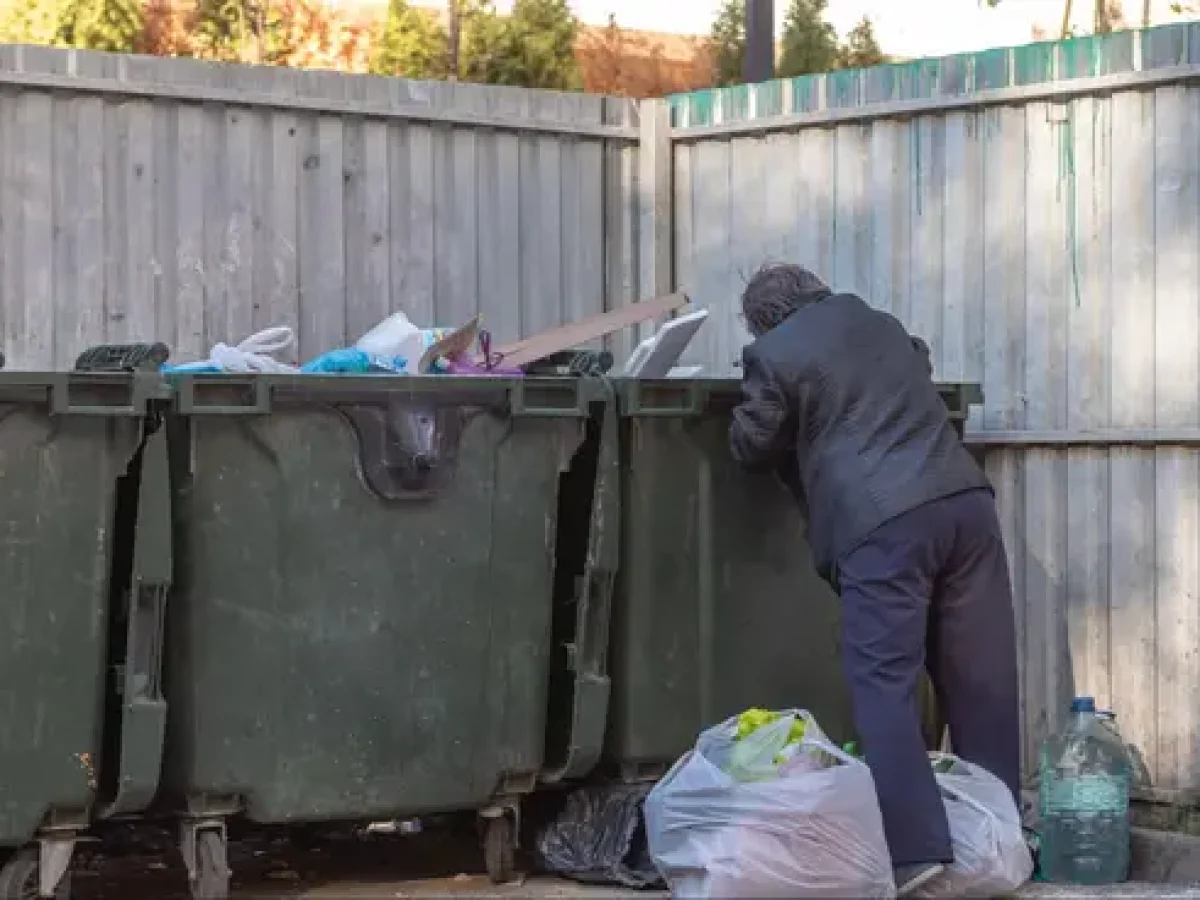
The Allure of Free Resources for Budget-Conscious Lifestyles
The motivation behind dumpster diving is multifaceted. For many, it’s a direct response to economic constraints, a way to stretch a limited budget further, particularly in expensive urban centers like San Francisco or Los Angeles. For others, it’s a philosophical stance, an act of protest against rampant consumerism and food waste. [California]’s progressive ethos often intertwines with sustainability movements, making the concept of repurposing discarded items particularly resonant.
Unpacking the “Freegan” Philosophy
The term “freegan” combines “free” and “vegan” (though not all freegans are vegan), denoting individuals who seek to minimize their participation in the conventional economy and reduce their environmental impact by recovering and consuming discarded food and goods. This lifestyle choice is not merely about saving money; it’s a commitment to challenging the economic system and highlighting the inefficiencies of modern consumption. For a budget traveler exploring [California]’s diverse landscapes, adopting freegan principles, even partially, can transform a trip from an expensive endeavor into an affordable adventure, allowing more funds for unique experiences rather than basic necessities.
Dumpster Diving as a Sustainable Practice
Beyond individual savings, dumpster diving plays a significant role in the broader conversation about sustainability. The sheer volume of waste generated by modern societies is staggering. Grocery stores, restaurants, and retail outlets frequently discard perfectly edible food, functional items, and usable products for various reasons—packaging damage, approaching expiration dates, or simply overstock. By intercepting these discards, dumpster divers divert waste from landfills, reducing environmental pollution and conserving resources that would otherwise be used to produce new items. In a state like [California], which often leads in environmental policy and green initiatives, the act of reclaiming waste aligns with a larger cultural push towards ecological responsibility, offering a tangible way for individuals to contribute to a circular economy.
Navigating the Legal Landscape in California
The fundamental question, “Is it illegal to dumpster dive in [California]?” does not have a simple yes-or-no answer. The legality hinges on several factors, primarily involving property rights and local ordinances. While there is no statewide law explicitly prohibiting dumpster diving, specific circumstances can render the act unlawful.
Public vs. Private Property
The most critical distinction lies between public and private property. In [California], once trash is placed at the curb for collection, it is generally considered public domain. This precedent stems from the 1988 U.S. Supreme Court case California v. Greenwood, which ruled that individuals have no reasonable expectation of privacy in trash left for collection outside the curtilage of their homes. This means that retrieving items from residential curbside bins is generally legal, provided local ordinances don’t prohibit it.
However, the situation changes drastically when trash is located on private commercial property, such as behind a grocery store, inside a fenced enclosure, or within a private loading dock. In these instances, the trash is still considered the property of the business until it is officially collected by a waste management service. Entering these areas without permission can lead to charges of trespassing, which is illegal in [California] under Penal Code Section 602. Many businesses also have “No Trespassing” signs explicitly posted, reinforcing their private property rights.
Trespassing and Loitering Concerns
Trespassing is a serious charge, and commercial establishments in [California] are within their rights to press charges against individuals who enter their property without authorization, even if the intent is merely to retrieve discarded items. Furthermore, lingering near dumpsters or within private areas for extended periods could also lead to loitering charges, especially if it’s perceived to interfere with business operations or create a nuisance. Security cameras are prevalent in commercial zones, and store managers or security personnel are often vigilant about unauthorized activity. For budget travelers exploring different cities like San Diego or Sacramento, it’s important to research local laws and be aware of private property boundaries, as enforcement can vary.
Health and Safety Regulations
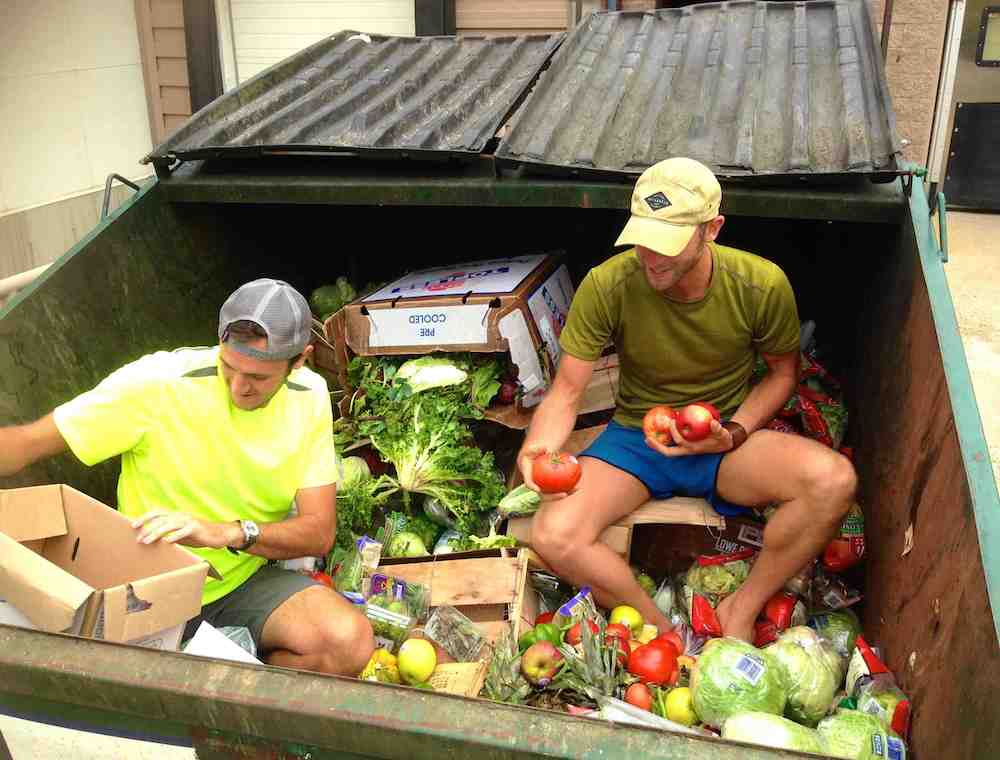
Beyond legality, health and safety are paramount. Dumpsters can contain sharp objects, hazardous materials, and spoiled food, posing risks of injury or illness. [California] has strict health codes, particularly concerning food safety. While retrieving packaged, uncontaminated food may seem harmless, consuming items from unknown origins carries inherent risks. Businesses also have their own internal policies regarding waste disposal, and some may use compactors or lock dumpsters specifically to prevent access, citing safety and liability concerns. Ignorance of these dangers does not absolve one from potential harm or responsibility.
Practical Considerations for Aspiring Dumpster Divers
For those still committed to exploring this avenue as part of a budget-conscious lifestyle, preparation and awareness are key. Understanding the nuances can help mitigate risks and improve the chances of a successful, safe, and legal experience.
Identifying Safe and Productive Spots
The most productive and relatively safer locations for dumpster diving are typically those serving businesses with high turnover of consumable goods or items. Think bakeries, produce markets, natural food stores, and sometimes even retail clothing stores. However, always prioritize public property or publicly accessible bins. Look for dumpsters that are not fenced, locked, or clearly marked with “No Trespassing” signs. Early mornings, just before businesses open, or late evenings, after they close and have discarded their daily waste, are often cited as prime times for finding fresh discards. Avoid areas with active security presence or heavy foot traffic, as discretion is always advised. Residential areas, especially around student housing or during move-out days, can also be surprisingly fruitful for finding usable household items.
Tools of the Trade and Best Practices
Successful and safe dumpster diving often requires a few essential tools. A reliable flashlight or headlamp is crucial for visibility, especially during nighttime excursions. Gloves (heavy-duty work gloves are best) protect against sharp objects, grime, and potential contaminants. A sturdy bag or backpack is necessary for carrying finds. Some experienced divers also carry a long stick or grabber tool to reach items without having to climb inside.
Best Practices:
- Leave no trace: Always re-close dumpster lids, clean up any spills, and leave the area as tidy, if not tidier, than you found it. This respects the business and helps maintain goodwill.
- Be respectful: If approached by an employee or owner, remain calm, polite, and cooperative. If asked to leave, do so immediately without argument.
- Prioritize safety: Never dive into compactors or dumpsters that seem unstable or dangerous. Avoid any potentially hazardous materials.
- Know your limits: Only take what you genuinely need and can use. Over-accumulation defeats the purpose of sustainable living and can create unnecessary waste elsewhere.
Ethical Dilemmas and Community Impact
Dumpster diving, while a means to an end for some, raises various ethical questions. Is it truly ethical to take items that a business has paid to dispose of? Does it impact charitable organizations that also collect surplus food or goods? Many businesses, particularly grocery stores, now partner with food banks and waste reduction programs to donate excess food, and taking from their bins could potentially intercept items intended for these channels. However, the sheer scale of waste still means there’s often more than enough to go around. A responsible approach involves being mindful of these dynamics, perhaps focusing on businesses that do not participate in robust donation programs, or recognizing that even with such programs, a significant amount still goes to waste. The goal is to contribute positively to waste reduction, not to undermine existing charitable efforts.
The Broader Context: Beyond Legality to Lifestyle Choice
Ultimately, the decision to dumpster dive in [California] is a personal one, weighing legal risks against ethical considerations and personal needs. It’s a practice deeply embedded within certain budget travel and sustainable living communities, offering a glimpse into an alternative way of interacting with consumer culture.
Connecting with California’s Free Food Movement
[California] is home to a vibrant “free food” movement that extends beyond dumpster diving. Community gardens, urban foraging groups, and “gleaning” projects (collecting leftover crops from farmers’ fields after harvest) offer legal and often more communal alternatives for acquiring free food. Many communities in [California] also have “free stores” or “really really free markets” where people can donate and take items without cost, fostering a gift economy. These initiatives align with the principles of waste reduction and resource sharing that often motivate dumpster divers, providing safer and more socially accepted avenues for participation.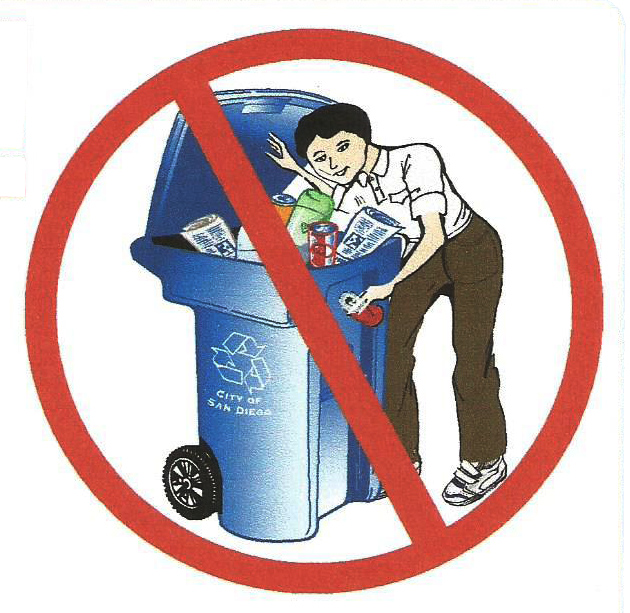
Alternatives to Dumpster Diving for Budget-Conscious Explorers
For travelers on a tight budget, dumpster diving is just one tool in a larger toolkit. Other strategies include:
- Cooking your own meals: Utilizing hostels with kitchens or camping can drastically cut down on food expenses.
- Shopping at farmers’ markets at closing time: Vendors often offer discounts on perishable items they don’t want to pack up.
- Utilizing food sharing apps: Platforms like Olio or Too Good To Go connect users with surplus food from businesses or individuals, often for free or at a reduced price.
- Volunteering for food-related events: Often provides free meals in exchange for a few hours of work.
- Embracing minimalism: Traveling light and focusing on experiences over material possessions naturally reduces costs.
While dumpster diving remains a viable, albeit risky, option for many in [California] due to its nuanced legal status and the vast amount of discarded resources, it is critical to proceed with caution, respect for property, and an understanding of the potential consequences. For those embracing a budget-conscious or freegan lifestyle, it’s one piece of a broader puzzle aimed at sustainable living and financial freedom.
LifeOutOfTheBox is a participant in the Amazon Services LLC Associates Program, an affiliate advertising program designed to provide a means for sites to earn advertising fees by advertising and linking to Amazon.com. Amazon, the Amazon logo, AmazonSupply, and the AmazonSupply logo are trademarks of Amazon.com, Inc. or its affiliates. As an Amazon Associate we earn affiliate commissions from qualifying purchases.