
Unpacking the Legal Landscape of Toplessness in California
California, a state renowned for its progressive policies and diverse cultural landscapes, often sparks curiosity regarding public nudity laws, particularly concerning women going topless. For tourists and residents alike, understanding the legal framework and social norms is crucial for navigating its varied public spaces responsibly. The short answer to the question is nuanced: while there isn’t a statewide law explicitly legalizing female toplessness, it is largely decriminalized and, in many areas, considered legal due to a lack of specific prohibition and historical court rulings.

The Statewide Perspective: Decriminalization, Not Explicit Legalization
The foundation of the current legal understanding dates back to a 1970s legal precedent in California. In In re Nancy Jo D. (1970), a state appellate court ruled that the state’s indecent exposure law (Penal Code Section 314) could not be applied discriminatorily based on gender. This effectively meant that if men could go topless in public, women could too, without violating state law. This ruling didn’t create a new law explicitly permitting female toplessness but rather established that the existing indecent exposure law couldn’t be enforced against women differently than against men. Therefore, if male breasts are not considered “private parts” for the purpose of indecent exposure, female breasts are not either, under the same conditions. This interpretation leads to a de facto decriminalization of female toplessness statewide.
However, this decriminalization is not an outright, unequivocal legalization in the sense of a legislative act affirming the right. Instead, it operates on the principle of equal application of existing laws and the absence of a specific prohibition against female toplessness that would withstand constitutional challenge. This distinction is vital for understanding why local variations exist.
Understanding Local Ordinances and Jurisdictional Nuances
While the state broadly decriminalizes female toplessness, individual cities and counties in California retain the power to enact their own local ordinances. These local laws can, and sometimes do, impose restrictions on public nudity or specific forms of attire in certain areas. For instance, some municipalities might have ordinances prohibiting nudity in parks, playgrounds, or near schools, which could indirectly affect the legality of toplessness.
It’s important to note that any local ordinance attempting to explicitly ban female toplessness while allowing male toplessness would likely face legal challenges based on the precedent of gender discrimination. However, general nudity bans or ordinances requiring a certain level of dress in specific public areas can be upheld if they are applied equally to all genders. This creates a patchwork of regulations where what’s acceptable in one beach city might differ from a more conservative inland community.
Historically, some cities have designated specific “clothing-optional” or “topless-optional” beaches, such as certain sections of San Diego‘s Black’s Beach or a small portion of Santa Cruz County beaches. These designations further complicate the statewide understanding, suggesting that outside these designated areas, local enforcement might be more stringent, even if the underlying state law is permissive. For tourists exploring California, research into specific local regulations for their chosen destination is always advised.
Historical Context and Civil Rights Advocacy
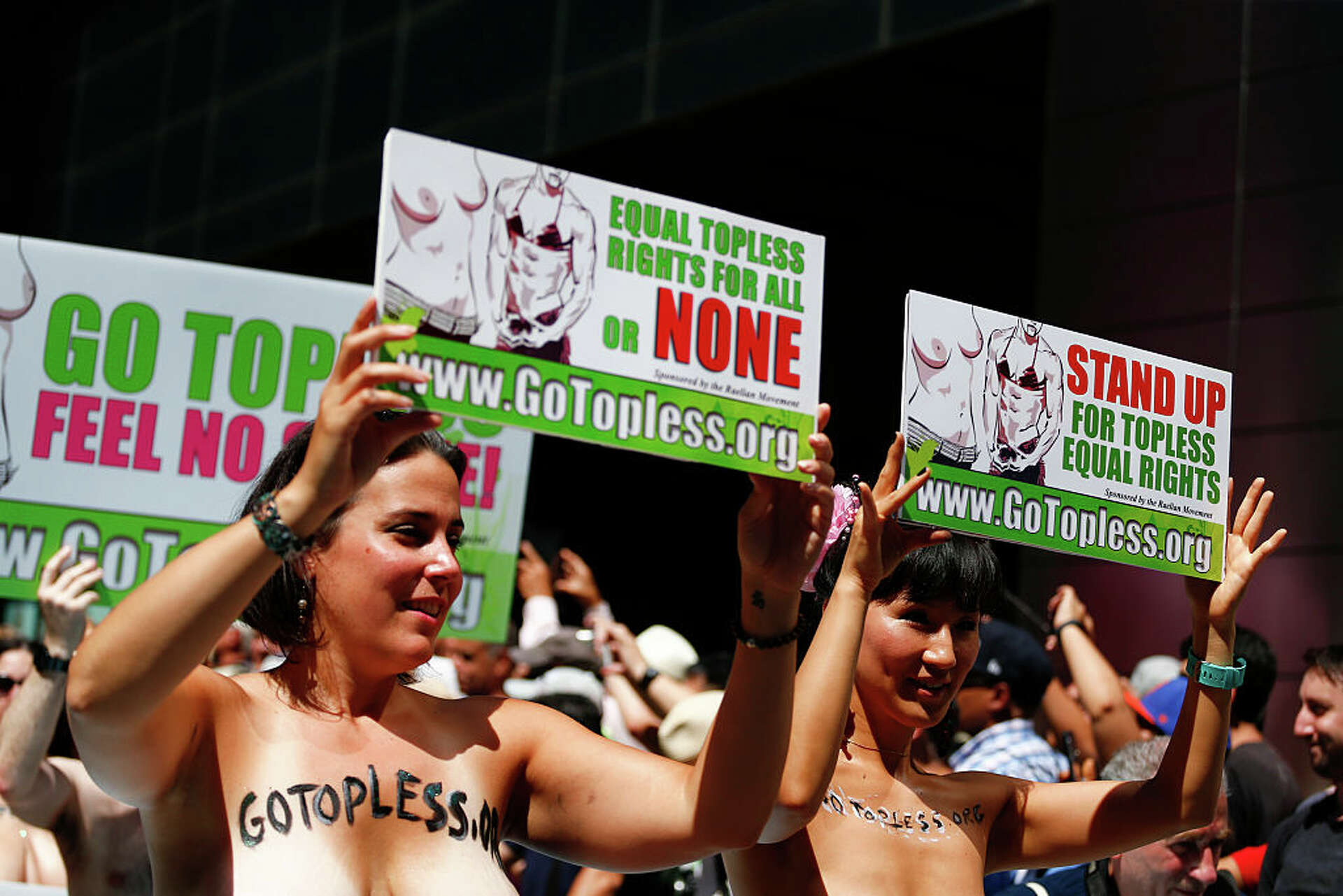
The journey towards the current understanding of toplessness laws in California is rooted in civil rights advocacy and feminist movements. The 1970s saw significant activism challenging gender discriminatory laws, leading to the landmark court decisions. Groups advocating for gender equality argued that laws penalizing women for going topless while men were permitted to do so were inherently discriminatory and violated equal protection principles. These efforts contributed to the judicial interpretations that shaped the current legal landscape, making California a relatively permissive state compared to many others in the United States on this specific issue. The ongoing conversation around body autonomy and public expression continues to influence social perceptions and, occasionally, local policy debates.
Navigating Public Spaces: What Tourists and Locals Should Know
Understanding the legal background is one thing, but applying it in practical terms when visiting California‘s diverse public spaces requires an awareness of social norms, specific environments, and potential enforcement discretion. While generally decriminalized, the social acceptance of female toplessness varies significantly across the state.
Beaches and Coastal Areas: The Most Common Scenario
Beaches are, by far, the most common public spaces where female toplessness is encountered and generally accepted in California. Coastal cities, especially those with a reputation for a relaxed, liberal atmosphere, tend to have higher social tolerance. Places like parts of San Diego, Santa Cruz, and certain areas within Los Angeles County (though less explicitly than in decades past for Venice Beach‘s main stretch) might see women choosing to go topless without incident.
Even on beaches, it’s not universally practiced or always without potential for social discomfort from others. While legal, it’s not the default attire for most women. Tourists should observe their surroundings and gauge the general atmosphere. Designated clothing-optional beaches are an exception, where full nudity or toplessness is explicitly understood and typically socially accepted by those who visit these specific locations. Outside these areas, it’s more about exercising a legal right within a context of varying social norms.
Public Parks and Urban Environments: A Different Set of Considerations
Moving away from the beach, the social and practical considerations shift considerably. In public parks, city streets, shopping districts, or urban environments, female toplessness is far less common and generally not socially accepted, even if not explicitly illegal under state law. Local ordinances regarding public decency or disturbing the peace might be invoked, even if a direct indecent exposure charge is not applicable.
The “intent” factor also plays a role in how such situations might be perceived or handled by law enforcement. While the initial legal premise is about non-discrimination, behavior that is perceived as intentionally shocking or disruptive in inappropriate contexts could lead to different interactions with authorities. For tourists exploring cities like San Francisco or Los Angeles’s downtown areas, going topless in such settings would be highly unusual and likely to draw significant attention, regardless of the underlying state law.
Private Property vs. Public View
The legal and social dynamics further change when considering private property versus public view. On private property, such as a backyard or a private balcony, the expectation of privacy is higher, and individuals generally have more leeway regarding attire, provided they are not creating a public nuisance or violating specific homeowner association rules.
However, if private behavior is easily visible from a public space, such as a street or a neighboring property, it can sometimes fall under local ordinances related to public nuisance or indecent exposure, depending on the specific context and local laws. Generally, the rule of thumb for tourists and residents is that actions taken in direct public view are subject to greater scrutiny and potential legal or social repercussions.
Cultural Nuances and Social Acceptance
California’s vast and varied landscape also means a spectrum of cultural norms. What is considered perfectly acceptable in one region might raise eyebrows or even lead to minor confrontation in another. This cultural sensitivity is a key aspect of responsible tourism.
Regional Variations: From Bohemian Enclaves to Conservative Communities
The state boasts areas known for their free-spirited, bohemian cultures, often found in coastal towns or artistic communities. In these locales, there tends to be a higher tolerance for diverse forms of self-expression, including unconventional dress or lack thereof. Conversely, more suburban or inland communities, particularly those with strong religious or conservative populations, may hold more traditional views on public attire.
For visitors, understanding these regional differences is vital. Assuming universal acceptance across the entire state would be a mistake. A beach in Northern California known for its progressive atmosphere might have a different vibe than a family-oriented beach in Southern California or a lakeside park in the Central Valley. The presence of children, families, and the overall demographic of a given location significantly influence social expectations and comfort levels.
Respecting Local Sensibilities: A Guide for Responsible Tourism
Even where legally permissible, choosing to go topless is also a matter of respecting local sensibilities and the comfort of others. Responsible tourism encourages visitors to immerse themselves in and respect the local culture, which includes understanding unspoken social rules. While an individual may have a legal right, exercising that right in a way that causes widespread discomfort or offense among locals could detract from a positive travel experience for all.
Observing how locals dress and behave in public spaces is an excellent guide. If no one else is topless, it suggests a lower level of social acceptance, regardless of legal standing. Prioritizing a harmonious experience over asserting a right can often lead to a more enjoyable and respectful interaction with the destination.
The Impact on Family-Friendly Destinations
Many of California’s popular tourist destinations are heavily family-oriented. Theme parks, popular beaches, and community parks are often filled with children of all ages. In these environments, while legal technicalities might still apply, the social expectation leans heavily towards modest dress. Parents and families often seek out environments where they feel comfortable bringing their children, and public toplessness can sometimes be perceived as creating an uncomfortable or inappropriate atmosphere for younger audiences. This factor heavily influences the practical landscape of where and when female toplessness might be socially accepted or simply tolerated.
Practical Tips for Visitors and Residents
For anyone considering going topless in California, a thoughtful approach combining legal awareness with social intelligence is recommended.
Researching Specific Locations Before Visiting
Before heading to a beach or park, a quick online search for local ordinances or news related to public nudity in that specific city or county can provide valuable insights. Websites for local government or tourism boards sometimes offer guidelines. Checking recent travel forums or blogs about specific beaches can also give an indication of local customs and current social acceptance. This proactive research minimizes surprises and ensures a more informed experience.
Observing Local Customs and Cues
Once at a location, take a moment to observe. Are others topless? What is the general atmosphere? If it feels like an anomaly, it might be an indication that while legal, it’s not the local custom or widely accepted in that specific spot. A discreet and respectful approach to gauging the environment is always advisable. This includes considering the time of day, the crowd, and the specific section of a beach or park.
Prioritizing Comfort and Safety
Ultimately, personal comfort and safety should be paramount. If exercising the right to go topless makes an individual feel vulnerable, overly exposed, or leads to unwanted attention, it might not be the most empowering choice. Understanding that “legal” does not always equate to “socially consequence-free” is important. Being aware of one’s surroundings and making choices that contribute to a positive personal experience are key.

The “Peace Officer” Factor: Understanding Enforcement Discretion
While state law generally protects against gender-discriminatory enforcement of indecent exposure, local law enforcement officers (peace officers) still have discretion. In situations where an individual’s behavior is perceived as truly disruptive, aggressive, or creating a public disturbance, other general public order laws might be invoked. While unlikely to result in an indecent exposure charge for simply being topless, an officer might address situations where others report feeling harassed or where behavior crosses into general misconduct. Engaging respectfully with law enforcement and understanding their role in maintaining public order is always a good practice for both residents and tourists.
LifeOutOfTheBox is a participant in the Amazon Services LLC Associates Program, an affiliate advertising program designed to provide a means for sites to earn advertising fees by advertising and linking to Amazon.com. Amazon, the Amazon logo, AmazonSupply, and the AmazonSupply logo are trademarks of Amazon.com, Inc. or its affiliates. As an Amazon Associate we earn affiliate commissions from qualifying purchases.