
Understanding California’s intricate tax structure is paramount for anyone considering making the Golden State their home, establishing a business, or simply evaluating the financial implications of a lifestyle centered in one of the world’s largest economies. The fundamental question, “Is labor taxable in California?”, delves into the very fabric of financial planning and lifestyle choices, influencing everything from individual income and spending power to the operational viability and growth strategies of businesses within its vibrant economy. The answer, in essence, is a resounding yes, but the nuances are critical for effective personal and business financial management. Labor, in its various forms, from wages and salaries to independent contractor earnings and service fees, is subject to a complex web of state and sometimes local taxes. Navigating this landscape effectively is key to optimizing one’s financial lifestyle and ensuring compliance.
Understanding California’s Income Tax Landscape for Residents
For individuals whose labor manifests as traditional wages or salaries, California’s personal income tax is a primary consideration. This tax is levied on virtually all sources of income, including earnings from employment, for residents of the state. It significantly impacts an individual’s take-home pay and, consequently, their spending power and overall financial lifestyle. The state operates on a progressive income tax system, meaning higher earners contribute a larger percentage of their income in taxes. This progressive structure is a core component of California’s fiscal policy and directly influences the economic lifestyle across different income brackets.
State Income Tax Brackets and Their Lifestyle Impact
California features numerous income tax brackets, with rates ranging from 1% to as high as 12.3%, plus an additional 1% surcharge on incomes over $1 million for mental health services. These brackets are adjusted annually for inflation, but their existence means that the portion of your labor income that goes to the state varies significantly based on your total earnings. For individuals, this necessitates careful financial planning. High-income earners might find a substantial portion of their earnings directed towards state taxes, which can influence decisions regarding discretionary spending, savings, investments, and even the feasibility of maintaining a desired standard of living within expensive urban centers like San Francisco or Los Angeles. Conversely, lower-income residents benefit from lower effective tax rates, but still need to account for this deduction in their budgeting. Understanding your specific tax bracket is fundamental to managing your personal financial lifestyle in California.
Local Taxes and Their Influence on Living Costs
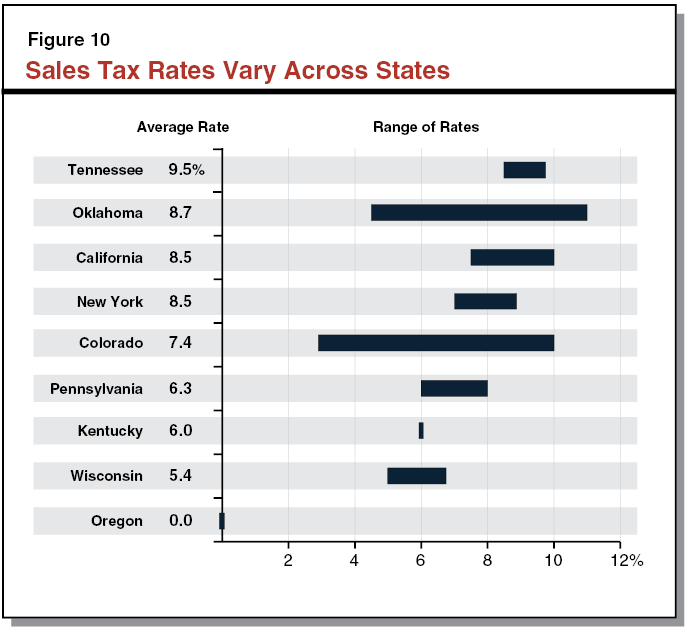
While California does not have local income taxes at the city or county level—unlike some other states—various local taxes and fees indirectly impact the cost of living and, by extension, the financial lifestyle of its residents. These can include property taxes for homeowners, local sales taxes (which vary by jurisdiction and are added to the statewide rate), and a multitude of special assessment districts. While not directly taxing labor income, these local levies contribute to the overall economic environment. For example, high property taxes in desirable areas contribute to elevated housing costs, requiring a larger portion of labor earnings to be allocated to shelter. This interplay means that while your paycheck isn’t directly hit by a city income tax, the broader economic burden of living in certain California locales is certainly a lifestyle factor influenced by taxation.
Employment Taxes: A Business and Employee Lifestyle Factor
Beyond individual income tax, labor in California is also subject to various employment taxes, which are generally shared between employers and employees. These taxes fund crucial state programs and social safety nets, directly impacting the lifestyle security and benefits available to the workforce. For businesses, managing these payroll taxes is a significant operational consideration that affects staffing decisions, budgeting, and overall financial health.
Payroll Taxes: SDI, UI, and ETT Contributions
Employees in California contribute to the State Disability Insurance (SDI) program through payroll deductions. This program provides temporary benefits to eligible workers who are unable to work due to non-work-related illness, injury, or pregnancy, offering a vital safety net that supports individual financial lifestyles during periods of unexpected hardship. Employers contribute to the Unemployment Insurance (UI) program, which provides temporary financial assistance to eligible workers who are unemployed through no fault of their own. They also pay into the Employment Training Tax (ETT), which funds job training programs for California businesses, enhancing workforce skills and mobility. These contributions, though often seen as deductions, are investments in the collective economic stability and lifestyle resilience of the state’s residents. For employers, these mandatory contributions represent a significant part of the cost of labor, influencing hiring decisions and the overall compensation packages offered to employees.
Employer Responsibilities and Workforce Planning
Employers in California bear a substantial responsibility for collecting, remitting, and reporting these employment taxes. This includes withholding federal and state income taxes, FICA (Social Security and Medicare), SDI, and paying their share of UI, ETT, and sometimes local payroll taxes (though less common). The administrative burden and financial outlay associated with these obligations are critical factors in business planning. Companies must factor these costs into their operating budgets, which can influence pricing, profitability, and expansion plans. For employees, understanding these deductions helps demystify their pay stubs and underscores the social benefits derived from these mandatory contributions, shaping their understanding of their financial ecosystem and future security. Effective workforce planning for businesses in California therefore inherently involves a sophisticated understanding of these tax responsibilities to ensure both compliance and a sustainable business lifestyle.
Independent Contractors vs. Employees: Navigating the Gig Economy Lifestyle
The rise of the gig economy has brought increased scrutiny to the distinction between independent contractors and employees, particularly in California. This classification carries profound implications for tax liability, benefits, and overall financial lifestyle for both workers and businesses. Misclassification can lead to significant penalties, making a clear understanding of the rules essential.
AB 5 and its Ramifications for Freelancers
California’s Assembly Bill 5 (AB 5), enacted in 2020, codified and expanded the “ABC test” for determining worker classification. Under AB 5, a worker is presumed to be an employee unless the hiring entity can prove all three conditions of the ABC test: (A) the worker is free from the control and direction of the hiring entity in connection with the performance of the work, both under the contract for the performance of the work and in fact; (B) the worker performs work that is outside the usual course of the hiring entity’s business; and (C) the worker is customarily engaged in an independently established trade, occupation, or business of the same nature as the work performed for the hiring entity. This legislation dramatically shifted the landscape for many freelancers and gig workers, converting many previously classified independent contractors into employees. For those affected, this means a shift from managing self-employment taxes (both employee and employer portions of FICA, self-employment tax, etc.) to having income and employment taxes withheld by an employer, alongside potential access to benefits like unemployment insurance and workers’ compensation. This change directly impacts their financial planning, their autonomy, and their overall working lifestyle.
Tax Implications for Self-Employed Lifestyles
For those who genuinely operate as independent contractors, their labor is taxable, but the mechanism differs significantly from traditional employment. Self-employed individuals are responsible for paying estimated income tax throughout the year, encompassing federal and state income taxes, as well as self-employment tax (which covers Social Security and Medicare contributions for both the employee and employer portions). This requires proactive financial management, disciplined budgeting, and an understanding of tax deductions available to small business owners and freelancers. The self-employed lifestyle offers flexibility and autonomy but demands a high level of financial literacy and responsibility to manage tax obligations effectively and ensure compliance with the California Franchise Tax Board (FTB) and the IRS. Failing to properly estimate and pay these taxes can lead to penalties and interest, significantly impacting the financial well-being of the self-employed individual.
Sales and Use Tax on Services: When Labor Becomes Tangible
While most services (pure labor) are generally exempt from California sales tax, there are critical exceptions where labor becomes taxable. This distinction is vital for businesses providing services and for consumers to understand the final cost of certain transactions, impacting both business operations and consumer spending lifestyles.
Distinguishing Taxable Services from Non-Taxable Labor
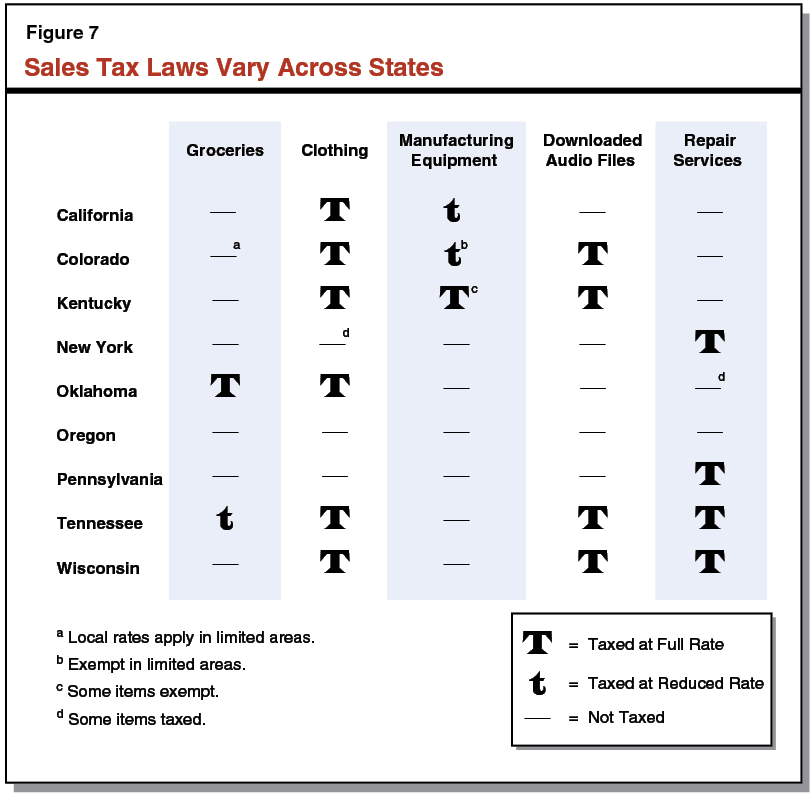
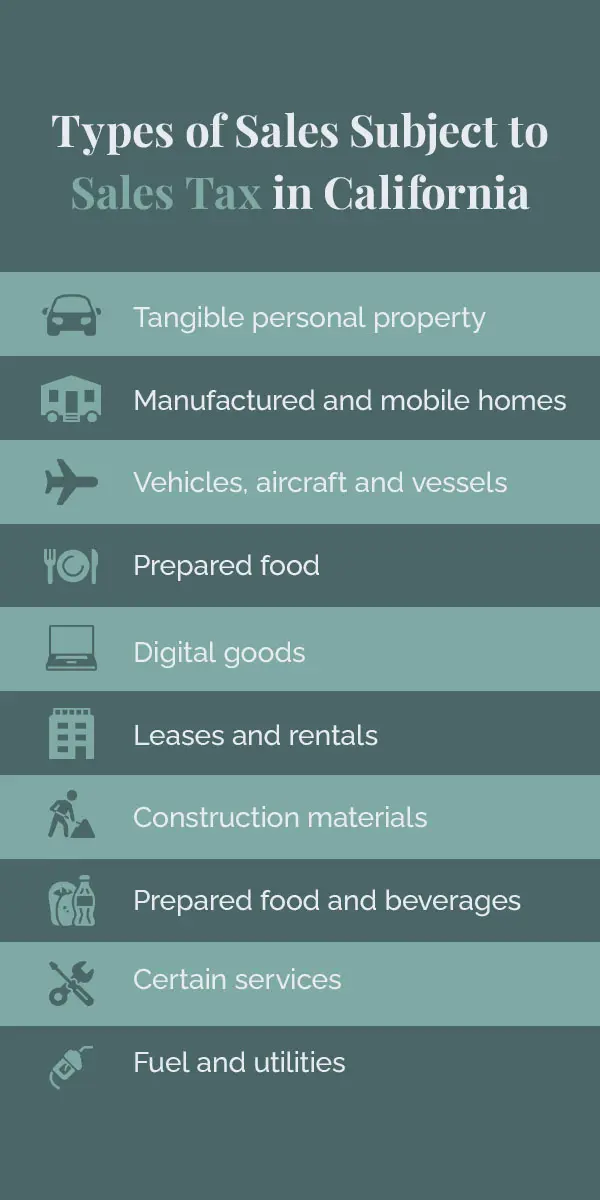
Generally, if a service primarily involves the application of skill or labor and does not result in the transfer of tangible personal property, it is not subject to sales tax. Examples include legal advice, consulting services, or medical treatments. However, if the service results in the creation, production, fabrication, or installation of tangible personal property, or if it is incidental to the sale of tangible personal property, then the labor portion may become taxable. For instance, the labor involved in repairing an appliance where parts are also sold and installed is typically subject to sales tax on both the parts and the labor. Similarly, custom software development that results in a tangible product (e.g., a physical disk) could involve taxable labor, whereas pure digital delivery or consulting on software might not. This nuance requires businesses to carefully analyze their offerings and correctly apply sales tax, which affects their revenue, pricing strategies, and ultimately, their business lifestyle.
The Consumer Lifestyle Impact of Service Taxation
For consumers, understanding when labor is taxable impacts their budgeting for goods and services. When hiring a contractor for home improvements that involve both labor and materials, the sales tax calculation can affect the overall cost. For example, a home renovation project in San Diego or Sacramento might see sales tax applied to the entire bill if materials are intrinsically linked to the service provided. This direct impact on the cost of goods and services is a factor in consumer purchasing decisions and discretionary spending, influencing the lifestyle choices of California residents, from home maintenance to personal care services. Businesses must transparently communicate these charges to maintain trust and ensure customers understand the full financial implications of their purchases.
Strategic Lifestyle Planning: Mitigating Tax Burdens in California
Given the extensive taxation of labor in California, strategic planning is not merely advisable but essential for both individuals and businesses to optimize their financial lifestyles. Understanding available deductions, credits, and incentives can significantly reduce tax liabilities.
Deductions, Credits, and Exemptions for Individuals
California offers various deductions and credits that can reduce an individual’s taxable income or the amount of tax owed. These can include deductions for mortgage interest, certain medical expenses, student loan interest, and contributions to traditional IRAs. Tax credits, such as the California Earned Income Tax Credit (CalEITC) or dependent care credits, directly reduce the tax liability dollar-for-dollar. Proactive financial planning, including maximizing contributions to tax-advantaged retirement accounts, itemizing deductions when beneficial, and claiming all eligible credits, can significantly lower one’s overall tax burden. This allows individuals to retain more of their labor earnings, enhancing their financial flexibility and supporting their desired lifestyle in California.
Business Incentives and Tax Planning
For businesses operating in California, strategic tax planning is crucial for sustainability and growth. The state offers various tax incentives and credits designed to encourage economic activity, job creation, and investment in specific sectors or regions. Examples include research and development tax credits, hiring credits for certain disadvantaged employees, and incentives for manufacturing and agricultural activities. Businesses can also leverage deductions for operating expenses, depreciation, and employee benefits. Consulting with tax professionals is indispensable for identifying all applicable incentives and structuring operations in a tax-efficient manner. Effective tax planning for businesses not only ensures compliance but also frees up capital for reinvestment, expansion, and competitive employee compensation, directly contributing to a robust and thriving business lifestyle within the Golden State. Ultimately, for individuals and enterprises alike, a deep comprehension of how labor is taxed in California is the cornerstone of informed decision-making and a flourishing financial future.
LifeOutOfTheBox is a participant in the Amazon Services LLC Associates Program, an affiliate advertising program designed to provide a means for sites to earn advertising fees by advertising and linking to Amazon.com. Amazon, the Amazon logo, AmazonSupply, and the AmazonSupply logo are trademarks of Amazon.com, Inc. or its affiliates. As an Amazon Associate we earn affiliate commissions from qualifying purchases.