
Yes, “Pt” almost invariably refers to Pacific Time, which is indeed the time zone observed across the vast majority of California. For any traveler planning an adventure to the Golden State or simply needing to coordinate with someone on its vibrant west coast, understanding Pacific Time is fundamental. This time zone governs everything from flight arrivals and attraction opening hours to business meetings and sunset viewing opportunities, making it a critical piece of information for seamless travel.
Understanding Time Zones on the West Coast
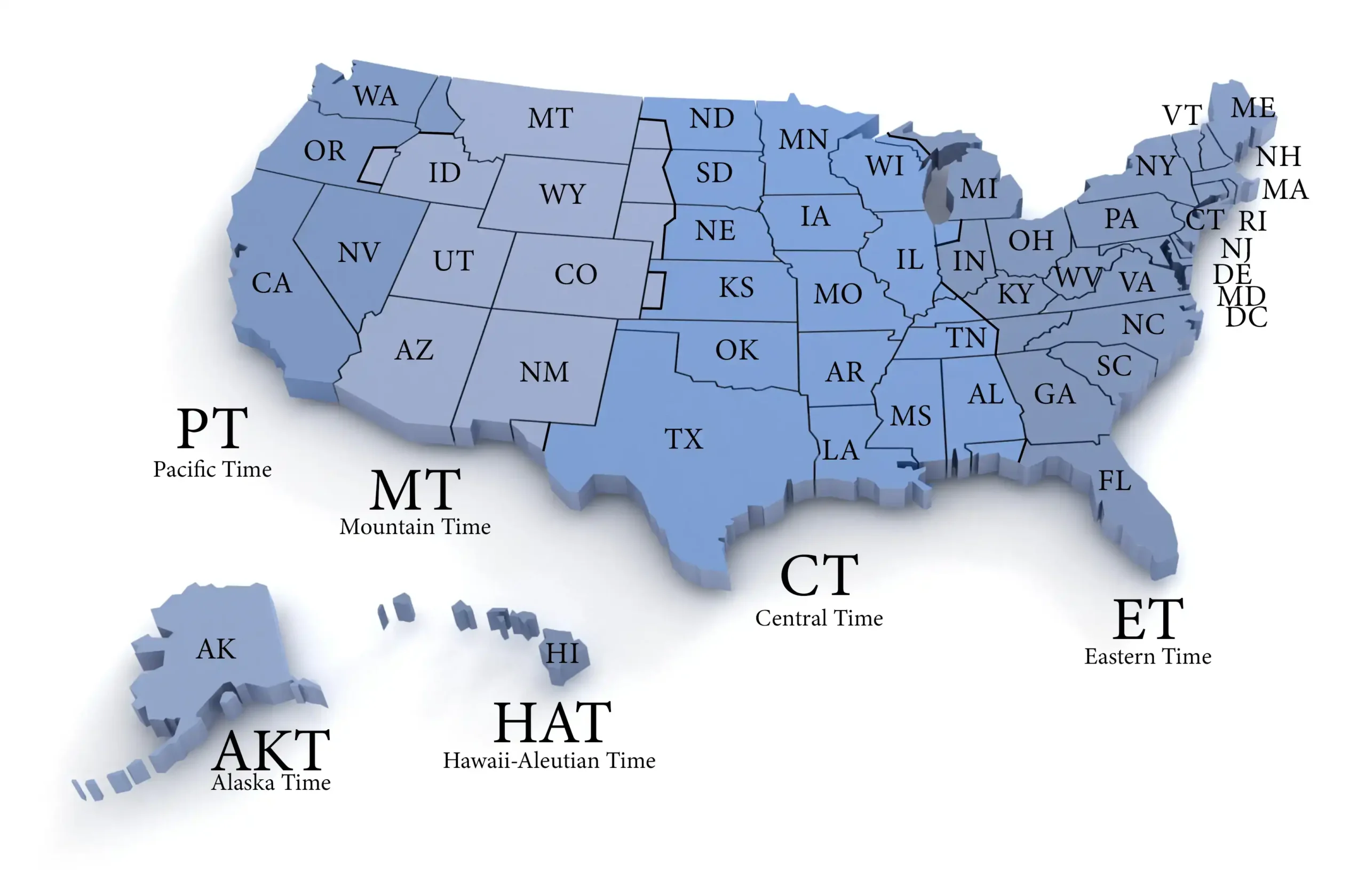
The concept of “Pt” is central to understanding the temporal landscape of the western United States. Pacific Time (PT) represents one of the four main time zones within the contiguous United States, and it’s the westernmost. Like many other regions, the Pacific Time Zone observes Daylight Saving Time, meaning the time shifts twice a year.

During the standard time period, typically from early November to mid-March, the region operates on Pacific Standard Time (PST), which is 8 hours behind Coordinated Universal Time (UTC-8). When Daylight Saving Time is in effect, from mid-March to early November, the clocks spring forward by one hour, shifting to Pacific Daylight Time (PDT), which is 7 hours behind Coordinated Universal Time (UTC-7). This transition is crucial for travelers to note, as a missed hour can impact scheduled events significantly.
While California is the most populous state within the Pacific Time Zone, it’s not alone. Other states that largely fall within this zone include Oregon, Washington, and Nevada. Portions of Idaho also adhere to PT, specifically the northern part of the state, while the southern part observes Mountain Time. It’s important to differentiate these from the largely non-observing Daylight Saving Time state of Arizona, which primarily remains on Mountain Standard Time (MST) year-round, aligning with PT for part of the year and Mountain Daylight Time for the other.
Comparing PT to its North American counterparts, it is three hours behind Eastern Time, two hours behind Central Time, and one hour behind Mountain Time. This westward progression of time zones means that as the sun rises later in California than in New York City, the day officially begins later too, a small but impactful detail for anyone traveling between these regions.
Navigating Travel Across Time Zones
Time zones are more than just numbers on a clock; they are integral to the logistics and enjoyment of travel. For those heading to California, understanding the nuances of Pacific Time can make or break an itinerary, particularly when crossing multiple time boundaries.
The Impact of Time Differences on Itineraries
Travelers flying into California from the east, or indeed from international destinations, will experience a time shift that can directly affect their travel plans. Flight schedules are always presented in local time, meaning a flight departing New York at 9:00 AM Eastern Time and arriving in Los Angeles at 12:00 PM Pacific Time might feel like a short journey, but it has actually consumed six hours in the air. This time difference is crucial for connecting flights, as a tight layover might become impossible if one miscalculates the time zone change.
Similarly, hotel check-in and check-out times, which are almost universally based on local time, require careful attention. Arriving early after a red-eye flight from the East Coast might mean waiting hours for your room to be ready unless you’ve pre-arranged an early check-in. The same applies to tour bookings, dinner reservations, and tickets for attractions; a 7:00 PM show in Los Angeles is genuinely 7:00 PM local time, not 7:00 PM in your origin time zone. Coordinating with friends or family who live in or are traveling from different time zones adds another layer of complexity, necessitating clear communication and confirmation of times.
Battling Jet Lag for a Seamless Experience
Perhaps the most significant personal impact of time zone travel is jet lag. Traveling eastward generally results in more severe jet lag because your body clock struggles to advance. However, traveling westward to California can still be challenging, as your body attempts to adjust to a “longer” day.
To mitigate jet lag, several strategies are highly recommended. Prioritize hydration before, during, and after your flight, avoiding excessive caffeine and alcohol, which can exacerbate dehydration. Upon arrival, immediately try to adjust your internal clock to Pacific Time. Maximize exposure to natural light during the day, particularly in the morning, and minimize it in the evening. Even a gradual adjustment a few days before departure, by shifting your sleep schedule closer to California’s time, can make a noticeable difference. For long-haul international flights or significant time zone crossings, planning a buffer day or two upon arrival for rest and acclimatization can significantly enhance the enjoyment of your trip, allowing your body to recover before diving into sightseeing.
Planning Your California Adventure with Time in Mind
A successful trip to California isn’t just about what you see, but how smoothly you experience it. Integrating the nuances of Pacific Time into your planning can maximize your enjoyment and minimize stress.
Popular Destinations and Their Time Considerations
Each of California’s iconic destinations presents unique opportunities and challenges influenced by local time. In Los Angeles, the entertainment capital, showtimes, studio tour schedules, and restaurant reservations adhere strictly to Pacific Time. Missing the start of a show at the Hollywood Bowl or a pre-booked slot at Universal Studios Hollywood due to a time zone miscalculation can be a costly mistake.
Further north, San Francisco offers its own set of time-sensitive experiences. Early morning fog tours of the Golden Gate Bridge or timed entries for Alcatraz Island are absolute musts to book well in advance and arrive for promptly. Even simple pleasures, like riding the historic cable cars, might involve waiting in long lines that are best tackled earlier in the day.
In San Diego, the focus shifts to beach activities, Balboa Park attractions like the San Diego Zoo, and various theme parks. Knowing the closing times for these attractions allows for strategic planning to fit in as much as possible. When venturing into California’s magnificent National Parks, such as Yosemite National Park or Death Valley National Park, time becomes even more critical for appreciating natural phenomena. Catching a sunrise over Half Dome in Yosemite or witnessing the stunning colors of a Death Valley sunset requires precise timing and often early departures from your accommodations. Driving times between these vast natural wonders, all operating on Pacific Time, also need to be factored in meticulously.
Optimizing Your Schedule for Maximum Enjoyment
To fully leverage your time in California, a well-thought-out schedule that accounts for Pacific Time is invaluable. Starting your day early, especially for popular attractions, can help you beat the crowds and enjoy cooler temperatures, particularly in warmer regions. Consider the effect of Daylight Saving Time; the longer evenings in summer provide extended opportunities for outdoor dining, beach strolls, or enjoying outdoor concerts, effectively adding “extra” hours to your day.
Strategic scheduling also extends to meal times and relaxation. Rather than forcing yourself to eat at an unnatural hour due to jet lag, plan for lighter snacks and gradually shift to local meal times. Incorporate downtime into your itinerary to prevent burnout, especially after long travel days. Remember, California is meant to be enjoyed, not rushed.
The Global Perspective: How PT Relates to International Travel
For international visitors, the time difference with California can be substantial, adding layers of complexity to travel planning and communication.
Connecting from Europe or Asia
Travelers arriving in California from Europe face a significant time shift, typically 8 to 9 hours behind European capitals. For example, when it’s noon in London (Greenwich Mean Time/UTC+0), it’s only 4:00 AM Pacific Time (PST), or 5:00 AM PDT. This means a full workday in Europe concludes before the California morning even begins, impacting international business calls or simply coordinating with loved ones back home.
The challenge is even greater for those journeying from Asia. With a time difference of 16 to 17 hours from major cities like Tokyo, travelers essentially jump backward an entire day. Strategies for coping with this severe jet lag involve meticulous pre-travel preparation, including adjusting sleep cycles, choosing flights that arrive in the late afternoon or early evening to facilitate immediate local bedtime, and embracing the local schedule from the moment of arrival. Hydration, light meals, and gentle exercise post-flight become even more critical in managing the body’s response to such a dramatic time shift.
Practical Tools for Time Zone Conversion
In an interconnected world, a plethora of tools exist to help travelers manage time zones effortlessly. Smartphone apps dedicated to world clocks or time zone converters are indispensable. These apps can display multiple time zones simultaneously, making it easy to see the current time in California alongside your home time zone. Online converters offer similar functionality, useful for planning calls or virtual meetings.
Another simple but effective tip is to set your watch or phone to Pacific Time as soon as you board your flight to California. This mental adjustment helps you begin the transition before you even land. When communicating with people in other time zones, always state both the time and the time zone (e.g., “3 PM PT” or “6 PM ET”) to avoid any confusion. Clear communication is paramount to ensure everyone is on the same page, whether arranging airport pickups or simply catching up with family.
Beyond the Clock: Cultural Nuances of Time in California
While the technical aspects of Pacific Time are crucial, understanding the cultural approach to time in California can further enrich a traveler’s experience.
The California Pace: Laid-back but Punctual
California is often perceived as having a more laid-back or relaxed pace of life compared to the bustling East Coast. While there’s certainly an element of truth to this, especially in coastal towns or more rural areas, it’s important not to mistake “relaxed” for “unpunctual.” Californians generally adhere to scheduled times for appointments, tours, and events. Arriving late to a booked activity, a dinner reservation, or a professional meeting is still considered rude and can lead to missed opportunities or inconvenience.
The “pace” might refer more to the general approach to leisure and daily life rather than strict adherence to schedules. For example, a leisurely brunch might extend for hours, or a beach day could morph into an evening bonfire. However, for anything with a set start time, punctuality on Pacific Time is expected. There can be subtle differences between Northern California and Southern California as well, with Southern California sometimes perceived as having a slightly more relaxed attitude towards time in social settings, partly due to its car culture and traffic realities.
Maximizing Daylight: An Unspoken Travel Advantage
One of the great, often unspoken, advantages for travelers in California, particularly during the spring and summer months, is the abundance of daylight. With Pacific Daylight Time in effect, sunsets can occur as late as 8:30 PM or even later in the evening. This extended daylight significantly enhances the travel experience, allowing for longer days of sightseeing, outdoor activities, and exploration.
Travelers can capitalize on these long evenings by scheduling outdoor attractions or scenic drives later in the day, enjoying dinner al fresco, or taking leisurely strolls along the beach as the sun dips below the horizon. The impact of Daylight Saving Time essentially grants an extra hour of perceived daylight, making itineraries feel less rushed and providing ample opportunity to soak in the beauty and vibrant energy of the Golden State. Understanding and utilizing these temporal rhythms allows visitors to fully embrace the California lifestyle and make the most of every moment.
LifeOutOfTheBox is a participant in the Amazon Services LLC Associates Program, an affiliate advertising program designed to provide a means for sites to earn advertising fees by advertising and linking to Amazon.com. Amazon, the Amazon logo, AmazonSupply, and the AmazonSupply logo are trademarks of Amazon.com, Inc. or its affiliates. As an Amazon Associate we earn affiliate commissions from qualifying purchases.