
Understanding Sport Mode: Beyond the Thrill
For many automotive enthusiasts and casual drivers alike, the mere mention of “Sport Mode” in a vehicle conjures images of heightened performance, responsive handling, and an altogether more engaging driving experience. Modern vehicles, from luxury sedans to practical SUVs, increasingly offer this dynamic setting as a standard or optional feature. However, when considering the intricate network of regulations governing the roads, particularly in a state as legally meticulous as California, questions inevitably arise regarding the legality and appropriate use of such features. Understanding Sport Mode is the first step in addressing these concerns, moving beyond the thrill to grasp its mechanical and regulatory implications.
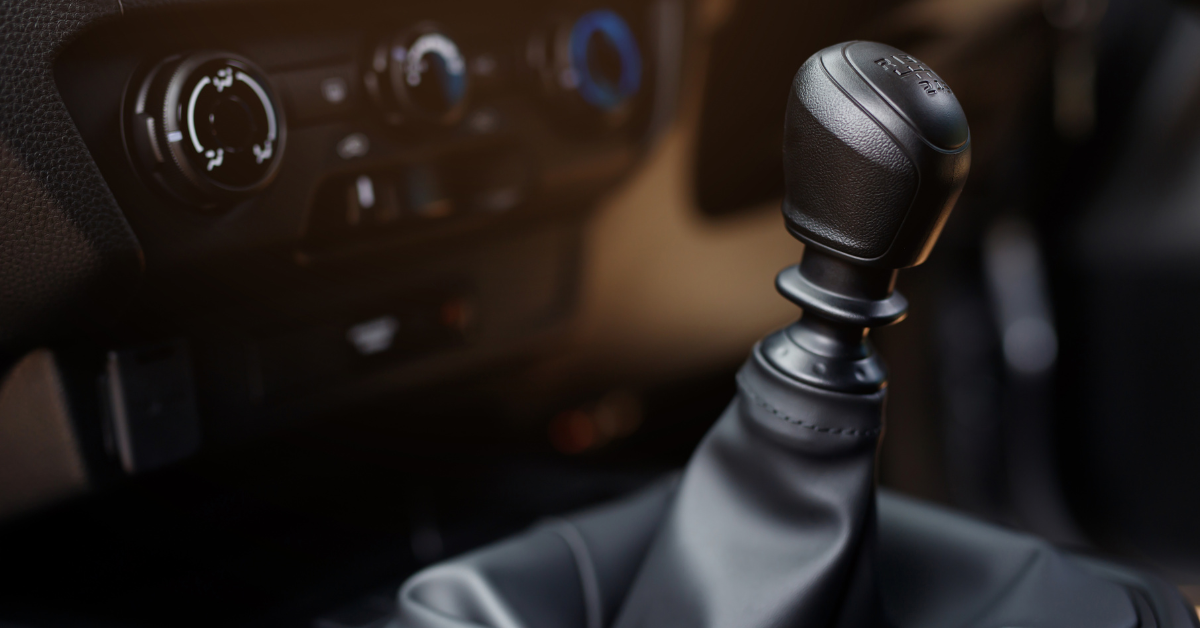
What Sport Mode Does
At its core, Sport Mode is an integrated vehicle setting designed to alter specific operational parameters of a car to enhance its performance characteristics. While the exact modifications can vary significantly between manufacturers and models, common adjustments include:
- Throttle Response: Often made more immediate and aggressive, meaning less pedal travel is required to achieve greater engine output. This provides a sensation of increased power and quicker acceleration.
- Transmission Shift Points: Automatic transmissions in Sport Mode typically hold gears longer, allowing the engine to rev higher before shifting. Downshifts also tend to be more aggressive, anticipating a need for power. This keeps the engine within its optimal power band, ready for spirited acceleration.
- Steering Feel: Many systems will increase the weight and feedback of the power steering, providing a more direct and connected feel to the road. This can enhance precision and driver confidence during dynamic maneuvers.
- Suspension Settings: Vehicles equipped with adaptive or active suspensions may stiffen the shock absorbers in Sport Mode, reducing body roll and improving handling stability, particularly during cornering.
- Engine Sound: Some cars, especially performance models, may even modify exhaust baffling or use active sound enhancement through the speakers to deliver a more aggressive engine note, adding to the sensory experience.
- Traction Control/Stability Control: In some sport modes, the thresholds for intervention from electronic stability and traction control systems may be slightly raised, allowing for a bit more slip before the systems engage. However, these systems are rarely fully disengaged for safety reasons in a standard Sport Mode setting.
These combined alterations transform the vehicle’s character, shifting it from an efficient daily commuter to a more spirited machine capable of quicker responses and a more engaging drive.
The Allure for Drivers in California
California, with its iconic scenic routes like Pacific Coast Highway and winding mountain roads, presents an undeniable appeal for drivers who appreciate a dynamic experience behind the wheel. The lifestyle of many California residents often involves extensive driving, whether for daily commutes, weekend getaways to destinations like Lake Tahoe or Palm Springs, or exploring national parks. For those who own vehicles equipped with Sport Mode, the feature offers an opportunity to inject an extra layer of enjoyment into their journeys. It can make merging onto busy freeways feel more confident, navigating winding canyon roads more exhilarating, or simply provide a more responsive feel during everyday driving. The promise of enhanced control and a more direct connection to the vehicle is a significant draw, contributing to a driving lifestyle that values both performance and pleasure. However, this allure must always be balanced with an understanding of the state’s stringent traffic laws and the paramount importance of safety.
Navigating California Road Laws: A Driver’s Primer
California is renowned for its comprehensive and often strict vehicle and traffic laws, designed to ensure safety and maintain order on its vast network of roads. For any driver, whether a lifelong resident or a visitor exploring the Golden State, understanding these regulations is not just a recommendation but a fundamental aspect of responsible driving. The question of Sport Mode’s legality ties directly into the broader framework of how vehicles are operated and how drivers are expected to behave on California roads.
General Driving Regulations in the Golden State
The bedrock of California’s driving laws is the California Vehicle Code (CVC), a massive compendium detailing everything from vehicle registration and licensing to specific traffic offenses. Key regulations that govern daily driving and are particularly relevant to discussions of vehicle performance include:
- Speed Limits: California has defined speed limits for various types of roads (e.g., 65-70 mph on freeways, 25 mph in residential areas). Exceeding these limits is a primary cause of citations and accidents.
- Right-of-Way Rules: Clear rules dictate who has the right-of-way at intersections, during merges, and when turning.
- Lane Usage: Regulations on lane changes, passing on the right, and the use of carpool lanes (HOV lanes) are strictly enforced.
- Distracted Driving: California has some of the toughest laws against distracted driving, particularly regarding cell phone use.
- DUI Laws: Driving under the influence of alcohol or drugs carries severe penalties.
The overarching principle of the CVC is to promote safe and orderly traffic flow. Any driving behavior or vehicle characteristic that undermines this principle can be subject to legal scrutiny.
Speed Limits and Reckless Driving Definitions
These two areas are particularly pertinent when considering the use of Sport Mode. Sport Mode, by design, makes a vehicle more capable of accelerating quickly and achieving higher speeds. While the mode itself does not inherently break the law, the driver’s actions while using it can easily lead to violations.
- Speed Limits: It is unequivocally illegal to exceed posted speed limits in California, regardless of your vehicle’s capabilities or settings. A car in Sport Mode might tempt a driver to accelerate more rapidly or maintain higher speeds, but the law remains constant. Enforcement is vigilant, especially in urban areas like Los Angeles or San Francisco and on major interstate highways like I-5.
- Reckless Driving: California Vehicle Code Section 23103 defines reckless driving as driving a vehicle “in willful or wanton disregard for the safety of persons or property.” This is a broad definition that can encompass a wide range of dangerous behaviors, including excessive speed, aggressive lane changes, weaving through traffic, or engaging in street racing. Even if a driver is within the speed limit, actions deemed unsafe by law enforcement can lead to a reckless driving charge, which is a misdemeanor with potentially severe penalties including fines, points on a driving record, license suspension, and even jail time.
The key takeaway is that the responsibility for adherence to traffic laws rests entirely with the driver, not the vehicle’s features. Sport Mode merely provides the means for a vehicle to respond differently; it does not absolve the driver of the obligation to operate their vehicle safely and legally. Engaging Sport Mode on a public road in a manner that leads to speeding, erratic driving, or any other dangerous behavior will be met with the full force of California law.
The Legality of Vehicle Features: Where Does Sport Mode Fit?
When discussing the legality of a specific vehicle feature like Sport Mode, it’s essential to distinguish between the feature itself and its misuse. In California, laws primarily regulate driver behavior and vehicle modifications that alter safety or emissions standards, rather than internal, manufacturer-designed operational modes. This distinction is crucial for understanding why Sport Mode is not inherently illegal.
Specific Laws Governing Car Modifications and Operations
California has a well-known reputation for strict laws concerning vehicle modifications, particularly those affecting emissions and safety. The California Air Resources Board (CARB) sets stringent standards for vehicle emissions, leading to complex regulations around aftermarket parts like catalytic converters, exhaust systems, and engine tuning. Modifications that increase noise levels beyond specified limits are also often illegal. On the safety front, alterations to braking systems, lighting, or structural components without meeting federal and state standards can lead to severe penalties.
These laws are designed to prevent vehicles from becoming environmentally unsound or dangerous to operate. However, Sport Mode, as designed by the original equipment manufacturer (OEM), does not fall into the category of an aftermarket modification. It is an intended operational mode, thoroughly tested and certified by the manufacturer to comply with all applicable safety and emissions regulations within its normal operating parameters.
Is “Sport Mode” a Modification?
No, generally speaking, Sport Mode is not considered an illegal modification under California law. When a vehicle leaves the factory with Sport Mode as an integrated feature, it has already passed all necessary regulatory hurdles for sale and operation in the state. It is an inherent capability of the vehicle, much like cruise control or a low-range gear setting in an off-road vehicle.
The term “modification” typically refers to changes made to a vehicle after its original manufacture, which can alter its design, performance, or compliance. Sport Mode is part of the vehicle’s original design and functionality. If a driver were to modify their vehicle’s engine control unit (ECU) or other systems to create a “Sport Mode” that drastically altered emissions, bypassed safety features, or resulted in excessive noise, then those modifications could be illegal. But the factory-installed Sport Mode itself is not.
Interpreting the California Vehicle Code
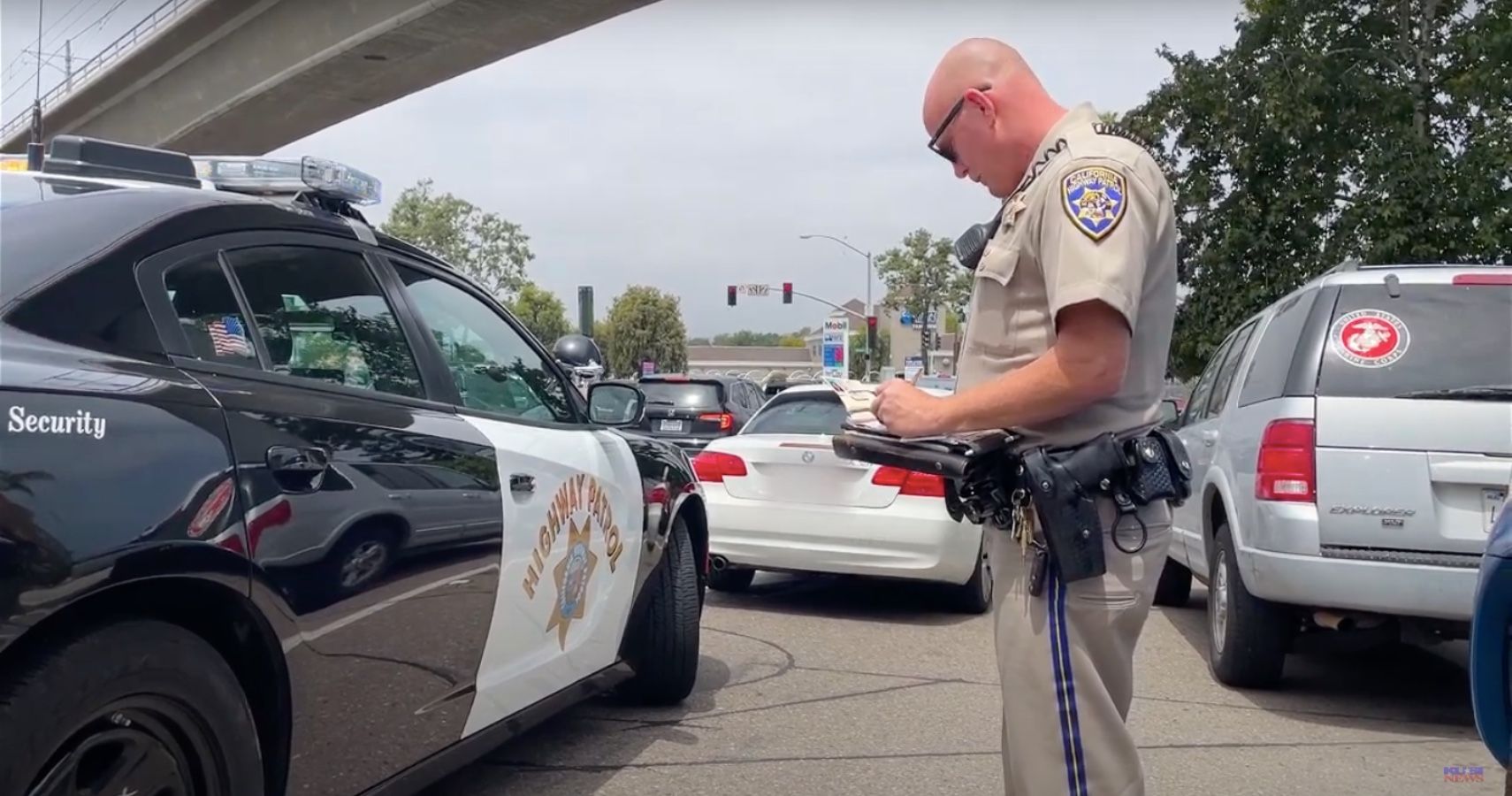
A thorough review of the California Vehicle Code (CVC) reveals no specific section that prohibits or even addresses the use of a “Sport Mode” setting in a vehicle. The CVC is concerned with observable actions and outcomes:
- Speeding (CVC 22350 et seq.): This prohibits driving at a speed greater than is reasonable or prudent, and exceeding posted limits.
- Reckless Driving (CVC 23103): This addresses driving with willful or wanton disregard for safety.
- Exhibition of Speed (CVC 23109): This law targets competitive speed driving or rapid acceleration in an attempt to impress.
- Unsafe Operation (Various Sections): Laws covering unsafe lane changes, following too closely, and other hazardous maneuvers.
None of these sections target the vehicle’s operational mode directly. Instead, they target the behavior of the driver. If activating Sport Mode leads a driver to violate speed limits, engage in reckless driving, perform an exhibition of speed, or otherwise operate their vehicle unsafely, then it is the driver’s actions that are illegal, not the vehicle’s capability to enter Sport Mode.
In essence, Sport Mode provides a tool. Like any tool, its legality hinges on its application. Using a hammer to build a house is legal; using it to vandalize property is not. Similarly, using Sport Mode responsibly on an appropriate stretch of road within legal limits is perfectly permissible. Using it to engage in illegal street racing on Sunset Boulevard or recklessly speed through Downtown San Diego would be illegal.
Responsible Driving Lifestyle in California
Embracing a lifestyle that includes driving a vehicle with Sport Mode capabilities in California comes with an inherent responsibility. While the feature itself is legal, its proper and ethical use is paramount to ensure safety, comply with regulations, and contribute positively to the driving environment. A truly engaging driving experience in the Golden State balances the thrill of performance with mindful operation and adherence to community standards.
Safety First: When and Where to Engage Sport Mode
The primary consideration for any driver using Sport Mode should always be safety—for themselves, their passengers, and other road users. Engaging Sport Mode is most appropriate in specific scenarios where the road conditions, traffic density, and legal parameters allow for it.
- Open Roads with Light Traffic: Winding country roads or empty stretches of highway, where visibility is good and there’s ample space, can provide opportunities to appreciate the enhanced responsiveness of Sport Mode within speed limits.
- Track Days or Sanctioned Events: The ideal and safest environment to fully explore the capabilities of Sport Mode and a vehicle’s performance is on a closed course, such as the WeatherTech Raceway Laguna Seca or Auto Club Speedway. These venues offer controlled environments free from public traffic and legal constraints, allowing drivers to push limits responsibly.
- Strategic Maneuvers: Briefly engaging Sport Mode can be beneficial for merging onto fast-moving freeways or executing quick, safe overtakes on multi-lane roads, where a surge of responsive power aids in critical maneuvers, provided all other traffic laws are observed.
Conversely, there are situations where Sport Mode should be avoided:
- Heavy Traffic and Congested Areas: The aggressive throttle response and heightened sensitivity can make smooth driving difficult and potentially lead to jerky movements, increasing the risk of rear-end collisions.
- Inclement Weather: Rain, fog, or icy conditions reduce tire grip. Sport Mode’s tendency to deliver power more aggressively can easily induce wheel spin or loss of control, even with modern traction control systems.
- Residential Areas and School Zones: These areas demand maximum caution and reduced speeds. The louder engine notes and increased responsiveness of Sport Mode are inappropriate and can be perceived as aggressive or disrespectful.
- Construction Zones: Areas with reduced speed limits and active workers require heightened attention and controlled speeds, making Sport Mode counterproductive.
A responsible driver understands that Sport Mode is a tool for enhanced performance, not an invitation to break the law or endanger others. The thrill should always be secondary to the safety of all individuals on the road.
Environmental Considerations and Emissions
While Sport Mode itself doesn’t inherently violate California’s strict emissions standards, its use can influence a vehicle’s environmental footprint. When a car operates in Sport Mode, it typically burns more fuel to achieve its higher performance output. Engines running at higher RPMs and with richer fuel mixtures, while still within legal limits for an OEM vehicle, will consume more gasoline and consequently produce more exhaust emissions per mile than they would in a more economical “Eco” or “Normal” mode.
For environmentally conscious drivers in California, where air quality is a significant concern in metropolitan areas like the San Joaquin Valley, it’s worth considering the cumulative impact. While an occasional spirited drive in Sport Mode is unlikely to significantly alter one’s overall emissions profile, making it a default for all driving could lead to increased fuel consumption and higher emissions over time. A balanced approach would involve using Sport Mode judiciously and defaulting to more fuel-efficient modes for daily commuting or extended highway cruises.
Cultivating a Mindful Driving Experience
The driving lifestyle in California can be incredibly diverse, from navigating the bustling freeways of Southern California to cruising through the serene vineyards of Napa Valley. Incorporating Sport Mode into this lifestyle should be part of a mindful approach to driving. This means:
- Awareness: Constantly being aware of your surroundings, traffic conditions, road surfaces, and the behavior of other drivers.
- Anticipation: Planning maneuvers in advance and understanding how your vehicle will respond in Sport Mode.
- Respect for the Law: Upholding speed limits, following traffic signals, and yielding right-of-way, regardless of the vehicle’s performance capabilities.
- Courtesy: Practicing defensive driving and demonstrating respect for other road users, avoiding aggressive or intimidating driving habits.
- Environmental Stewardship: Considering fuel efficiency and emissions when choosing driving modes, especially for routine travel.
A mindful driving experience with Sport Mode is about leveraging technology to enhance driving pleasure without compromising safety, legal compliance, or environmental responsibility. It’s about enjoying the machine without letting it dictate reckless behavior.
Dispelling Myths and Embracing the California Drive
The topic of vehicle legality, especially concerning performance features, is often shrouded in misconceptions. For drivers in California, understanding the reality behind these myths is crucial for enjoying their vehicles responsibly and without undue concern. The essence of navigating California’s diverse driving landscape, from bustling urban centers to sweeping coastal roads, lies in informed decision-making and a commitment to safe, lawful operation.
Common Misconceptions About Vehicle Legality
One of the most persistent myths is that certain vehicle performance features, like Sport Mode, are inherently illegal because they enable a car to drive faster or more aggressively. As discussed, this is fundamentally untrue for OEM-installed features. The illegality arises from the driver’s actions, not the car’s capabilities.
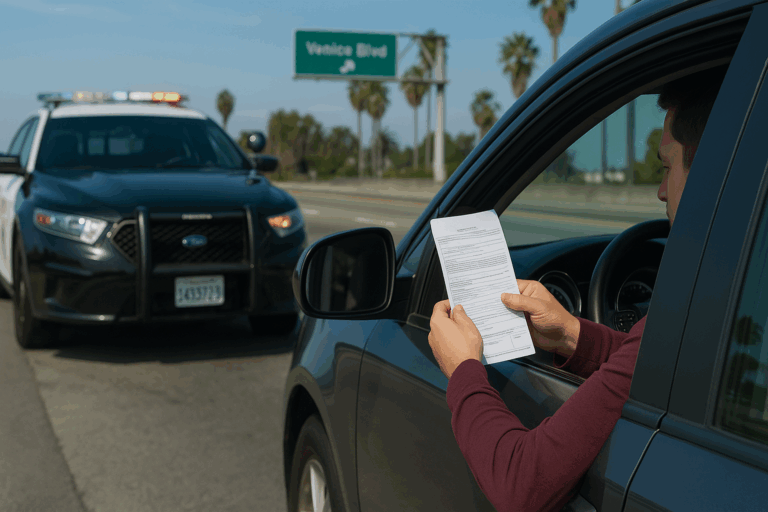
Another misconception is that police officers can issue tickets specifically for using Sport Mode. This is false. A police officer might pull over a driver exhibiting dangerous behavior—such as speeding, weaving through traffic, or rapid acceleration that constitutes exhibition of speed—and the vehicle being in Sport Mode might contribute to that behavior. However, the citation would be for the traffic violation (e.g., speeding, reckless driving), not for merely engaging a factory-designed driving mode. The mode itself is not the offense.
Similarly, there’s often confusion about “racing laws.” While California has strict laws against street racing and exhibitions of speed, simply having Sport Mode engaged does not constitute street racing. Racing involves competition against another vehicle or testing the limits of speed/acceleration. A solo drive in Sport Mode, even if spirited, is not racing unless it fits the legal definition of competing or showing off speed in a dangerous manner.
The Future of Driving Dynamics and Regulations
As automotive technology continues to advance, vehicles will offer even more sophisticated driving modes and autonomous features. This evolution will inevitably prompt ongoing discussions about regulation and driver responsibility. Future vehicles might feature adaptive cruise control with “sport” settings, enhanced semi-autonomous driving modes, or even integrated performance telemetry systems.
The underlying principle for California’s legal framework is likely to remain focused on safety, environmental protection, and the prevention of reckless behavior. It’s improbable that the state will begin to outlaw specific, manufacturer-installed driving modes that enhance performance, so long as those modes operate within established safety and emissions parameters. Instead, the emphasis will continue to be on how drivers utilize these technologies.
For the California driver, this means a continuous need for education and adaptation. Staying informed about changes in the California Vehicle Code, understanding the capabilities and limitations of their vehicles, and consistently prioritizing safe and lawful driving practices will be key. The lifestyle of driving in California is rich with opportunity for exploration and enjoyment. Sport Mode is a feature that can enhance that experience, provided it is approached with respect for the road, the law, and the safety of everyone sharing it. It’s about harnessing technology responsibly to make every journey in the Golden State both exhilarating and legitimate.
LifeOutOfTheBox is a participant in the Amazon Services LLC Associates Program, an affiliate advertising program designed to provide a means for sites to earn advertising fees by advertising and linking to Amazon.com. Amazon, the Amazon logo, AmazonSupply, and the AmazonSupply logo are trademarks of Amazon.com, Inc. or its affiliates. As an Amazon Associate we earn affiliate commissions from qualifying purchases.