
Navigating Waste Disposal as a Tourist in California
For the environmentally conscious traveler, understanding the local waste disposal practices is an essential part of responsible tourism. California, known for its progressive environmental policies and stunning natural landscapes, often sets high standards for sustainability. However, one common material frequently encountered by tourists – from takeout containers to packaging – presents a particularly tricky question: is Styrofoam recyclable in the Golden State? The short answer is complex, varying significantly by location and type, requiring visitors to be informed and proactive. Embracing sustainable practices during your travels in California not only respects the local environment but also contributes to the state’s broader conservation efforts, ensuring its beauty endures for future generations of explorers.
The Complication of Styrofoam
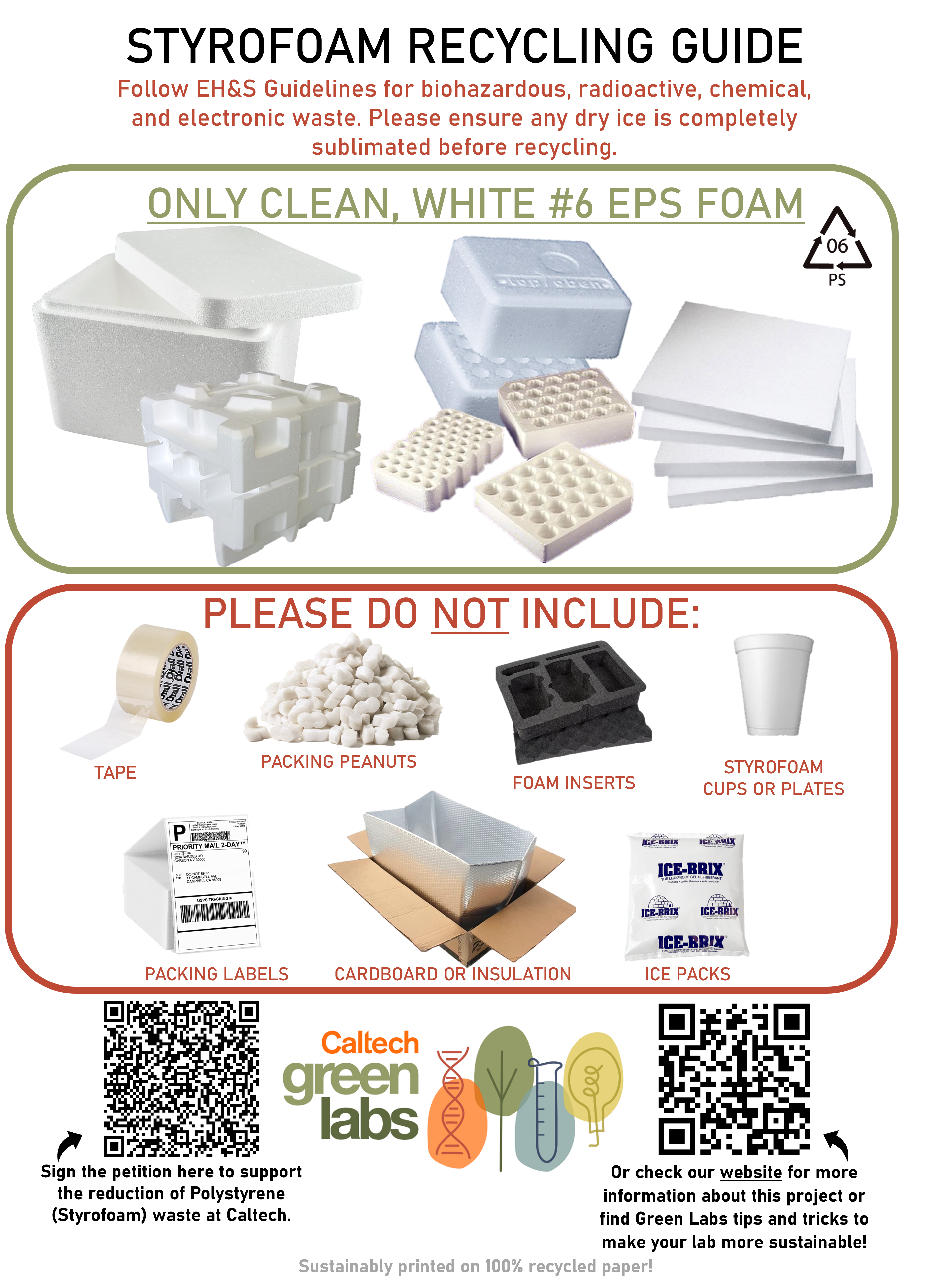
Styrofoam, a brand name for expanded polystyrene (EPS) foam, is ubiquitous due to its insulating and protective properties. While incredibly useful, its lightweight, bulky nature and contamination risks make it a challenge for traditional recycling streams. Unlike many plastics, EPS often requires specialized processing, which is not universally available. For tourists enjoying California’s diverse culinary scene or purchasing souvenirs, encountering Styrofoam is almost inevitable. Disposing of it incorrectly can lead to landfill accumulation, where it persists for hundreds of years. Therefore, knowing the nuances of Styrofoam recycling in different parts of the state is not just a matter of compliance, but a commitment to minimizing one’s ecological footprint.
General Recycling Principles for Visitors
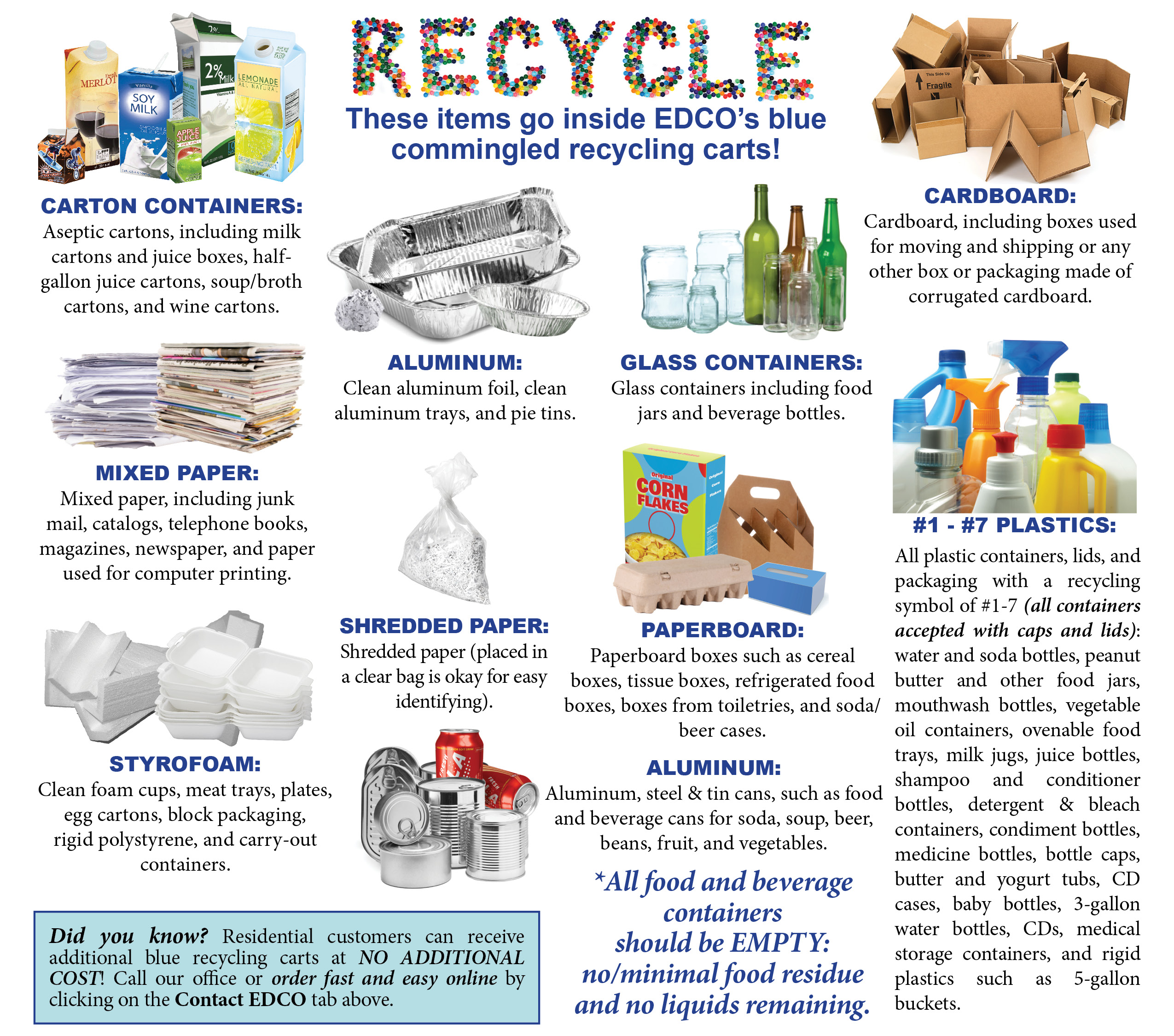
As a visitor to California, adopting a “reduce, reuse, recycle” mindset is paramount. Most municipalities offer robust recycling programs for common materials like aluminum cans, glass bottles, and various plastics (PET and HDPE). Blue bins are standard for commingled recyclables, while green bins are typically for organics (food waste and yard waste). Black bins are reserved for non-recyclable refuse. However, Styrofoam rarely fits neatly into these general categories. The best practice for tourists is to assume that general curbside or public recycling bins do not accept Styrofoam unless explicitly stated otherwise. When in doubt, it’s always better to err on the side of caution and research local guidelines or opt for alternatives if possible. This mindful approach helps prevent contamination of otherwise recyclable materials, which can lead to entire loads being sent to landfills.
The California Landscape of Styrofoam Recycling
California’s approach to waste management is highly decentralized, with individual cities and counties dictating their own recycling programs. This localized control means that what might be acceptable in San Francisco could be entirely different in Los Angeles or a smaller, rural community. For Styrofoam specifically, the situation is even more fragmented. While the state has banned certain types of polystyrene foodware in some jurisdictions and encourages alternatives, a statewide ban on all Styrofoam remains elusive, leaving recycling capabilities in a patchwork pattern across the state.
EPS vs. XPS Styrofoam
It’s crucial to distinguish between different types of polystyrene when discussing recycling. The term “Styrofoam” commonly refers to Expanded Polystyrene (EPS), which is the rigid, white, beaded foam found in coffee cups, takeout containers, and protective packaging. Extruded Polystyrene (XPS), on the other hand, is denser, often colored foam used for insulation boards. While both are polystyrene, their recycling processes can differ. Most specialized recycling programs, where they exist, target EPS foam packaging. Food-soiled EPS is often more challenging to recycle due to contamination, even if a facility accepts clean EPS. As a tourist, knowing this distinction can help you identify what might be recyclable versus what is almost certainly destined for the landfill. Always ensure any accepted EPS is clean and dry.
Local Variations and Curbside Programs
The vast majority of curbside recycling programs in California do not accept EPS foam. The reasons are primarily economic and logistical: EPS is lightweight and bulky, making it costly to transport; it can easily break into small pieces, contaminating other recyclables; and it requires specialized densifying equipment to make it viable for reprocessing. Cities like Los Angeles and San Francisco generally exclude EPS from their residential and commercial curbside programs. Even in areas with advanced recycling infrastructure, EPS is often explicitly listed as a non-recyclable material for residential collection. Tourists staying in hotels or vacation rentals should always check the local waste management guidelines provided by their accommodation or look for signage on bins. In many cases, if it’s Styrofoam, it goes in the trash.
Drop-Off Centers and Specialized Programs
Despite the challenges, some progress has been made, primarily through specialized drop-off centers and private initiatives. Certain communities or waste management companies, such as Republic Services or Waste Management, operate facilities that specifically accept clean EPS foam packaging. These centers usually have specific requirements, such as removing all tape, labels, and foreign materials, and only accepting certain types of foam (e.g., no packing peanuts, no food-soiled items). For example, some counties in the Bay Area or near Sacramento might have such facilities. Finding these can require a bit of research, typically by visiting the local city or county public works website or contacting their waste management division. For a tourist, this often means making a special trip, which might not always be feasible, underscoring the importance of avoiding Styrofoam in the first place.

Practical Tips for Responsible Tourists
As a responsible tourist exploring the diverse landscapes of California, your actions can make a tangible difference in supporting the state’s environmental goals. While the complexities of Styrofoam recycling can be daunting, a proactive and informed approach ensures your visit contributes positively to the local environment rather than adding to its waste challenges.
Avoiding Styrofoam Purchases
The most effective strategy for managing Styrofoam waste as a tourist is to prevent its acquisition entirely. This approach aligns perfectly with the principles of sustainable travel. When ordering takeout from a local eatery, politely ask if they offer non-Styrofoam containers, such as those made from compostable materials or cardboard. Many establishments, especially in environmentally conscious California cities, are increasingly offering such alternatives. For beverages, carry a reusable coffee cup or water bottle to avoid single-use foam or plastic cups. When shopping for groceries or souvenirs, opt for items with minimal packaging or those packaged in easily recyclable materials. If you need to pack items for travel, consider using reusable cloth bags, blankets, or even clothing instead of Styrofoam peanuts or blocks. This mindful consumption reduces your reliance on problematic materials and subtly encourages businesses to adopt more sustainable practices.
Proper Disposal When Unavoidable
Despite best efforts, you might occasionally find yourself with Styrofoam waste. In such cases, informed disposal is crucial. First, assume that Styrofoam is NOT accepted in general recycling bins (blue bins) unless there is clear, explicit signage indicating otherwise. Placing Styrofoam in a general recycling bin can contaminate the entire batch, rendering otherwise recyclable materials unusable and diverting them to landfills. If you have clean, dry EPS foam packaging (like electronics packaging), research local drop-off centers. Many city and county waste management websites in California provide directories for specialized recycling facilities. However, be prepared that these centers might not be conveniently located for a casual visitor, or they may have specific hours of operation. For food-soiled Styrofoam, such as takeout containers, the unfortunate reality is that it almost always belongs in the general waste bin (black bin). It cannot be cleaned sufficiently for recycling, and attempting to recycle it will only lead to contamination.
Utilizing Local Resources and Apps
To navigate the intricacies of California’s waste management systems, tourists can leverage several resources. The official websites of cities like San Francisco, Los Angeles, or the specific county you are visiting, are excellent starting points. They often have detailed “A-Z Waste Guides” or recycling locators. Additionally, several popular apps are designed to help users find recycling facilities for specific materials. Apps like “RecycleNation” or “iRecycle” can be invaluable tools, providing location-based information on where to responsibly dispose of various items, including, in some cases, Styrofoam. When checking into your accommodation, inquire about their specific recycling policies; many hotels and vacation rentals have dedicated staff who can provide guidance. Engaging with these resources not only ensures proper disposal but also deepens your understanding of California’s commitment to environmental stewardship.
Beyond Styrofoam: Broader Sustainable Tourism in California
While Styrofoam recycling is a specific concern, it represents just one facet of sustainable tourism. California’s commitment to a greener future extends far beyond waste management, encompassing everything from energy consumption to local conservation efforts. As a visitor, embracing a broader perspective on sustainability enhances your travel experience and aligns your journey with the values of this progressive state.
Supporting Eco-Friendly Businesses
One of the most impactful ways to practice sustainable tourism in California is by consciously choosing businesses that prioritize environmental responsibility. Look for hotels, tour operators, restaurants, and shops that openly promote eco-friendly practices. Many establishments are certified by organizations like Green Seal or have their own visible sustainability initiatives, such as using renewable energy, conserving water, sourcing local organic produce, or minimizing waste. By patronizing these businesses, you’re not only enjoying their services but also directly supporting the local green economy and reinforcing demand for sustainable practices. Researching ahead of time can help you identify these ethical choices, turning your spending into an investment in California’s ecological well-being.
Reducing Overall Waste
Beyond specific materials like Styrofoam, a general commitment to waste reduction makes a significant difference. Carry reusable bags for shopping, pack a portable water filter bottle, and bring your own toiletries in refillable containers. When dining out, consider the portion sizes to minimize food waste, or bring your own reusable container for leftovers. Opt for digital tickets and guides instead of printed materials. Every small decision to reduce what you consume and discard collectively lightens the burden on local landfills and recycling systems. This holistic approach to waste management showcases a deep respect for the destination and its resources, contributing to a cleaner, more sustainable travel ecosystem.
Engaging with California’s Green Initiatives
California is at the forefront of many environmental movements and conservation efforts. Tourists can actively engage with these initiatives to deepen their understanding and contribute to the state’s green goals. Visit state parks and natural reserves, adhering strictly to “Leave No Trace” principles. Participate in local beach clean-ups or community volunteer days if your itinerary allows. Educate yourself on California’s water conservation efforts, especially during drought periods, and conserve water during your stay. By understanding and respecting the local environmental policies and initiatives, visitors become more than just observers; they become temporary stewards of California’s’s precious natural heritage, leaving a positive legacy long after their trip concludes.
LifeOutOfTheBox is a participant in the Amazon Services LLC Associates Program, an affiliate advertising program designed to provide a means for sites to earn advertising fees by advertising and linking to Amazon.com. Amazon, the Amazon logo, AmazonSupply, and the AmazonSupply logo are trademarks of Amazon.com, Inc. or its affiliates. As an Amazon Associate we earn affiliate commissions from qualifying purchases.