
The mention of “sushi” often conjures images of delicate, artfully arranged seafood, a culinary tradition steeped in centuries of Japanese heritage. Yet, for many across the globe, especially in the United States and beyond, the first taste of sushi often comes in a less traditional form: the beloved California Roll. This seemingly simple roll, an ingenious fusion of East and West, has transcended its humble beginnings to become a global culinary icon, a gateway to the broader world of Japanese cuisine, and a staple on menus from casual eateries to upscale dining experiences. For travelers exploring the diverse food scenes of destinations like Los Angeles, understanding the California Roll isn’t just about identifying its ingredients; it’s about appreciating its cultural significance, its role in shaping modern tourism trends, and its place in the vibrant tapestry of global food culture.
For those planning their next adventure, whether it’s a gastronomic tour through the bustling cities of the Golden State or a dive into the local culture of any major metropolitan area, the California Roll offers a fascinating starting point. It’s a dish that perfectly encapsulates the themes of travel, local culture, food exploration, and lifestyle, making it an ideal subject for anyone seeking authentic experiences. From the bustling streets of Little Tokyo in Los Angeles where it reputedly originated, to the array of culinary delights found near world-class hotels and luxurious resorts, this iconic roll provides a delicious lens through which to view American ingenuity and the evolving palate of international tourism. Let’s embark on a journey to discover the heart of this iconic dish, delving into its ingredients, its fascinating history, and its enduring appeal.

The Anatomy of an Icon: Deconstructing the California Roll
At its core, the California Roll is a masterpiece of accessibility and flavor balance, meticulously crafted to appeal to a wide range of palates, including those initially hesitant about raw fish. Unlike many traditional Japanese sushi rolls, the California Roll typically features cooked or imitation seafood, making it an approachable entry point into the world of sushi. This innovative approach to ingredients and presentation is precisely what cemented its place in culinary history and contributed significantly to its global success.
A Symphony of Simple Ingredients
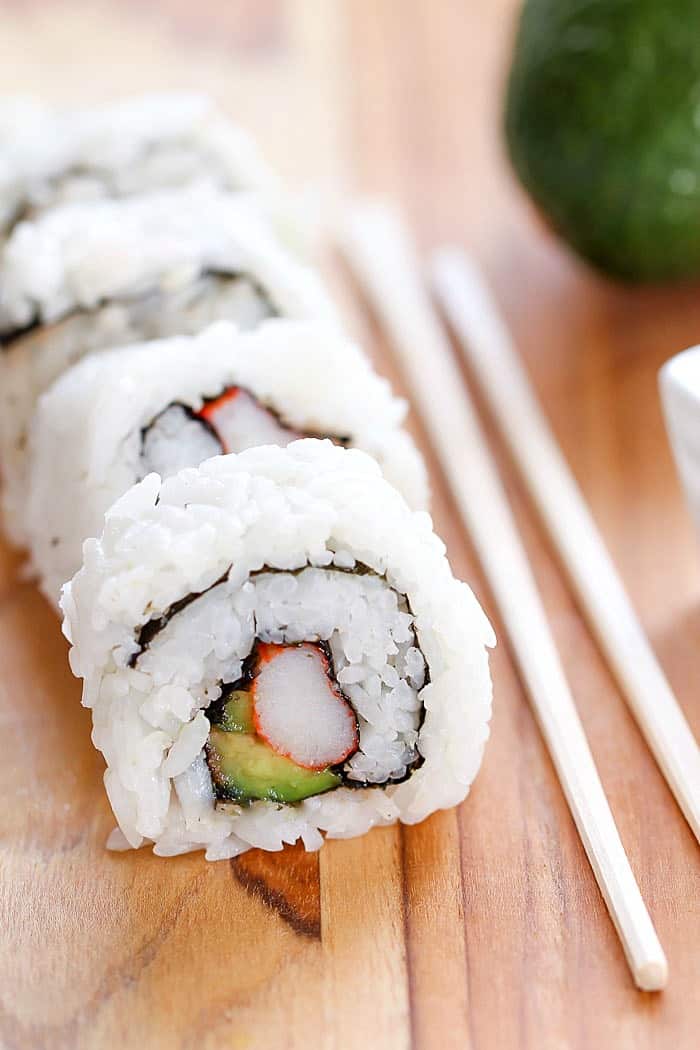
The beauty of the California Roll lies in its elegant simplicity. While variations abound, the classic composition relies on a handful of key components that create a harmonious blend of textures and tastes:
- Sushi Rice: The foundation of any sushi roll, the short-grain white rice is seasoned with a delicate mixture of rice vinegar, sugar, and salt. This gives it a slightly sweet, tangy, and subtly sticky quality, crucial for holding the roll together and providing a comforting base. The preparation of perfect sushi rice is an art form in itself, a testament to the dedication found in the best Japanese eateries, whether they are humble local spots or Michelin-starred restaurants often found in vibrant tourist destinations.
- Nori (Seaweed): Traditionally, nori wraps the ingredients on the outside of a sushi roll. However, one of the defining characteristics of the California Roll is its uramaki or “inside-out” style, where the nori is on the inside, protecting the inner fillings and making the roll more visually appealing and palatable for those unfamiliar with the texture of seaweed. This inversion was a stroke of genius, addressing a common apprehension among Western diners.
- Avocado: Perhaps the most “Californian” ingredient, ripe avocado lends a creamy, buttery texture and a subtle, nutty flavor to the roll. Its rich mouthfeel contrasts beautifully with the other components and contributes to the roll’s satisfying heft. California is, after all, a major producer of avocados, making this a locally inspired and readily available addition. The inclusion of avocado was a daring departure from traditional sushi but proved to be a masterstroke in appealing to local tastes.
- Cucumber: Providing a refreshing crunch and a clean, crisp counterpoint to the avocado, julienned cucumber is an essential element. Its cool, watery nature cleanses the palate and adds a vital textural dimension, preventing the roll from becoming too heavy.
- Crab Meat (or Imitation Crab): Here lies one of the most significant deviations from traditional Japanese sushi. While some upscale versions may feature fresh crab, the vast majority of California Rolls use surimi, or imitation crab meat. This processed seafood product, typically made from white fish like pollock, offers a mild, slightly sweet flavor and a flaky texture that mimics crab, without the cost or perceived challenge of preparing fresh seafood. This choice made the roll more accessible and affordable, democratizing sushi for a wider audience.
- Toppings (Optional but Common): Many California Rolls are rolled in toasted sesame seeds, adding a nutty aroma and a pleasant texture. Others might feature a sprinkle of masago (capelin roe) or tobiko (flying fish roe) for a burst of color and a subtle oceanic pop, elevating the visual appeal and adding another layer of flavor.
The Inside-Out Revolution: Uramaki Style
The uramaki style, with the rice on the outside and the nori on the inside, is not unique to the California Roll, but it was its widespread adoption that popularized this technique in the Western world. This innovation is largely credited to Japanese chefs working in Los Angeles in the 1960s or 70s. The story goes that some Western diners were put off by the dark, chewy texture of the nori on the exterior of traditional makizushi. By inverting the roll, chefs made sushi visually less intimidating and texturally more agreeable, allowing the vibrant colors of the rice and toppings to take center stage. This simple yet profound change was a turning point, not just for the California Roll, but for the global perception and acceptance of sushi as a mainstream culinary offering. It exemplifies how cultural adaptation can transform a niche product into a globally beloved dish, a fascinating case study for those interested in local culture and food trends during their travels.

A Culinary Journey: The Origins and Evolution of the California Roll
The story of the California Roll is a testament to culinary innovation, cross-cultural exchange, and the dynamic nature of food traditions. Its genesis in the vibrant, multicultural environment of California cemented its status as a symbol of fusion cuisine, profoundly influencing how sushi is perceived and consumed worldwide. This narrative is a compelling highlight for any travel guide focusing on culinary experiences or the evolution of food culture in major destinations.
From Little Tokyo to Global Phenomenon: The Birth of a Legend
While the exact origins are debated, the most widely accepted theory attributes the creation of the California Roll to Japanese chefs in Los Angeles in the late 1960s or early 1970s. One prominent claim points to Ichiro Mashita, a chef at the Tokyo Kaikan restaurant in Little Tokyo, Los Angeles. Faced with the challenge of sourcing fresh tuna during certain seasons and encountering diners who were hesitant about raw fish, Ichiro Mashita began experimenting. He reputedly substituted tuna with cooked crab meat and, crucially, added avocado, which provided a similar fatty texture and rich flavor profile to tuna belly.
Another contender for the roll’s invention is Hidekazu Tojo, a chef in Vancouver, Canada, who claims to have created a similar inside-out roll with crab and avocado around the same time, naming it the “Tojo-maki.” Regardless of the precise individual or location, the consensus is that the roll emerged from a desire to adapt Japanese sushi to American palates, making it more appealing and accessible. This adaptability and willingness to innovate became a hallmark of the California Roll’s journey from a local specialty to an international sensation.
The initial success of the California Roll in Southern California was swift. Its mild flavors, absence of raw fish, and attractive presentation quickly won over a diverse clientele. It became a staple in Japanese restaurants across the state, then spread rapidly to other major American cities like New York and eventually across the globe. This organic growth, driven by consumer demand and culinary ingenuity, highlights how local food innovations can become global phenomena, offering a fascinating perspective for travelers interested in culinary history and the impact of tourism on food trends.
Beyond the Traditional: Its Influence on Global Sushi Culture
The California Roll did more than just introduce sushi to a new audience; it fundamentally altered the trajectory of sushi cuisine outside of Japan. Before its advent, sushi was largely viewed as an exotic, niche food. The California Roll helped demystify it, proving that sushi could be innovative, adaptable, and deliciously accessible.
This trailblazing roll paved the way for an explosion of “fusion” sushi rolls, many of which draw inspiration from local ingredients and cultural preferences. From spicy tuna rolls to rainbow rolls and tempura rolls, the California Roll demonstrated that the format of sushi — seasoned rice, nori, and fillings — was incredibly versatile. It encouraged chefs to experiment with a myriad of ingredients, from cream cheese and smoked salmon to various sauces and vegetables, creating an entirely new category of sushi that is now ubiquitous worldwide.
For those on a culinary journey, the prevalence of these fusion rolls, directly influenced by the California Roll, speaks volumes about a destination’s openness to cultural exchange and innovation. When visiting cities known for their diverse food scenes, such as San Francisco or San Diego, one can observe countless variations on sushi, each a descendant of that original Californian ingenuity. This makes exploring local sushi spots not just a meal, but an engaging experience in tracing culinary lineages and appreciating global gastronomic trends, aligning perfectly with the “Experiences” aspect of travel.
Experiencing the California Roll as a Traveler
For any traveler, food is an integral part of understanding a destination’s culture and identity. The California Roll, born from the innovative spirit of its namesake state, offers a delicious avenue for exploration. Whether you’re a seasoned foodie or a casual diner, seeking out this iconic roll can lead to delightful discoveries and authentic local experiences. It ties directly into the “Tourism” aspects of local culture and food, and enriches any “Lifestyle” travel experience, be it luxury or budget-conscious.
Where to Savor the Best California Rolls Across the Golden State
When traversing the Golden State, finding a California Roll is rarely a challenge; it’s practically a culinary landmark in itself. However, finding exceptional ones requires a bit of discernment.
- Los Angeles: The Birthplace Exploration: Start your culinary quest in Los Angeles, particularly in historic areas like Little Tokyo or Koreatown. Here, you’ll find a spectrum of Japanese restaurants, from venerable establishments that might have served some of the earliest California Rolls to trendy, modern sushi bars in neighborhoods like Beverly Hills or West Hollywood. Look for restaurants that emphasize fresh, high-quality ingredients, especially if they use real crab meat instead of imitation. Many hotels in these areas boast concierge services that can point you to hidden gems or popular spots for authentic culinary experiences, enhancing your travel and accommodation choices.
- San Francisco: Coastal Innovation: In Northern California’s vibrant city of San Francisco, the sushi scene is equally diverse. Given its proximity to fresh Pacific seafood, many sushi chefs here pride themselves on using sustainable, local ingredients. You might find elevated versions of the California Roll, perhaps with Dungeness crab or artisanal avocado. Exploring the Ferry Building Marketplace or specific neighborhoods known for their culinary prowess can yield fantastic results.
- San Diego: Laid-back Delights: Further south, San Diego’s relaxed atmosphere and strong connection to the ocean mean fresh seafood is always abundant. Sushi spots, from casual beachside cafes to upscale Gaslamp Quarter restaurants, often feature the California Roll prominently. It’s an ideal spot to enjoy a roll after a day of exploring San Diego’s attractions or relaxing near your resort.
- Beyond the Major Cities: Even in smaller, charming towns along the California coast, like Santa Barbara, or inland gastronomic regions like Napa Valley, you’ll encounter sushi restaurants that offer their unique spin on the California Roll. These local establishments often provide a more intimate dining experience, reflecting the specific character of their community.
When choosing where to dine, consider reviews and local recommendations. Many travel guides and online platforms provide insights into a restaurant’s reputation for freshness and quality, ensuring your culinary journey is as satisfying as the destination itself.
The California Roll and Your Culinary Travel Itinerary
Integrating the California Roll into your travel itinerary is a delightful way to experience the local culture and food scene.
- Casual Lunch or Snack: It’s perfect for a light, refreshing lunch between sightseeing adventures. Whether you’re exploring the historic landmarks of Los Angeles or strolling through the vibrant districts of San Francisco, a California Roll provides a quick, satisfying, and relatively healthy meal option. Many hotels and resorts, recognizing its popularity, even feature it on their room service menus or at their in-house dining establishments, offering convenient access to this beloved dish.
- Gateway to Broader Sushi Exploration: For those new to sushi, the California Roll serves as an excellent introduction. Its familiar flavors and textures can build confidence to try more adventurous rolls or traditional nigiri and sashimi. Consider a sushi-making class as an activity, an immersive experience that allows you to learn the art of preparing this iconic roll and other sushi varieties, adding an unforgettable dimension to your travel experiences.
- Food Tours and Local Eateries: Seek out food tours in major cities that highlight local culinary innovations. Many will include a stop at a sushi restaurant, where the California Roll’s history and significance can be discussed in context. Alternatively, simply exploring local eateries away from tourist traps often reveals the most authentic and beloved versions of the roll, giving you a taste of the true local lifestyle.
- Pairing with Local Beverages: Enhance your California Roll experience by pairing it with local beverages. In California, this could mean a crisp local white wine from a nearby vineyard, a craft beer from one of the state’s many microbreweries, or even a sake, reflecting the roll’s Japanese heritage. This elevates the meal from simply eating to a holistic cultural experience, marrying “Food” and “Local Culture” beautifully.
Beyond the Plate: The California Roll’s Place in American Culinary Identity
The California Roll is more than just a dish; it’s a cultural phenomenon that has profoundly impacted American culinary identity and its relationship with international cuisine. It stands as a testament to the power of adaptation, innovation, and multiculturalism in shaping global food trends.
Its story is one of bridging gaps: between cultures, between culinary traditions, and between hesitant diners and the exotic world of sushi. It proved that foreign foods could be successfully reinterpreted and embraced by a broader audience without losing their essence, creating entirely new categories of dishes that reflect a globalized palate. This dynamic interaction between traditional and modern, local and global, is a key element for any traveler interested in the evolving landscape of food and tourism.
As you plan your next trip, whether it involves exploring grand landmarks, staying in luxurious accommodations, or simply seeking out the best local eateries, consider the California Roll not just as an item on a menu, but as a symbol of culinary ingenuity. It’s a delicious reminder that food is a universal language, capable of transcending borders and creating new traditions that continue to delight and inspire. So, the next time you find yourself craving this familiar yet exotic treat, take a moment to appreciate the journey of what truly is in a California Roll — a perfect blend of history, innovation, and global appeal, wrapped up in a delightful, inside-out package.
LifeOutOfTheBox is a participant in the Amazon Services LLC Associates Program, an affiliate advertising program designed to provide a means for sites to earn advertising fees by advertising and linking to Amazon.com. Amazon, the Amazon logo, AmazonSupply, and the AmazonSupply logo are trademarks of Amazon.com, Inc. or its affiliates. As an Amazon Associate we earn affiliate commissions from qualifying purchases.