
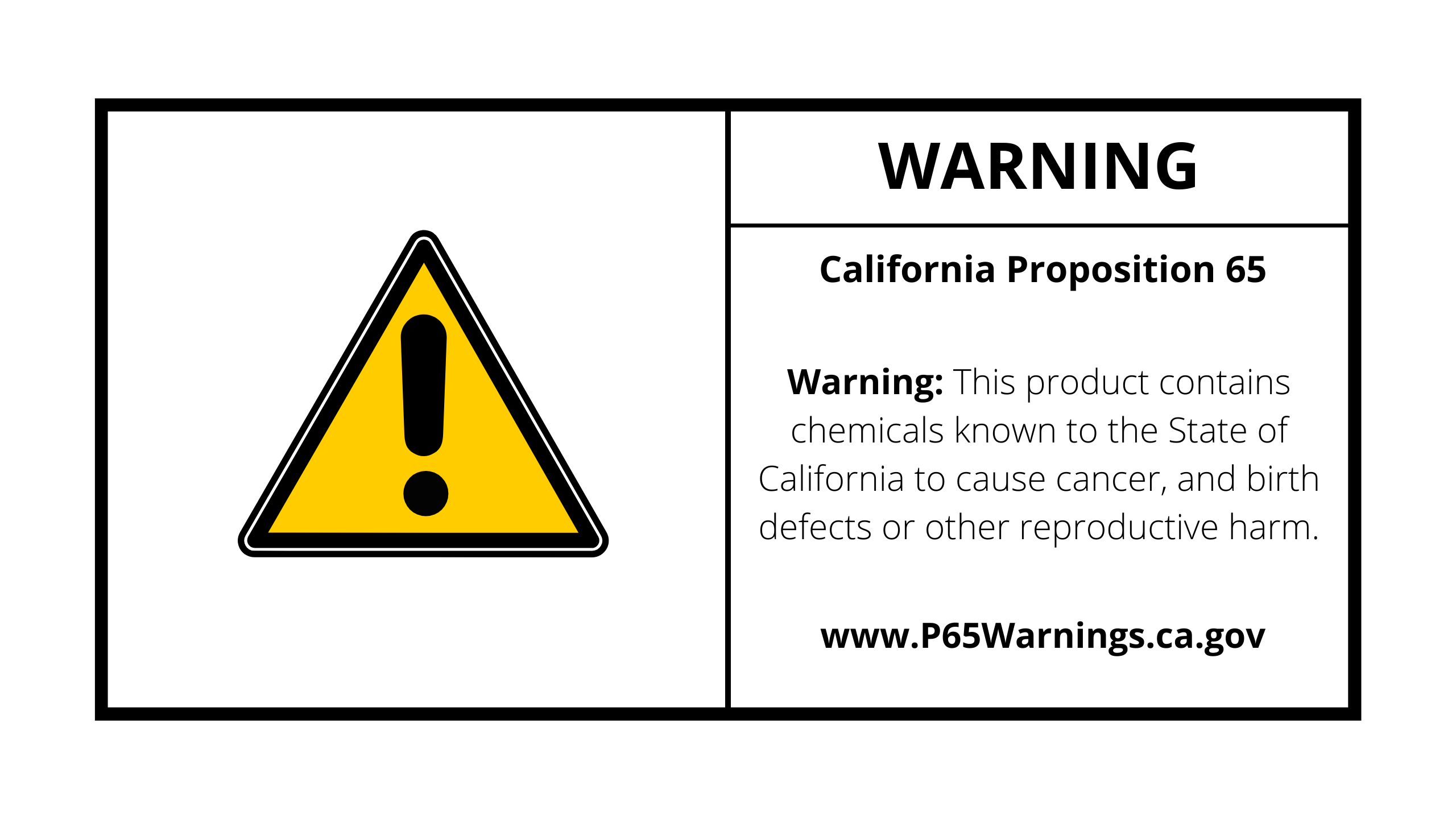
A trip to California promises an unparalleled blend of vibrant cities, breathtaking natural landscapes, and a distinctive culture. From the golden beaches of San Diego to the iconic Golden Gate Bridge in San Francisco, and the entertainment capital of Los Angeles, the state offers an incredible diversity of experiences for every type of traveler. However, many visitors often encounter ubiquitous signs bearing a warning about cancer and reproductive harm, leading to understandable confusion and sometimes, concern. These signs, often accompanied by the phrase “Proposition 65,” are a unique aspect of navigating public and commercial spaces within California. For tourists, understanding what these warnings truly signify is crucial to enjoying a worry-free visit, distinguishing between genuine risks and the broader implications of a state-specific regulatory framework.
Understanding Proposition 65 for Tourists
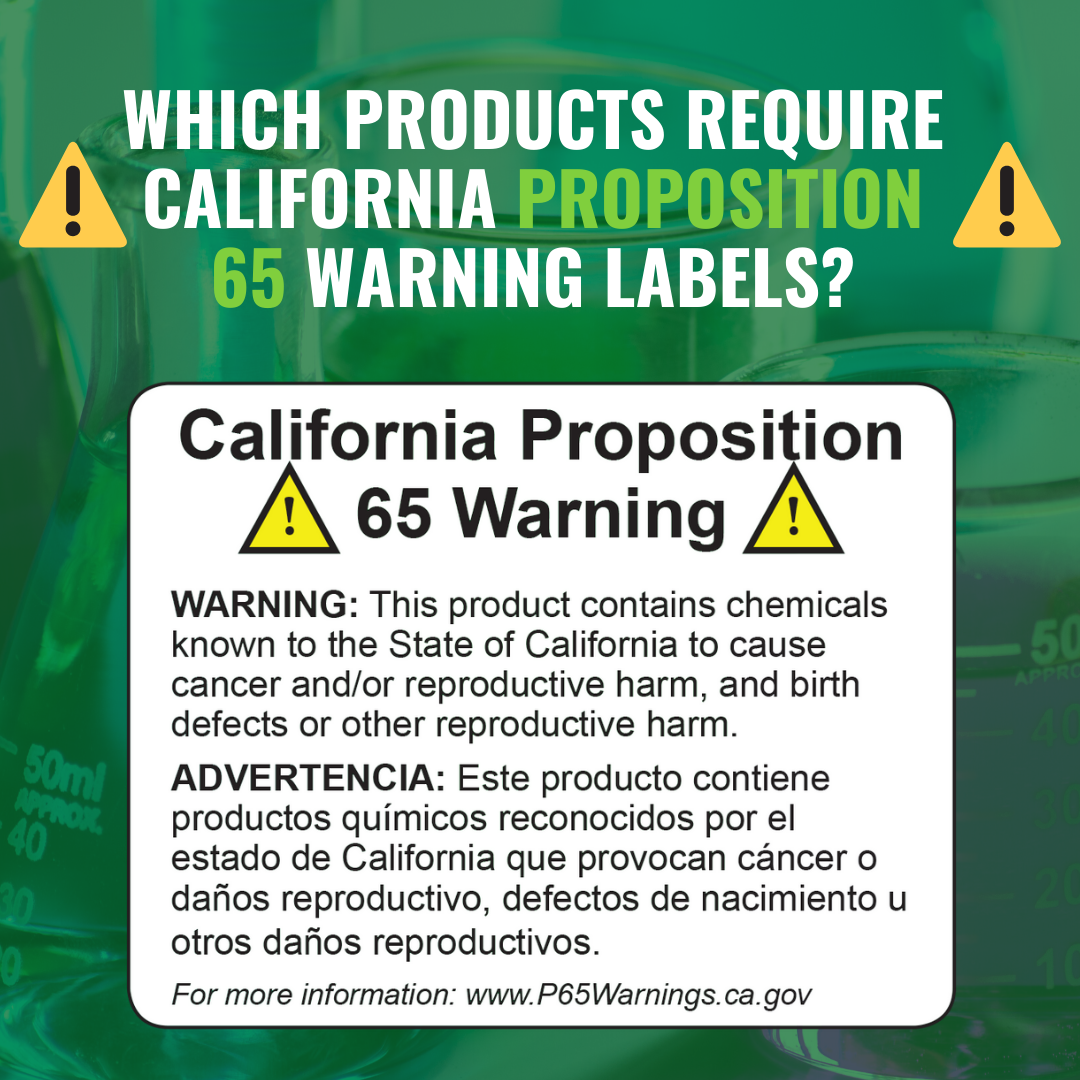
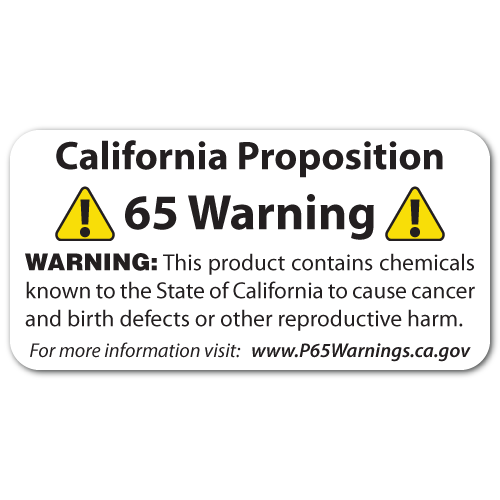
Proposition 65, officially known as the Safe Drinking Water and Toxic Enforcement Act of 1986, is a unique California law intended to protect the state’s drinking water sources from contamination with chemicals known to cause cancer, birth defects, or other reproductive harm, and to require businesses to inform Californians about exposures to such chemicals. It mandates that businesses provide a clear and reasonable warning before knowingly and intentionally exposing anyone to a listed chemical. The list of chemicals is extensive and continuously updated, currently numbering over 900 substances. For a tourist, these warnings can appear almost anywhere, from gas stations and parking garages to restaurants, hotels, and even theme parks. The sheer prevalence of these signs often leads to the question: is everything in California dangerous? The answer is nuanced, and understanding the law’s intent helps to contextualize its warnings.
The Intent Behind the Warning
The primary goal of Proposition 65 is to empower consumers with information, enabling them to make informed decisions about their exposure to various chemicals. It places the burden on businesses to prove that exposure levels are safe, rather than on the public to prove harm. This “right-to-know” approach, while noble in its aim, has led to a broad interpretation and often, over-warning. Many businesses choose to post warnings out of an abundance of caution, or because testing for every potential chemical exposure in every product or environment is economically unfeasible. This blanket warning approach means that a sign might indicate a potential presence of a chemical, even if the actual risk of harm is negligible, or significantly below federally recognized safety levels. For instance, common items like coffee, which contains acrylamide (a listed chemical formed during roasting), often bear a warning, despite extensive research suggesting typical consumption levels are not harmful. This reflects the strictness of Proposition 65, which has a very low threshold for requiring warnings compared to federal standards.
Common Sightings for Visitors
As you explore California, you’ll likely encounter Proposition 65 warnings in a variety of settings relevant to tourism. In Los Angeles, for example, you might see signs at the entrance to a parking garage due to vehicle exhaust fumes or at popular attractions like Universal Studios Hollywood or Disneyland Park. Wineries in Napa Valley or Sonoma County might display warnings due to the presence of lead in some soil or processing equipment, or chemicals naturally occurring in grapes. Restaurants across the state, from a casual diner in Santa Monica to fine dining establishments in Beverly Hills, often have signs related to cooking byproducts or even chemicals in tap water. Hotels, especially older ones, might post warnings about lead paint, certain cleaning supplies, or even chemicals in the building materials. Even retail stores, particularly those selling electronics, apparel, or home goods, may have warnings on products containing listed chemicals. Understanding that these are regulatory compliance actions, rather than immediate declarations of danger, is key.
Navigating California with Awareness, Not Alarm
The sheer number of Proposition 65 warnings can be overwhelming for first-time visitors to California. However, it is essential for tourists to approach these signs with awareness rather than panic. Many everyday exposures that are common worldwide fall under Proposition 65 in California due to its extremely stringent standards. The law has been effective in prompting manufacturers to reformulate products and reduce chemical exposures, yet the warnings themselves persist, often leading to what critics call “over-warning,” where the ubiquity dilutes the urgency of legitimate concerns. For a tourist, this means applying a dose of common sense and understanding the context.
Food and Beverage Considerations
When dining out in California, you will frequently encounter Proposition 65 warnings at restaurant entrances or on menus. These often relate to chemicals formed during cooking processes, such as acrylamide in fried foods or baked goods, or certain natural components in alcohol. For instance, Napa Valley wine tasting is a popular tourist activity, and you may see warnings about alcohol consumption, which is a listed chemical under Proposition 65 due to its link to cancer and reproductive harm. The key takeaway here is not to avoid California cuisine or beverages, but to be mindful of your choices. If you are concerned about a specific ingredient or cooking method, you can always ask the restaurant staff for more information. Most establishments are prepared to explain the basis for their warnings. For foods, a balanced diet and moderation are generally recommended, mirroring health advice found globally.
Public Spaces and Recreational Activities
California’s outdoor attractions, from its national parks like Yosemite and Redwood National Park to urban parks and beaches, are major draws. Even in these seemingly pristine environments, warnings might appear. For instance, warnings about naturally occurring lead in certain soils or rocks, or exhaust fumes in areas with heavy vehicle traffic (like popular tourist drives or city centers) are not uncommon. When visiting theme parks or museums, you might see warnings related to chemicals in building materials, cleaning products, or even certain exhibition elements. The advice here is similar: these warnings are a notice of potential presence, not an indication of immediate danger for short-term exposure during a typical tourist visit. Enjoy the sights and activities, but be mindful of basic safety practices, such as washing hands before eating, especially after touching surfaces in public areas.
Accommodation and Consumer Products
Hotels in cities like San Francisco, Los Angeles, or any other California destination may have Proposition 65 warnings prominently displayed. These could pertain to chemicals in mattresses, furniture, cleaning supplies, or even the water supply. Similarly, when shopping for souvenirs or other goods, you might notice labels on items like jewelry, clothing, or electronics. These warnings mean the product might contain a listed chemical. For most products purchased for personal use, the risk from incidental exposure is minimal, especially during a short trip. If you have specific sensitivities or concerns, consider researching product ingredients before purchase or opting for products that explicitly state they are “Proposition 65 compliant” or free of listed chemicals, though these labels are less common. The key is to avoid over-interpreting these warnings as a reason to avoid otherwise safe products or accommodations.
Practical Tips for a Worry-Free California Trip
For tourists planning a visit to California, navigating the landscape of Proposition 65 warnings can be simplified with a few practical strategies. The goal is to remain informed without allowing the omnipresent signs to detract from the enjoyment of your travels. Ultimately, the risk associated with most Proposition 65 warnings for a temporary visitor is generally very low, often far below levels considered harmful by federal agencies.
Prioritizing Informed Choices
The most effective way to address Proposition 65 is to understand its purpose and apply a balanced perspective. Do not let every warning sign instill fear. Instead, view them as an opportunity for increased awareness. For instance, if you see a warning about a specific chemical in a particular food item, you might choose an alternative, or simply consume it in moderation as you would with any food. If you are particularly sensitive or have specific health concerns, it’s wise to research common sources of exposure to listed chemicals and make choices that align with your personal comfort level. However, for the average tourist enjoying a typical California vacation, routine precautions such as good hygiene (handwashing), staying hydrated, and a balanced approach to food and drink are usually sufficient.
Resources for Further Information
For those who wish to delve deeper into specific warnings or chemicals, the California Office of Environmental Health Hazard Assessment (OEHHA)) is the primary resource. Their website (oehha.ca.gov) provides comprehensive information on Proposition 65, including the full list of chemicals, explanations of how warnings are determined, and frequently asked questions. While navigating this extensive information might be more involved than a typical tourist desires, it offers clarity for those with specific concerns. Local businesses, particularly restaurants and hotels, are also often equipped to provide more context about the warnings they post.
Embracing the California Experience
In conclusion, the California cancer warning, borne from Proposition 65, is indeed serious in its legislative intent and its impact on businesses within the state. It has driven significant improvements in product safety and environmental protection. However, for tourists, the widespread nature of these warnings doesn’t necessarily indicate pervasive danger. Instead, it reflects a unique regulatory environment that prioritizes the “right to know” at very low thresholds.
As you plan your journey through Southern California or along the majestic Pacific Coast Highway, understand that these signs are a standard part of the California landscape. They are a call for awareness, not a reason to cancel your trip. By understanding the context of Proposition 65 and applying common sense, tourists can confidently enjoy all the incredible sights, sounds, and tastes that California has to offer, from the bustling streets of San Jose to the serene beauty of Lake Tahoe. Embrace the experience, stay informed, and let the Golden State captivate you without undue worry.
LifeOutOfTheBox is a participant in the Amazon Services LLC Associates Program, an affiliate advertising program designed to provide a means for sites to earn advertising fees by advertising and linking to Amazon.com. Amazon, the Amazon logo, AmazonSupply, and the AmazonSupply logo are trademarks of Amazon.com, Inc. or its affiliates. As an Amazon Associate we earn affiliate commissions from qualifying purchases.