
The question of whether Marriott is a Hilton hotel is a common one for travelers and industry observers alike. While both names represent giants in the hospitality sector, they are, in fact, distinct and competing entities. Understanding their individual identities, histories, and operational structures is key to appreciating the landscape of global hotel offerings. This exploration delves into the core differences and similarities, clarifying their positions within the broader accommodation market.
Understanding the Hospitality Landscape
The hotel industry is characterized by major corporations that manage a portfolio of diverse brands, each targeting different market segments and guest preferences. Marriott International and Hilton Worldwide are two of the most prominent players in this arena. They operate not as single hotel entities but as massive conglomerates overseeing numerous hotel brands, each with its unique identity, service standards, and price points.
Marriott International: A Global Behemoth
Marriott International is a leading global lodging company with more than 7,000 properties in 130 countries and territories. Founded by J. Willard Marriott and his wife Alice in 1927, the company began as a root beer stand in Washington, D.C.. Its first hotel, the Twin Bridges Marriott, opened in 1957. Over the decades, Marriott has grown exponentially through organic expansion and strategic acquisitions.
The company’s extensive portfolio spans a wide spectrum of the travel market, from ultra-luxury to economy segments. Key brands under the Marriott umbrella include:
- Luxury: The Ritz-Carlton, St. Regis Hotels & Resorts, JW Marriott
- Upper Upscale: Marriott Hotels, Sheraton Hotels and Resorts, Westin Hotels & Resorts
- Upscale: Courtyard by Marriott, Renaissance Hotels, Autograph Collection Hotels
- Select Service: SpringHill Suites by Marriott, Fairfield by Marriott, Moxy Hotels
- Extended Stay: Marriott Executive Apartments, Residence Inn by Marriott
This diverse array of brands allows Marriott to cater to virtually any traveler’s needs, whether for business, leisure, or extended stays.
Hilton Worldwide: A Legacy of Hospitality
Hilton Worldwide is another global hospitality leader with a rich history dating back to 1919. Conrad Hilton purchased his first hotel, the Mobley Hotel, in Cisco, Texas. The iconic Waldorf Astoria New York was acquired in 1945, cementing its status as a premier luxury destination. Like Marriott, Hilton has expanded its footprint significantly and now operates more than 6,900 properties in 122 countries and territories.
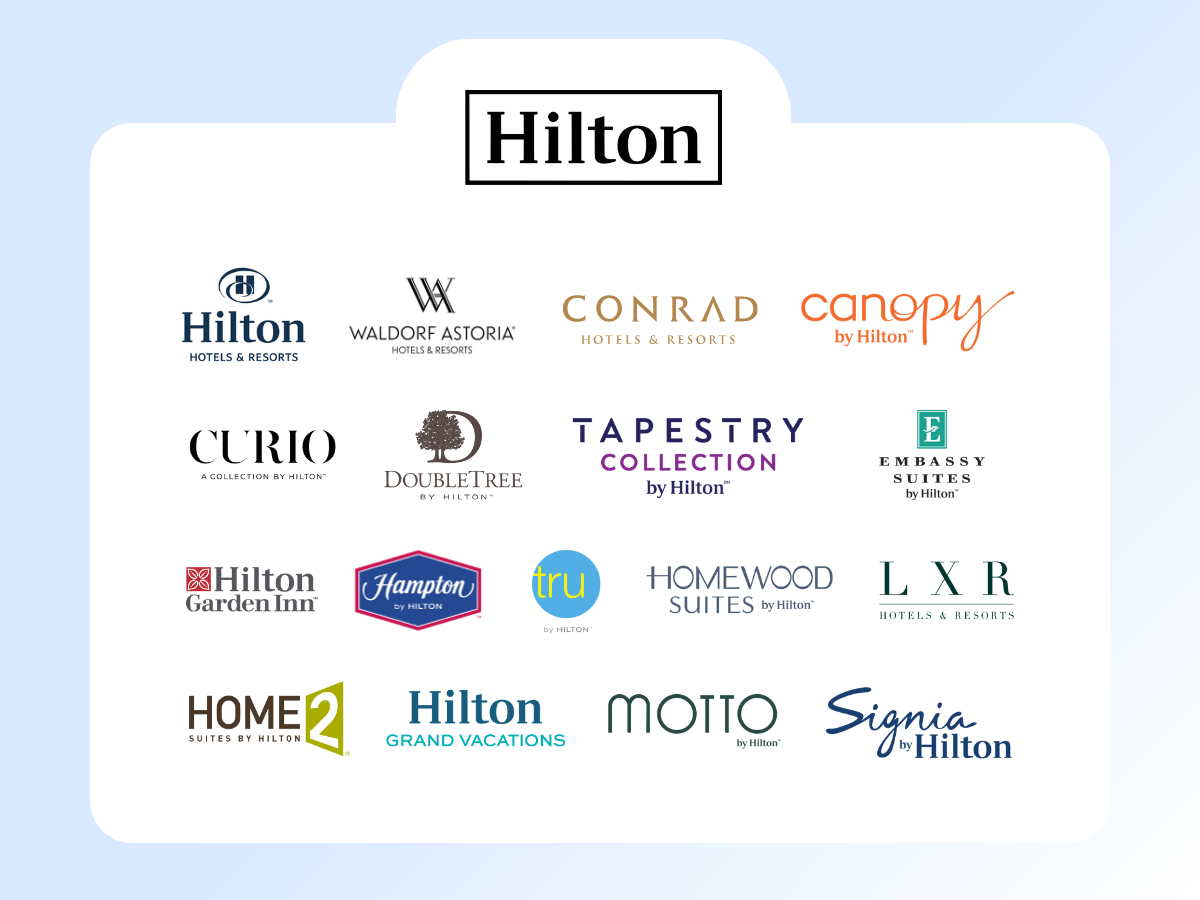
Hilton’s brand portfolio is equally comprehensive, designed to meet the diverse needs of travelers across different segments:
- Luxury: Waldorf Astoria Hotels & Resorts, Conrad Hotels & Resorts
- Full-Service: Hilton Hotels & Resorts, Curio Collection by Hilton, DoubleTree by Hilton
- Lifestyle: Canopy by Hilton, Tapestry Collection by Hilton
- Upscale: Embassy Suites by Hilton, Homewood Suites by Hilton, Hampton by Hilton
- Focused Service: Hilton Garden Inn, Tru by Hilton, Homewood Suites by Hilton
The strategic clustering of these brands allows both Marriott and Hilton to command significant market share and offer loyalty programs that reward frequent guests across their vast networks.
Key Distinctions: Ownership and Operation
The fundamental reason why Marriott is not a Hilton hotel lies in their corporate ownership and operational structures. They are independent, publicly traded companies, each with its own management, employees, and strategic direction.
Corporate Independence
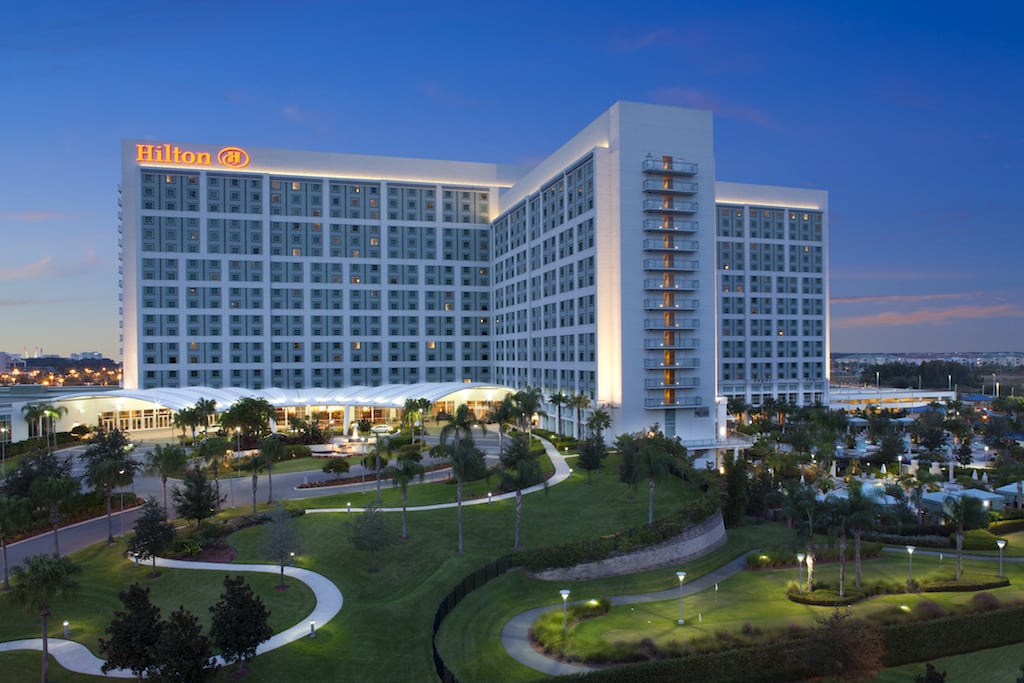
Marriott International and Hilton Worldwide are direct competitors in the global hospitality market. They compete for market share, for hotel development opportunities, and for the loyalty of travelers. While they might have franchise agreements with the same property owners for different brands in the same city, the parent companies themselves are separate business entities. This independence extends to their financial reporting, stock performance, and executive leadership.
Brand Management and Differentiation
Each company meticulously manages its portfolio of brands to avoid direct cannibalization and to appeal to distinct guest preferences.
- Brand Identity: Marriott brands often emphasize certain attributes. For instance, The Ritz-Carlton is synonymous with unparalleled luxury and service, while Courtyard by Marriott focuses on providing reliable comfort and amenities for the business traveler.
- Target Audience: Similarly, Hilton brands are positioned to attract specific demographics. Waldorf Astoria offers historic grandeur and sophisticated elegance, whereas Hampton by Hilton is known for its consistent, value-driven experience with complimentary breakfast and Wi-Fi.
This deliberate brand segmentation ensures that guests can identify a hotel that aligns with their expectations and budget, reinforcing the distinct identities of each parent company’s offerings.
Loyalty Programs: A Competitive Arena
A significant aspect of their competition lies in their respective loyalty programs: Marriott Bonvoy and Hilton Honors. These programs incentivize guests to frequent their properties by offering points, elite status, and exclusive benefits.
- Marriott Bonvoy: This program is a consolidation of previous Marriott, Starwood Preferred Guest, and The Ritz-Carlton Rewards programs, offering a vast network of hotels worldwide. It is particularly strong in the luxury and upscale segments.
- Hilton Honors: This program provides members with opportunities to earn and redeem points across Hilton’s diverse portfolio, from Waldorf Astoria to Tru by Hilton. It’s renowned for its often generous promotions and elite status benefits.
The existence and distinctiveness of these programs further underscore the separation between the two hospitality giants.
Mergers, Acquisitions, and the Competitive Landscape
The hospitality industry is dynamic, with companies frequently engaging in mergers and acquisitions to expand their reach and brand portfolios. However, a merger between Marriott and Hilton is highly unlikely due to antitrust regulations and the sheer scale of such a consolidation.
Antitrust Considerations
The U.S. Department of Justice and other global regulatory bodies scrutinize large mergers to prevent monopolies. A combination of Marriott and Hilton would create an entity with an unprecedented share of the global lodging market, raising significant antitrust concerns. Such a merger would likely be blocked or require divestiture of a substantial portion of their assets.
Strategic Acquisitions Within Their Own Portfolios
Instead of merging with each other, Marriott and Hilton have historically grown by acquiring other hotel brands. A prime example is Marriott’s landmark acquisition of Starwood Hotels & Resorts in 2016. This move significantly expanded Marriott’s global footprint and brand diversity, integrating popular brands like Sheraton, Westin, and W Hotels into its portfolio. Hilton has also made strategic acquisitions over the years to bolster its brand offerings, though none on the scale of the Marriott-Starwood union.
Conclusion: Two Pillars of Hospitality
In summary, the answer to “Is Marriott a Hilton hotel?” is a definitive no. They are two of the largest and most influential hospitality companies in the world, operating independently and competing vigorously. Each manages an extensive portfolio of distinct brands, catering to a vast range of traveler needs and preferences. Their separate histories, corporate structures, brand management strategies, and loyalty programs all serve to highlight their individual identities as major forces in the global accommodation industry. Travelers choosing between a Marriott property and a Hilton property are selecting from two different, albeit equally reputable, hospitality conglomerates.
LifeOutOfTheBox is a participant in the Amazon Services LLC Associates Program, an affiliate advertising program designed to provide a means for sites to earn advertising fees by advertising and linking to Amazon.com. Amazon, the Amazon logo, AmazonSupply, and the AmazonSupply logo are trademarks of Amazon.com, Inc. or its affiliates. As an Amazon Associate we earn affiliate commissions from qualifying purchases.